
Tech moves pretty fast. If you don't learn and look around once in a while, you might become obsolete. 2026 is not just about emerging technologies and evolving industry, but it is time to reset expectations. Your degree is not just enough to get a well-paying job. Companies prefer proof of skills and certifications to identify real capabilities. With cloud computing and AI cybersecurity dominating the market, organizations are actively looking for professionals who can demonstrate hands-on expertise.
What makes 2026 unique is the speed of change. Artificial Intelligence is not just about chatbots; there is a widespread adoption of Agentic AI and autonomous, multi-agent systems. For techies, generative AI, cloud-native infrastructure, and automation are no longer optional, but core business functions. I believe that instead of fearing the growth of technology, we can adapt to situations by pursuing certifications aligned with these domains. Here are the 7 best tech certifications you can pursue in 2026.
Also read || Stop Asking AI For Advice: Stanford University's Study Reveals ‘Why’
AWS Certified Solutions Architect
Cloud computing is here to stay and dominate the tech landscape, and AWS remains the market leader. The AWS Certified SysOps Architect certification proves your ability to design scalable, secure, and cost-efficient systems on the cloud. In 2026, organizations are shifting almost entirely toward cloud-first strategies, making this certification one of the most valuable assets for developers and engineers. It's especially useful for those targeting roles like cloud architect or backend engineer in high-growth startups and enterprises.
Who is eligible?
Anyone with a basic understanding of cloud computing and networking can start preparing for this certification. It is especially useful for developers, system administrators, and IT graduates who already have some hands-on exposure to AWS or other cloud platforms.
Microsoft Azure AI Engineer Associate
Artificial Intelligence is no longer in its experimental phase and has become operational. The Azure AI Engineer Associate certificate emphasizes creating AI-powered applications using Microsoft's ecosystem. When businesses integrate AI into analytics, customer service, and automation, it fills the gap between business needs and practical deployment. This certificate is ideal for anyone who wants to work in machine learning pipelines, generative AI, or enterprise solutions.
Who is eligible?
Candidates should have a basic understanding of Python, cloud fundamentals, and AI concepts before pursuing this certification. It is a strong fit for data enthusiasts, developers, and professionals looking to move into AI and machine learning roles.
Also read || Beyond the screen: The Rise of the New Collar Workforce in 2028!
Google Professional Cloud Architect
Nothing comes closer to Google Certificates. Google Cloud is rapidly gaining enterprise adoption, especially in data-heavy industries. Pursuing the Google Professional Cloud Architect can improve your infrastructure design abilities and help you manage robust cloud architectures using Google Cloud Platform. Whether you are working in Fintech, healthcare, or SaaS, companies are increasingly relying on Google Cloud for analytics and machine learning.
Who is eligible?
There is no strict prerequisite for this certification, but it is best suited for professionals with experience in cloud computing, system design, and networking. Ideally, candidates should already have some practical exposure to Google Cloud or other cloud environments.
Also read || Agentic AI: 5 Must-Have Enterprise Agents 2026
Certified Information Systems Security Professional (CISSP)
Cybersecurity is not only an IT concern anymore, but a boardroom priority. CISSP is considered the gold standard in security certifications and a proof of expertise in designing and managing secure systems. As cyber threats are becoming more sophisticated, security leaders are investing heavily in such certifications. So, if you are aiming for roles like security architect or Chief Information Security Officer, it is best suited for you.
Who is eligible?
CISSP is designed for mid- to senior-level professionals with substantial experience in cybersecurity. It is best suited for those aiming for roles such as security architect, security manager, or chief information security officer.
CompTIA Security+
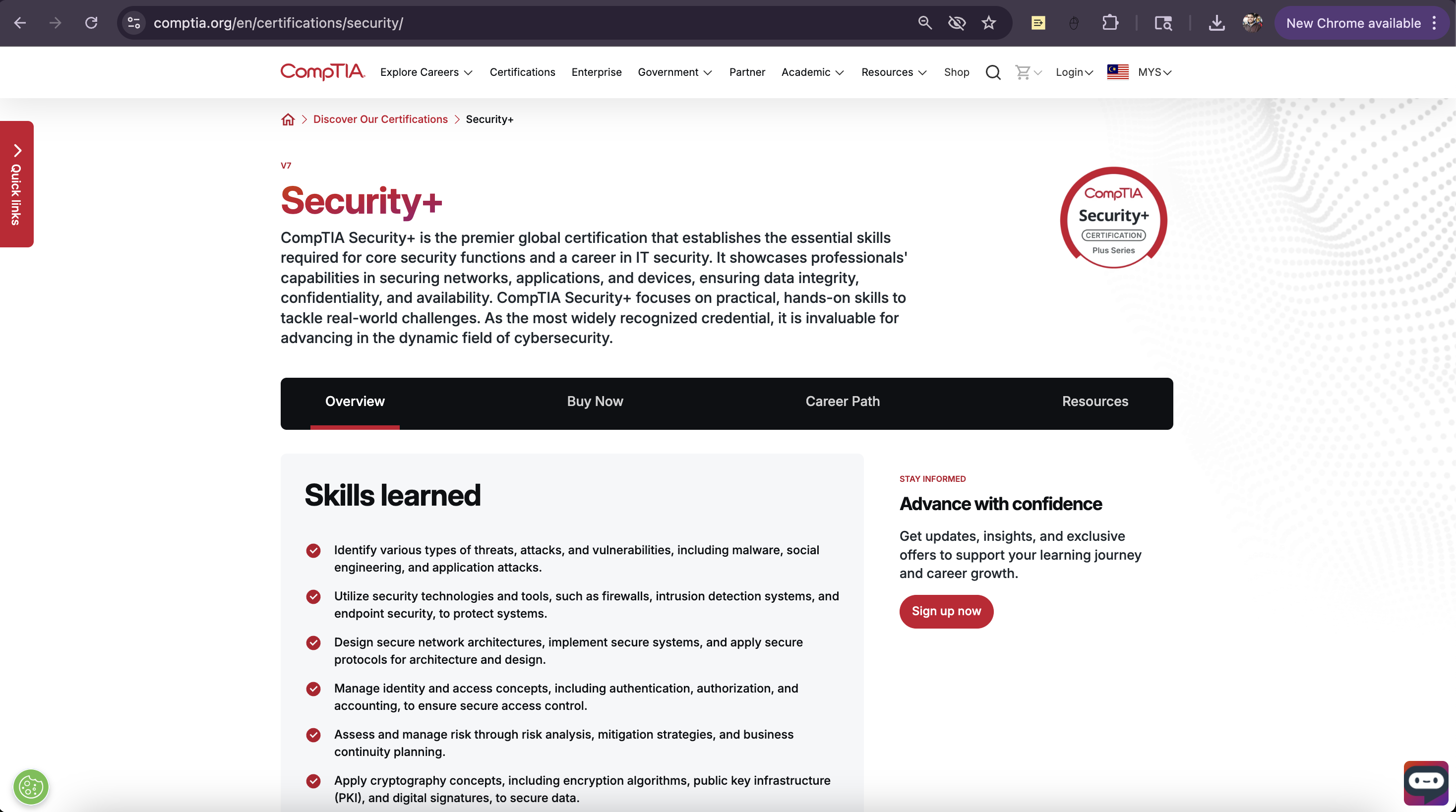
If you are a fresher entering cybersecurity, CompTIA Security+ is one of the most sought-after starting points. The certificate covers concepts like threat management, risk mitigation, and network security. The tech world is going through a shortage of skilled cybersecurity professionals. The talent shortage is such that even entry-level certifications hold significant value. Security+ is often the first step before advancing into roles or higher certifications like CEH or CISSP.
Who is eligible?
This is an ideal starting point for beginners with basic IT knowledge. Fresh graduates, career switchers, and professionals with some exposure to IT support, networking, or system administration can pursue it confidently.
Also read || DarkSword Spyware and How to Stay Protected from It
Certified Ethical Hacker (CEH)
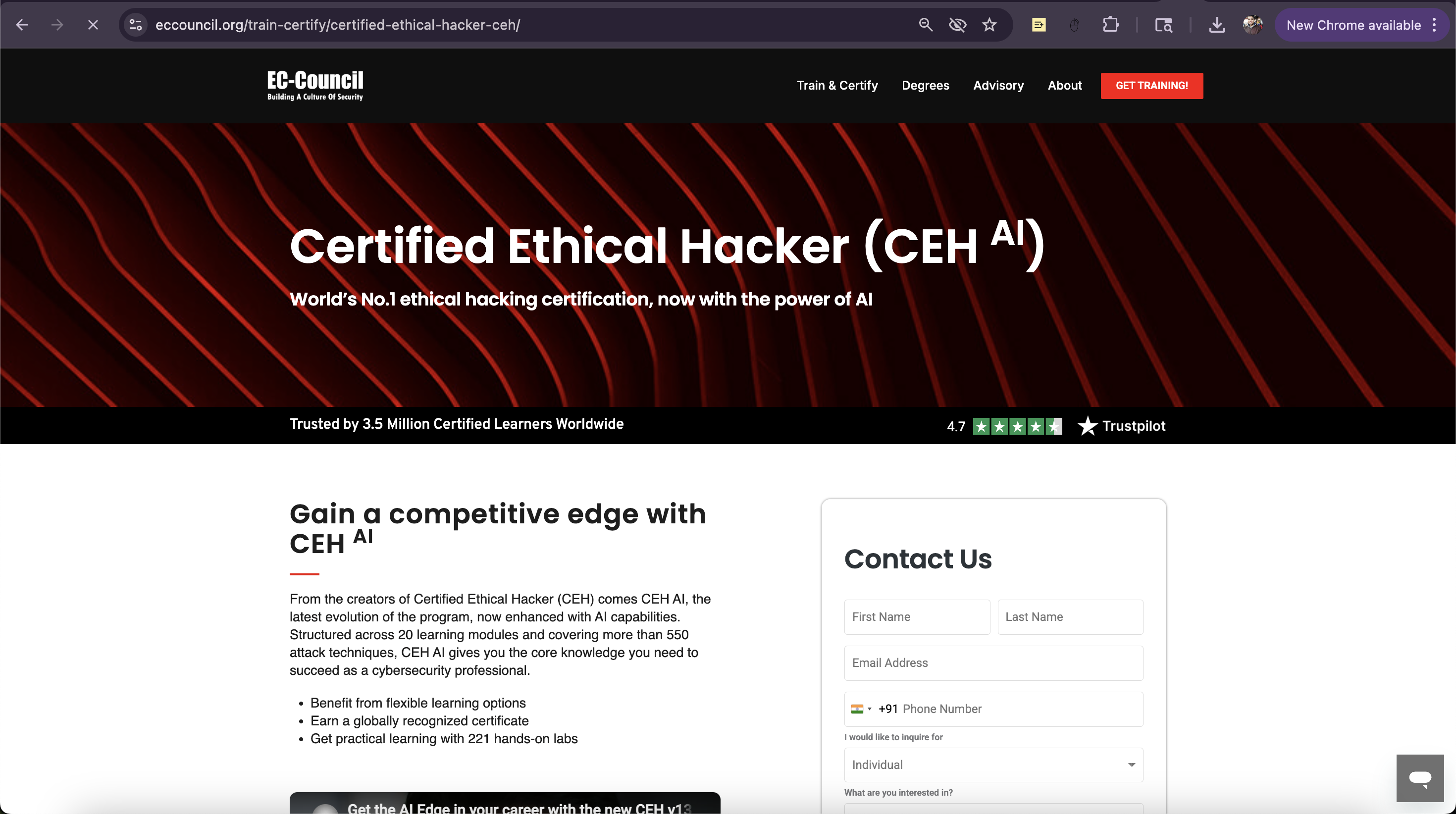
Ethical hacking has become a critical function in modern cybersecurity strategies. The CEH certification teaches you how to think like a hacker—identifying vulnerabilities before malicious actors do. With companies prioritizing proactive security measures, ethical hackers are increasingly in demand. The CEH certificate is best for those targeting penetration testing, red teaming, and security consulting across both startups and large businesses.
Who is eligible?
Candidates should ideally have a basic understanding of networking and security before attempting CEH. It is best suited for security analysts, IT professionals, and learners who have already completed beginner-level cybersecurity training.
Project Management Professional (PMP)
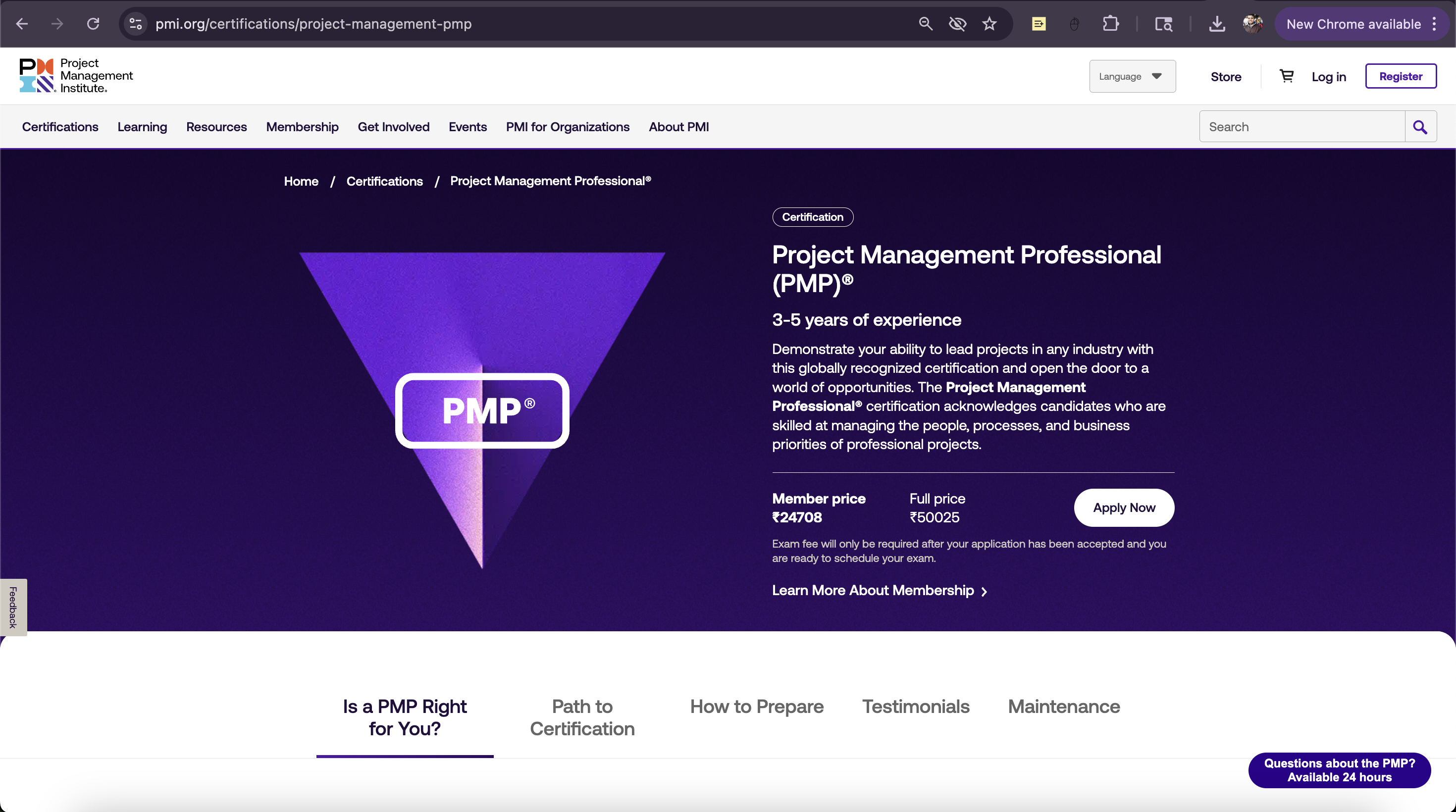
If you are not interested in a highly technical certificate but want to work in tech, PMP is your best bet. When projects grow more complex, especially with global teams and AI adoption, organizations need professionals who can manage timelines, budgets, and cross-functional collaboration. The certificate demonstrates your ability to lead large-scale tech projects, making it a strong addition to your technical expertise.
Who is eligible?
PMP is meant for professionals with prior project management experience who want to move into leadership roles. It is a strong choice for those working in technical environments who want to manage teams, timelines, and large-scale projects.
Why these certifications?
While certifications alone won't guarantee success, the observable pattern in these certifications is clear. Whether it is AI, cloud, or cybersecurity, specialization is all you need. Companies are rewarding employees who have deep, practical experience in a specific domain. These certificates are no longer just add-ons, but a symbol of readiness and adaptability.
The real gain from these certifications would be in the long run, when you can combine them with your projects or freelance work. It is 2026, and the world does not value grades or ranks, but workers who can showcase their skills or what they've built. Treat these certificates as your launchpads- not the final destination.
Comments (0)
Log in to share your thoughts
No comments yet
Be the first to share your thoughts!