Since chatbots rose in 2022, Generative AI has become a massive trendsetter. The hyper-realistic visuals and the ability to design whatever you want are what made it special. However, if you are a content creator or storyteller who wants to utilize generative AI in your projects, some platforms can be an expensive deal for you.
In this list, we have compiled the best AI tools for content creation you must consider for your next projects. The idea behind these generative AI platforms is to democratize creation so that every thinker can use their best prompt engineering and writing skills to produce efficient outputs. While premium versions of these platforms can be expensive, the free versions are adequate for everyday use.
Also read || Best AI Agents for Research: 7 Tools to Save You Hours
Stable Diffusion – Open Source Powerhouse
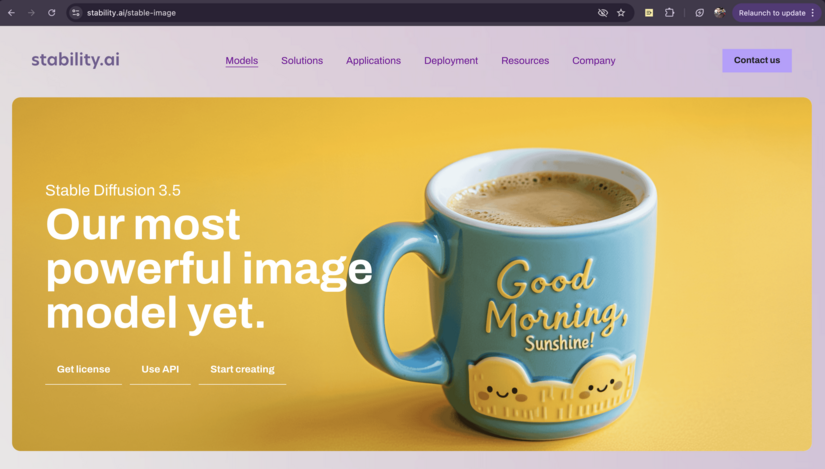
Nothing comes close to Stable Diffusion as the best AI tool for content creation. It gives you control and flexibility over what you are designing. The best part of this platform is its ability to run locally on personal hardware via hosted web apps. So, you can generate images without subscription fees and with the privacy of your own setup.
It is an open-source text-to-image model that supports inpainting, outpainting, and image-to-image transformations, along with a huge range of community-built models and styles. That's why it is a perfect choice for both experimentation and professional content workflows.
DALL-E 3 – Precision and Prompt Mastery
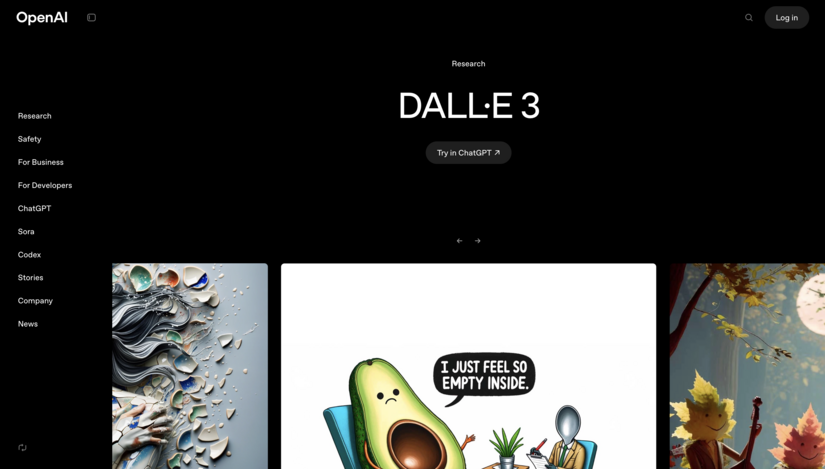
OpenAI's DALL-E 3 is another contender for content creators seeking accurate prompt interpretation with text integration. When creating complex designs, DALL-E 3 is considered a top option due to its strong understanding of natural language. It designs characters exactly as described.
When you integrate DALL-E 3 with ChatGPT, you can get refined images or concepts via text. It allows you to iterate on and even edit images quickly after creation. So, for anyone who is working in visual content or designing, DALL-E 3 is a great tool for marketing assets and polished illustrations.
Adobe Firefly – Professional Creative Workflows
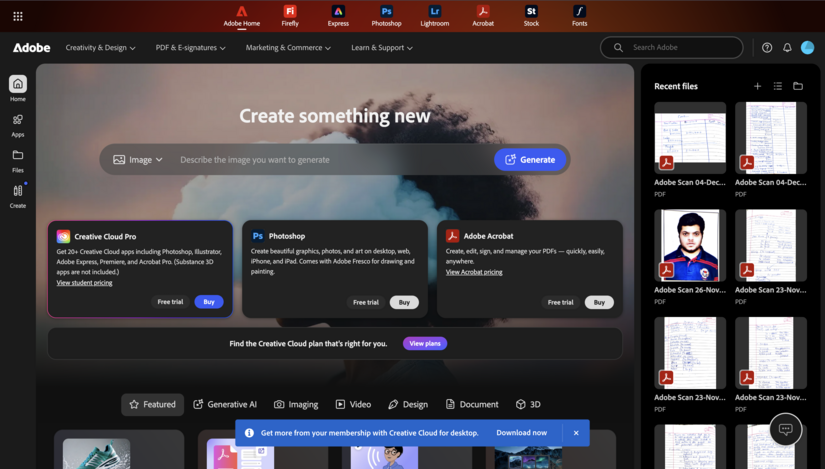
It is impossible not to mention an Adobe product when discussing visual content or design. Adobe Firefly is for those focused on commercial-grade content. If you have Adobe Photoshop, Cloud, or Illustrator, you can seamlessly integrate Firefly to generate text-to-image content and refine it directly within a professional editing setup.
Moreover, it is trained on licensed, safe content, which means minimal legal risks for commercial use. In recent Firefly upgrades, you now have video editing layers and broader AI-assisted production tools, making it a versatile choice for brand creators and designers.
Also read || State of the Union 2026 Ignites AI Boom
Picwand AI – Image and Video in One
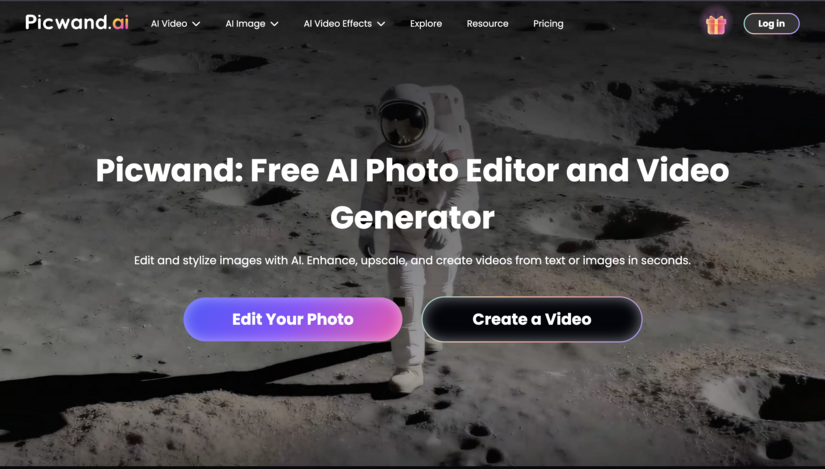
Picwand AI is another tool that extends beyond static image generation to include AI-enhanced video features. This powerful browser-based platform is one of the best tools for social and dynamic content. You can generate still visuals with reflexive prompts, and then flip into video tools to enhance clarity, restore old footage, or even create short clips from text prompts.
Having access to images and videos on one platform is a goldmine for content creation. Picwand offers a clean web UI, making it a strong choice for non-techies such as social media managers, marketers, or product managers who need fast, visually rich content without a deep technical setup.
Runway ML – Creative Video-First Workflows
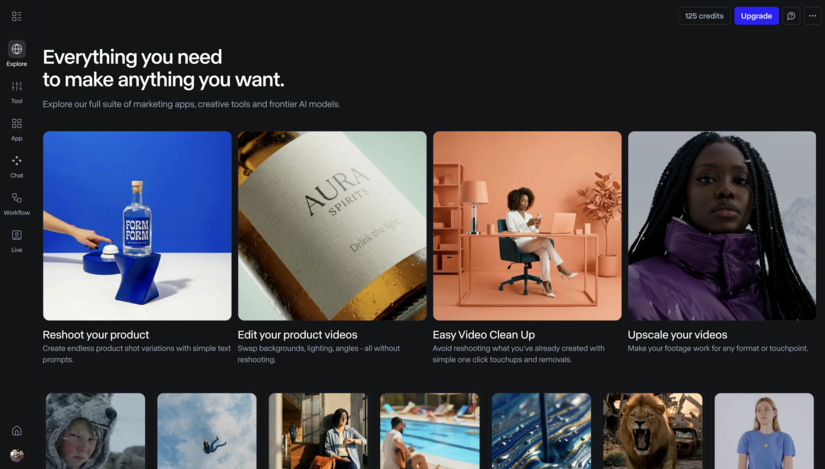
If you are working in a small advertising or marketing agency and need to present creative ideas before launches, or just want a very realistic visual experience, RunwayML is the platform to go for. It combines powerful AI generation with creative video tools tailored for storytellers and filmmakers, making it one of the best non-traditional image and video generators.
Runway offers text-to-video and video-to-video generation, interactive editing, motion tracking, and background removal—all powered by AI. So, creators who love building narratives, experimenting with visuals, or post-producing clips can use it without juggling multiple tools. Furthermore, it is best suited for short-form content and animated ads, and it fills the gap between still generation and cinematic production.
Recraft – Brand-Consistent Image Generation
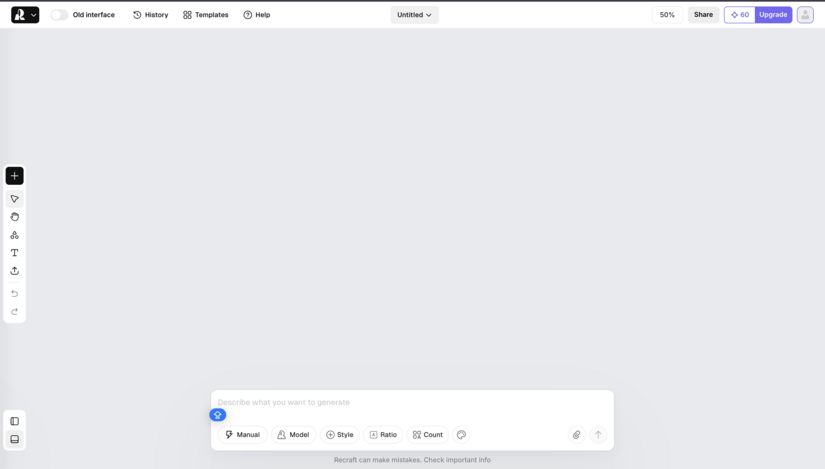
Consistency is the most crucial aspect of branding. The logos, text, visuals, and even the personalities associated with your brand need to be consistent to stay in someone's mind. To solve this problem, Recraft is a text-to-image generator that emphasizes delivering aesthetics that align with specific creative workflows, especially in terms of consistency and layout.
The platform is built for professional visual tasks and enables creators to generate high-quality visuals with strong brand fidelity, crisp text, and custom layout elements. For anyone working in branding or with the branding team, this tool can be an asset for digital ads and mockups, where precise design repetition and composition matter most.
Ideogram AI – Text-Savvy Graphic Generation
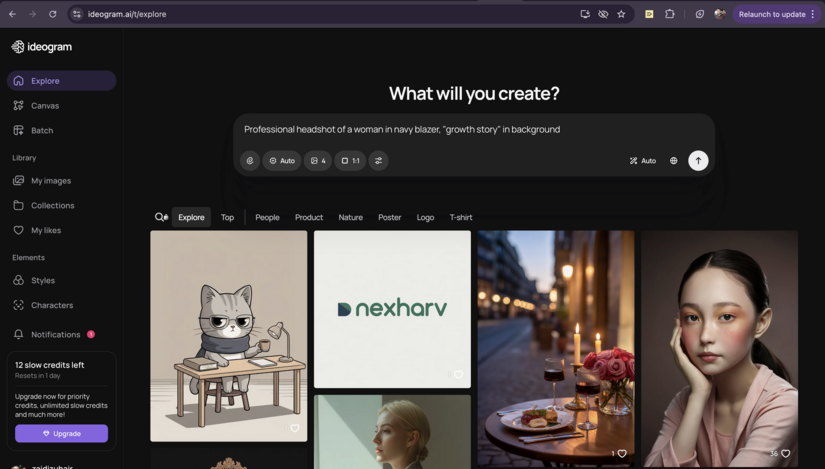
Last but not least, Ideogram AI is one of the modern graphic generation tools that addresses a longstanding weakness in many AI art tools: inaccurate text rendering within images. When most generative models struggled with readable letterforms and typography, Ideogram reads naturally and produces crisp, clear text for the highest accuracy.
Ideally meant for posters, banners, event graphics, and social ads, Ideogram AI can help you generate visually polished graphics with minimal typography fixes. Its focus on design-ready output sets Ideogram apart as a practical, marketable choice for content creation.
Also read || IBM Shares Plunge 13% After Anthropic AI Announcement
Which Generative AI platform to choose?
Choosing the best of these seven AI tools is difficult. While many platforms are top choices for AI content creation, the current AI ecosystem offers diverse tools for diverse creative needs. Whether it is Stable Diffusion's open-source freedom or DALL-E 3's precise prompt mastery, each has its strengths and limitations.
When you understand your primary content goals, whether you are doing it for branding or animation, you can pick any of these platforms, which can help you accelerate content creation in a dynamic generative AI landscape. Apart from this list, you can try as many generative AI platforms and pick what suits you best.