
Whether it is electricity, moving vehicles, or manufacturing plants, one can not imagine the existence of modern life without engineers or scientists. While we celebrate the scientists for their brilliance, we might be unaware of how some of the biggest scientists or innovators died in financially stressful situations. Despite having bright and intelligent ideas that built industries, some of them died in poverty even after changing the world.
It is contradictory that someone who is a genius could not pave a way to financial success for themselves. Not every inventor is commercially successful. Some change the world, but never live long enough to be recognized for their achievements. In this blog, we will talk about five legendary scientists whose contributions shaped modern science, yet their lives ended without wealth or recognition in their lifetime.
Also read || The Untold Story Of Elon Musk’s Greatest Gamble Before Rising!
Nikola Tesla
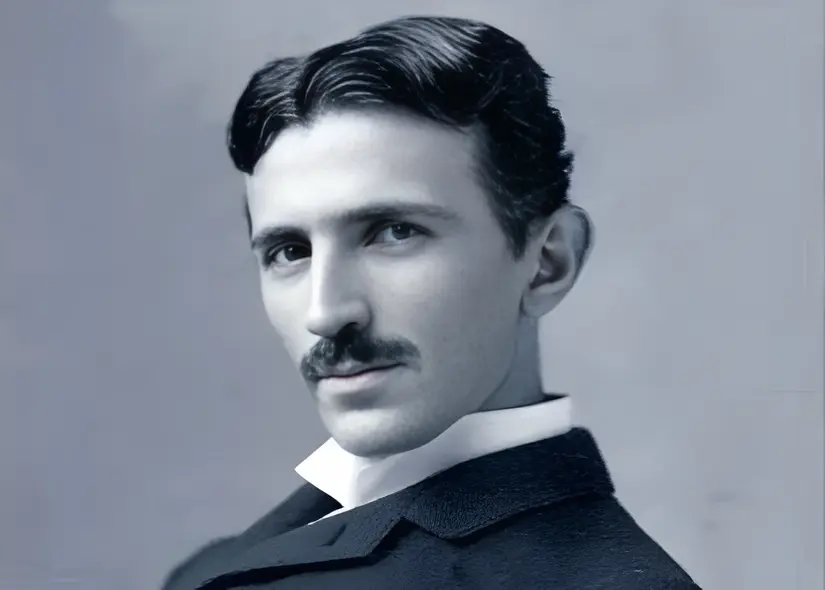
The Serbian-American Innovator, Nikola Tesla, is the prime example of a "brilliant but broke" scientist. He revolutionized electricity with his work on alternating current, which powers much of the modern world today. Despite his innovations, he could not monetize his ideas effectively and lost control of many patents and business opportunities.
In his later years, Tesla was relying on small stipends and the kindness of others and lived in a New York hotel. On January 7, 1943, he died a lonely death in the New Yorker by Lotte Hotels in New York. Ironically, his ideas laid the foundation for industries worth billions today.
Gregor Mendel
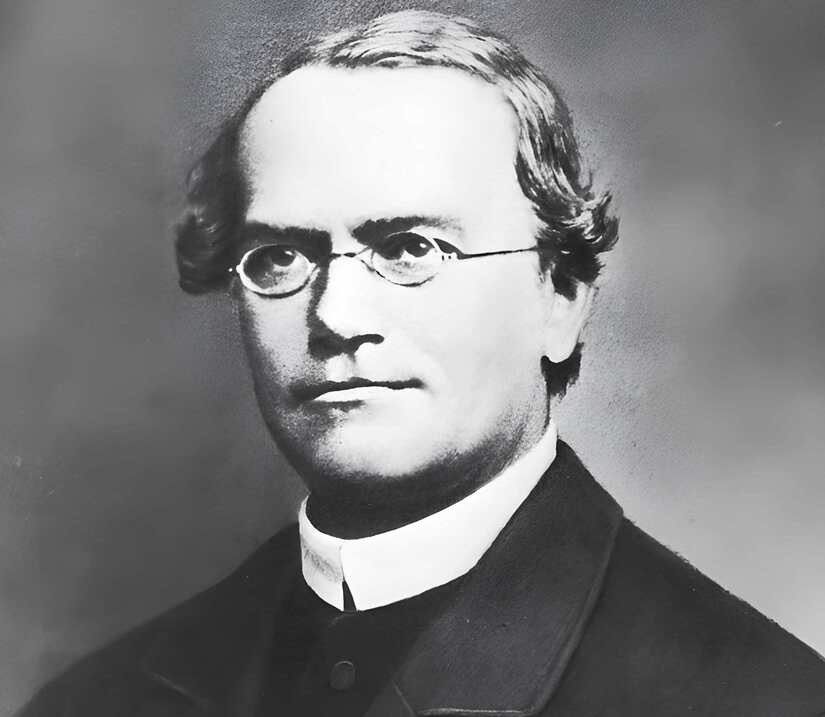
Gregor Mendel, the Austrian biologist, is called the 'Father of Modern Genetics', who spent most of his life as a humble monk. If you have studied biology in high school, you must have read about Mendel's pea experiment. That was just the tip of an iceberg; Mendel's experiments revealed the basic principles of heredity, which later became foundational to biology.
Unfortunately, Mendel's research work remained ignored by the scientific community, and he never saw the global recognition in his lifetime. Mendel lived a modest life in his monastery, balancing administrative duties with his research experiments. When his work transformed the science and got recognition, he was alive to witness it.
Also read || University of Toronto & IISc Partnership: All You Need To Know
Ludwig Boltzmann
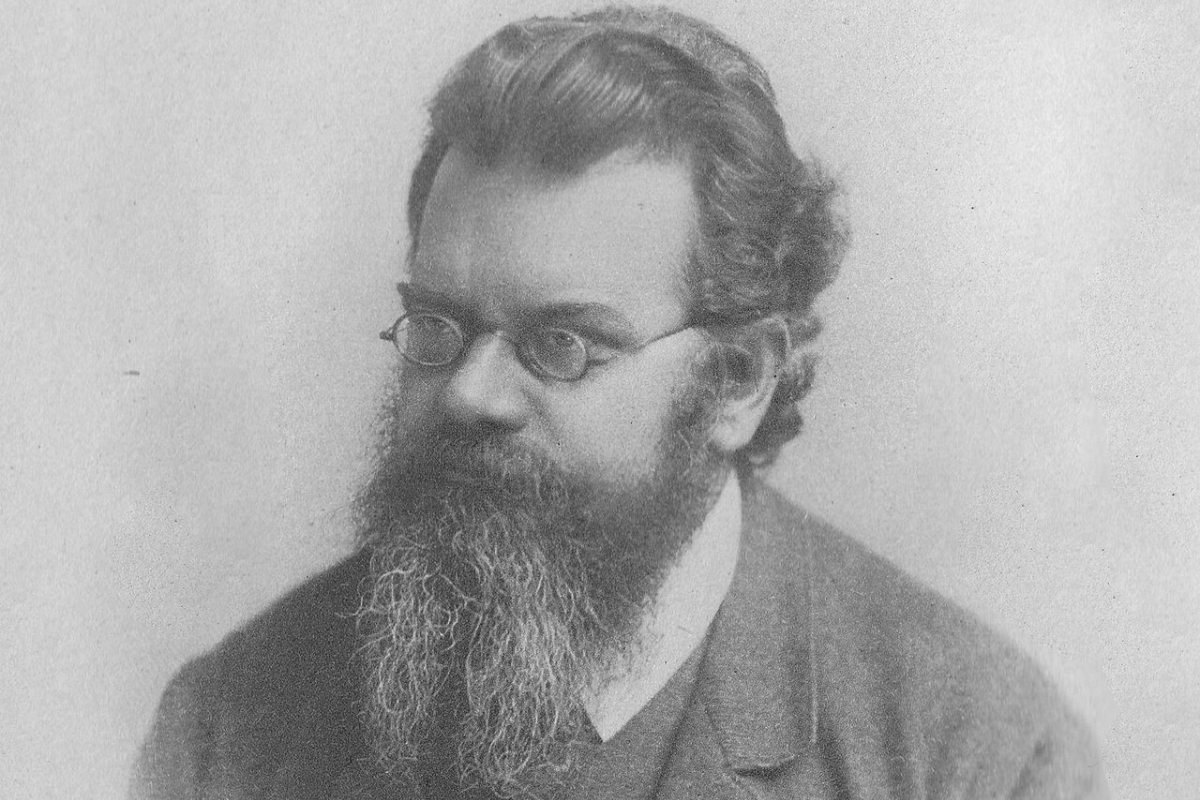
If you have read about the Boltzmann constant (Kb) in Physics or Chemistry, you might have thought of a successful scientist like James Dyson or Thomas Alva Edison. Unfortunately, life was not easy for Austrian scientist Ludwig Boltzmann. He might have made groundbreaking contributions to statistical mechanics to decode the behaviour of atoms and molecules, yet he was heavily criticized and misunderstood by his contemporaries.
Despite being among the key scientists of modern physics, he struggled not only financially but also emotionally because of intense academic opposition. Although he held academic positions, none of his contributions translated into major financial success, and he died in 1906 before anyone could embrace his theories.
Alan Turing
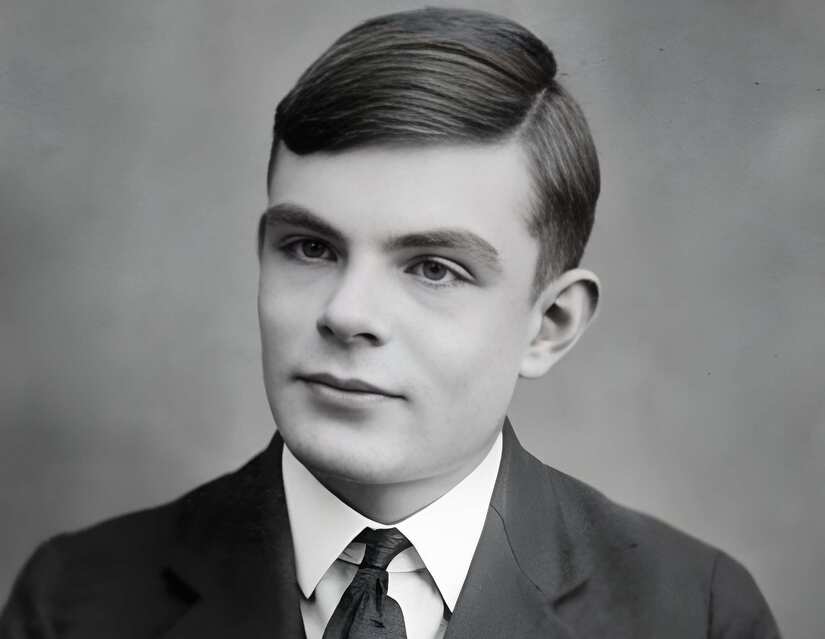
Imagine saving your country during World War II, and ending up in jail for your sexuality. Alan Turing, the British Computer Scientist, played a critical role in breaking the Enigma code during World War II. Not only did he shorten the war, but he also saved countless lives. For his work, he is still revered as a foundational genius whose work fundamentally shaped the modern world.
Despite all his achievements, he faced severe personal and professional hardships. He was arrested for his sexuality and stripped of many opportunities. Though he was not traditionally broke, he lived with very limited wealth. On June 7, 1954, he died in his Wilmslow home at the age of 41.
Srinivasa Ramanujan

Ever heard of a person whose IQ is over 180+, yet they are not formally university educated? There can be a few people, but it's rare. Srinivas Ramanujan was one of them. A self-taught mathematician whose work still astonishes the brightest minds in the world. Born in Tamil Nadu, India, Ramanujan produced complex mathematical formulas without advanced formal training, which still influence modern mathematics and physics.
He was a brilliant man, but lived in financial hardship for much of his life. During his time in the United Kingdom, he was diagnosed with tuberculosis and a severe vitamin deficiency, which eventually led to his death at the young age of 32. His work got recognized late, and he left the world behind a legacy far richer than material wealth.
Also read || How an 1816 Engine Led to the Refrigeration Revolution
Why Do Some Geniuses End Up Poor?
People often ask why some geniuses don't get what they deserve. Despite leaving the world behind with groundbreaking ideas, why couldn't they reap the benefits of the seeds they sow? What we understood is that some of the revolutionary ideas are too ahead of their era, making it difficult for contemporaries to recognize or reward them.
Another factor is the gap between innovation and commercialization. Whether it is JP Morgan vs Nikola Tesla or General Motors vs. Electric Streetcars, commercialization often kills innovation. Not every scientist is a good businessman, and not every businessman values innovation. Besides, the lack of social support and personal hardships often becomes a barrier in the lives of geniuses.
Comments (0)
Log in to share your thoughts
No comments yet
Be the first to share your thoughts!