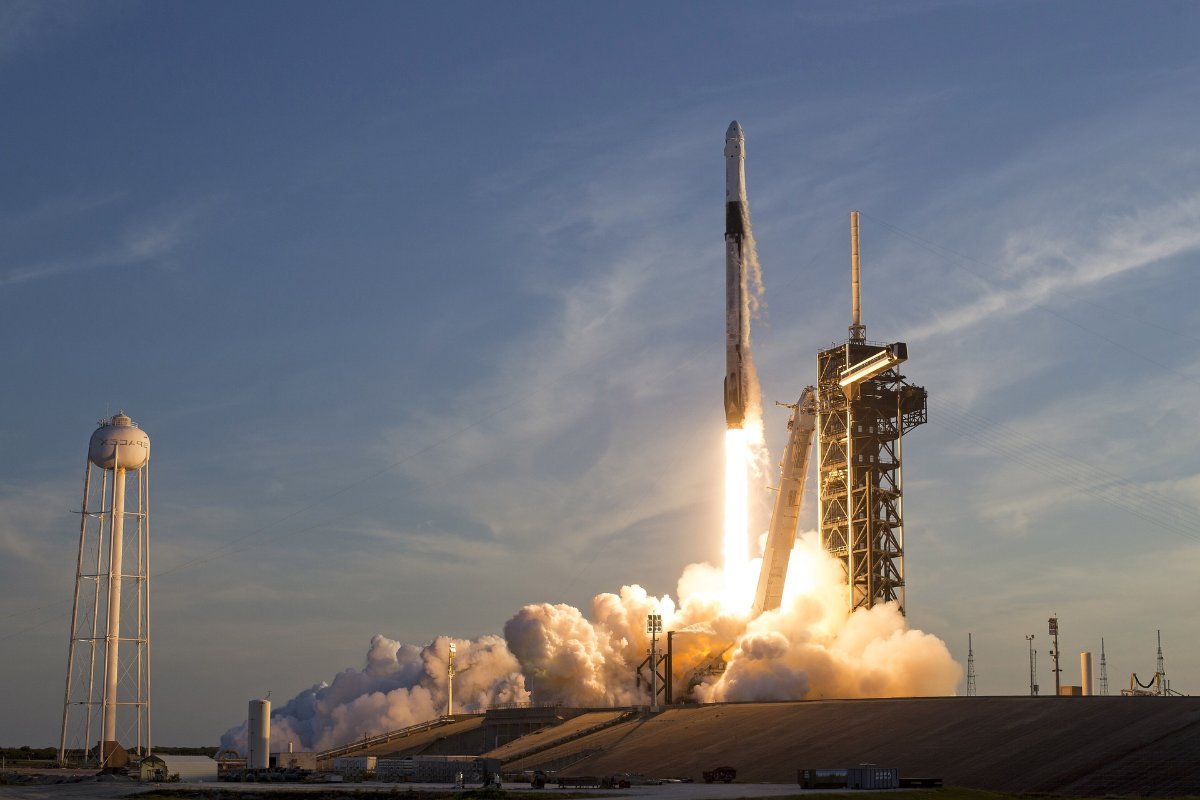
Space exploration has helped scientists learn more about the universe, but it has also led to many inventions that improve everyday life on Earth. Since the beginning of the Space Age in 1957, when the Soviet Union launched the first artificial satellite, Sputnik 1, space agencies such as NASA have developed new technologies to address the challenges of working and living in space. Astronauts needed special equipment, safe environments, and advanced tools to survive in space, which pushed scientists and engineers to invent new technologies. Many of these inventions were later adapted for everyday use on Earth. As a result, products used in homes, hospitals, schools, and industries today were originally developed for space missions.
Artificial Limbs
Artificial limbs improved greatly because of the technology developed during early space missions in the 1960s and 1970s. NASA engineers created lightweight materials, robotics, and advanced computer systems to help astronauts perform tasks in space. These technologies were later used to design modern prosthetic limbs that are lighter, stronger, and more flexible than earlier versions. The improved prosthetic limbs allow people who have lost arms or legs to move more naturally and comfortably. Today, space-derived technology continues to help improve artificial limbs, making them more advanced and easier to use.
Also Read: SpaceX Boosts Starlink Network to New Records
Baby Formula
Space research in the 1970s and 1980s led to an important improvement in baby formula. Scientists funded by NASA studied algae as a possible food source for astronauts during long space missions. During this research, scientists discovered important fatty acids called DHA (docosahexaenoic acid) and ARA (arachidonic acid). These nutrients are important for the development of babies’ brains and eyes. Later, these nutrients were added to baby formulas to improve infant nutrition. Today, many baby formulas contain DHA and ARA, helping millions of babies receive better nutrition.
Adjustable Smoke Detectors
Adjustable smoke detectors were developed using technology from the Skylab space station, launched in 1973. Because fire is extremely dangerous in spacecraft, scientists needed highly sensitive smoke detectors to detect even small amounts of smoke in space. The technology created for Skylab allowed scientists to develop smoke detectors that could detect different levels of smoke and respond quickly. This research helped improve smoke detection systems used in homes and buildings, making them safer and more reliable.
Athletic Shoes
Technology from astronaut suits during the Apollo missions between 1961 and 1972 helped inspire improvements in athletic shoes. Engineers designed special materials that could absorb shock and protect astronauts while they moved on the Moon’s surface. These cushioning materials were later used in sports shoes. As a result, modern athletic shoes provide better comfort, support, and shock absorption, helping athletes and runners reduce injuries and perform better.
Camera Phones
Camera phones became possible because of research done at NASA’s Jet Propulsion Laboratory (JPL) in the 1990s. Scientists needed to create small, lightweight cameras for spacecraft and planetary missions. To solve this problem, engineers developed miniature imaging sensors called CMOS sensors that could capture high-quality images while using very little power. These sensors were later used in mobile phones, allowing people to take photos with their smartphones. Today, billions of people use camera phones every day thanks to this technology.
CAT Scans
Medical imaging technology improved with the help of space research during the 1970s. Scientists working with space probes and telescopes needed advanced computer programs to analyze images of planets and stars. The image-processing techniques developed for space exploration were later adapted for medical use. These techniques helped improve Computed Axial Tomography (CAT) scans, allowing doctors to create detailed images of the inside of the human body. CAT scans help doctors diagnose diseases, injuries, and other medical conditions more accurately.
Computer Mouse
During the 1960s, researchers working with computers for space missions needed better ways to interact with complex computer systems. As computer technology developed during the space race, new input devices were created to control computer programs more easily. One of these inventions eventually became the computer mouse. The computer mouse allowed users to move a pointer and interact with graphical computer interfaces. Today, the computer mouse remains one of the most widely used computer devices.
Cordless Vacuum Cleaner
Cordless vacuum cleaners were inspired by technology developed during the Apollo missions in the 1960s. NASA needed lightweight, battery-powered tools that astronauts could use on the Moon to collect samples of lunar soil and rocks. The company Black & Decker worked with NASA to develop portable power tools that used rechargeable batteries. This technology later led to the creation of cordless household devices, including the popular DustBuster vacuum cleaner.
Ear Thermometers
Infrared ear thermometers were developed using technology originally created to measure the temperature of distant stars and planets. Scientists studying space needed instruments that could measure heat using infrared radiation. Later, this technology was adapted for medical use. Infrared ear thermometers allow doctors and nurses to measure body temperature quickly and accurately without using traditional thermometers. This invention makes medical examinations faster and more comfortable for patients.
Foil Emergency Blankets
Foil emergency blankets, also called space blankets, were first developed during space missions in the 1960s. Scientists designed these blankets using a thin layer of metallic foil that reflects heat. The blankets were originally created to help protect astronauts from extreme temperature changes in space. Today, these lightweight blankets are commonly used by hikers, emergency workers, and rescue teams to prevent hypothermia in cold environments.
Freeze-Dried Food
Freeze-dried food became widely used because of the needs of astronauts during the Apollo missions in the 1960s. Space missions required food that was lightweight, nutritious, and able to last for long periods without spoiling. Scientists developed freeze-drying techniques that removed water from food while keeping most of its nutrients. The food could later be rehydrated by adding water. Today, freeze-dried food is used in camping meals, emergency supplies, and packaged foods.
Home Insulation
Spacecraft must be protected from the extreme temperatures of space, which can range from extremely hot to extremely cold. During the 1960s and 1970s, engineers developed advanced insulating materials to protect astronauts and spacecraft equipment. These materials were later adapted for use in buildings. Modern home insulation helps keep houses warm in winter and cool in summer while reducing energy use.
Jaws of Life
The Jaws of Life, a hydraulic rescue tool used by firefighters to rescue people trapped in vehicles after accidents, was developed using technology related to NASA research during the 1960s. Engineers needed lightweight yet powerful cutting tools for use in space missions. The same ideas were applied to hydraulic rescue tools that can cut through metal quickly and safely. Today, these tools save many lives during emergency rescues.
Land Mine Removal Technology
Technology developed for planetary exploration has also helped remove land mines from dangerous areas on Earth. Robotic systems and sensors designed for exploring planets such as Mars were later adapted for detecting and removing hidden land mines. These technologies help make dangerous areas safer for civilians and workers.
LED Medical Treatments
Light-emitting diode (LED) technology was studied by NASA during the 1990s as a way to grow plants in space. Scientists discovered that certain wavelengths of LED light could also help stimulate human cells. This discovery led to medical treatments that use LED light to heal wounds, reduce pain, and help tissue repair. Today, LED therapy is used in hospitals and medical research.
Memory Foam
Memory foam was invented in 1966 by NASA’s Ames Research Center. Scientists were searching for a way to improve safety and comfort for astronauts during rocket launches and landings. The foam was designed to absorb shock and distribute body weight evenly. Over time, memory foam was adapted for commercial products such as mattresses, pillows, helmets, and protective equipment.
Portable Computers
Portable computers were influenced by the need for compact and lightweight computers in spacecraft. Early space missions required computers that could perform complex calculations while using limited space and power. In 1983, the GRiD Compass computer became one of the first portable computers used in space missions. This technology helped inspire the development of modern laptop computers used today.
Also Read: How Meta Will Pay Creators to Post on Facebook
Scratch-Resistant Glasses
Astronaut helmets need strong, clear visors that can resist scratches and damage. During the 1970s, NASA developed special protective coatings for helmet visors to prevent scratches and improve durability. These coatings were later adapted for eyeglasses and sunglasses. Today, scratch-resistant coatings help glasses last longer and remain clear even after regular use.
Water Purification Systems
Astronauts on spacecraft must have a safe supply of clean drinking water. During the 1960s and 1970s, NASA developed advanced water purification systems that could recycle and clean water in space. These systems use filtration and purification techniques that remove bacteria and harmful substances. Today, similar technologies are used in water filters, disaster relief systems, and water treatment facilities.
Wireless Headsets
Wireless communication headsets were developed during the Apollo missions in the 1960s. Astronauts needed a way to communicate with mission control and with each other while keeping their hands free to work. Engineers developed wireless headset systems that could transmit voice signals clearly. This technology eventually led to modern wireless communication devices such as Bluetooth headsets and wireless headphones.
Comments (0)
Log in to share your thoughts
No comments yet
Be the first to share your thoughts!