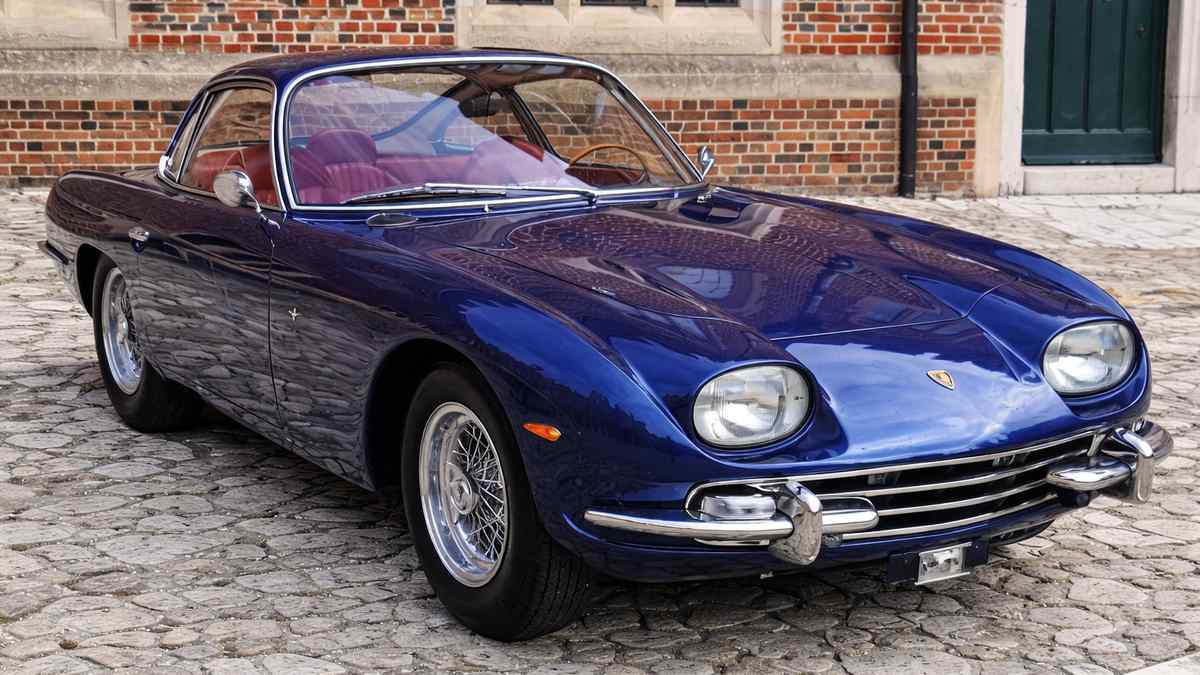
The modern automobile industry has grown into a massive global business, but every famous car company had to begin somewhere. Many of today’s well-known automakers started with simple vehicles that were sometimes experimental, small, or produced in limited numbers. These early models helped establish the companies that would later become major players in the automotive world. While some companies have complicated histories involving mergers and acquisitions that make it difficult to determine their first cars, many others have clear starting points. The vehicles described below represent some of the first cars ever produced by well-known automakers and helped lay the foundation for the companies we recognize today.
Also Read: 20 Inventions We Wouldn’t Have Without Space Travel
Ford Model A (1903)
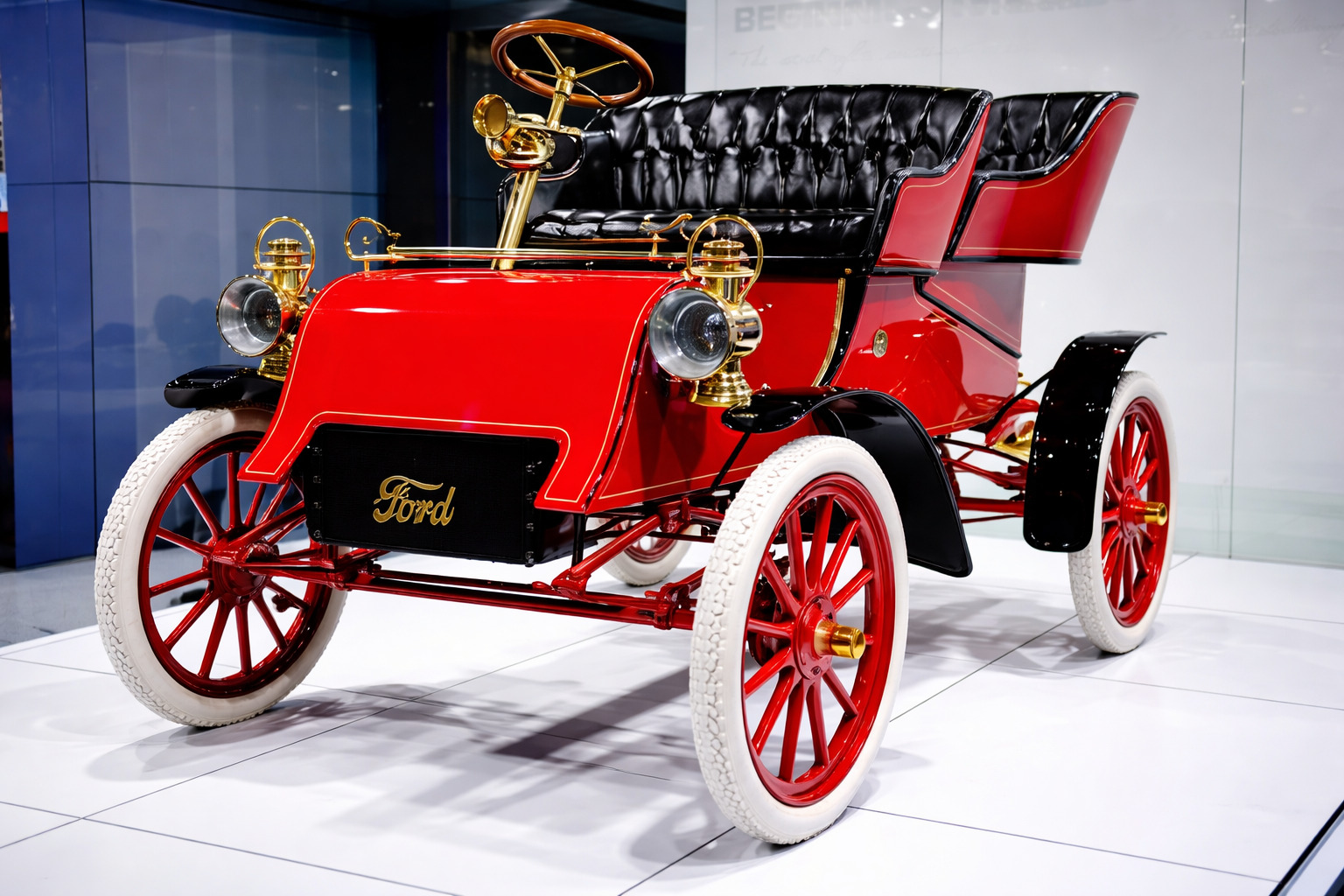
The Ford Motor Company is most commonly associated with the famous Model T, which sold more than 15 million units and revolutionized automobile manufacturing. However, the Model T was not Ford’s first vehicle. The company’s first production car was the Ford Model A, which was introduced in 1903, the same year the Ford Motor Company was founded by Henry Ford. The name “Model T” itself indicates that several earlier models existed before it, ranging from Model A through Model S. The 1903 Model A should not be confused with the later Model A that Ford produced in 1927, because the earlier Model A was the company’s very first automobile and marked the beginning of Ford’s history as an automaker. The first Model A was ordered on July 15, 1903, by a Chicago dentist named Ernst Pfenning. The car was powered by a two-cylinder engine that produced about eight horsepower. It had a simple design with a bench seat for two passengers, and buyers could also choose an optional rear tonneau seat that allowed additional passengers to ride in the vehicle. Ford produced more than 670 units of the Model A before the model was discontinued after about a year.
Toyoda G1 Truck (1935)
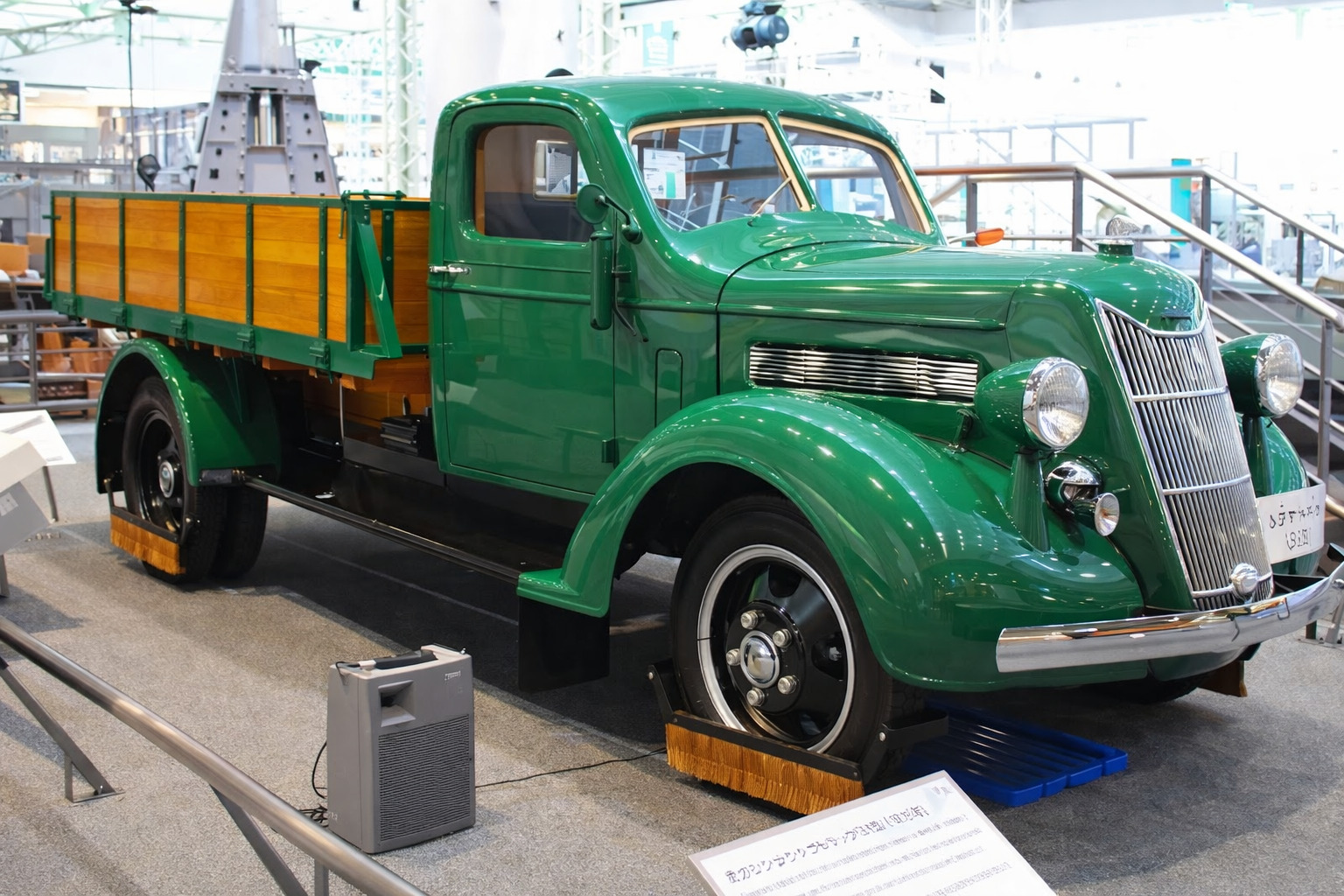
Many people believe Toyota’s first vehicle was the Toyoda Model AA sedan, which was the company’s first passenger car. However, Toyota’s first production vehicle was actually the Toyoda G1 truck, which appeared shortly after the company decided to begin building automobiles in 1933. When Toyota began developing its first vehicles, its engineers carefully studied existing American trucks to help accelerate their progress. In particular, they examined a 1934 Ford truck and used it as inspiration when designing the chassis for the G1. The company also developed its engine based partly on the design of a 1933 Chevrolet engine. The first prototype of the G1 truck was completed in August 1935, and it was officially presented to the public in November 1935. At the time, Toyota did not yet have an established dealership network, which made selling the truck somewhat difficult. Despite these challenges, the G1 truck represented the beginning of Toyota’s journey into the automotive industry, and over the decades that followed, Toyota would grow into one of the largest automobile manufacturers in the world.
Honda T360 Mini Truck (1963)
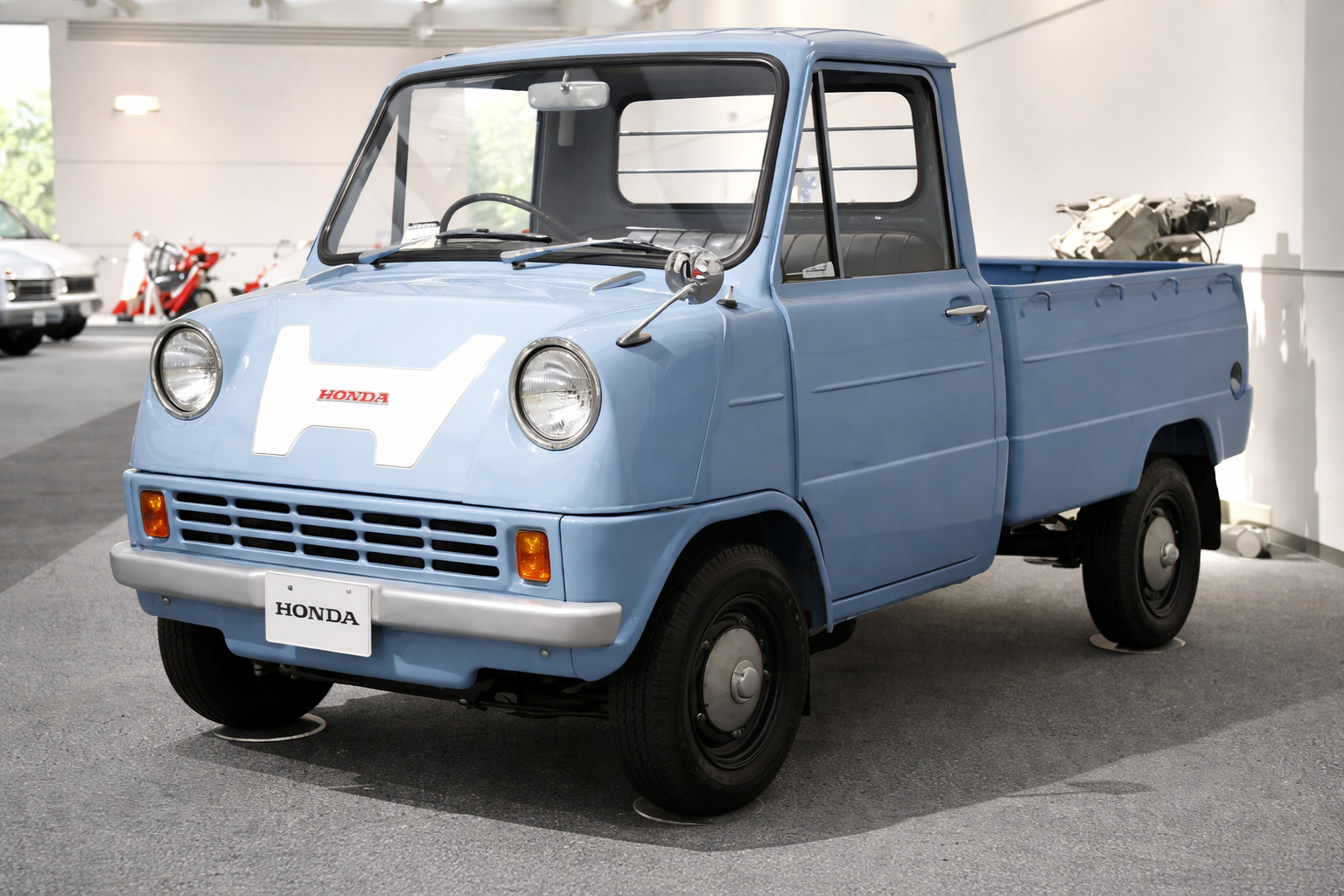
Many people believe that the Honda S500 sports car was the company’s first automobile, but Honda’s first four-wheeled vehicle was actually a small utility truck called the Honda T360, which was introduced in August 1963. The S500 sports car was released only two months later. The T360 mini truck featured a 360-cc double overhead camshaft four-cylinder engine that produced about 30 horsepower at 8,600 rpm. This level of performance was remarkable for such a small engine at the time and reflected Honda’s strong experience in building high-performance motorcycle engines. The truck had a rear-wheel-drive layout and a mid-engine design, which was an unusual configuration for a truck. Despite its small size, the vehicle could reach a top speed of approximately 60 miles per hour. Honda also produced a slightly larger version called the T500, which offered about eight additional horsepower. These vehicles helped Honda establish itself as an automobile manufacturer after years of success in the motorcycle industry.
Tesla Roadster (2008)
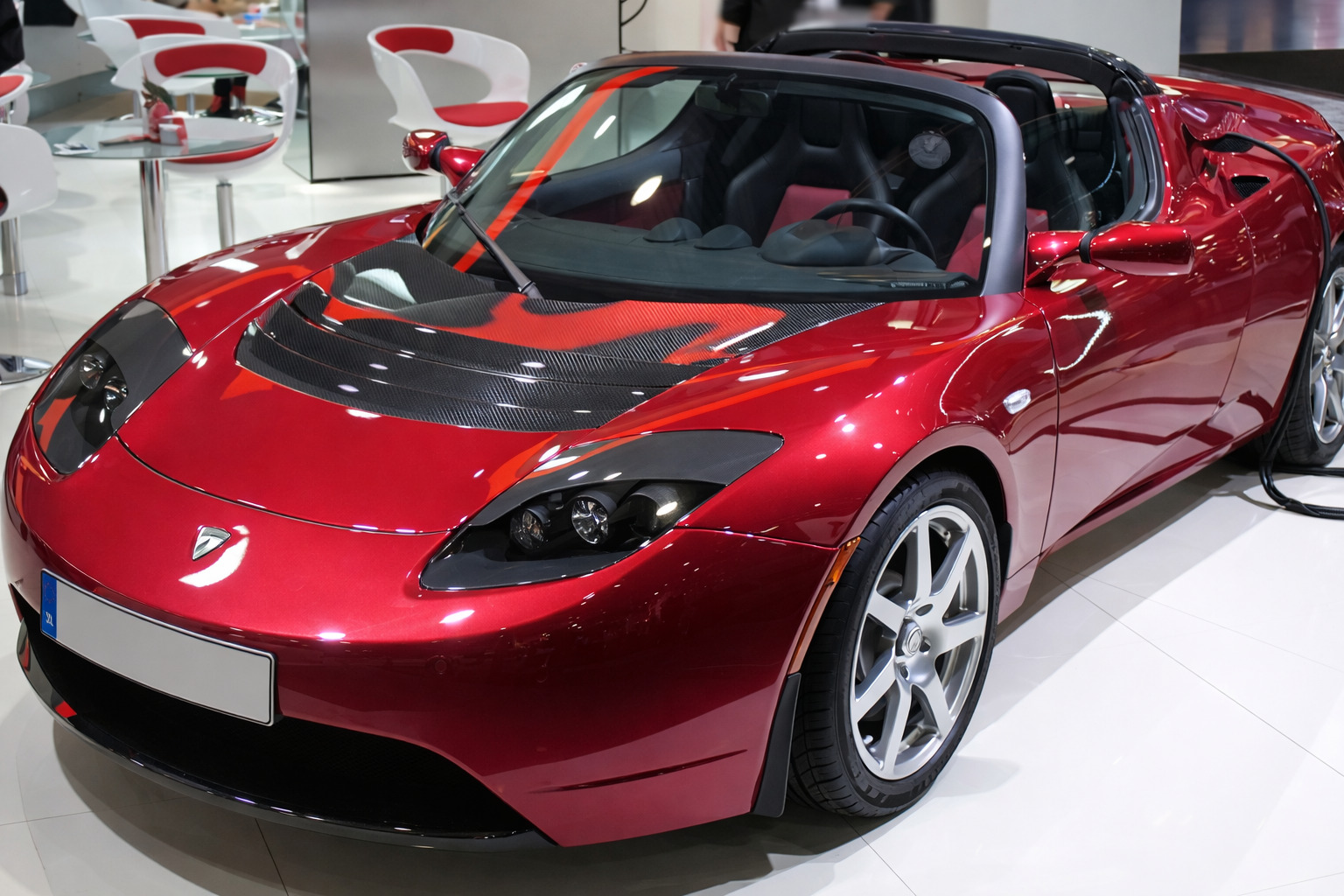
Tesla entered the automotive industry much later than most traditional car manufacturers, but it quickly gained attention with its first vehicle, the Tesla Roadster, which was introduced in 2008. The Roadster was an electric sports car that challenged many of the assumptions people had about electric vehicles. The car was built on a Lotus chassis and had a limited production run of around 2,400 vehicles. Although the number produced was relatively small, the Roadster played a crucial role in demonstrating that electric vehicles could be fast, exciting, and practical. The Roadster was powered by a 248-horsepower electric motor and could accelerate from 0 to 60 miles per hour in about 4.4 seconds. At the time, many reviewers believed that the car proved electric vehicles could be a serious alternative to traditional gasoline-powered cars, even though the technology was still evolving.
Also Read: The History of Apple: From a Garage Startup to a 50-Year Technology Giant
Ferrari 125 S (1947)
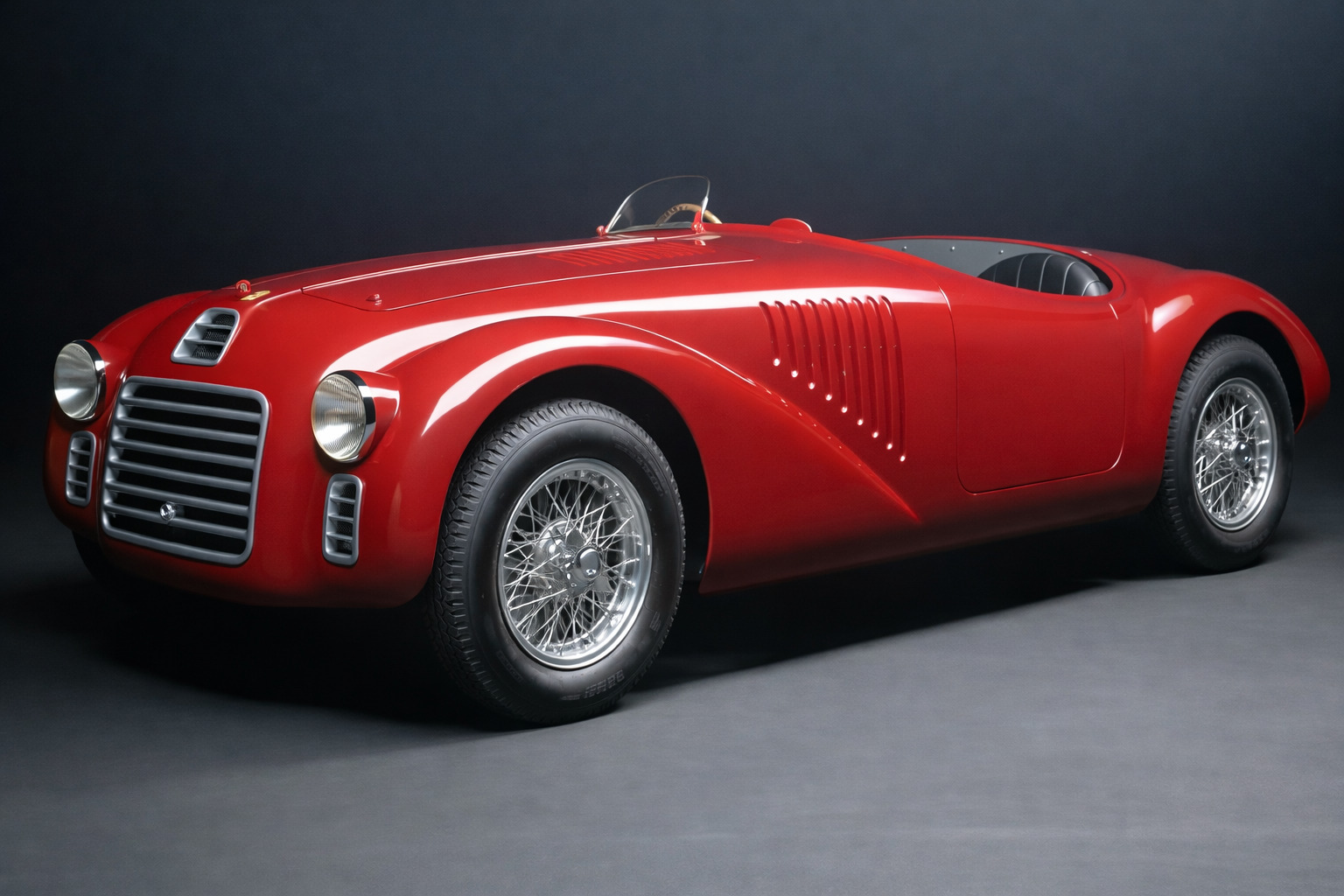
Ferrari’s origins are closely connected to the racing career of its founder, Enzo Ferrari, who spent many years managing racing teams for Alfa Romeo before establishing his own company. The first car to carry the Ferrari name was the Ferrari 125 S, which was introduced in 1947. Only two examples of the 125 S were built, and they were designed primarily for racing rather than everyday road use. Shortly after its debut, the car achieved early success in motorsports. Within two weeks of its introduction, one of the vehicles won the Grand Prix of Rome, marking the beginning of Ferrari’s long and successful racing history. The Ferrari 125 S was powered by a 1.5-liter V12 engine designed by Gioacchino Colombo, which produced approximately 118 horsepower at 6,800 rpm. The car was capable of reaching a top speed of about 210 kilometers per hour, or roughly 130 miles per hour, which was extremely impressive for the time.
Lamborghini 350 GT (1964)
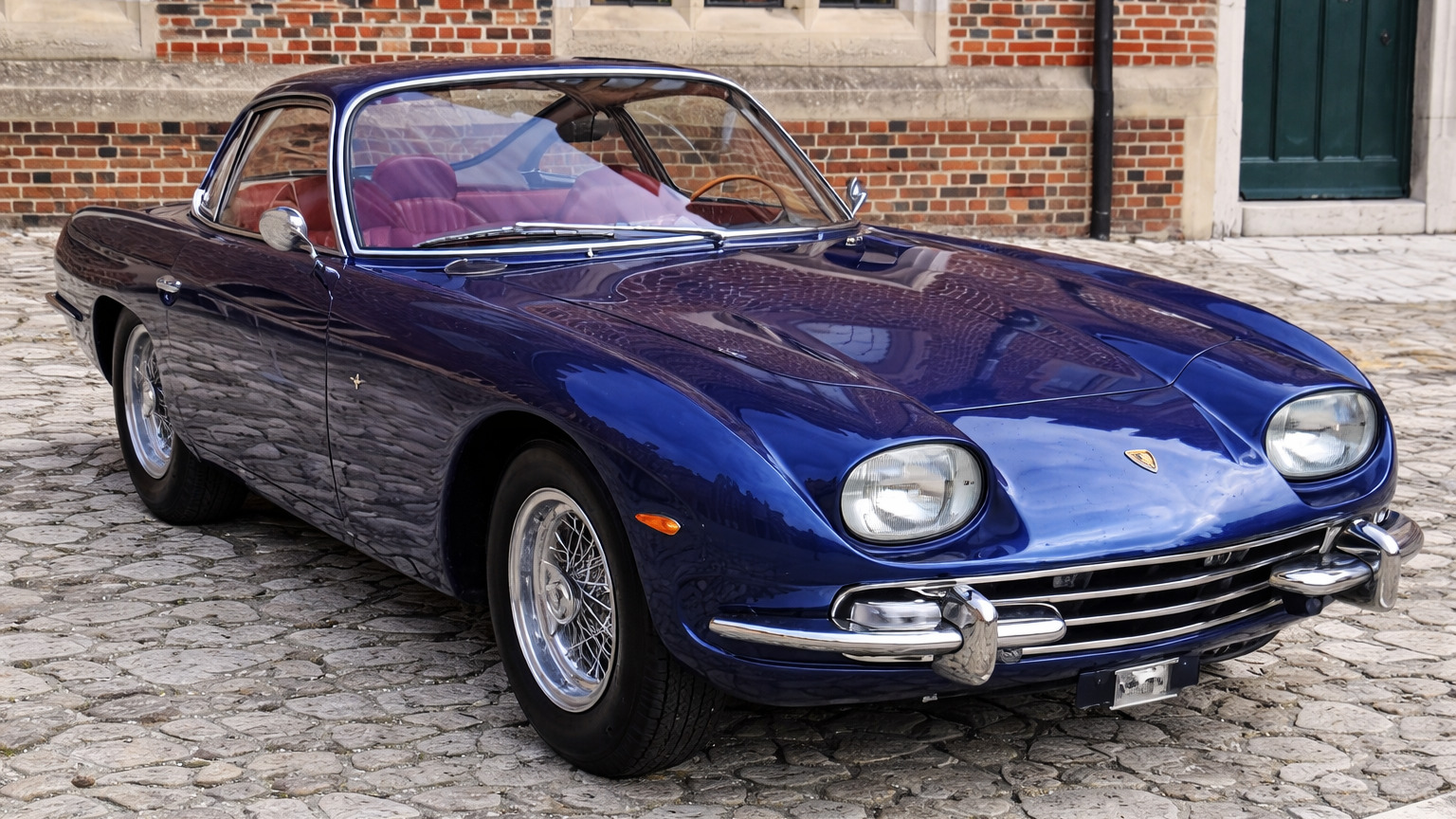
The founding of Lamborghini as a car manufacturer is often associated with a famous story involving its founder, Ferruccio Lamborghini, and Enzo Ferrari. According to legend, Lamborghini complained to Ferrari about problems with the clutch in his Ferrari car. Ferrari reportedly dismissed his concerns and suggested that Lamborghini should focus on building tractors instead. This incident motivated Ferruccio Lamborghini to create his own sports car company. The company first revealed a prototype called the 350 GTV in 1963, and the first production model, the Lamborghini 350 GT, was introduced in 1964. The 350 GT featured advanced engineering for its time, including independent suspension, anti-roll bars, and disc brakes. It was powered by a 3.5-liter aluminum V12 engine that produced approximately 280 horsepower. The car could accelerate from 0 to 60 miles per hour in about 6.8 seconds. Only 150 units of the Lamborghini 350 GT were produced, but the car successfully established Lamborghini as a serious competitor in the sports-car market.
Mercedes-Benz Patent-Motorwagen (1886)
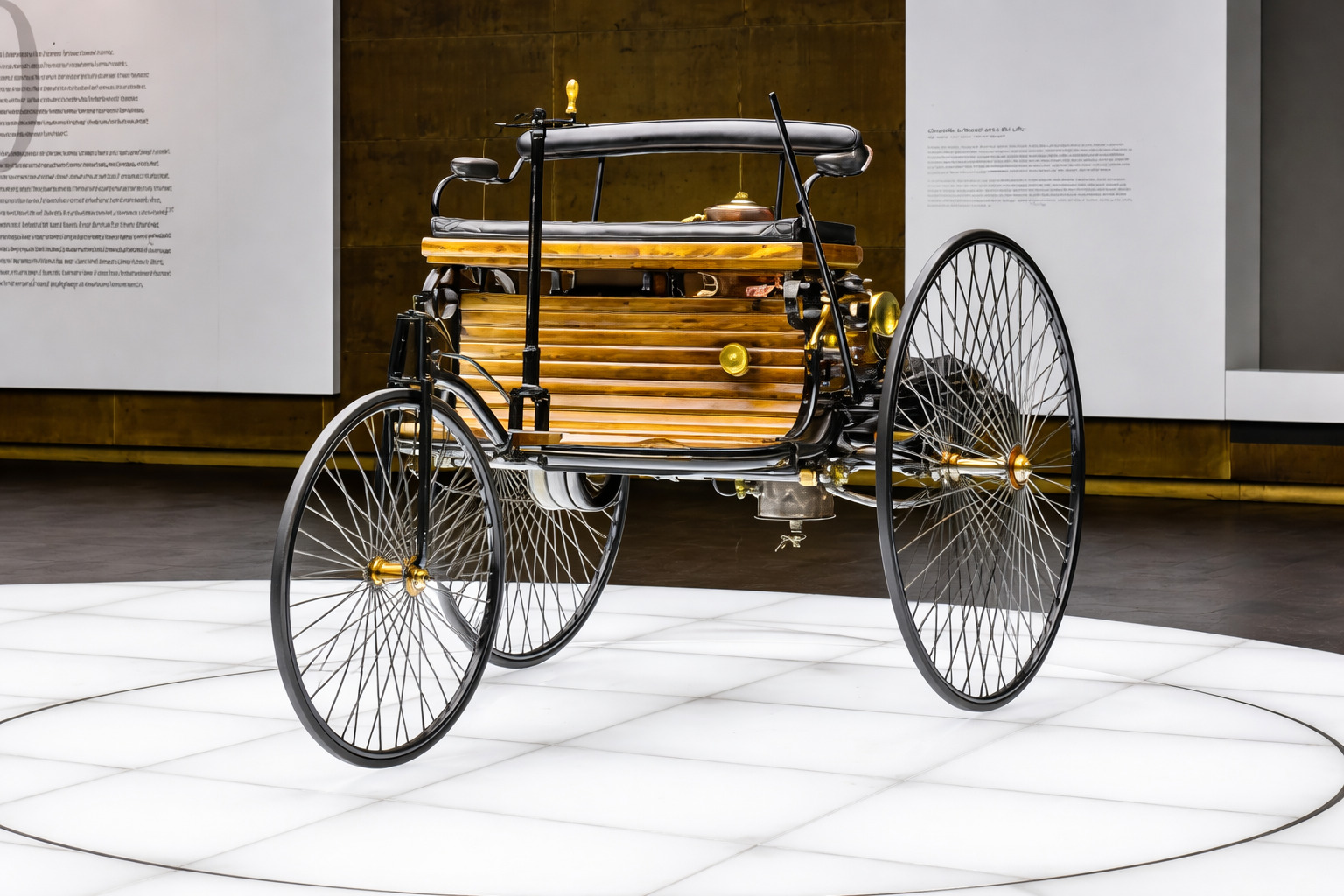
The origins of Mercedes-Benz trace back to one of the most important inventions in the history of transportation. In 1886, German engineer Karl Benz created the Benz Patent-Motorwagen, which is widely regarded as the world’s first gasoline-powered automobile. Although the Mercedes-Benz brand did not yet exist at the time, Karl Benz’s company, Benz & Cie., later merged with Daimler Motoren Gesellschaft to form Daimler-Benz, which eventually became Mercedes-Benz. The Motorwagen used a single-cylinder four-stroke engine that produced about 0.75 horsepower. Only 25 units were built between 1886 and 1893. The vehicle gained international attention when Bertha Benz, Karl Benz’s wife, completed a 120-mile round-trip journey, demonstrating that the automobile could serve as a practical form of transportation.
Volkswagen Type 1 Beetle (1930s / Post-War Production)
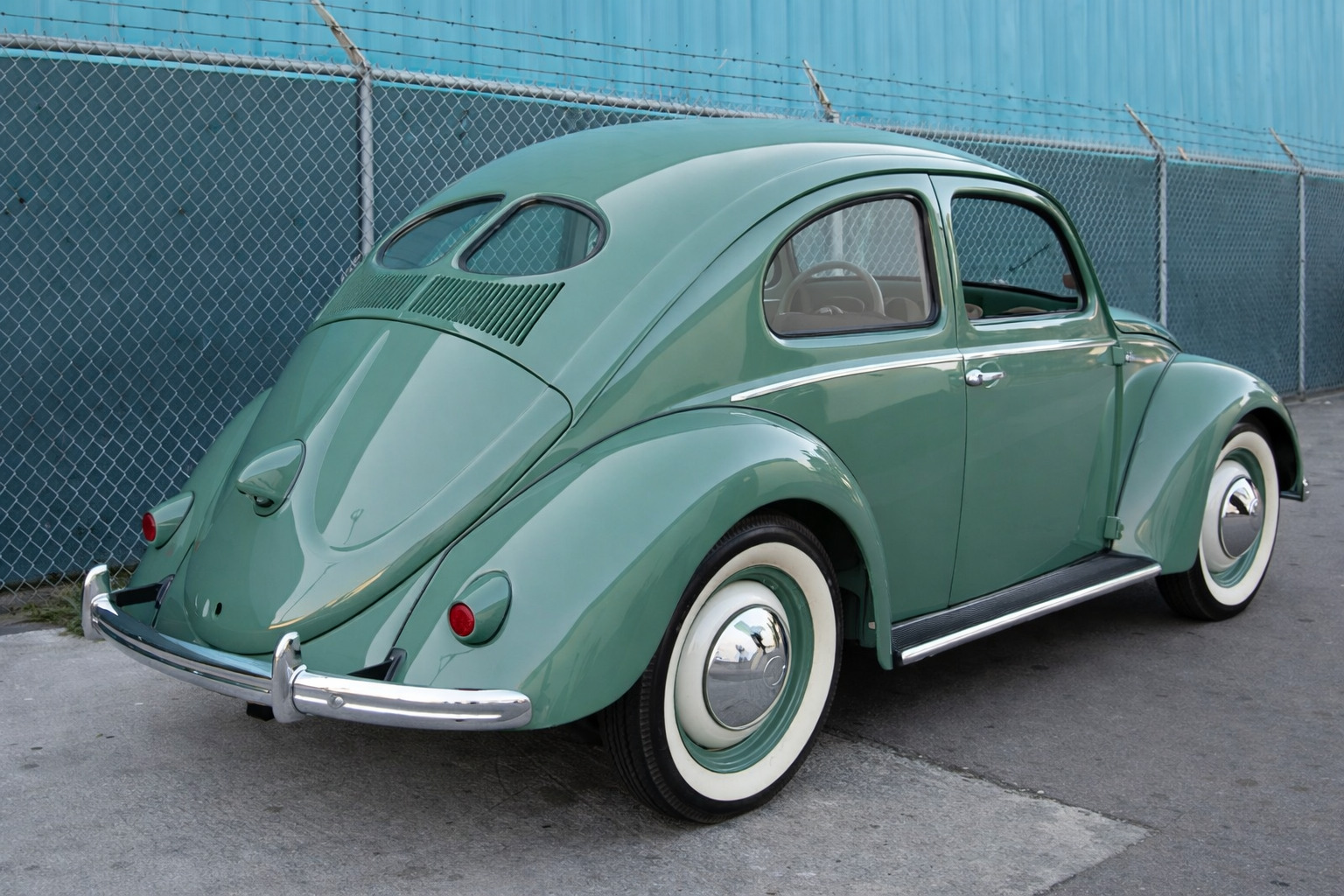
The Volkswagen Beetle, officially known as the Volkswagen Type 1, is one of the most recognizable cars ever produced. The project to create the Beetle began in the 1930s, when automotive engineer Ferdinand Porsche was tasked with designing an affordable “people’s car.” Prototype versions of the Beetle were tested beginning in 1936, but large-scale production was delayed due to World War II. After the war ended, production resumed, and the Beetle gradually became popular across Europe and eventually the United States. The Beetle featured a rear-mounted air-cooled engine and a simple, durable mechanical design. Over time, it became one of the best-selling cars in history, with approximately 21 million units produced worldwide. Production of the Beetle continued until 2003 in Mexico, giving it one of the longest production runs of any automobile.
Also Read: 12 Cars That Saved Carmakers From Going Bankrupt
Nissan Datsun Type 12 Phaeton (1933)
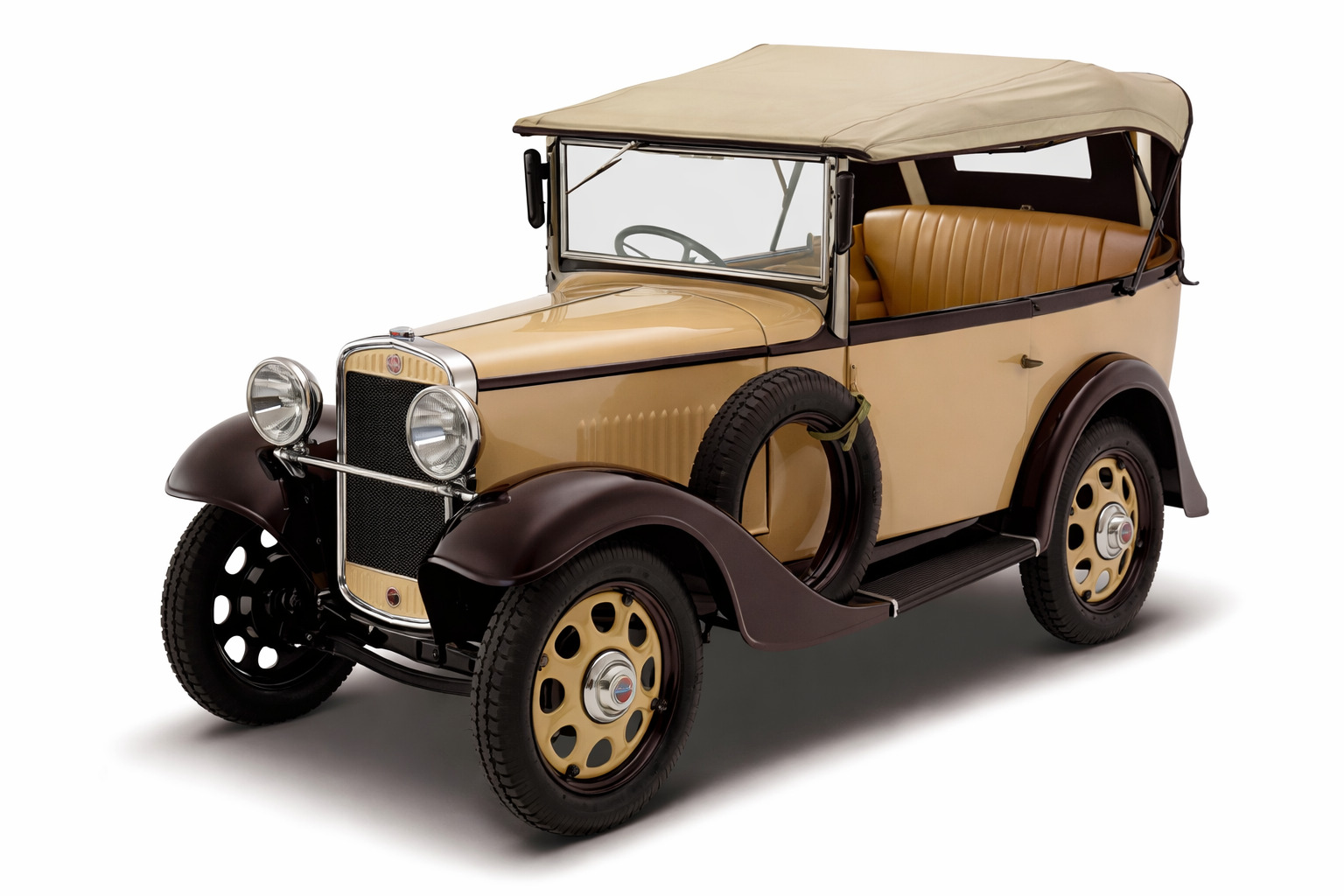
The early history of Nissan is closely connected to the companies DAT and Datsun, which were early Japanese automobile manufacturers. After the Nissan Motor Company was established in 1933, it took control of Datsun’s automobile production. One of the earliest models produced under this arrangement was the Datsun Type 12 Phaeton, a four-seat convertible vehicle with a soft top. The car was powered by a 0.75-liter water-cooled four-cylinder engine that produced about 12 horsepower. The vehicle had a top speed of around 35 miles per hour. Today, an example of the Datsun Type 12 Phaeton can be seen in the Nissan Heritage Collection in Kanagawa, Japan, where it is preserved as an important part of the company’s history.
Hyundai Pony (1975)
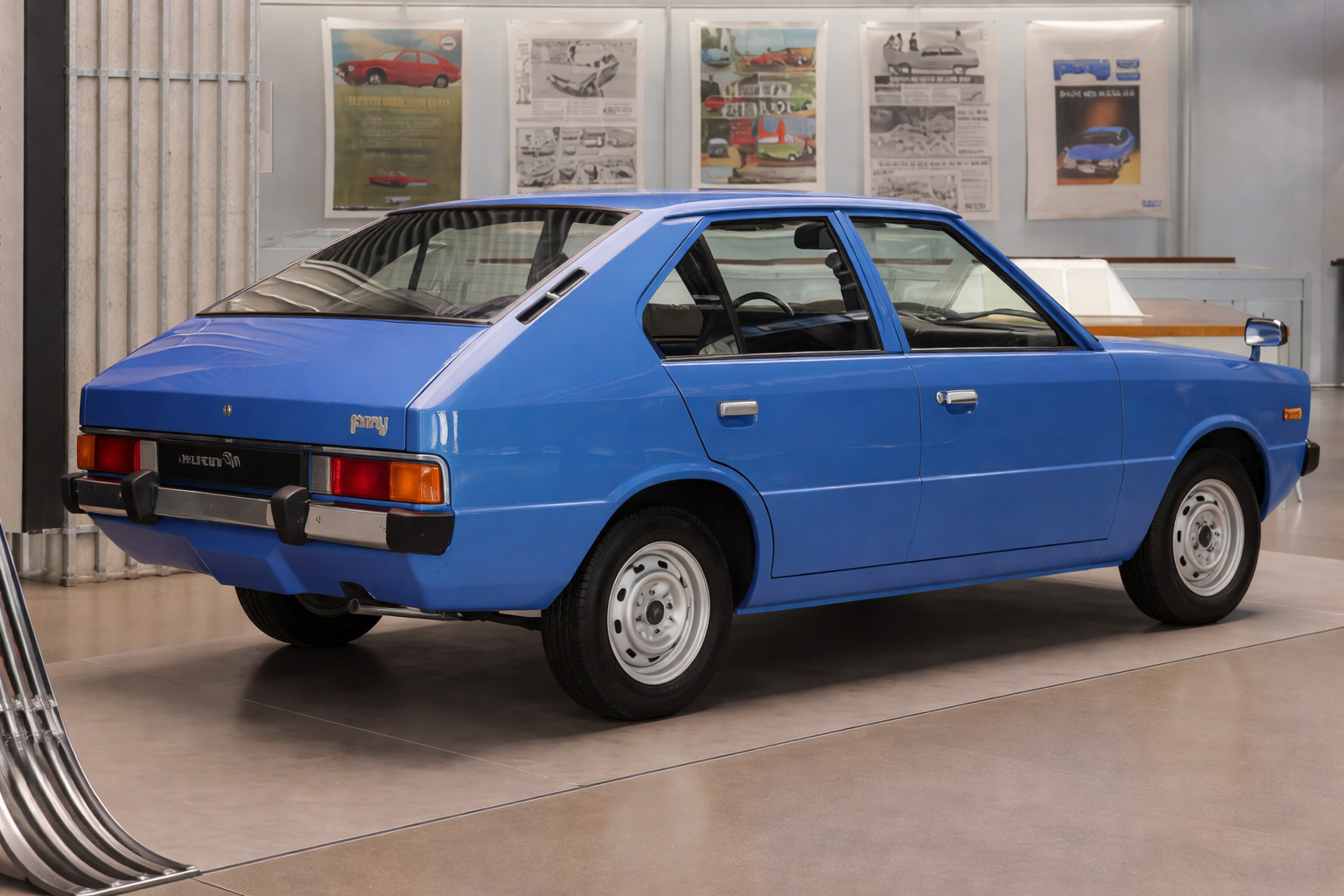
Hyundai originally began as a construction company before expanding into the automobile industry. In the early stages of its automotive efforts, the company assembled vehicles such as the Ford Cortina from imported kits. Eventually, Hyundai decided to create its own car, which led to the development of the Hyundai Pony, introduced in 1975. The project involved assistance from George Turnbull, a former executive at British Leyland. The Pony’s design was influenced by the Morris Marina, and it used engines supplied by Mitsubishi. The exterior styling was created by the famous Italian designer Giorgetto Giugiaro. The car was available in several body styles, including sedan, hatchback, and utility coupe versions. Its 1.4-liter engine produced about 70 horsepower. Although the Pony was not particularly powerful, it sold well in export markets, particularly in Canada, helping Hyundai establish itself as a global automobile manufacturer.
Rolls-Royce 10 H.P. (1904)
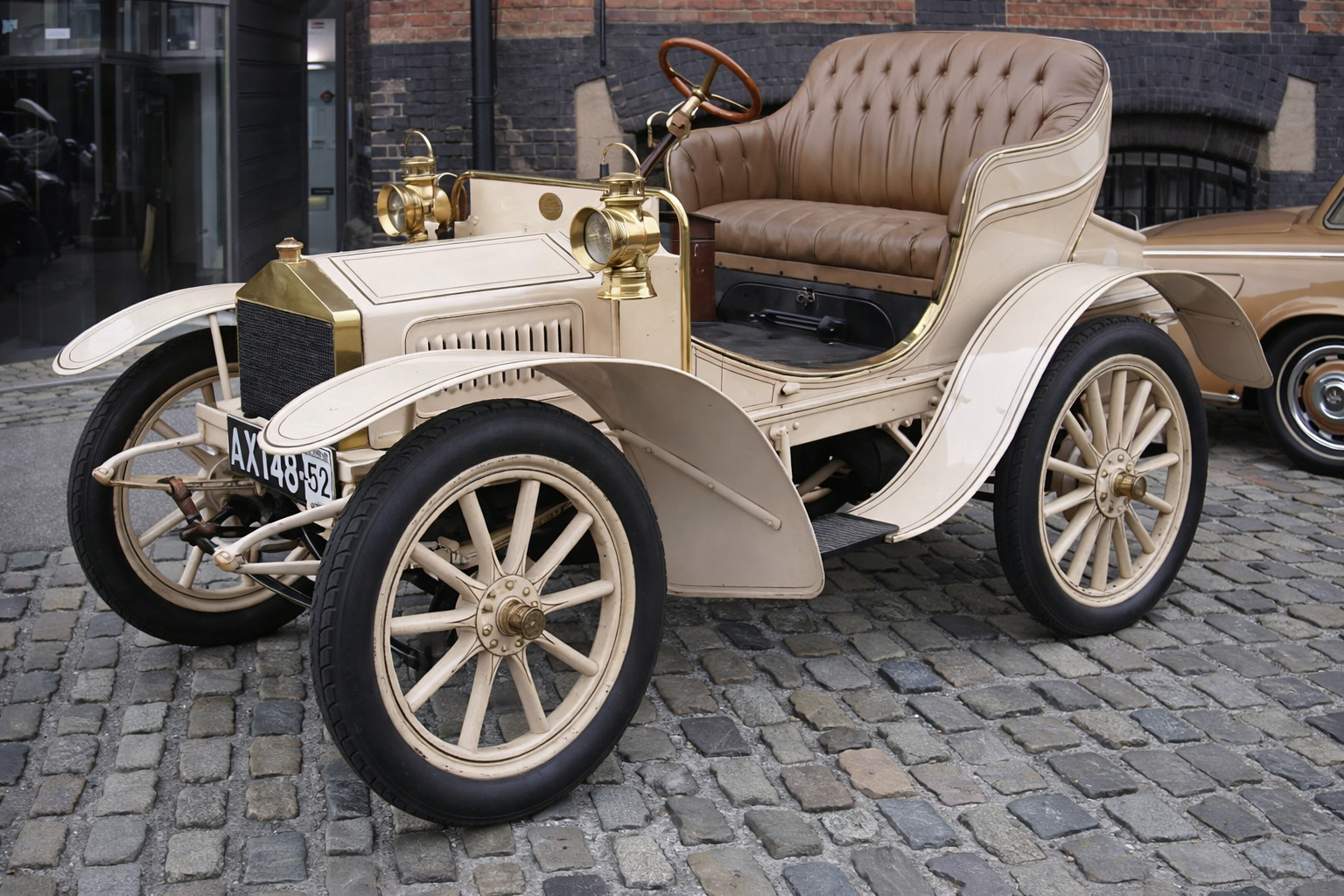
The Rolls-Royce company was founded through the partnership of Henry Royce, an engineer from Manchester, and Charles Stewart Rolls, a London automobile dealer. The company’s first car was the Royce 10 H.P., which Henry Royce built in April 1904. Royce based the design partly on a French Decauville car, but he significantly improved the engineering and reliability. Shortly after building the car, Royce met Charles Rolls, who was impressed by its quality and agreed to sell as many cars as Royce could produce. Their partnership led to the creation of the Rolls-Royce brand, which would eventually become famous for producing some of the world’s most luxurious automobiles. The 10 H.P. established the company’s early reputation for precision engineering and high-quality craftsmanship.
BMW Dixi 3/15 PS DA 1 (1928)
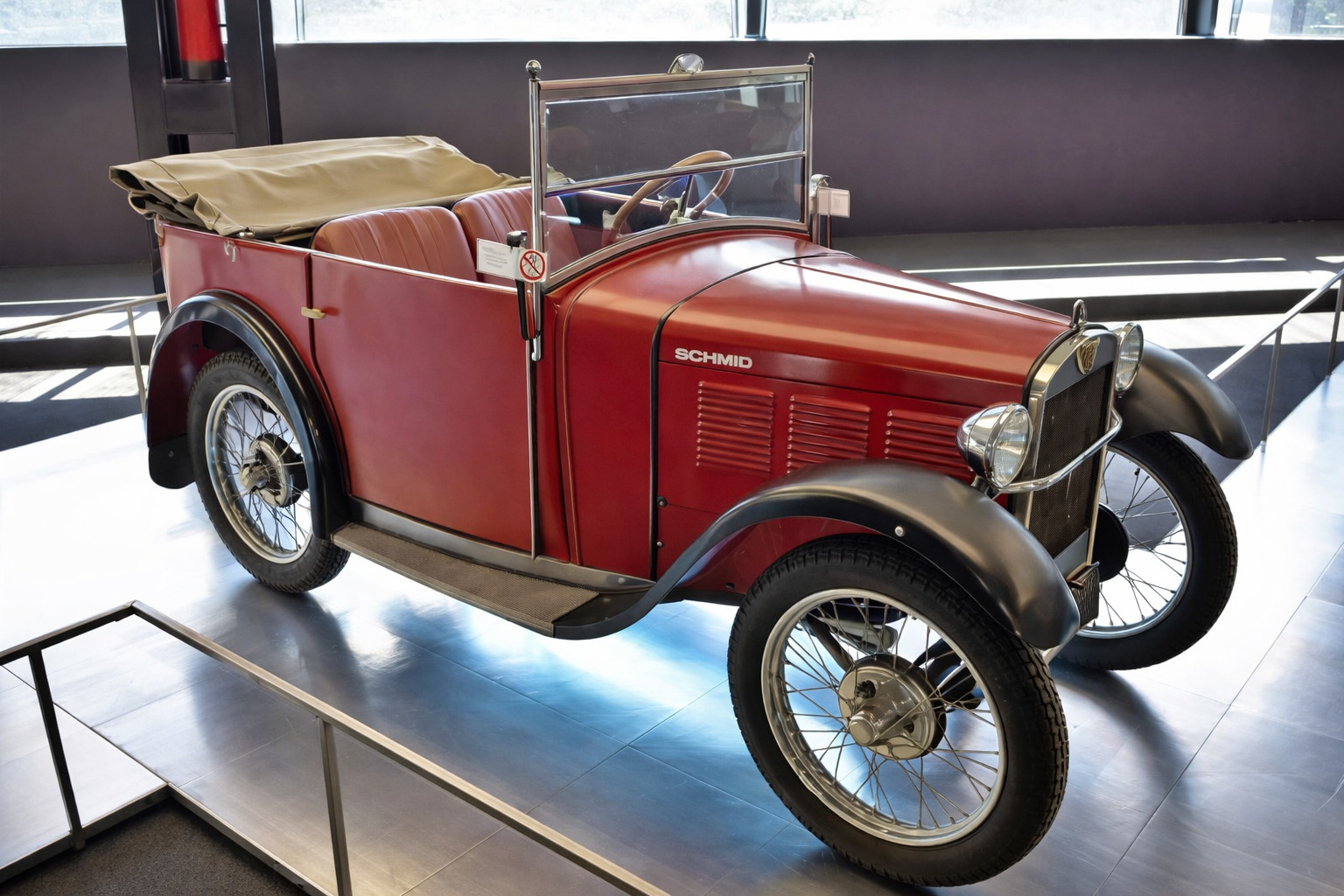
BMW originally focused on producing aircraft engines, but restrictions imposed after World War I forced the company to diversify its business. BMW began producing motorcycles and eventually entered the automobile market. The company acquired a small manufacturer called Dixi, which had been producing a licensed version of the Austin Seven. In 1928, BMW continued production of this vehicle under the name Dixi 3/15 PS DA 1. The numbers in the car’s name referred to its taxable horsepower rating and actual horsepower, while the letters DA stood for “Deutsche Ausführung,” meaning “German version.” Later improvements led to the BMW 3/15 PS DA 2 in 1929, which included features such as four-wheel brakes and upgraded interior equipment. These early vehicles marked the beginning of BMW’s long history as a car manufacturer.
Comments (0)
Log in to share your thoughts
No comments yet
Be the first to share your thoughts!