Throughout automotive history, many car companies have faced financial crises where their survival depended on the success of a single vehicle. In such moments, one well-designed and well-timed model can change the entire future of a company. These vehicles are not just successful products; they are lifelines that helped manufacturers recover from serious financial problems, rebuild their reputation, and secure their long-term survival. Some of these cars introduced completely new vehicle segments, while others modernized outdated lineups or attracted entirely new groups of customers. The following twelve cars played a crucial role in saving their manufacturers from potential bankruptcy.
Also Read: How Rolls-Royce Ran on Fuel Made from Plastic Waste
Ford Taurus
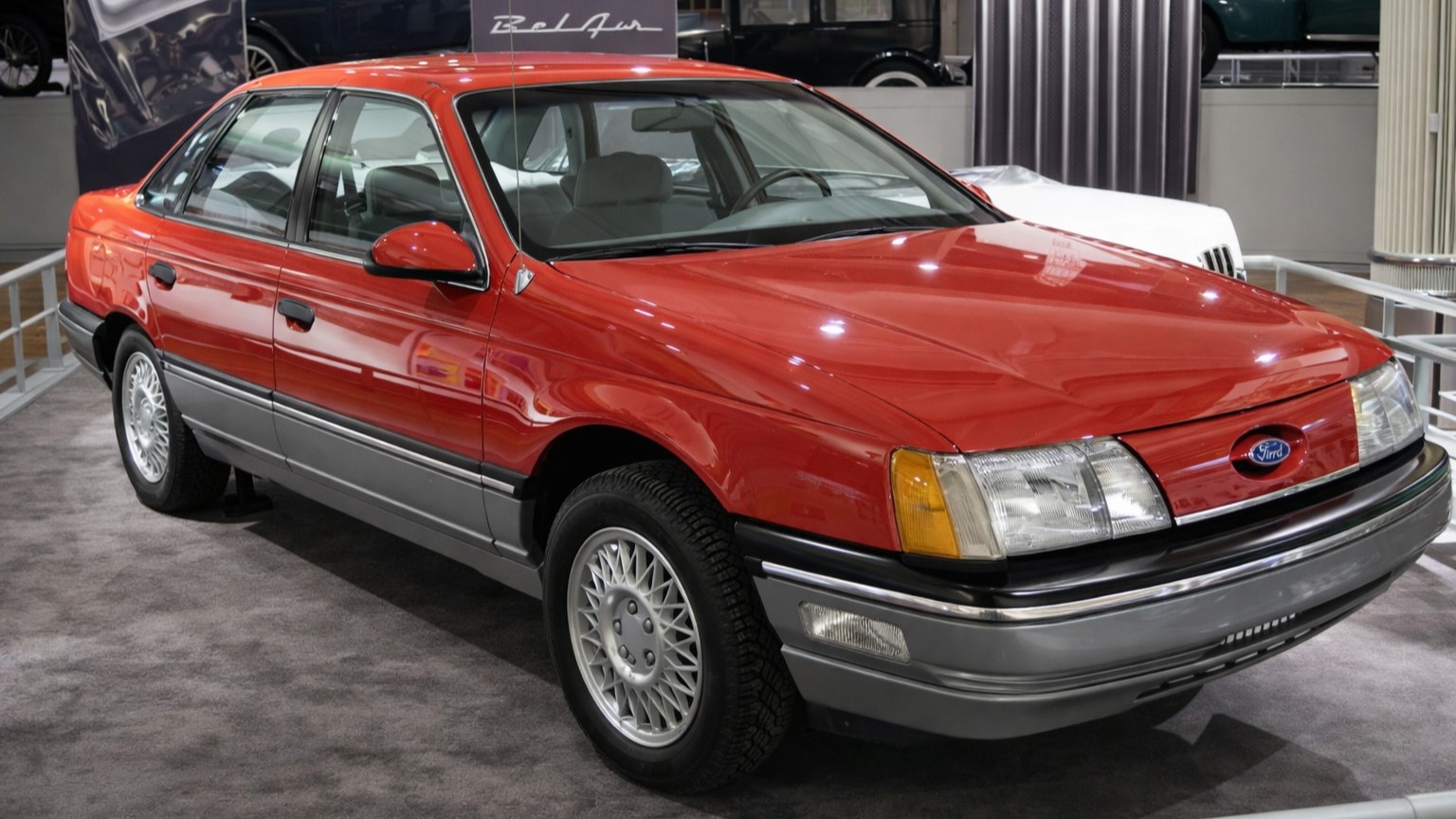
In the early 1980s, Ford Motor Company was struggling financially and losing market share to Japanese competitors that offered more modern and fuel-efficient vehicles. To reverse this trend, Ford invested approximately $3 billion into the development of a completely new mid-size sedan. The result was the Ford Taurus, which was introduced in December 1985 as a 1986 model. The Taurus stood out immediately because of its aerodynamic “jellybean” shape, which was very different from the boxy designs that dominated American roads at the time. In addition to its futuristic styling, the car featured front-wheel drive, improved fuel efficiency, and modern engineering that made it feel far more advanced than many competing vehicles. The gamble proved successful as the Taurus quickly became extremely popular with buyers. By 1992, it became the best-selling passenger car in the United States, proving that American customers were ready for modern design and improved efficiency. The strong sales helped Ford return to profitability and reshape the American sedan market. The Taurus ultimately became one of the most important vehicles in Ford’s history and demonstrated that innovation could save a struggling automaker.
Chrysler Minivan
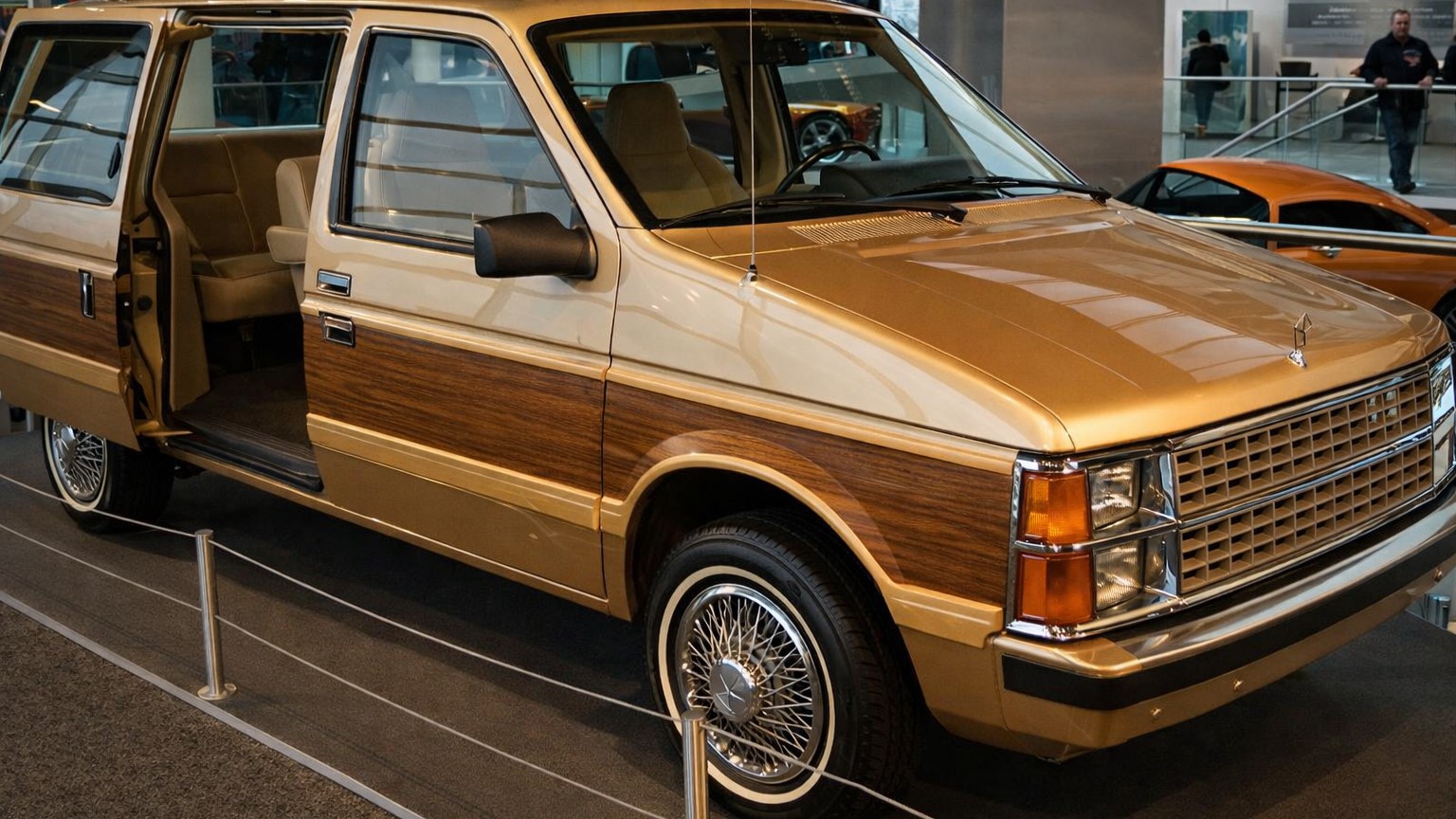
During the late 1970s and early 1980s, Chrysler Corporation was facing severe financial problems and was close to collapse. The company required government-backed loans to survive. Under the leadership of CEO Lee Iacocca, Chrysler developed an entirely new type of family vehicle that would eventually become known as the modern minivan. In November 1983, the company introduced the 1984 Dodge Caravan and Plymouth Voyager. These vehicles combined the comfort and easy driving experience of a passenger car with the interior space and practicality of a van. Families quickly embraced the concept because the vehicles offered sliding doors, flexible seating, and plenty of cargo space without the bulk of traditional vans. The response from consumers was immediate, and Chrysler sold over 200,000 units during the first year. The enormous success of the minivan helped Chrysler recover financially and allowed the company to repay its federally guaranteed loans earlier than expected. For decades afterward, Chrysler dominated the minivan segment, and the Caravan and Voyager became symbols of suburban family life. The invention of the modern minivan played a key role in saving the company from bankruptcy.
Porsche Cayenne
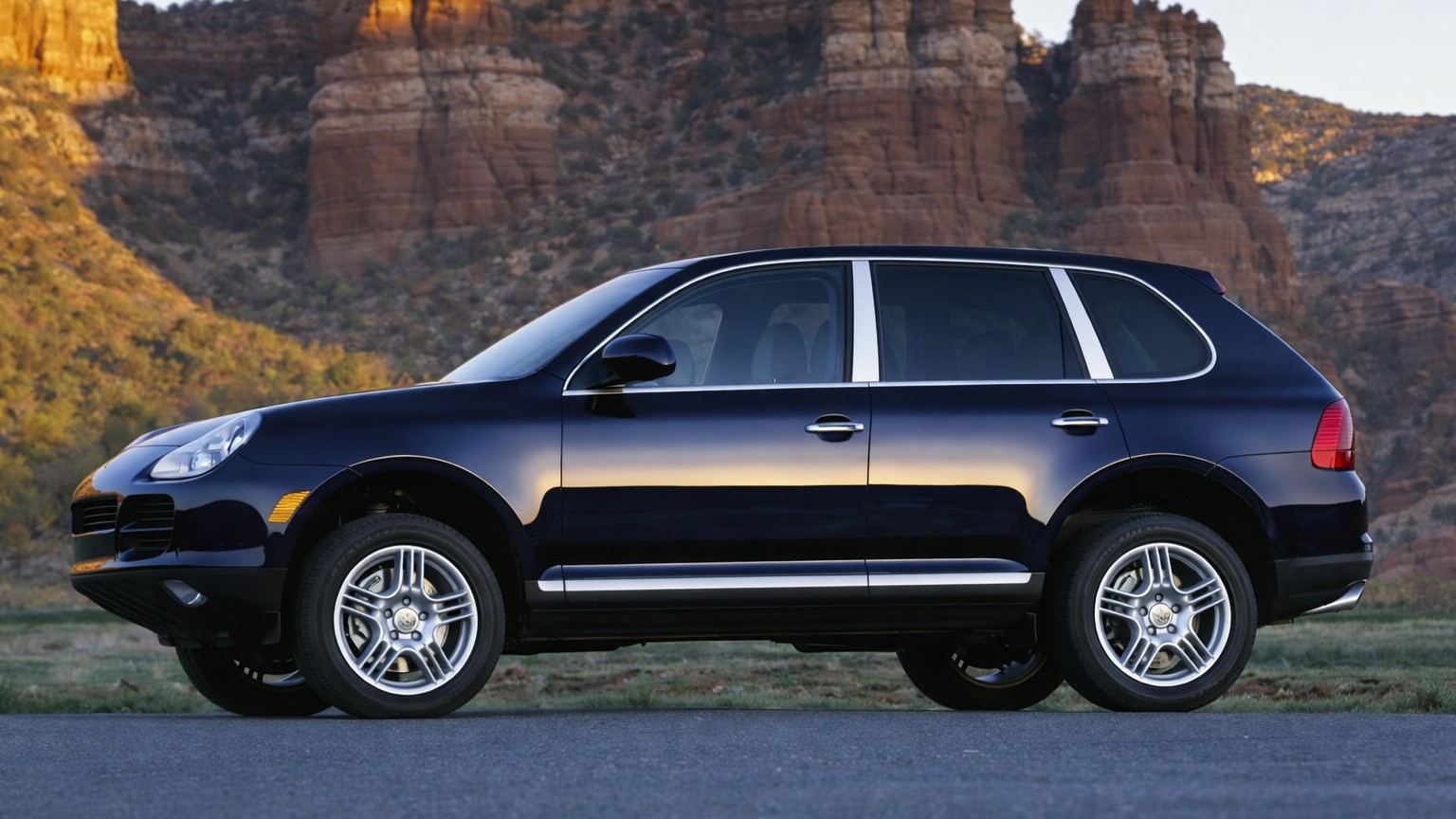
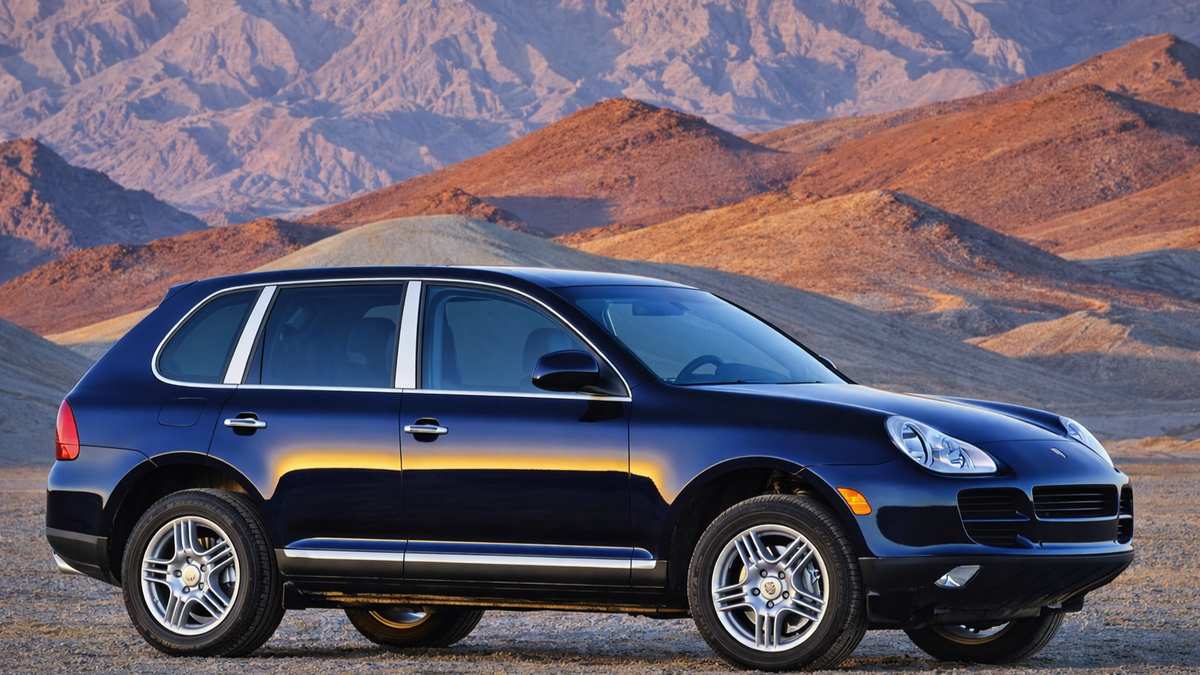
At the end of the 1990s, Porsche relied heavily on the 911 sports car and a small number of other models for its revenue. This limited lineup made the company financially vulnerable, especially during economic downturns. To secure its future, Porsche decided to expand into a completely new market segment by developing an SUV. The Porsche Cayenne was introduced in 2002 for the 2003 model year, and the decision initially shocked many enthusiasts who believed Porsche should only produce sports cars. Despite the criticism, the Cayenne quickly proved to be a major commercial success. The SUV offered a combination of luxury, performance, and practicality that attracted many new customers who might never have considered buying a traditional sports car. By the late 2000s, the Cayenne had become Porsche’s best-selling model and generated a large portion of the company’s profits. The financial success of the Cayenne allowed Porsche to invest in new technologies and continue producing high-performance sports cars. Today, Porsche’s SUVs remain the company’s main source of revenue, proving that the controversial decision ultimately saved the brand.
Subaru Outback
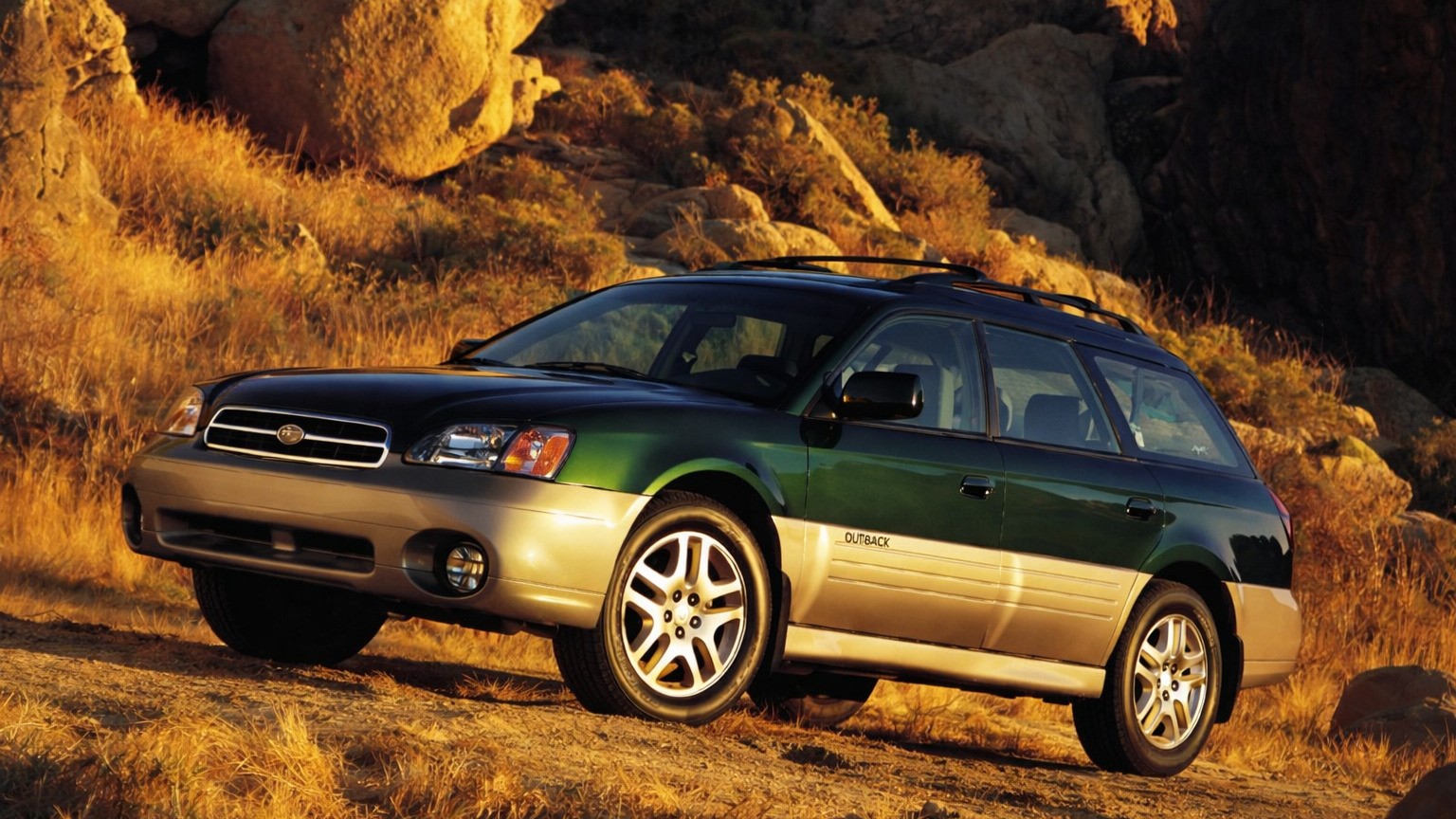
In the early 1990s, Subaru was a relatively small automaker that struggled to gain recognition in the competitive American market. The company needed a product that would differentiate it from other brands and appeal to a specific group of buyers. In 1995, Subaru introduced the Subaru Outback, which was based on the Subaru Legacy wagon but featured increased ground clearance, rugged styling, and protective plastic cladding. Subaru marketed the Outback as an adventure-ready vehicle designed for people who enjoyed outdoor activities. The vehicle struck a perfect balance between the comfort of a passenger car and the capability of an SUV. This concept appealed especially to buyers in regions known for outdoor recreation, including Colorado and the Pacific Northwest. The Outback quickly became one of Subaru’s most popular models and helped establish the brand’s image as a manufacturer of practical, adventure-oriented vehicles. The model’s success provided Subaru with financial stability and allowed the company to expand its product lineup while maintaining its unique identity.
Volkswagen Golf
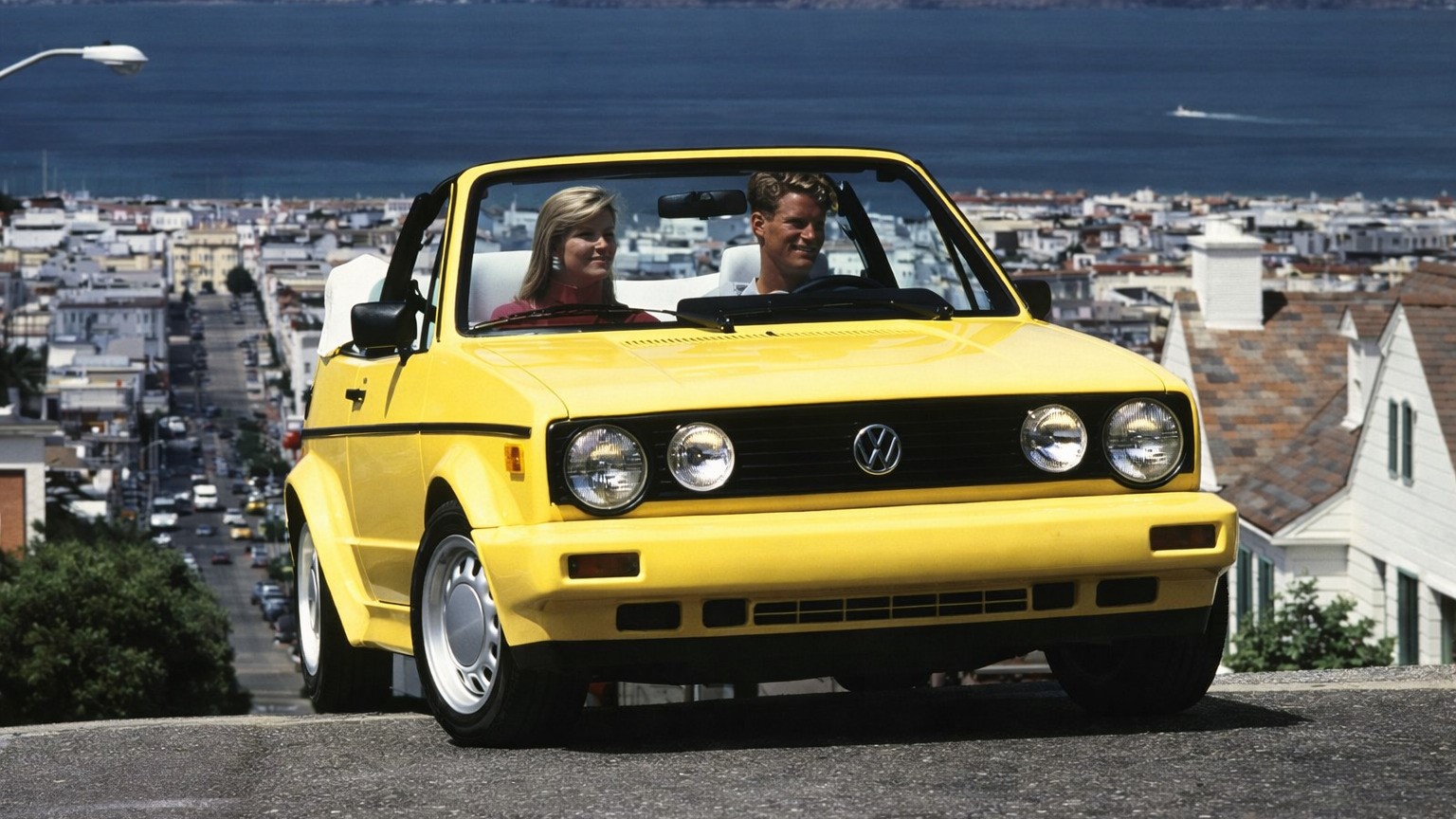
By the early 1970s, Volkswagen faced a major challenge because its iconic Beetle was becoming outdated. The Beetle’s rear-engine design and aging technology made it increasingly difficult to compete with newer vehicles produced by other manufacturers. Volkswagen needed a modern replacement that could carry the company into the future. In 1974, the company introduced the Volkswagen Golf, which represented a dramatic shift in engineering and design. The Golf featured front-wheel drive, a practical hatchback body style, and modern mechanical components that improved efficiency and handling. The vehicle quickly became extremely popular in Europe and other markets around the world. It soon became Volkswagen’s best-selling model and provided the company with the foundation it needed to move beyond the Beetle era. Over the decades, the Golf has evolved through eight generations and remains one of the most successful compact cars ever produced. Its success helped secure Volkswagen’s future during a critical time.
Nissan Qashqai
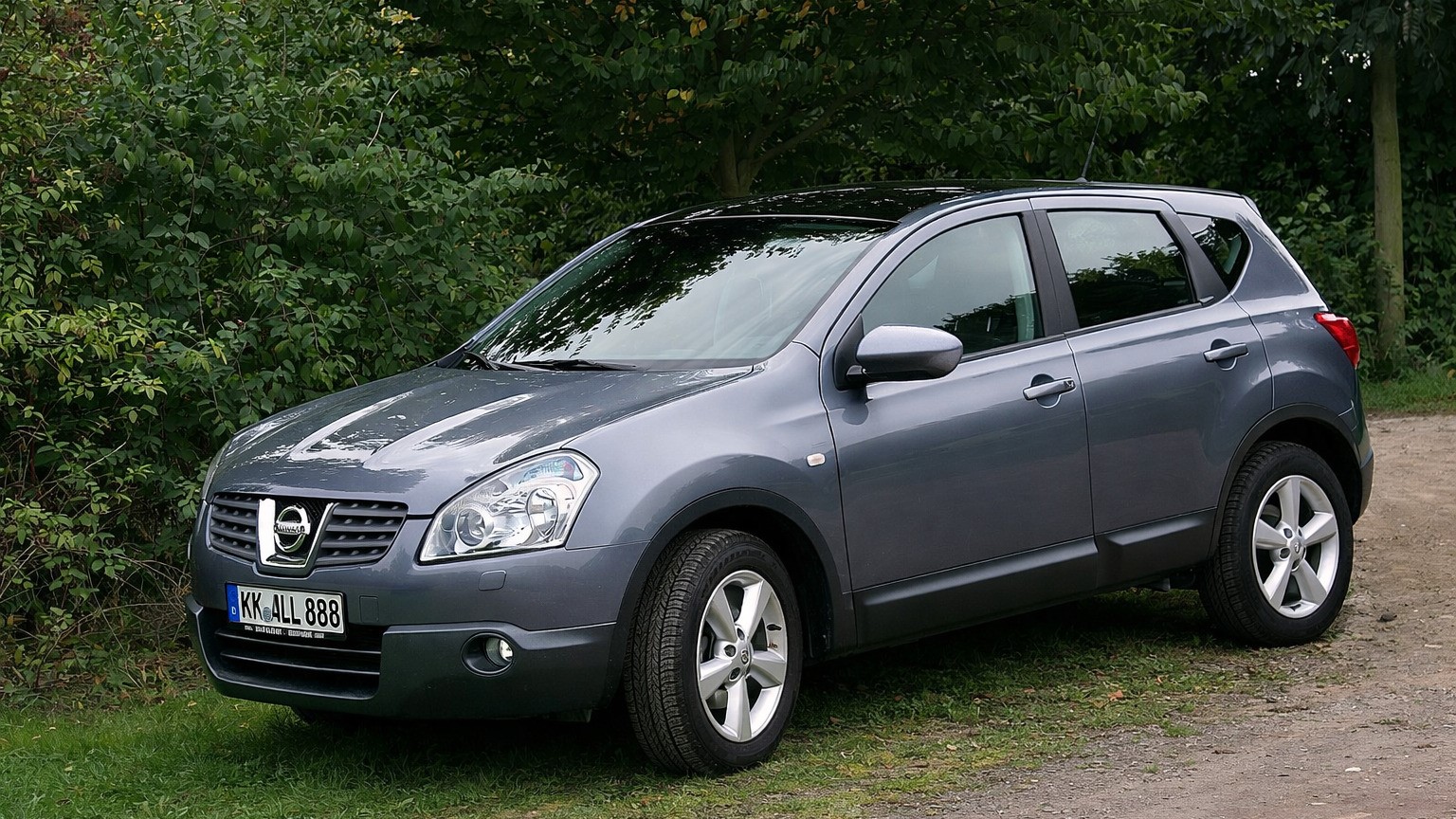
In the early 2000s, Nissan struggled to establish a strong presence in the European market. The company needed a new type of vehicle that would appeal specifically to European customers. The solution was the Nissan Qashqai, which was introduced in 2006 and widely sold beginning in 2007. The Qashqai combined the compact size and efficiency of a hatchback with the elevated driving position and rugged styling of an SUV. This innovative design effectively helped popularize the compact crossover segment in Europe. The vehicle quickly became extremely popular among families because it offered practicality, good fuel economy, and a comfortable driving position without the size or fuel consumption of larger SUVs. The Qashqai soon became one of the best-selling cars in Europe and significantly strengthened Nissan’s position in the region. Its success allowed Nissan to remain competitive and financially stable in one of the world’s most important automotive markets.
BMW 3 Series
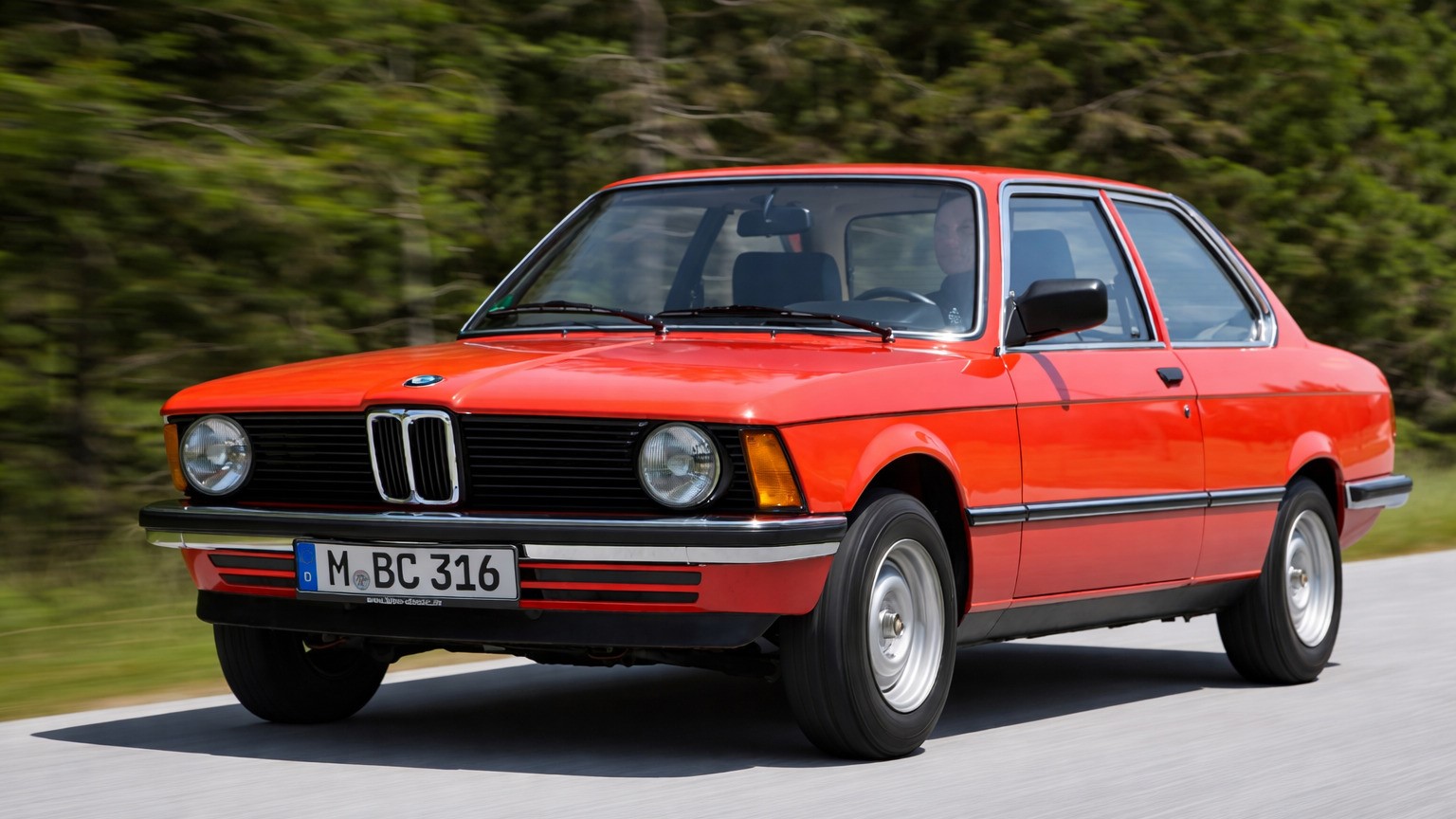
In the early 1970s, BMW was still a relatively small German automaker known primarily for sporty but somewhat niche vehicles. The company needed a model that could attract a broader customer base while maintaining its reputation for performance. In 1975, BMW introduced the BMW 3 Series, which replaced the earlier BMW 2002. The new model defined the concept of the compact sports sedan by combining luxury, performance, and everyday usability. The 3 Series quickly became BMW’s best-selling model and attracted customers who wanted a premium driving experience in a smaller, more practical car. Over the years, the 3 Series established itself as the benchmark for its segment, influencing competitors such as the Audi A4 and Mercedes-Benz C-Class. The strong sales and profits generated by the 3 Series helped BMW expand its product lineup and grow into a global luxury automotive brand.
Fiat 500
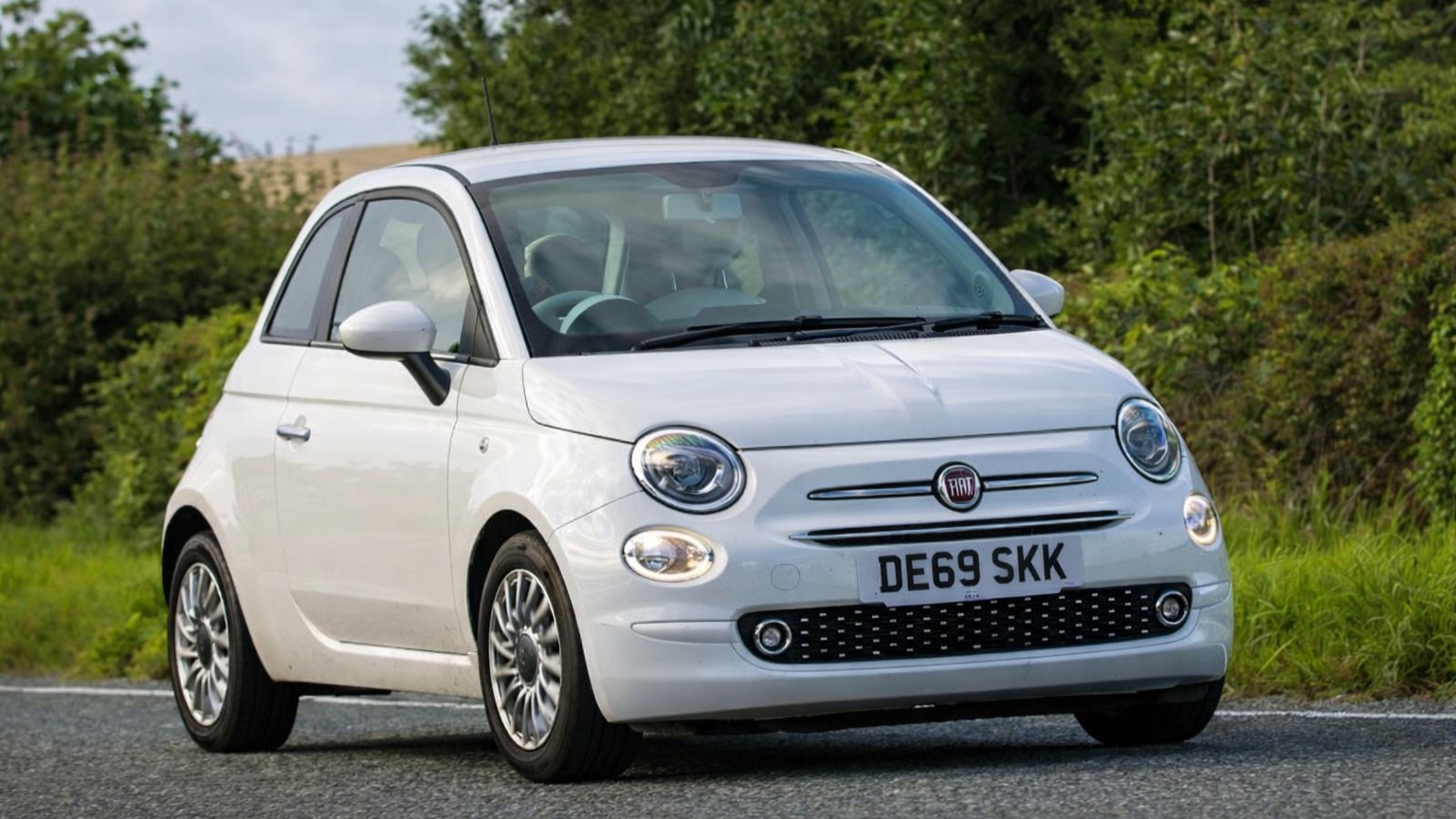
The Fiat 500 was originally introduced in 1957, but the modern version launched in 2007 revived the iconic model at a time when Fiat needed renewed popularity and financial stability. The new Fiat 500 featured retro styling inspired by the original car, combined with modern technology, safety features, and improved performance. Its distinctive design and compact size made it especially appealing to urban buyers who wanted a stylish city car. The vehicle quickly became extremely popular across Europe and other markets. Within its first decade, the modern Fiat 500 sold more than two million units worldwide. Several variants were introduced, including the sporty Abarth performance version and later electric versions. The success of the Fiat 500 helped stabilize the company during the global financial crisis of the late 2000s and strengthened Fiat’s global brand image.
Mazda MX-5 Miata
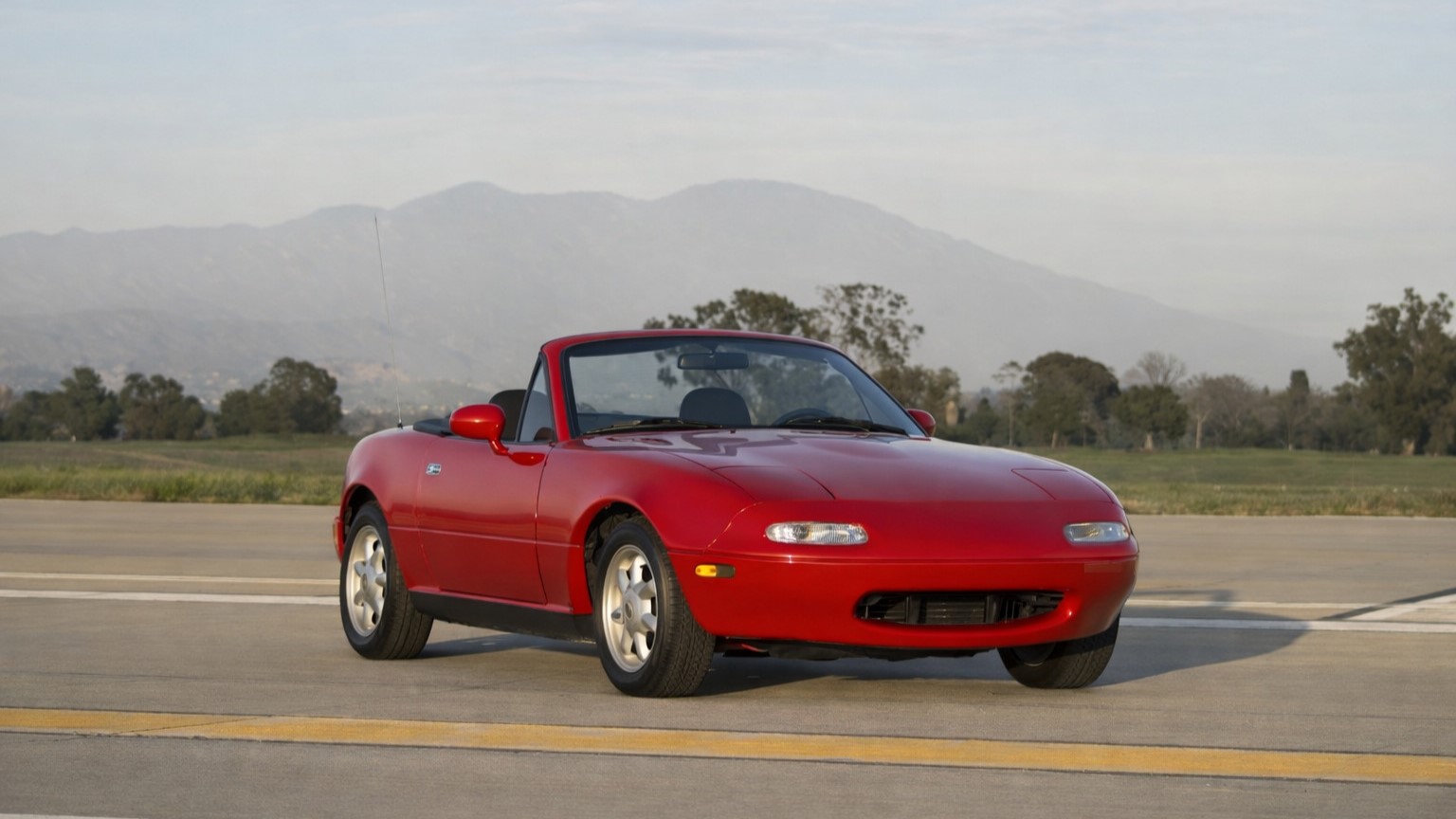
The Mazda MX-5 Miata debuted at the Chicago Auto Show in February 1989 and quickly attracted widespread attention. At the time, affordable two-seat sports cars had almost disappeared from the market. Mazda revived the segment by creating a lightweight roadster that focused on driving enjoyment rather than extreme power. The Miata featured rear-wheel drive, balanced handling, and a relatively affordable price, making it accessible to a wide range of buyers. The car became extremely popular with enthusiasts and eventually became the best-selling two-seat sports car in the world, with over one million units sold globally. Although the Miata was not Mazda’s highest-volume model, it significantly improved the company’s reputation and created a loyal community of fans. This positive brand image helped Mazda remain competitive and survive difficult economic periods.
Jeep Wrangler
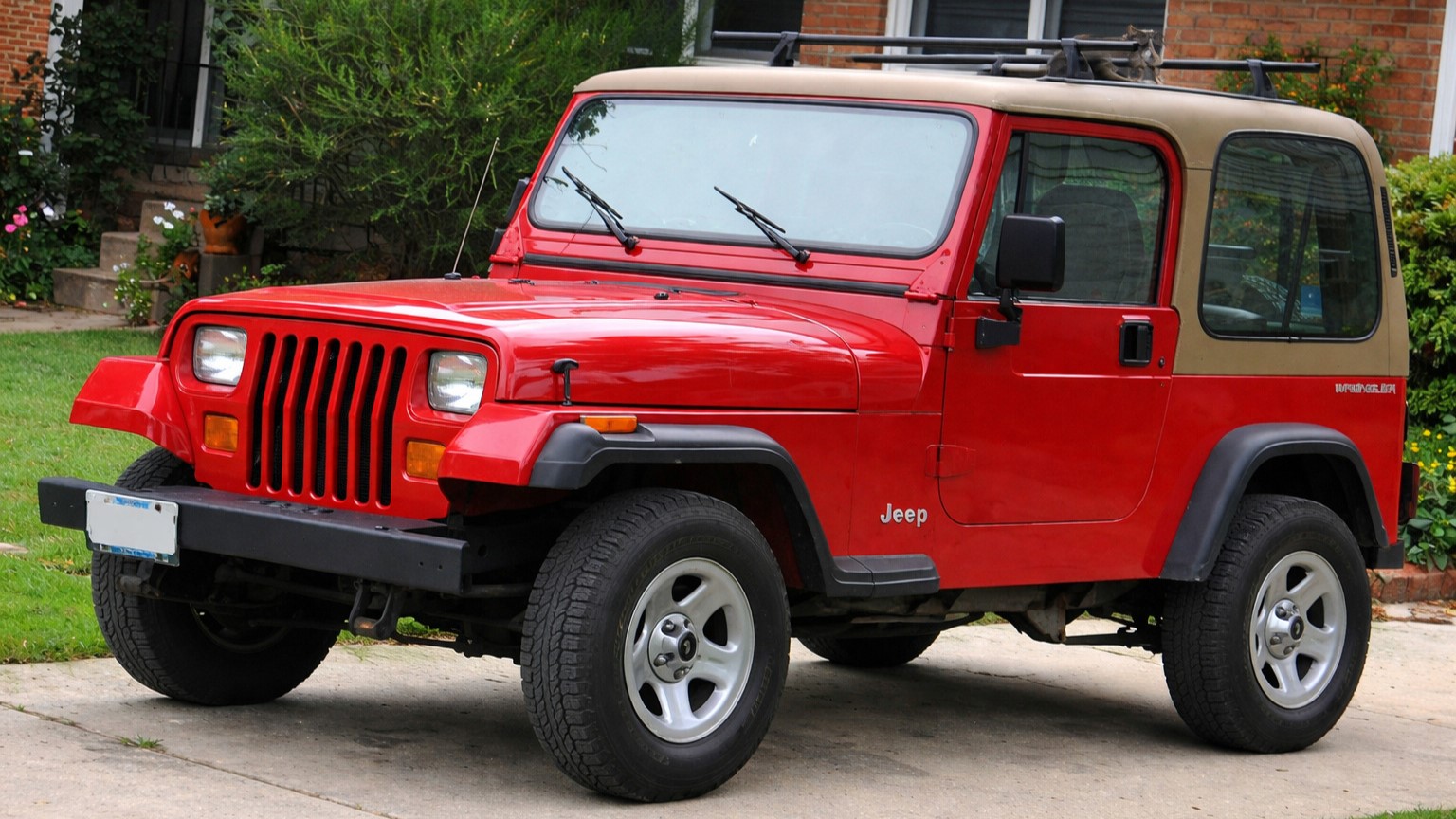
The Jeep Wrangler, introduced in 1987, replaced the earlier Jeep CJ series and continued the brand’s tradition of rugged off-road vehicles. When Chrysler acquired the Jeep brand in the same year, the Wrangler quickly proved to be one of the company’s most valuable assets. The vehicle maintained its legendary off-road capability while gradually becoming more comfortable and practical for everyday use. Over time, the Wrangler developed a strong and loyal customer base that appreciated its durability and unique character. The model is known for its high resale value and strong profit margins, making it extremely profitable for the company. Even during difficult periods such as Chrysler’s 2009 bankruptcy and later industry restructuring, the Wrangler remained a consistent source of revenue. Its enduring popularity has made it one of the most important vehicles in the Jeep lineup.
Hyundai Elantra
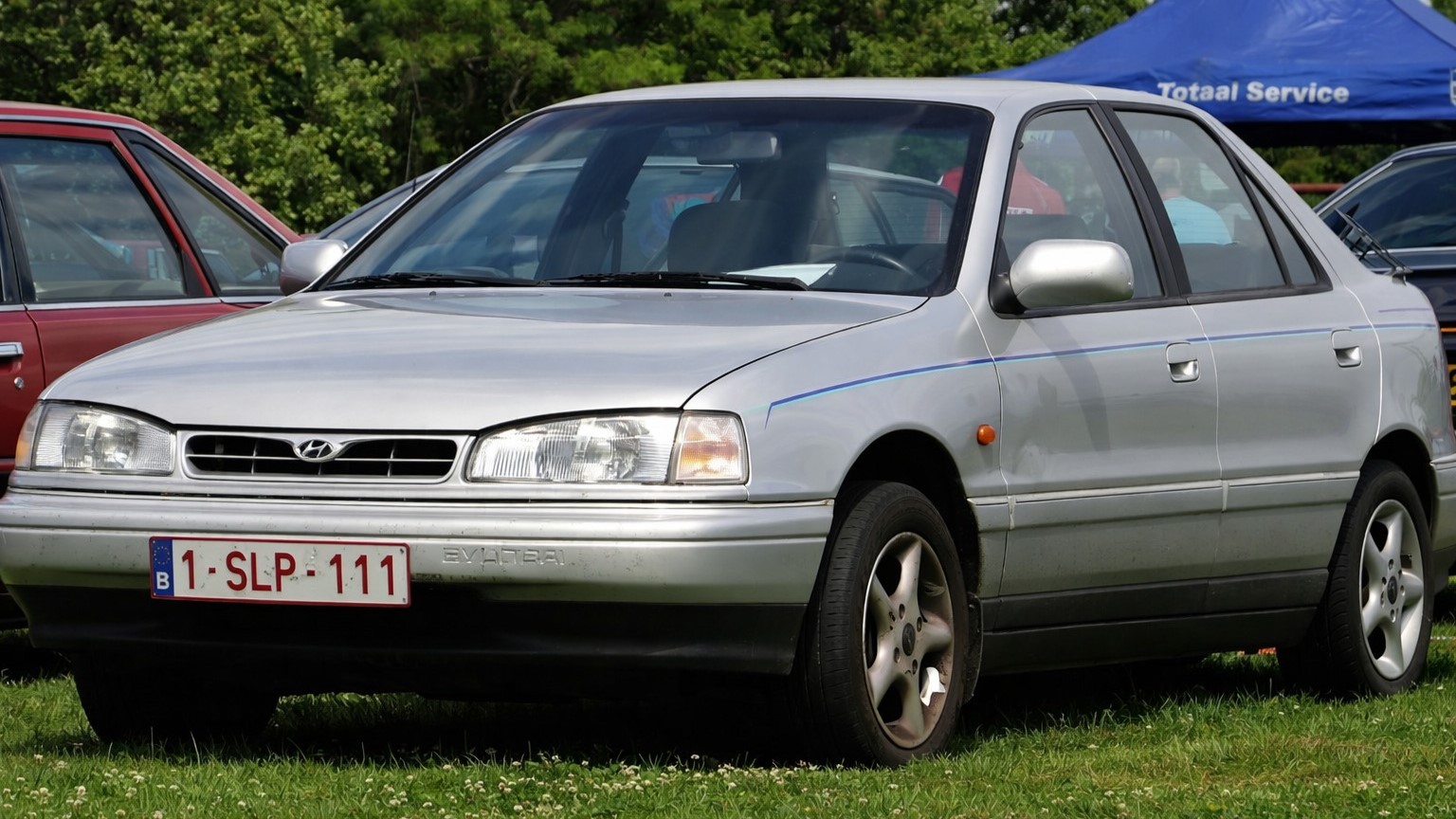
In the late 1980s, Hyundai faced significant challenges in the United States because earlier models, such as the Hyundai Excel, had developed a reputation for poor quality. The company needed a new vehicle that could restore consumer confidence. The Hyundai Elantra, introduced in 1990, provided improved reliability, good fuel efficiency, and strong value for money. Hyundai later strengthened its reputation by introducing an industry-leading 10-year/100,000-mile powertrain warranty in 1999, which reassured customers about the durability of its vehicles. Over time, the Elantra became one of the best-selling compact sedans in the United States. The steady sales generated by the model allowed Hyundai to invest in improved design, new technologies, and the expansion into SUVs and luxury vehicles. The Elantra played an important role in Hyundai’s transformation into a respected global automaker.
Also Read: How Amazon and NVIDIA Are Building AI Assistants for Cars
Tesla Model 3
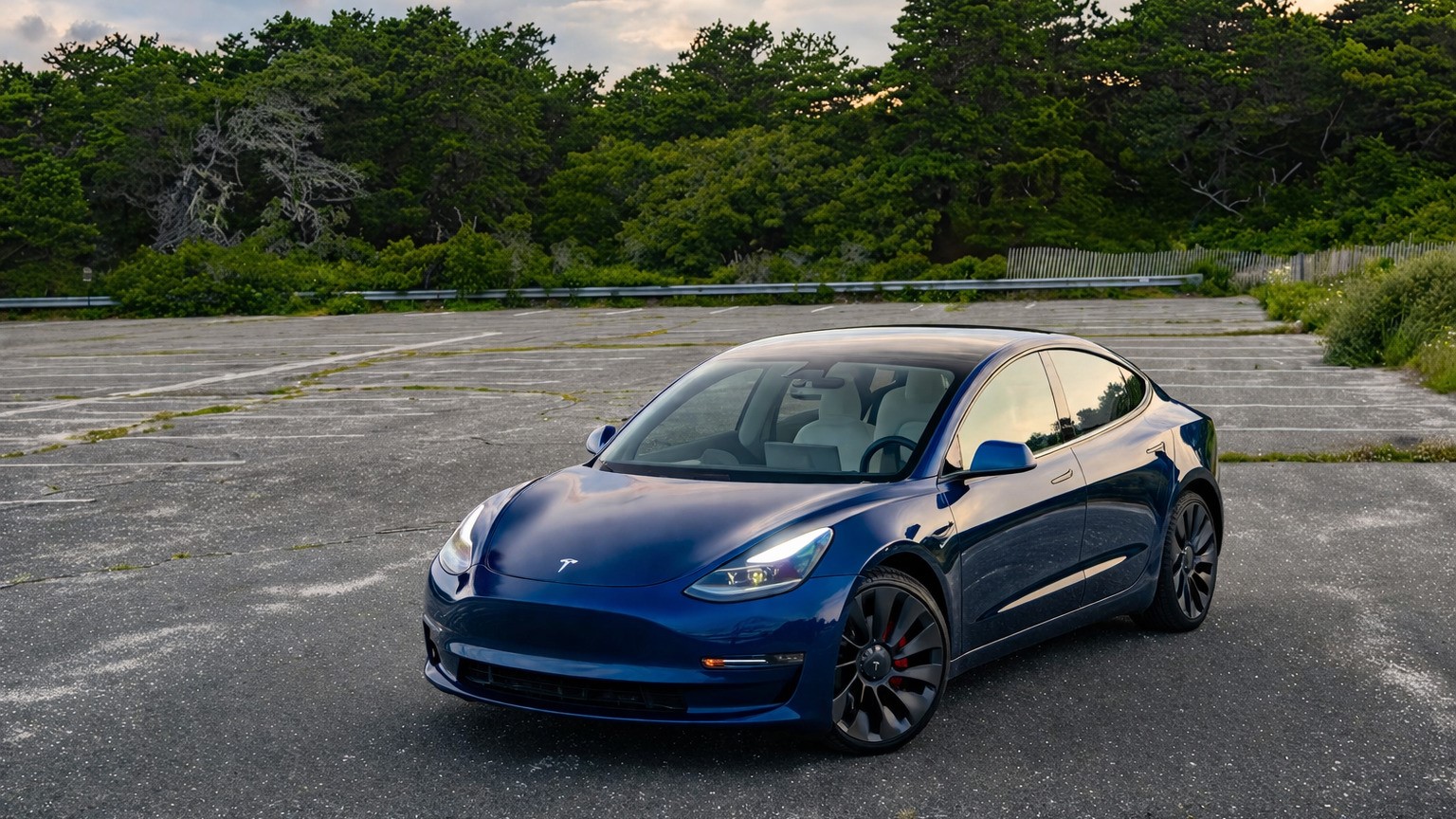
The Tesla Model 3 was introduced in July 2017 as the company’s first attempt to produce an electric vehicle for the mass market. Unlike Tesla’s earlier luxury models, the Model 3 was designed to be more affordable and accessible to a wider group of customers. However, the early stages of production were extremely challenging, and the company struggled with manufacturing issues. In 2018, Tesla CEO Elon Musk revealed that the company was only weeks away from bankruptcy during the difficult production ramp-up. Once Tesla managed to solve these problems and increase production capacity, the Model 3 quickly became a major success. The vehicle consistently ranked among the best-selling luxury cars in the United States and helped demonstrate that electric vehicles could compete with traditional gasoline-powered cars. The profits generated by the Model 3 allowed Tesla to expand its operations, build new factories, and develop additional models such as the Model Y. The success of the Model 3 ultimately transformed Tesla into one of the most influential and valuable automakers in the world.
Comments (0)
Log in to share your thoughts
No comments yet
Be the first to share your thoughts!