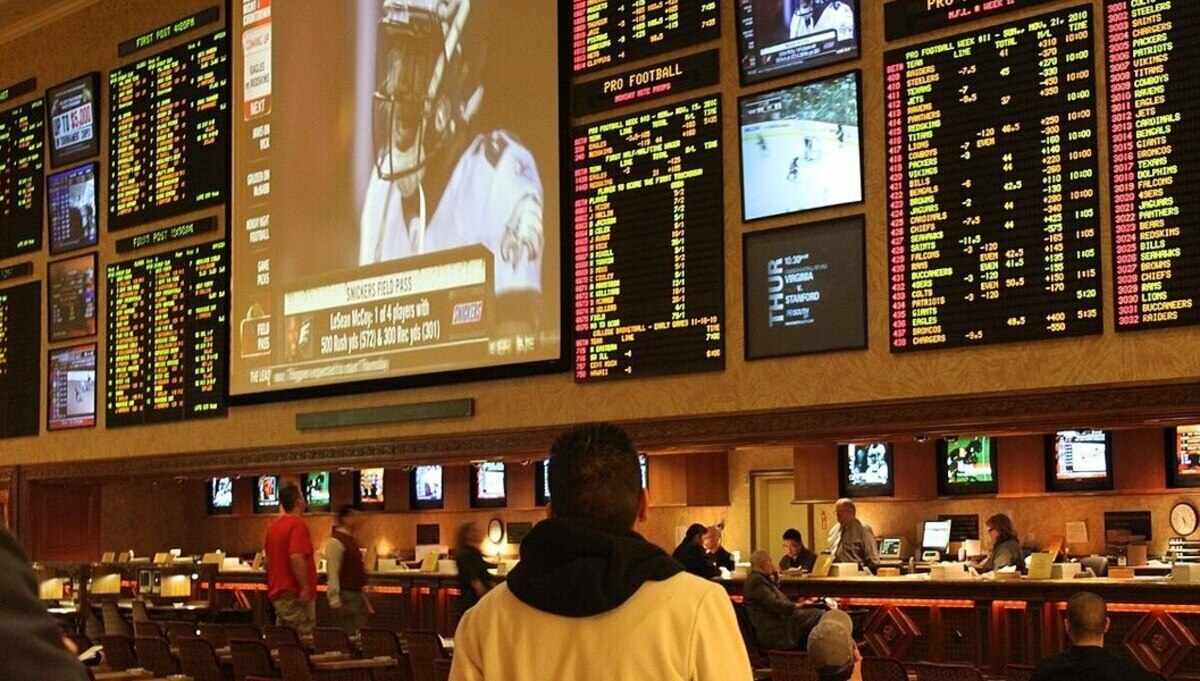
Above: A sports fan standing in a Las Vegas Sports betting market. Photo by Baishampayan Ghose (CC BY-SA 2.0) on Wikimedia Commons
American sports are evolving, and so are our streaming platforms and how we engage with our favorite teams. You don't always need to be in the arena or stay glued to your TV to enjoy a cool NFL or NBA match. Streaming platforms are now central to the business of American sports.
Whether it is Amazon Prime Video, Peacock, or Apple TV+, most of them hold major rights to live games. Thus, you don't have to depend on cable television or traditional broadcast systems to enjoy your fan moments. From mobile phones to tablets, they are everywhere. And this shift allows younger viewers to consume sports content.
Also read || Super Bowl 2026: Seahawks Crush Patriots 29-13 in Santa Clara Thriller
Streaming has broken down barriers, allowing people beyond the United States to enjoy sports worldwide. Major leagues do not depend on cable networks to reach their viewers, and are adapting well to the new strategies. You can watch selected NFL games online on ESPN+, Hulu, JioHotstar, or on Apple TV while MLS is streaming.
When leagues collaborate with streaming platforms, they generate stable income through subscription fees and long-term contracts. Subsequently, these streaming companies collect comprehensive user data to improve the user experience. They know your preferences, what you watch, and how long you stay on the app, which helps them create a solid advertising strategy to generate revenue.
Gambling Gambling Everywhere

A country that detested gambling in the 19th century is suffering badly from it. It's a business model that thrives on addiction. Sadly, people with gambling disorders generate approximately 60% of total industry revenue, highlighting how bad the situation is. According to Lund University in Sweden, gambling victims are 15 times more likely to die by suicide than the general population. It may sound like an individual problem, but it affects your finances, your family and people around you.
It was never a glorified thing in the United States, and was even called a "Leprous touch on Sport" and a societal disease, but since 2018, sports gambling has spread like a pandemic across the country. As of now, most US states allow some form of legal sports betting, either online or in physical casinos.
Contrary to the quote "What happens in Vegas stays in Vegas!", Gambling started in Nevada, and is legal in 39 of the 50 states, with Utah and Hawaii as the only states where it is banned. There are apps like DraftKings and FanDuel dominating the digital market. All you need is to sign up, bet on live games, and you'll get promotional bonuses. Love it or detest it, but it has become a part of Sports culture.
Most of these betting companies rely heavily on advertising. In fact, some leagues and teams have official betting partners, which shows how normal gambling has become. Nevertheless, this growth is controversial as experts worry that it is becoming an addiction among young men. Forget sports betting, there are platforms like Polymarket that allow you to bet on anything, and call it a prediction market company. The company is valued at $9 billion, which shows where we are heading.
Also read || Honoring John Brodie - 49ers Legend and 1970 NFL MVP, Dies at 90
Fantasy Sports and Fan Engagement
The real culprit is fantasy sports, which played a critical role in shaping fan behavior. Organizations like Underdog Fantasy and PrizePicks prompt users to build short-term fantasy teams and win money based on player performance. These contests are quicker than season-long fantasy leagues. So, many users participate weekly or even daily. And when you have an engaged fan base, you make money.
These fantasy apps also increase data consumption. Users can track players' statistics and closely watch more matches to improve their chances of winning. From a sports streaming perspective, these apps are catalysts for major leagues. However, there is a thin line between fantasy sports and gambling. While some states treat fantasy sports as betting, others regulate them separately. Fantasy sports are legal in many states, but the definition of legality is evolving continuously.
The Shift from Broadcast to Hybrid Models
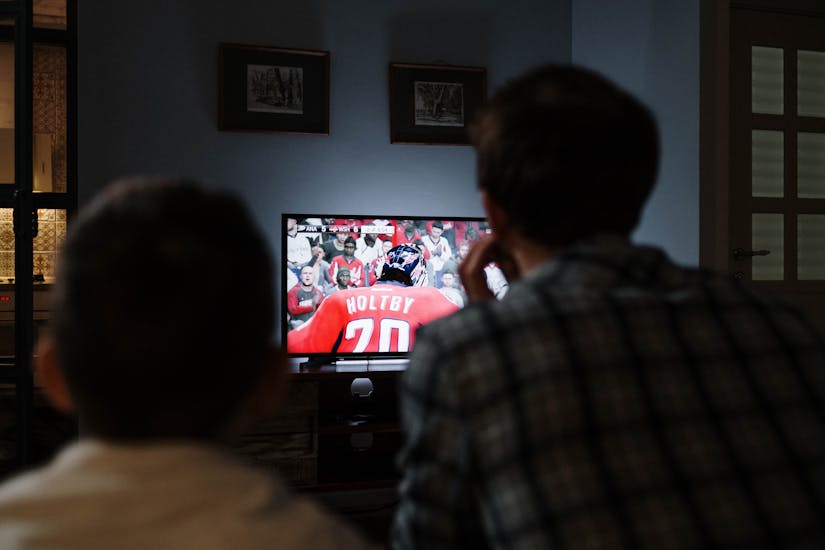
Conventional broadcasters like ESPN, Fox Sports, and CBS Sports are still relevant in US sports. Major events such as playoffs and championships attract millions of viewers on television. However, there is a dip in cable subscriptions, and broadcasters operate with their own streaming platforms and offer digital subscriptions.
This hybrid model allows companies to combine broadcast and streaming, which defines the sports business in 2026. Leagues sign complex deals that divide rights between television and digital partners. Some games appear exclusively online, while others remain on conventional broadcast television platforms. Overall, the industry has moved from a cable-centred system to a digital-first structure, and it is working well for young viewers and companies.