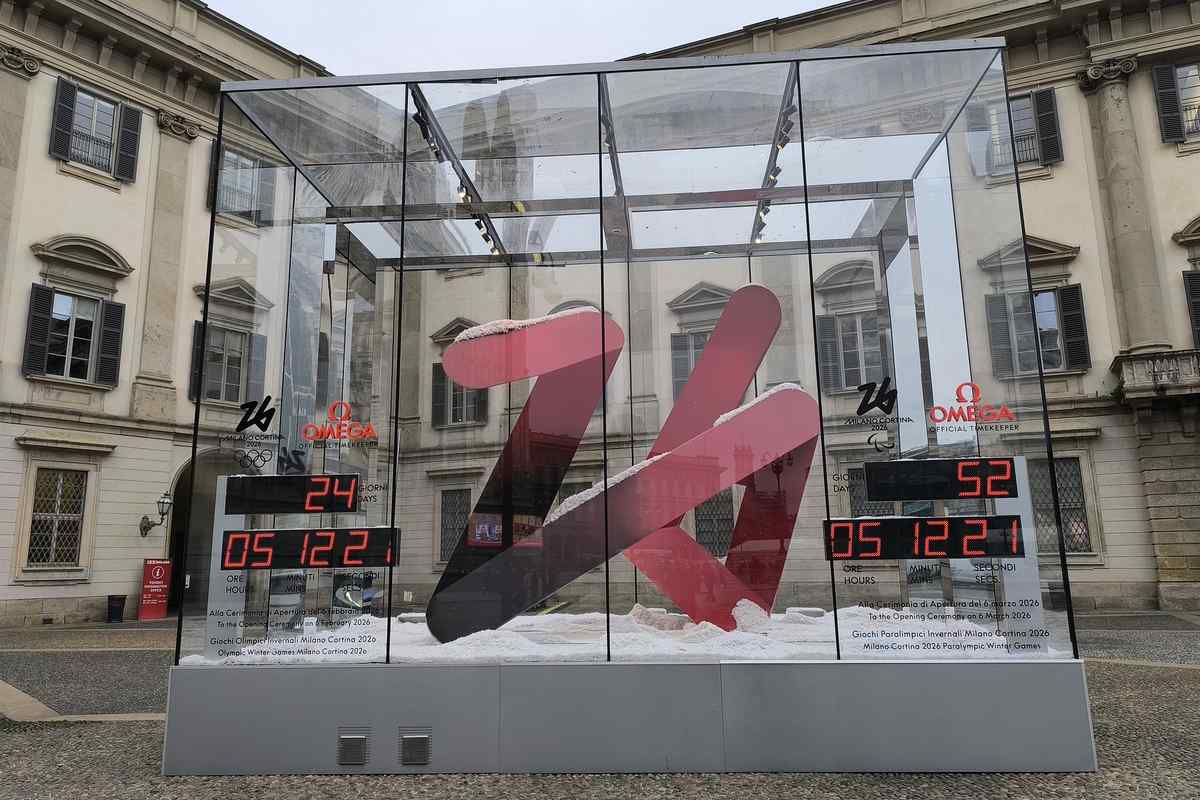
Above: Venue at Milano-Cortina Olympics 2026. Photo by Eric Salard on Flickr (CC BY-SA 4.0)
Sustainability and Europe have a deep-rooted relationship, whether it is a long tradition of resource management or a modern policy-driven environment. Europe has a culture of green and circular economy and values protecting the climate. The Milano-Cortina 2026 Winter Olympics is a prime example.
The 2026 Winter Olympics in Italy are using 93% of existing venues or temporary facilities for events. The idea behind this approach is to minimize construction and protect the Italian Alps and surrounding cities from environmental harm. In the Olympic Agenda 2020+5, "New Norm", the focus was on minimizing costs and emissions while preserving natural beauty.
Thankfully, the Milano Cortina Winter Olympics are honoring the 2020 agenda and protecting iconic Italian sites, while upgrading stadiums such as San Siro Stadium, Verona Arena, the Milano Santa Giulia Ice Hockey Arena, and most Alpine arenas for a lasting community use.
Also read || Milano Cortina 2026: Ilia Malinin Delivers Clutch Performance for USA's Figure Skating Team Gold
Why does Milano-Cortina 2026 focus on sustainability?
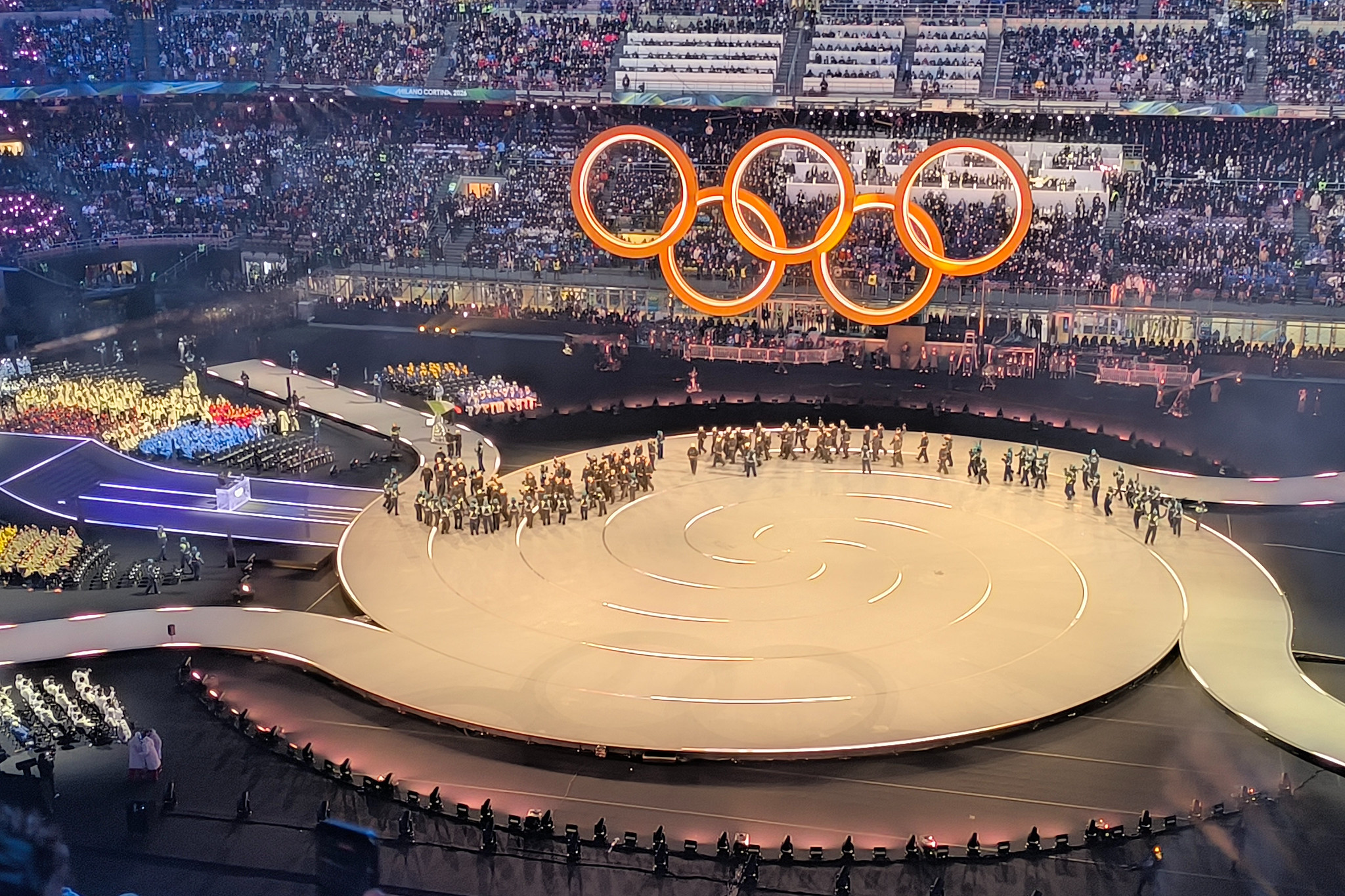
Apart from the European culture of environmental respect, Milano Cortina's Venue strategy is not only to promote sports but also to make stadiums more adaptable to other sports. 93% of the Milano Cortina 2026 venues are existing or temporary. They are spread across the cities of Cortina d'Ampezzo, Val di Fiemme, Milan, Bormio, Anterselva, and Livigno.
Some prime examples, as mentioned, are Milan's Santa Giulia skating oval on a temporary ice rink, Verona's ancient Arena for the closing ceremony, and Cortina's longstanding Olympic Ice Stadium for curling. Only select new builds, like the Cortina Sliding Centre, that fill gaps, with a full Strategic Environmental Assessment to ensure protection.
This strategy of adaptive reusability fills the gap of urban hubs and mountains, hosting 116 events for nearly 2,900 athletes, including Skimo. In this way, they can save significantly on budgets compared to recent Olympic games, avoiding debt traps and leaving upgraded infrastructure for regional sports, tourism, and accessibility in the future. Tracking key performance indicators (KPIs) early shows real progress towards sustainability.
Also read || Experience Over Youth: The Legends of Milano Cortina 2026
How is Milano-Cortina 2026 making an actual difference?
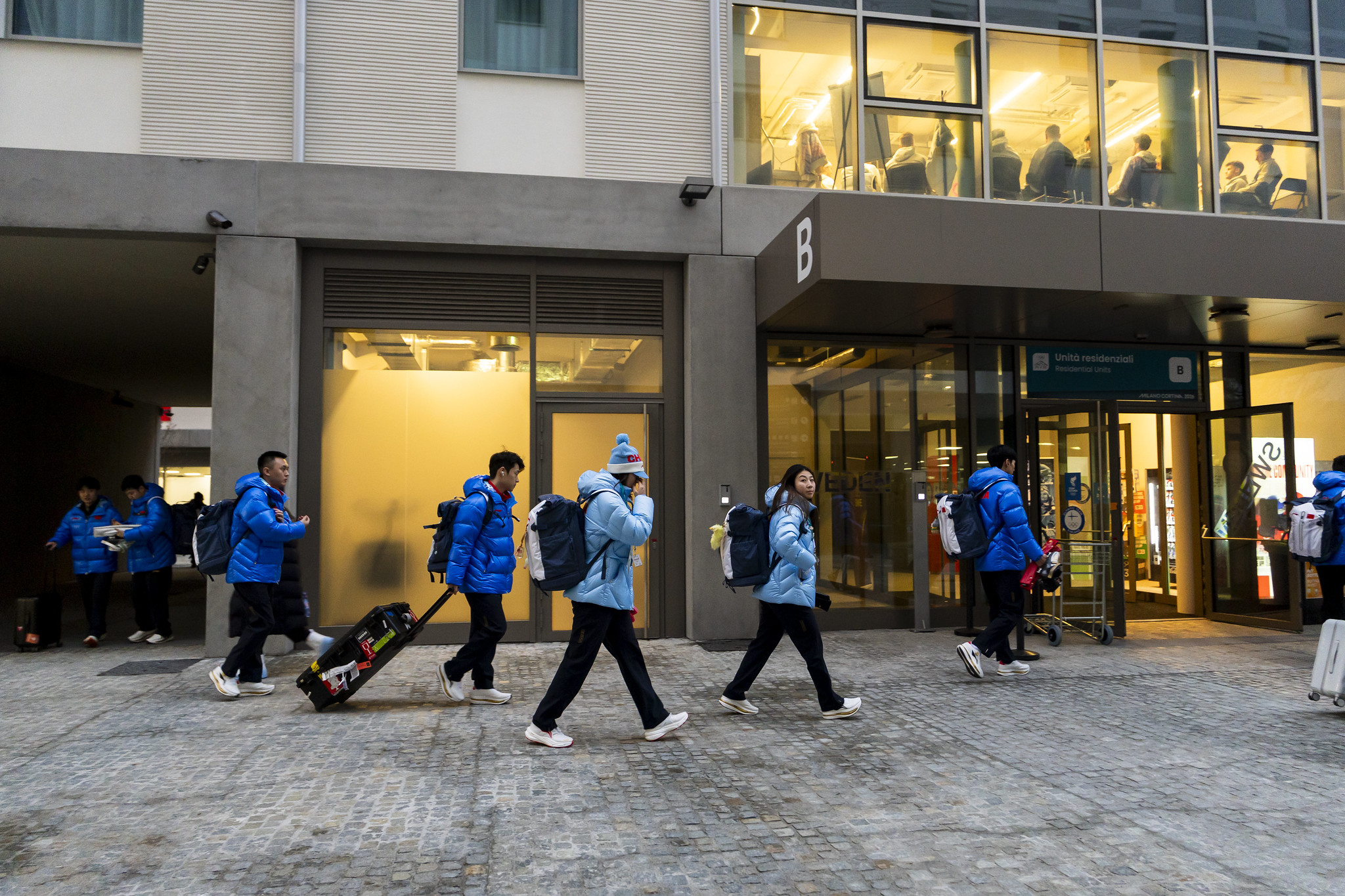
The Milano-Cortina 2026 Winter Olympics are focusing on the need of the hour: clean energy and zero-emission operations. For the Milano-Cortina 2026 Winter Olympics, all operations target 100% renewable electricity from solar, wind, and hydro, with LED lighting and passive design minimizing energy use.
In the Olympic village of Porta Romana, there are nearly zero-energy buildings built with mass timber and low-carbon materials. The rooftop solar panels, gardens, and stormwater reuse generate over 30% of the on-site energy. Moreover, the organizers use a comprehensive Greenhouse Gas Inventory and minimize carbon to reach the "Net Zero" goal.
Also read || Gold and Glory: Jutta Leerdam Sets a New Olympic Record at the Milano Cortina 2026
Furthermore, the transportation is also eco-friendly. Over 20% of the vehicle fleet is fully electric, and the rest relies on HVO biofuel, such as buses, snow groomers, and generators, slashing emissions drastically. For the first time at the Winter Olympics, a water-monitoring system has been introduced to improve efficiency at high-altitude venues. Thus, ensuring the water used for the slopes does not affect the delicate mountain ecosystems.
The organizers are not only claiming that these events are green but also proving it through global standards such as GRI and the SDGs. GRI stands for the Global Reporting Initiative, a gold standard for sustainability that ensures data is transparent, reliable, and comparable. In comparison, the Sustainable Development Goals (SDGs) focus on climate action, green/clean energy, and responsible consumption.
Milano-Cortina 2026: How is the Circular Economy building a long-lasting legacy?

While most of the world only talks about the circular economy, Milano Cortina Olympics are aiming for 70% waste diversion and recycling, and redistributing excess food locally. Over 20,000 furniture pieces, fixtures, and equipments are repurposed from the 2024 Paris Olympics through partners like RGS events. And that's how they reduce their carbon footprint and extend the life cycles of products.
Complementing the circular economy, Milano Cortina is helping Italy improve access to tourism, sports, social inclusion, and behavior change. The 2024 Sustainability reports have mentioned KPIs for 2026 to 2030, including real-time tracking on digital platforms, adherence to the ISO 14064 standard for GHG emissions, and social partnerships to ensure that the Olympics create jobs and opportunities for people.
To protect the Alps, the games followed rules such as "No permanent builds in parks," so they could be removed when needed. And once the games are over, the land is restored to its natural state, minimizing damage from crowds and construction.