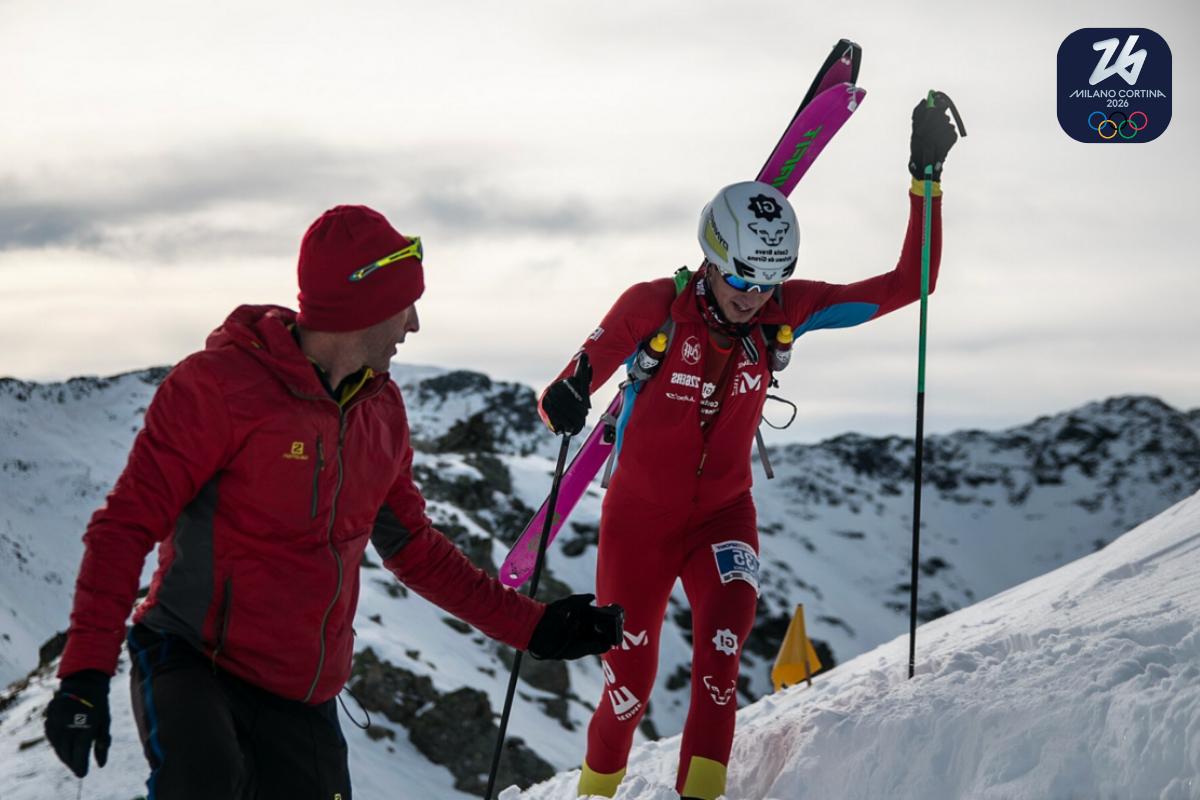
Above: Oriol Cardona Coll from Spain was the sprint winner of the 2025 ISMF Ski Mountaineering World Championships in Morgins, Switzerland. Photo from ISMF Ski Mountaineering World Cup Font Blanca 2017 by Jorge Millaruelo (CC BY-2.0) on Wikimedia Commons
Today marks the start of a new era in the Winter Olympics, as the brand-new sport makes its debut. If you loved F1 races, you will love Ski Mountaineering, or "Skimo" as it is like Formula 1 of Skiing. While both F1 and Skimo are tough sports, you need exceptional endurance in Skimo. Right now, on February 19, 2026, the world's top athletes will gather at the Stelvio mountains, Bormio, to witness and create history.
Although Milano-Cortina has surprised us at times, the favorites will always be France, Switzerland, Spain, and Italy, thanks to their Alpine heritage, specialized training, and strong performances in other skiing events. Some other notable contenders include participants from the United States, Belgium, or Norway. This inaugural event would be a delight to watch for skiing lovers.
Also read || Blade Angels: Team USA Takes Center Stage in Milano-Cortina 2026
What Exactly is Skimo?
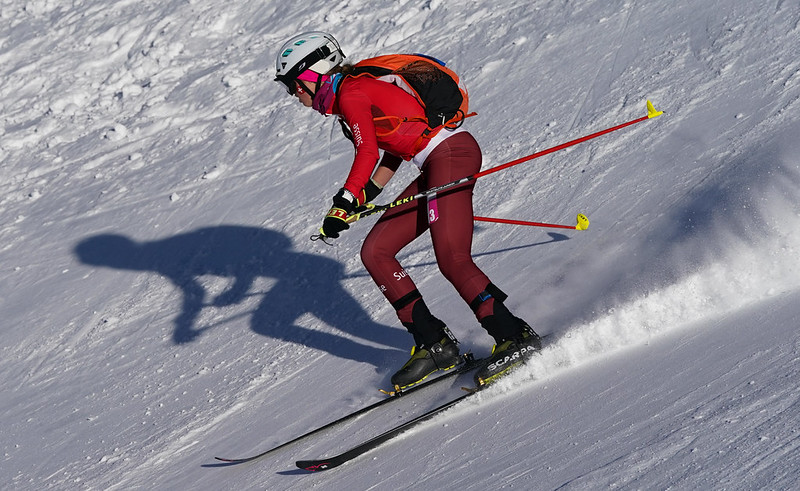
The idea of Skimo came from combining a hike, a mountain climb, and a downhill ski race into one intense event. The Skimo athletes don't use chairlifts to reach the top; instead, they attach special "skins" to the bottoms of their skis. The furry texture of the skin allows it to grip the snow, helping skiers walk straight up steep mountains. In simpler terms, it's a mix of cross-country skiing and hiking, but much faster and harder.
Here comes the cool part. The race does not stop at the peak of the hill. Instead, they have to remove skins from their skis as quickly as possible. This part of the game is called the "transition". Once they pack their gear, they lock their boots into their skis and race down the mountain through a series of gates, like a regular slalom race. It is a full-body workout that not only tests your skiing speed but also your heart's strength.
Also read || Milano Cortina 2026 Winter Olympics: New events to watch out for
The 2026 Olympic Schedule
The wait is over: one of the most exciting and fastest sports is all set to make its debut. Today is a big day of Skimo Sprints, which will mostly last 2 to 3 minutes but will be extremely tiring. Later on February 21, the mixed relay will happen. In the mixed relay team event, one man and one woman from each country will compete together to cross the line in the fastest possible time.
Here is the schedule for Skimo at the Milano-Cortina 2026 Winter Olympics.
| Event Phase | Local Time (CET) | Event | Phase |
| Women's Sprint Heats | 9:50 | Women's Sprint | Heats |
| Men's Sprint Heats | 10:30 | Men's Sprint | Heats |
| Women's Semifinals | 12:55 | Women's Sprint | Semi-finals |
| Men's Semifinals | 13:25 | Men's Sprint | Semi-finals |
| Women's Sprint Final | 13:55 | Women's Sprint | Finals |
| Men's Sprint Final | 14:15 | Men's Sprint | Finals |
| Mixed Relay Final | 13:30 (Feb 21) | Mixed Relay | Finals |
What makes Skimo Unique?
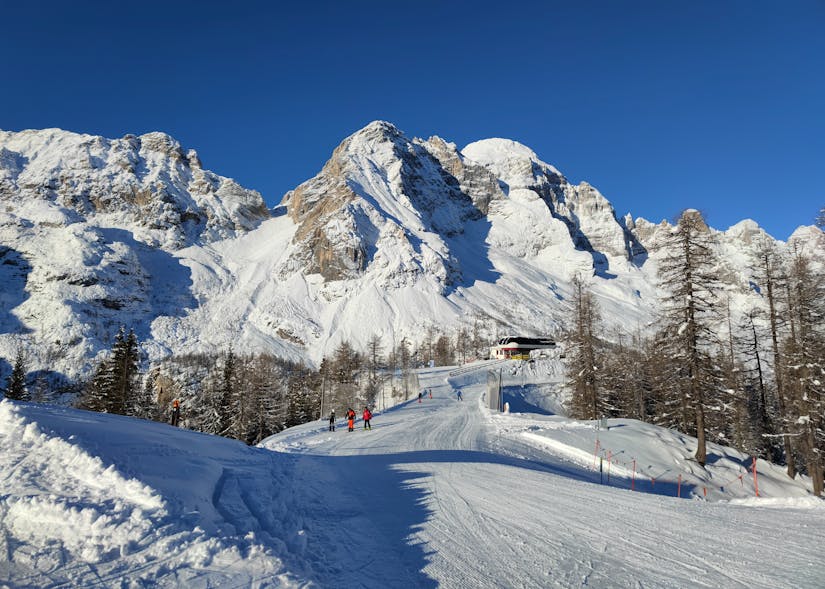
The transitions make Skimo one of the most unique sports at the Winter Olympics. Just like you need a pit stop in a car race to change your tire, refuel, and repair your car in a limited time. In Skimo, an athlete must shed their skins as quickly as possible to stay ahead in the race. What makes it super challenging is that they have to do it while breathing incredibly hard and standing in freezing wind. Thus, you need exceptional practice to keep your hands steady when your heart is pounding.
One of the biggest reasons to love Skimo is its eco-friendly nature. While most Olympic sports require huge buildings or concrete tracks, Skimo uses the natural mountains. Athletes walk up the hills themselves. Thus, there is no need for heavy or noisy machinery for transportation or massive construction. The sports align well with the motto of Milano Cortina 2026, which emphasizes inclusivity through its representation of conserving nature.
Also read || Sustainable Olympics: Milano Cortina 2026 Embraces 93% Existing Venues
Skimo History and Players to Watch For
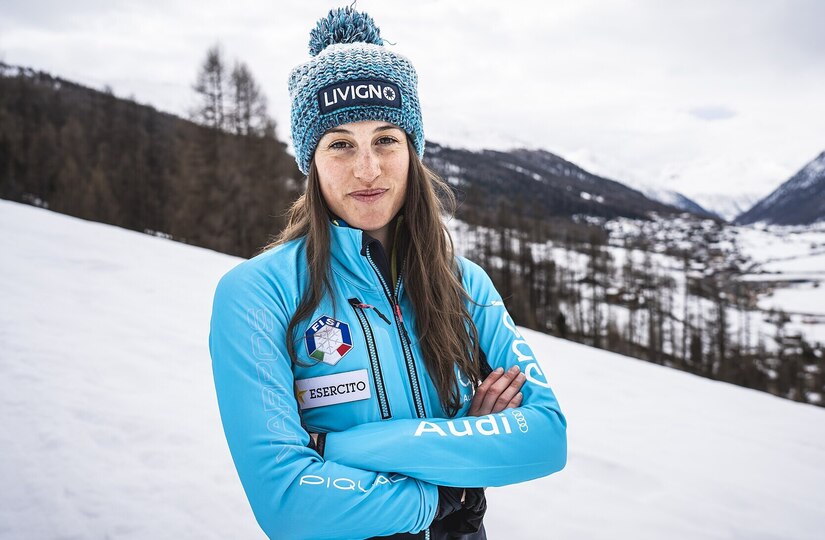
Skimo might look new to the Olympics, but the sport is very old. Years ago, soldiers in the mountains used these methods to move around during winter wars. Back then, it was a survival skill before becoming a sport. In the very first Winter Olympics, Military Patrol was one such medal event, often called the predecessor of Skimo. Now, after 102 years, it has come back as a popular sport loved by young winter sports fans.
Since Italy is hosting the Olympics, Italy, along with France, Switzerland, and Spain, is among the top contenders to finish on the podium. The two-time world champion Oriol Cardona Coll is your Spanish man to represent in the Men's Sprint. If you are a French fan, Emily Harrop could be the biggest contender for women. Nicolò Canclini and Giulia Murada will have a home advantage. In contrast, the Arno Lietha could be the bliss for Swiss fans.