
The road to the FIFA World Cup 2026 is no longer about Europe or South America's dominance, but also the rise of Eastern nations. The tournament will feature 48 teams, with Asia providing its largest-ever representation, and this time, it feels different. They have depth, structure, and belief across multiple squads, not just one or two standout nations.
The game is no longer about technically gifted or well-equipped sides, but about the presence in the game. The Asian Football Confederation (AFC) teams have proven their strength, invested in the game, and been exposed to global football, as evidenced by their performances. It is the rise of a new era of football, and the discussion is no longer about the competence of Eastern teams but how far they can go.
Also read || Bosnia vs Italy: Bosnia Qualifies, Italy Out of World Cup
Japan – Asia's Benchmark
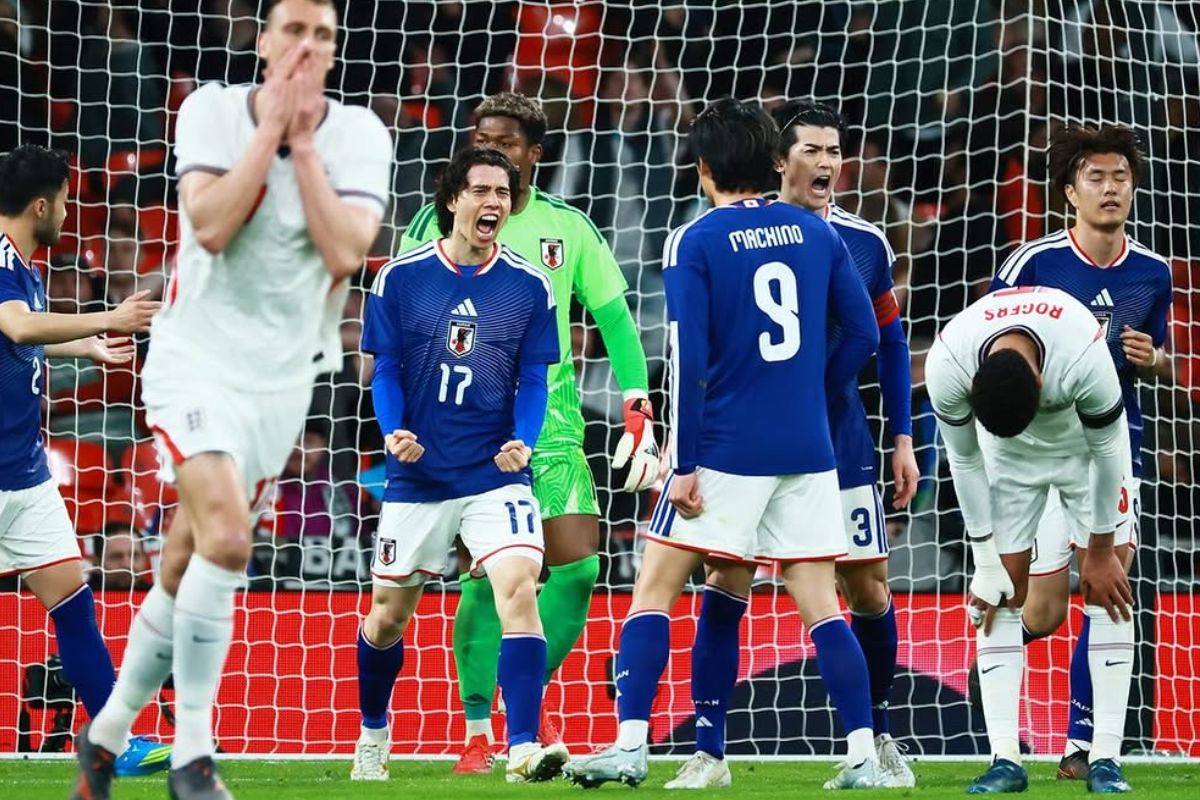
Japan is often considered the strongest Asian football team for its consistent performance in recent tournaments. They have multiple rounds of 16 appearances, whether it is 2002, 2010, 2018, or 2022. What makes Japan special is its players' exposure to top European leagues, which others can't match. Their gameplay is built on technical precision, quick transitions, and positional awareness, making them the toughest AFC football team to face.
South Korea – Built for the Big Stage
%20.jpg)
South Korea has a strong legacy of knocking out heavyweights such as Germany, Italy, Spain, and Portugal at different World Cups. 2002 was their best performance, when they came close but lost to Germany in the semi-finals by 1-0. South Korea's strength lies in resilience and adaptability. They know how to press aggressively, sit deep, or counterattack when needed. If they find the rhythm early, we might see them in knockout matches.
Iran – The Tactical Wall
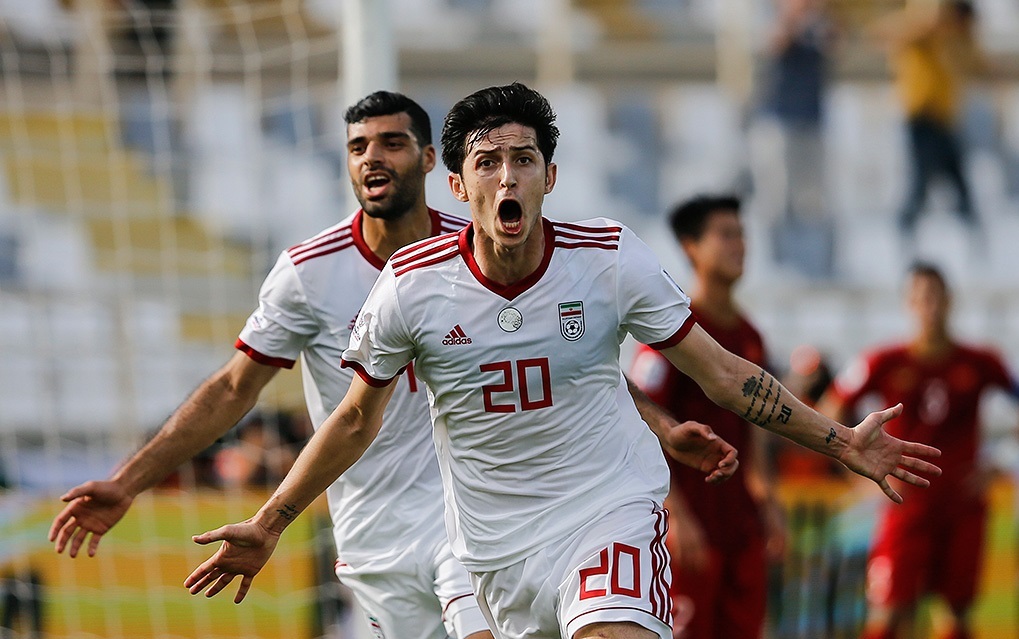
Iran has been one of the most consistent teams in the Asian qualifiers for over a decade, and their defense has been their biggest asset. However, Iran might be looking to go beyond the group stage and play knockout matches. The biggest challenge for the Persian lions has always been converting defensive solidity into attacking impact on the world stage. However, in a tournament of 48 teams where one goal can decide the fate, things might come in their favor.
Also read || FIFA 2026 World Cup: Will Iran Show Up?
Saudi Arabia – The Game-Changers

Nobody expected Saudi Arabia to defeat Argentina in the 2022 World Cup, but they did. And that was the beginning of a new era for Saudi Football. Apart from the team, Saudi football has grown rapidly overall. Now, they have a strong domestic league featuring star players, backed by investment. While they are still ranked 61st in the world, it would be interesting to see if they could upset Uruguay or Spain in Group H.
Qatar – Structure Over Hype
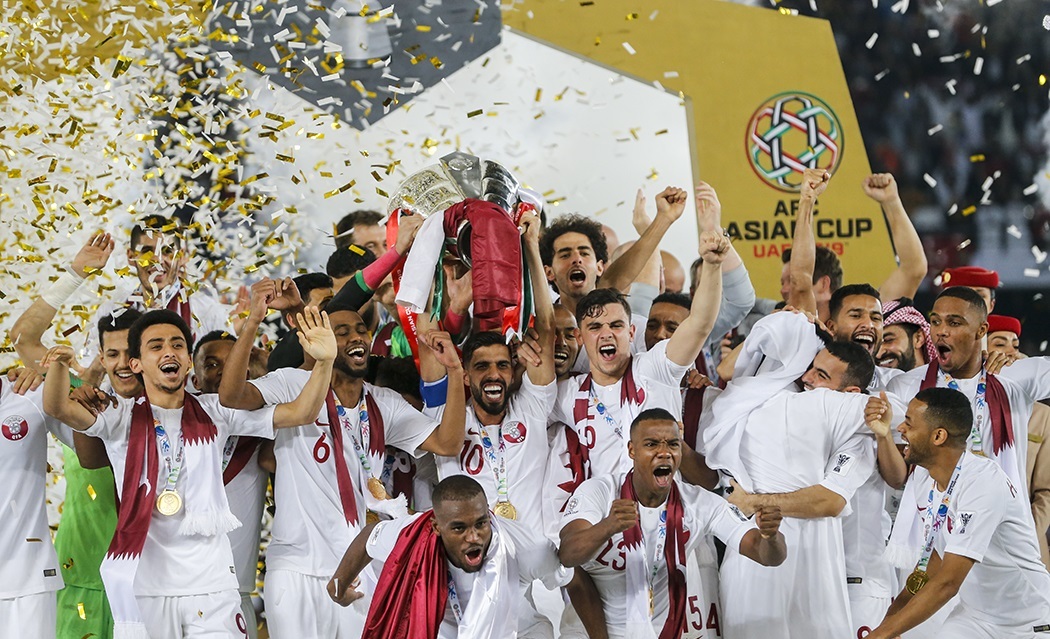
The hosts of the most memorable FIFA World Cup are growing rapidly. Despite not having a dream run in the FIFA World Cup 2022, Qatar is coming back strong with an AFC Asia Cup 2023 under its belt. Like Saudi Arabia, Qatar is also working to build a structured football system, focusing on youth development and tactical cohesion. While they might not have European exposure, they are currently the AFC Asian Champions and have defeated the likes of China, Iran, and Jordan. Besides, they were the second team to defend their Asian Cup title successfully after Japan.
Jordan – The New Contender
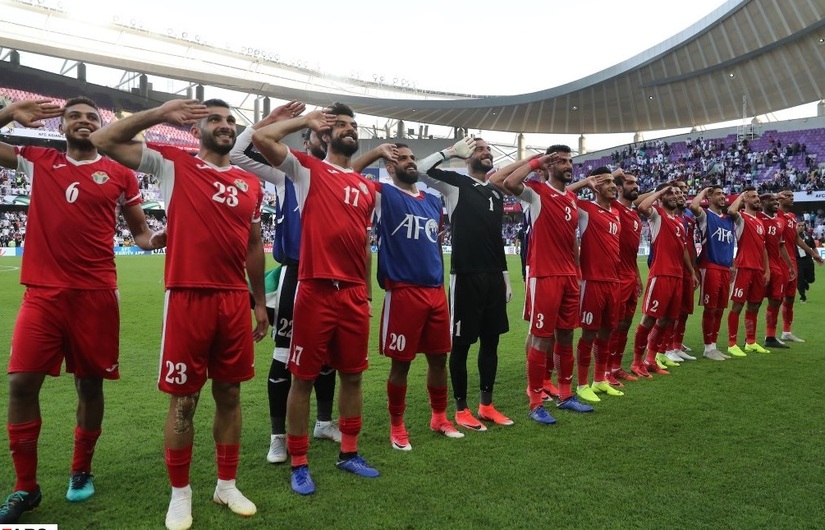
Jordan would be playing in its first World Cup in 2026, a huge milestone for the nation that signals a shift in Asian football as newer nations emerge. They were the finalists of the 2023 AFC Asian Cup, but have not achieved much yet. However, it is too early to judge a team debuting. They may lack global stars, but their strength lies in collective effort. It would be exciting to see them play against Argentina, Algeria, and Austria in Group J.
Uzbekistan – The Sleeping Giant
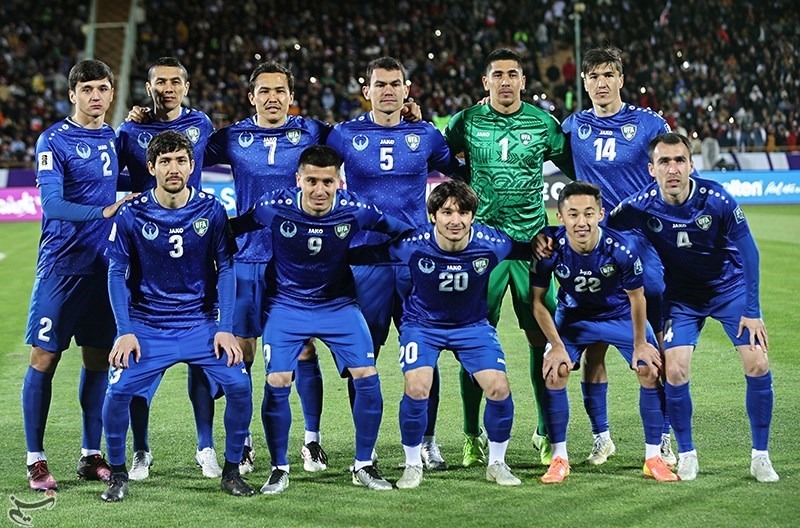
Uzbekistan would also be making its FIFA World Cup debut as one of Asia's most promising teams, and its qualification finally puts it on the biggest stage. Years of youth development and steady progress have started to pay off. They combine physicality with technical ability, creating a balanced style of play. As a relatively unknown quantity to many global teams, Uzbekistan could use that unpredictability to its advantage.
Also read || 2026 World Cup: 7 Possible Farewells
Iraq – Passion Meets Pressure
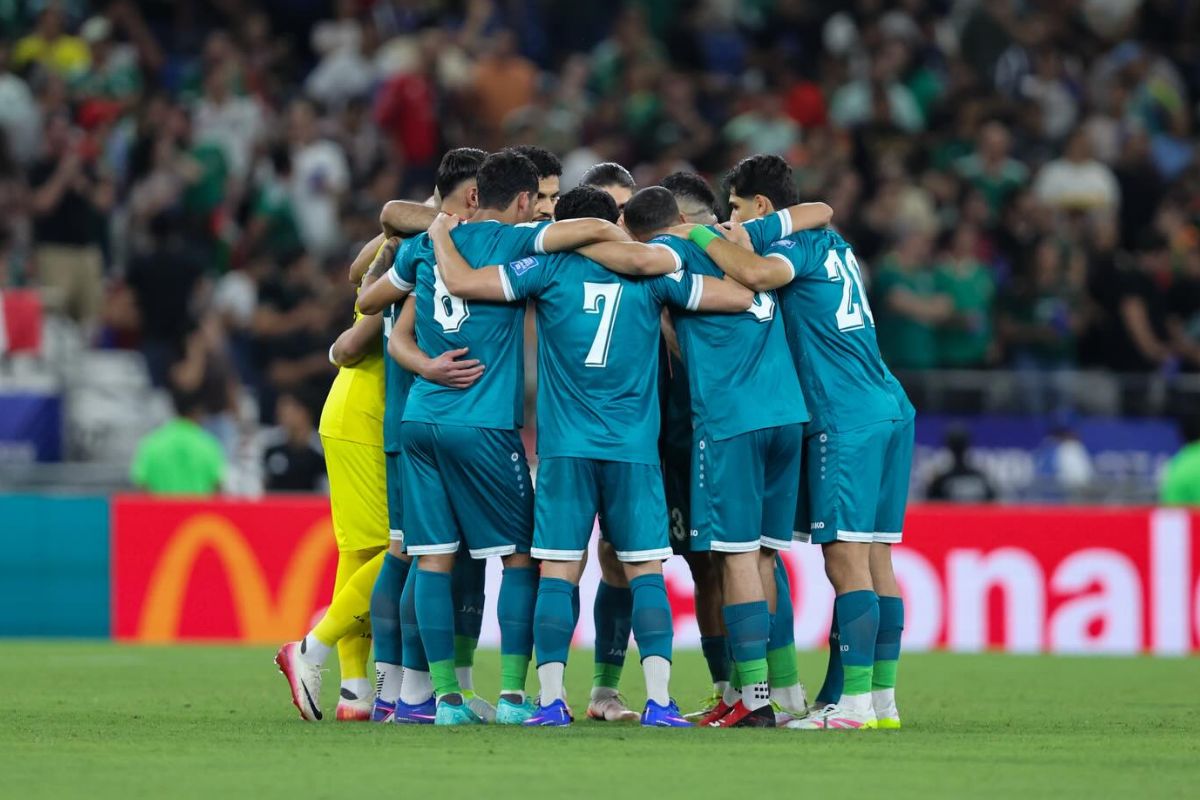
Iraq is returning to the FIFA World Cup after 40 years. Even though they have been consistent in Asian championships, they have not qualified for the bigger stage. While they might not be favorites, their recent victory over Bolivia would boost their confidence. What Iraq brings to the sport is not tactical excellence or smooth tiki-takas but an emotion. Their never-give-up attitude and their persistence make them a strong team. They would be playing in Group I, also considered the 'Group of Death', against Norway, France, and Senegal.
Australia – The Physical Edge

Australia is one of the strongest AFC teams that often receives minimal attention despite consistent performances. They have qualified for the FIFA World Cup seven times and have reached the round of 16 twice. (2006,2022). Interestingly, both times they lost to eventual champions: Italy (2006) and Argentina (2022). The Aussies thrive on structure and discipline. Compared to other AFC teams, they have a tactical advantage against Western and Asian teams, making them among the most balanced in the Confederation.
Comments (0)
Log in to share your thoughts
No comments yet
Be the first to share your thoughts!