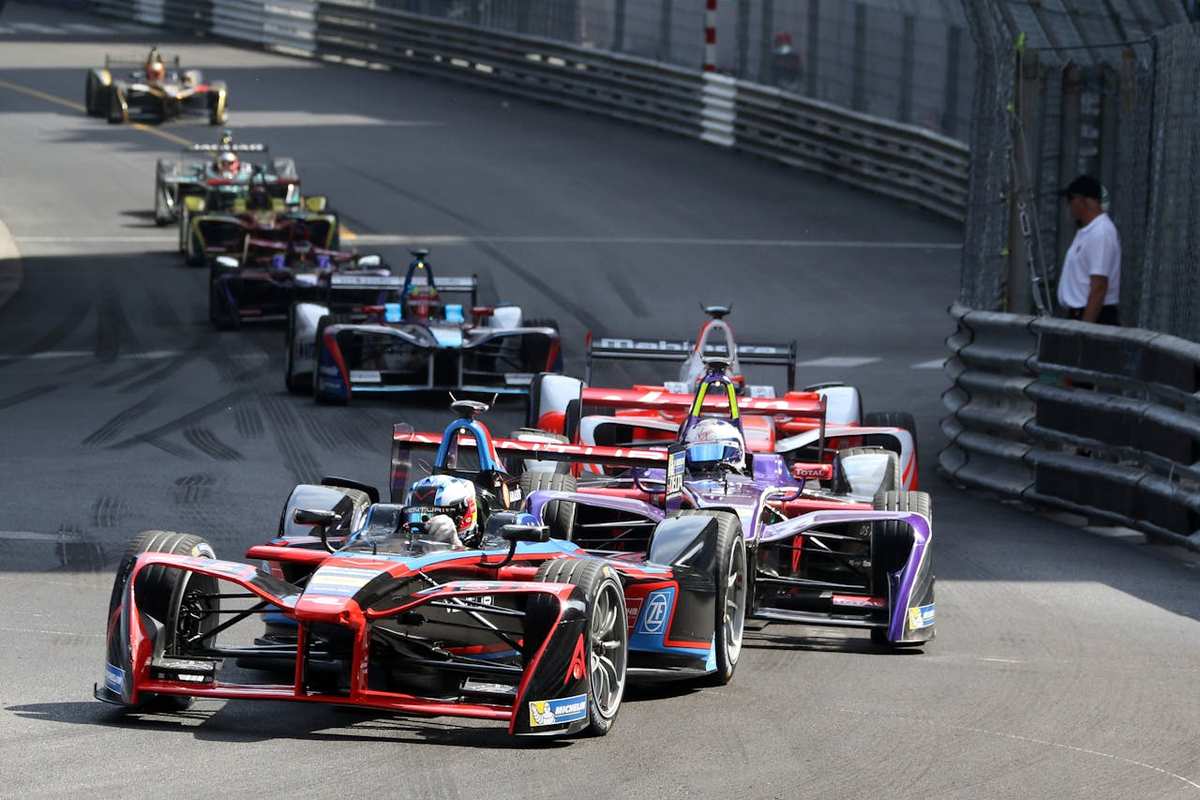
If you are an Formula One fan, 2026 is going to be your favourite year. These new models use 50% electric power and 50% from a V6 engine, running on 100% green, sustainable fuels to minimise pollution. Most of these cars pack over 1000 horsepower for quick speed bursts- like super-fast road cars with a louder electric boost.
New car designs are smaller, lighter, and feature active aerodynamic wings that move. Thus, making car handling better, races closer, and passes more easily. Big teams like Ferrari, Mercedes and Red Bull have built new power units, which will be a highlight of the upcoming seasons. Drivers like Hamilton, Norris and Verstappen will be up for the great challenge, and will need sharp skills. 2026 is the year of cleaner and brighter racing with great action for fans.
Formula One teams have started unveiling their 2026 F1 cars earlier than ever before. Teams will be designing entirely new vehicles rather than adapting existing ones due to upcoming regulatory changes in 2026. These launches give fans a real glimpse of how Formula One will look, sound, and race in its next era of competition and innovation.
Also read || Jimmy Butler’s Shocking Knee Injury: Warriors Face Uncertain Road Ahead
What's the new technology in F1 2026?
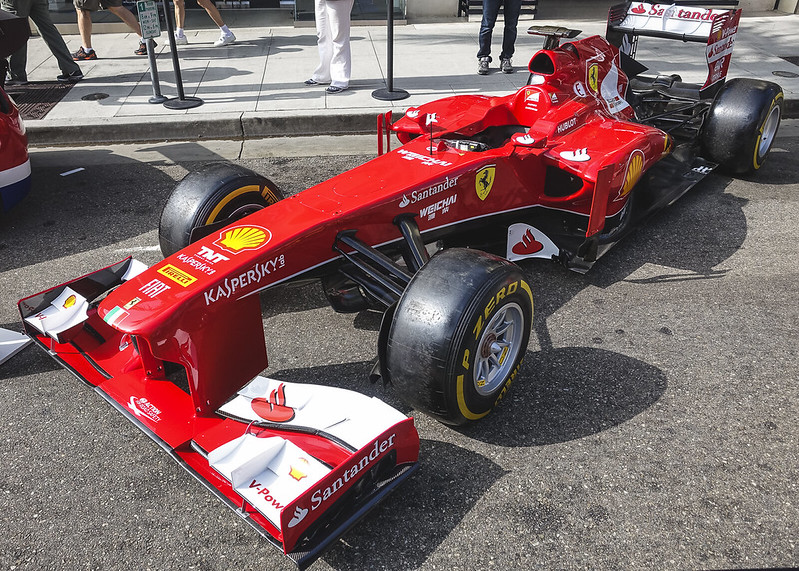
One of the most significant technical resets in Formula One history will take place in 2026. According to the official Formula 1 website, new aerodynamic regulations are intended to enhance close racing. It will make cars lighter, smaller, and more energy-efficient. By lowering air resistance and enabling drivers to follow one another more closely, these modifications hope to increase competition and make it more entertaining for spectators.
The key focus of the new technology is the redesign of the power unit. Although the turbocharged V6 engine will be there, electric power will contribute a significant share of total energy output. It has been confirmed that there will be a near 50:50 split between electric and internal combustion power, as per Formula One. Moreover, the focus would be on improving sustainability and supporting Formula One's environmental goals while keeping the speed and intensity that define the sport.
Which Teams and Cars are Leading the 2026?
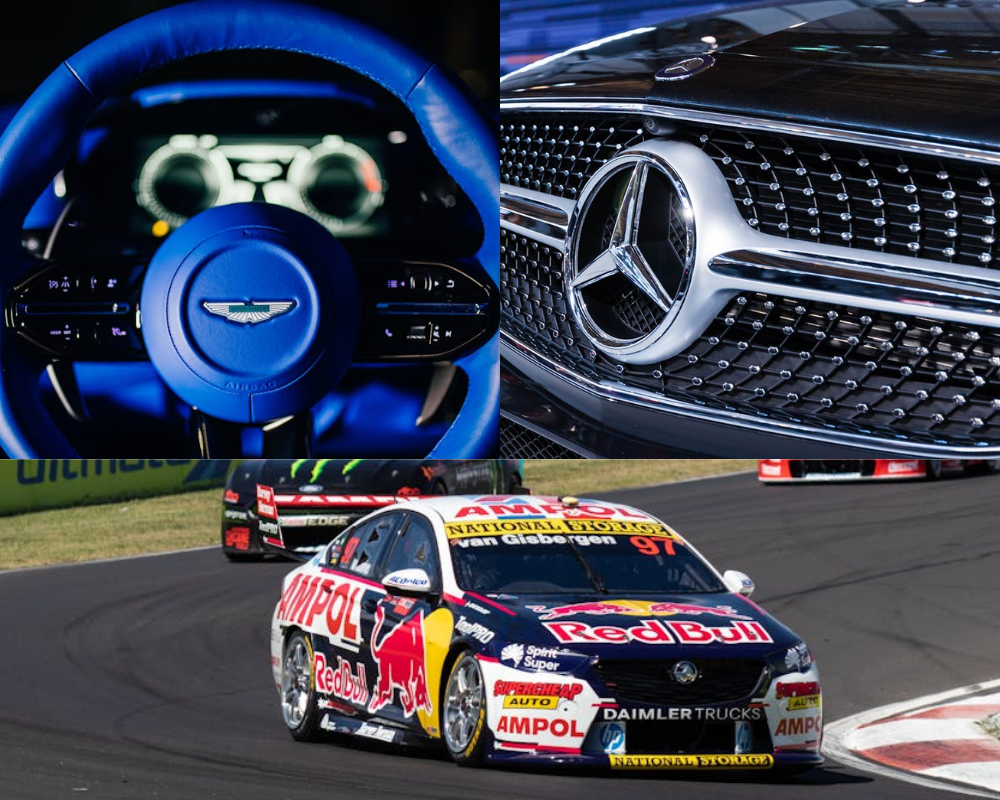
regulations. Photo from Pexels
Several teams have revealed initial images of their 2026 Formula One vehicles or liveries. Mercedes, Aston Martin and Red Bull led the run by submitting designs that complied with the new regulations. The official F1 sources report that many teams prefer to keep aerodynamic concepts under wraps until pre-season testing, so most early launches concentrate on liveries rather than complete technical details. These reveals continue to provide insightful information about sponsor modifications, team confidence, and design direction.
Moreover, car launches are now critical branding occasions. The teams are showcasing their new identities through blending digital launches and live international events. While some teams display early iterations of their new cars, others reveal liveries on older chassis. The goal of these launches is to signify rivalries, aspirations and the visual identity each team will bring to the grid. So for fans, it is beyond engineering.
Also read || Álvaro Arbeloa Under Fire After Real Madrid’s Shock Copa del Rey Exit
What the 2026 Cars Mean for the Future of F1 and Its Fans
Photo by Jonathan Borba from Pexels.
It is more than your regular F1 car routine update. These changes show how Formula One will be more globally and socially responsible, and where it will head next. When technology blends sustainability with performance, we prepare for a future that not only appeals to the audience but also helps us grow among manufacturers, sponsors, and business partners.
F1 2026 relies heavily on electric power and sustainable fuels. It signifies that speed is not always reckless and irresponsible. Like every other industry, F1 can evolve responsibly without losing its identity. Despite being the central pillars of F1, speed, innovation and competition will now be aligned with long-term relevance and modern values.
As a fan, you will be surprised by these regulations, which were missing in past seasons. The sport would shift from "May the best car win" to "May the most skilled driver win". It would force teams and cars to adapt at different speeds. Smaller cars, newer power units, and closer racing in 2026 could bring back some familiar rivalries, and that's what fans would love.