
Oliver Bearman rammed into tyre barriers at the Suzuka International Racing Course, and it became a defining moment for Formula 1’s new era. The high-speed incident involving Argentine Franco Colapinto and Briton Oliver Bearman happened because of a massive speed delta between the cars. Fortunately, neither driver was seriously injured. Bearman sustained a terrifying 50G impact and lost control at very high speed, escaping with only a right knee contusion.
The incident has prompted fresh scrutiny of the current technical regulations and energy deployment. Formula 1 crashes can be extremely dangerous, and even a slight error or misjudgement can have severe consequences. Since 1950, there have been multiple driver fatalities in Formula 1 Grand Prix weekends, though the exact total depends on how the figures are counted. Let’s understand the details of the incident and what experts have to say about it.
Also read || Cadillac’s Super Bowl Surprise: America’s Luxury Icon Hits the Formula 1 Grid
What Caused the High-Speed Crash?
%20Haas%20.png)
Whether it is Nürburgring Nordschleife, Monaco, or Suzuka Circuit, driving an F1 car at 240 kilometers per hour is not easy. Factors like losing control, track design, close-quarters racing, or the physical limits of tires and aerodynamics all play a critical role. In this high-speed crash at Suzuka, the key culprit was the closing-speed difference. Bearman’s car was behind Colapinto’s but was approaching much faster, creating a dangerous situation.
As Colapinto's car lost pace, Bearman had only milliseconds to react to avoid a catastrophic rear-end collision. He moved left to avoid contact, which placed his tires on the slippery grass at over 300 kilometers per hour. That one move sent his car into an uncontrollable slide, crossing back and slamming sideways into the tyre wall. A sudden reduction in pace from the car ahead likely contributed to the incident.
Also read || F1 2026 Cars: New Models Signal a Major Shift in Formula One
Expert And Formula 1 Reactions
Formula 1 officials said the 2026 regulations and energy deployment deserve review because of the high closing speeds involved in the crash. They have scheduled discussions to assess whether adjustments are needed based on racing data. This highlights a concern that sudden slowdowns can create a “sitting duck” effect for the car behind at very high speed.
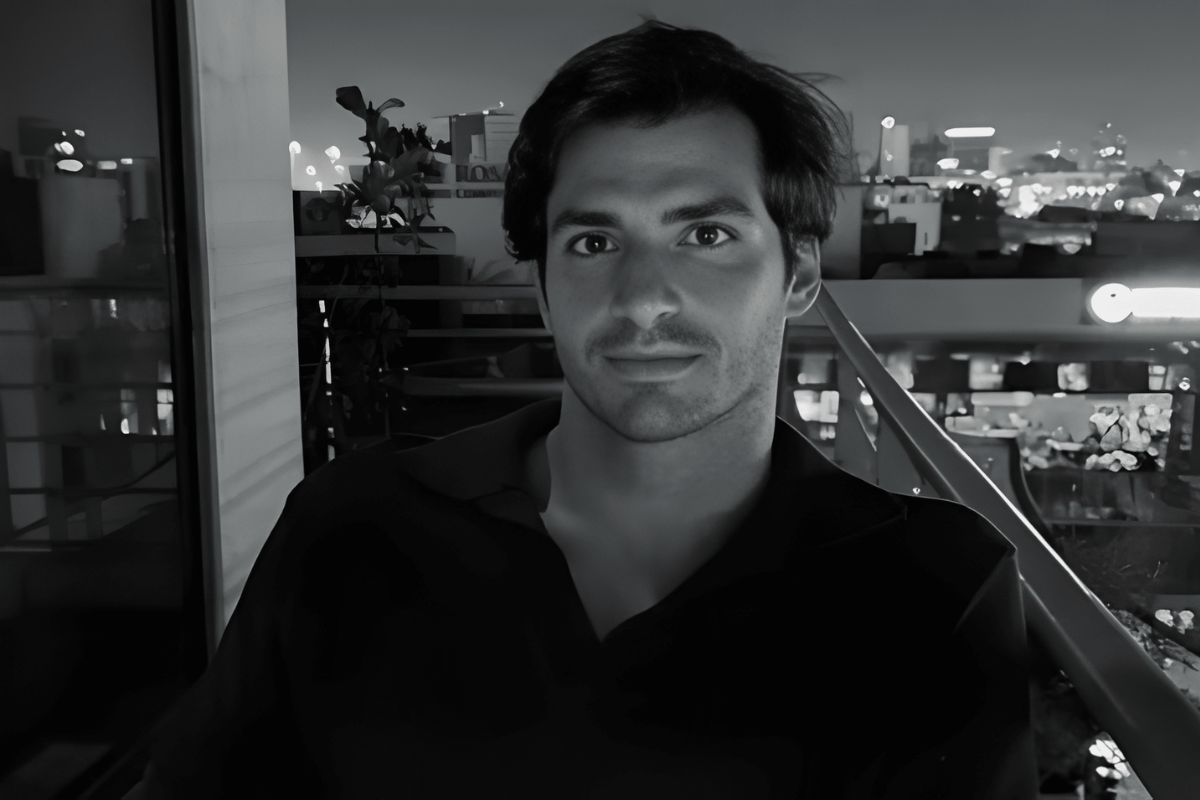
Experts were highly critical of the current situation. Carlos Sainz, the GPDA director, said drivers had previously warned officials about the dangers of large speed deltas. He emphasized that while Suzuka has more runoff than many street circuits, a similar incident at a narrow venue like Baku or Las Vegas could have far more serious consequences.
Also read || Best Circuits for Formula 1 Enthusiasts to Visit in 2026
Why The Battery Rules Matter
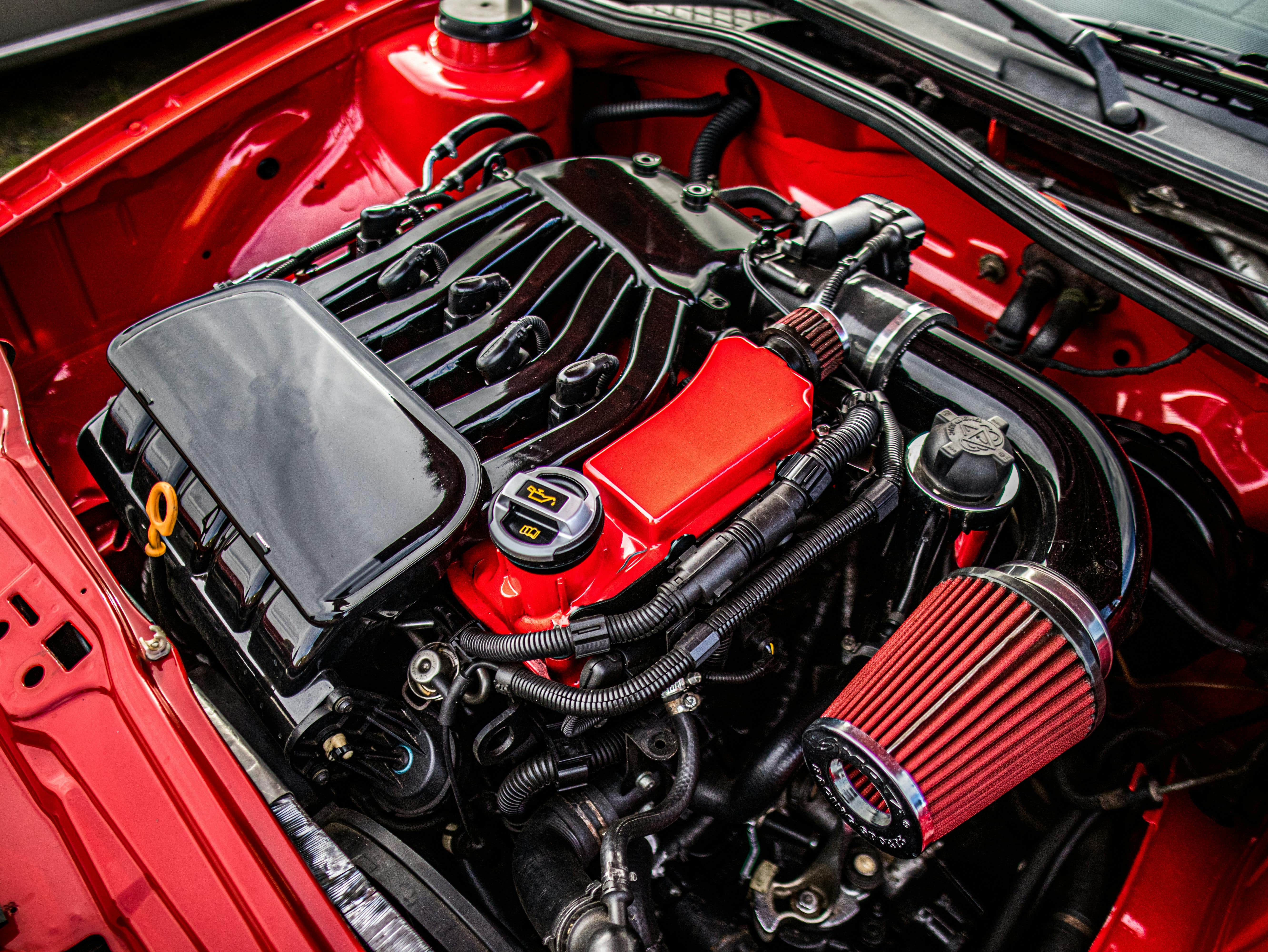
The goal of the 2026 regulations is sustainability, with a much greater emphasis on electrical power alongside the internal combustion engine. The new power units are intended to move toward an approximate 50:50 split between combustion and electric power. Before this, the balance was much more heavily tilted toward the ICE, so the new formula changes how energy is deployed and recovered.
Critics argue that this can make speed variation more dramatic, especially when one car is still using full deployment while another has already lost pace. That does not mean the regulations are automatically unsafe, but it does show how energy-management differences can affect racing situations at very high speed. Bearman’s crash is a reminder that when a car suddenly loses pace, the car behind may have very little time to react.
Comments (0)
Log in to share your thoughts
No comments yet
Be the first to share your thoughts!