What would you say to a country with a population of billions, and yet little to no medals in the biggest sports event in the world, that is the Olympics? When you see how the rest of the world celebrates the peak of athleticism at the Milano-Cortina 2026 Winter Olympics, and there is no banner from your country, it is a feeling beyond repair.
Some of the world's most renowned, popular, and populous nations send only a handful of athletes to compete with the "European and North American giant teams". The motive of sports is to bring together people from all corners of the world and from all walks of life to have a purposeful fight. Here are the seven most populous nations that remain underrepresented on the massive Olympic stage.
Also read || NHL Stars Ignite Milano Cortina 2026 Hockey: McDavid, Pastrnak Lead Epic Olympic Return
India: The Billion-Person Pioneer
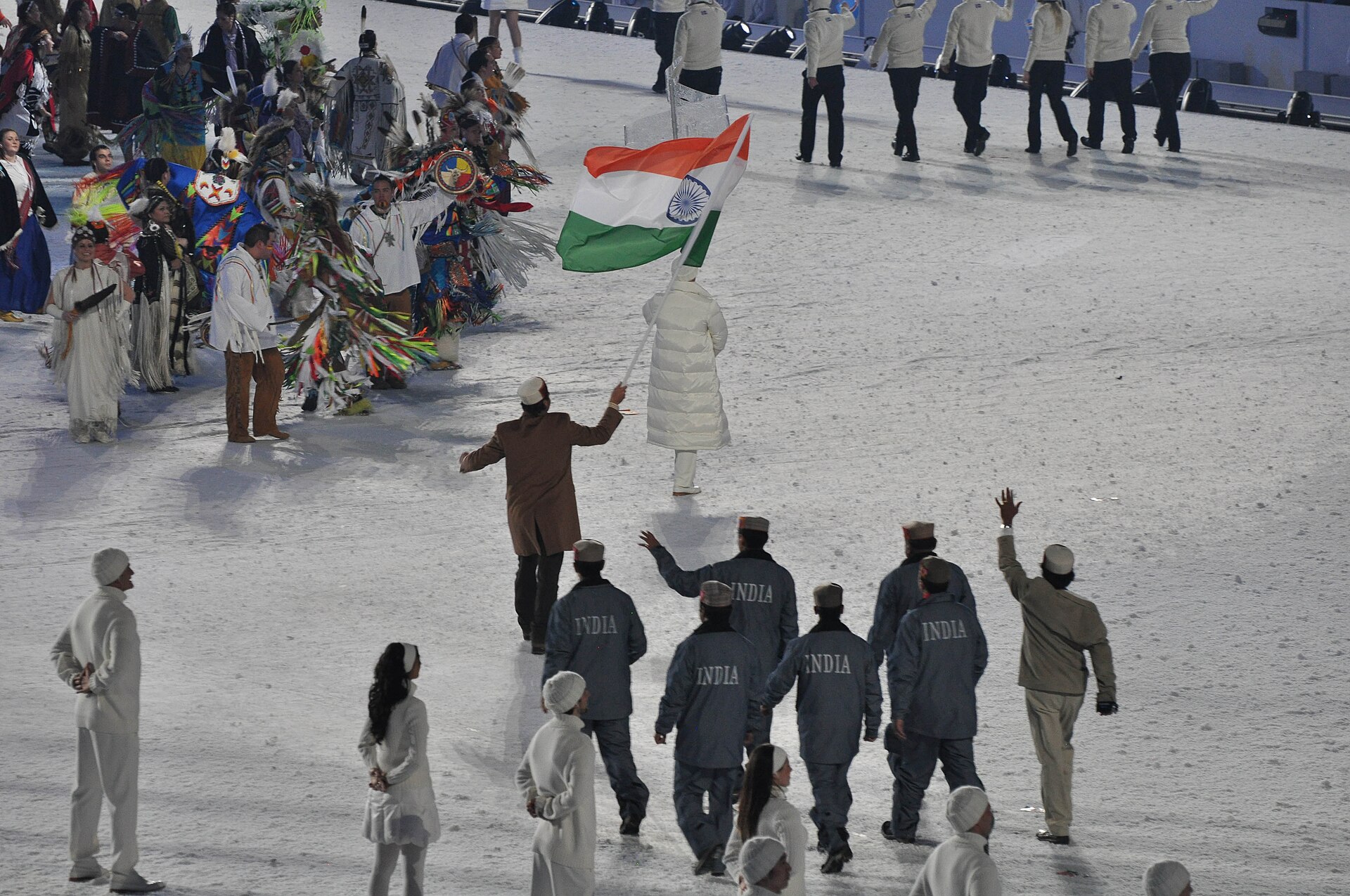
Despite being the most populous country with over 1.4 billion people, India remains underrepresented not only in the Winter Olympics but in the Olympics as a whole. They have a total of over 50 medals in the Summer Olympics over 124 years, including 14 gold, 11 silver, and 27 bronze. Interestingly, they have not won a single medal in the Winter Olympics.
They debuted at the 1964 Innsbruck Games with a single athlete, Polish-Indian Jeremy Bujakowski. Besides, the legendary Shiva Keshavan kept India on the Winter Olympics map for decades. However, only two athletes are representing India at the 2026 Winter Olympics: Arif Khan and Stanzin Lundup.
Nigeria: Breaking African Barriers
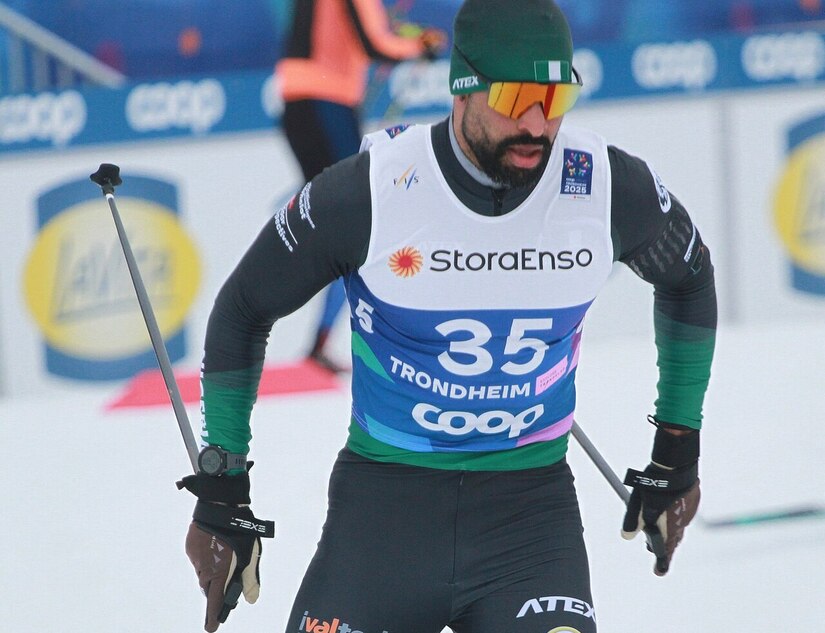
Nigeria has a population of over 240 million and is the sixth most populous nation. It has only been 8 years since they made global headlines when their women's bobsleigh team debuted at the 2018 PyeongChang Games. However, it makes sense because it is a warm country with no scope for ice sports.
At the Milano-Cortina 2026 Winter Olympics, Nigeria's presence remains limited. The country has sent only one male athlete, Samuel Ikpefan, who will be participating in the men's 10 km cross-country skiing at the Milano Cortina. Like most Nigerian winter competitors, he has dual citizenship as he was born in Annemasse, France. It highlights the lack of supportive infrastructure for Winter sports in Africa.
Pakistan: Persistence in the Peaks
%20%20.jpg)
Like India, Pakistan has some high mountain peaks, yet its winter sports infrastructure is nonexistent. They made their debut at the 2010 Winter Olympics. Since then, they have been sending no more than two athletes, such as Muhammad Karim, who will represent their motherland at the 2026 Olympic Games.
They have been participating in the Summer Olympics since 1948, yet they have only 11 medals, including 4 gold, 3 silver, and 4 bronze. Despite having a population of over 230 million, the country lacks the professional-grade slopes required for elite Winter Olympic training.
Also read || The Silver Grace: Chock and Bates’ Poetic Farewell in Milano Cortina 2026
Bangladesh: The Missing Populous Nation
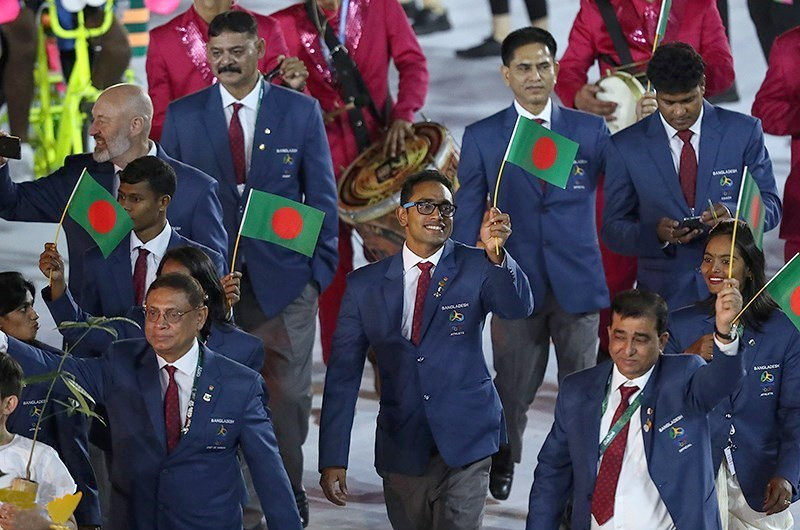
Most South Asian nations face similar problems: they have a young, active population that can bring accolades, but the infrastructure is neither supportive nor even non-existent for emerging athletes. With a population of over 170 million, Bangladesh has never won any Olympic medals and has not yet participated in the Winter Olympics.
They have also maintained a record of not sending any athletes to the 2026 Winter Olympics. There are multiple reasons, such as political turmoil, economic crisis, financial constraints, and, most importantly, the tropical climate, that have made winter sports nearly impossible for local athletes.
Indonesia: A massive nation with minimal participation
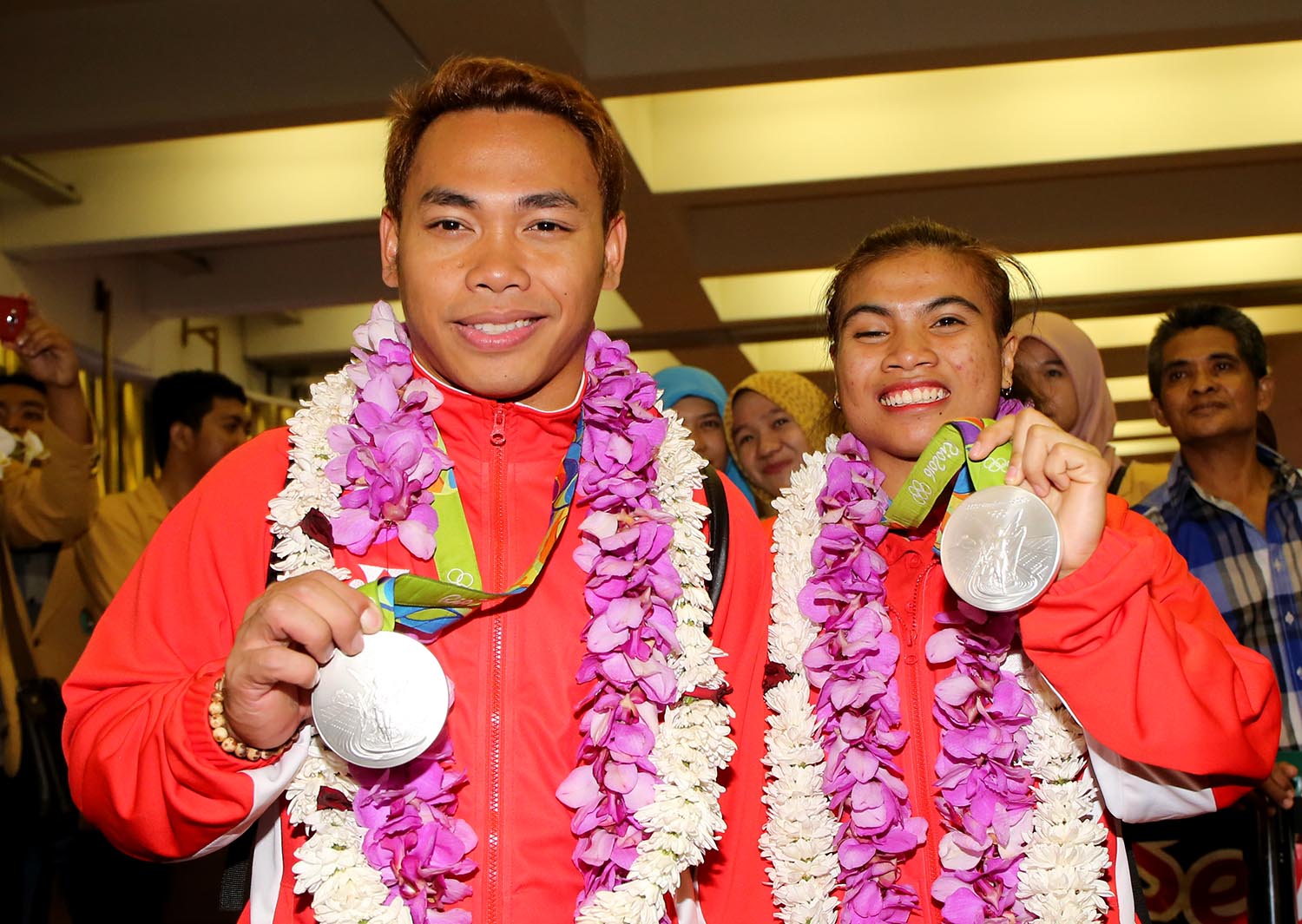
Indonesia might have mesmerizing landscapes, an ancient culture, and a touristy vibe, but it has never participated in the Winter Olympics. They have a population of over 270 million people and are the fourth-largest in the world. However, they have a total of 40 Olympic medals in the Summer Olympics, including 10 golds, and have evenly distributed 15 bronze and 15 silver medals.
They made their debut in the 2025 Asian Winter Games with six athletes, but they did not qualify for the main Olympic stage in 2026. They too have an extreme tropical heat and a lack of winter sports infrastructure or culture that would promote future participation in Winter sports.
The Philippines: The First Tropical Entry

The Philippines is famous for its warm hospitality, beauty pageants, intense passion for boxing, and iconic cultural staples like Adobo and Jeepneys. But there is one more thing to add to the list. The Philippines was the first tropical nation to compete in the Winter Olympics in 1972, and is still active in sports.
They have won 18 medals in the Summer Olympics, including three gold, five silver, and ten bronze, but have not won any at the Winter Olympics yet. In the last fifty years, they have sent several athletes, but the number remains unnoticeable. Figure skater Michael Christian Martinez and alpine skier Asa Miller have been rare success stories. This year, they have sent two alpine skiers, Francis Ceccarelli and Tallulah Proulx, despite a population of over 115 million.
Also read || Jordan Stolz Shatters Olympic Record, Wins 1000m Gold for Team USA at Milano–Cortina 2026
Ethiopia: Sporadic Himalayan Spirit
%20.jpg)
Ethiopia has been a good sport at the Summer Olympics, winning a total of 62 medals, including 24 gold, 16 silver, and 22 bronze. However, they have appeared only twice in the Winter Olympics, that is, in 2006 and 2010. Both times, it was cross-country skier Robel Teklemariam.
It's been almost 16 years since we last saw an Ethiopian Olympian in the Winter Olympics. Much like other African nations, Ethiopia has a population of over 135 million, is hyper-focused on the Summer Olympics, and is doing comparatively well compared to all the other countries on this list. In the long run, they may create a world-class training pipeline for emerging winter athletes.
Why These Countries Are Underrepresented
The world is a unique place. While some countries have abundant natural resources but a minimal financial structure to support winter sports, others are doing magic with minimal infrastructure and natural resources, such as Australia and the United Kingdom. There is a reason why Norway, Switzerland, Germany, the USA, and Austria dominate the Winter Olympics.
The countries listed above are mostly in tropical or subtropical regions, where snow is rare, making it difficult for local talent to thrive. And the priorities of most of these nations lie in developing basic infrastructure, so Winter Sports could be the last thing they ever work on. Besides, the cost of winter sports equipment and international travel often takes a back seat, while sports like cricket, field hockey, or football receive greater preference. In the end, it is impossible to build a good winter sports culture without state-funded infrastructure or corporate sponsorships.