Chaos kills productivity. Low productivity leads to chronic stress, and chronic stress kills. If you are a knowledge worker, being organized is the only way to sustain a career. These statements may look preachy, but they are not lies. Low productivity often fuels stress, with unresolved depression causing a 35% productivity drop and $210.5 billion in annual U.S. losses.
These losses are due to lost productive work time, including presenteeism. With elevated burnout risks costing global healthcare over $320 billion annually, managing your time, staying organized and calm are the best skills to have. During the COVID-19 era, most knowledge workers were in chaos because of the overnight explosion of remote work. People moved from attending closed-room meetings in elegant cabins, wearing formal shirts, to attending video meetings in pajamas from their dens.
Things have changed ever since. The goal in 2026 is not survival amid disruption but to design deliberate, efficient systems. With these systems or apps, you will experience reduced cognitive load, increased creativity, and better mental health, which might lead to greater success in your business or work.
Also read || Smart Money Toolkit for Young Professionals: Banking, Credit Cards & Apps That Simplify Life in 2026
Unify your tasks with Project management
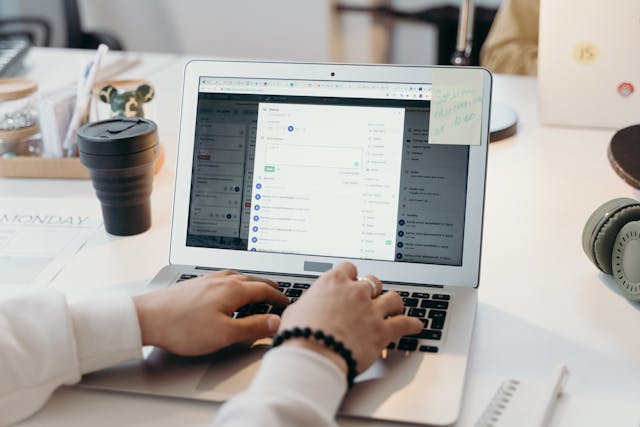
Fragmenting your tasks helps you accomplish them efficiently. It is better to use a centralized project management app to get an overall picture of the process. With tools like Notion, Asana, ClickUp, or Trello, you can centralize your responsibilities across your personal and professional life. The best thing about these tools is that you can streamline and visualize your work, leading to better team collaboration, improved organization, and better resource allocation. When your tasks are clearly mapped, mental energy shifts from remembering tasks to executing them calmly.
Make your calendar a Strategic Control Panel.
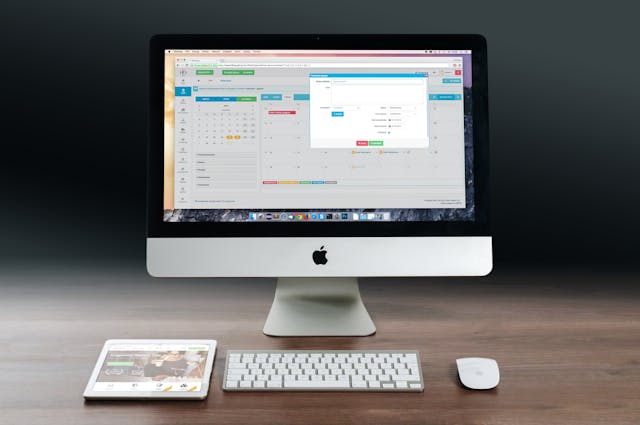
A calendar is not just a simple scheduling tool but a strategic control system. You can protect focus time and prevent overbooking using Google Calendar and Microsoft Outlook, thanks to AI scheduling assistants. Knowledge workers in 2026 treat calendars as boundaries, not just reminders. When you have blocked time, meeting insights, and workload forecasting, you can visualize your week and plan accordingly. It leads to reduced stress and streamlined workflow for a week.
Collaborative apps for better cross-functionality
Modern-day employees do not love working in silos. They derive meaning from their job when they understand the whole process rather than being a cog in the wheel. You can not check your emails 24/7. Thus, an app like Slack or Microsoft Teams is essential for daily collaboration among various stakeholders. The powerful part about these apps is their internal communication design, smart notification controls, AI summaries, and threaded conversations. In these apps, you can mute channels, reply to digest summaries, and favor asynchronous updates.
AI Assistants as Cognitive Copilots
Whether it is OpenAI's ChatGPT, Microsoft Copilot, or Google Gemini, artificial intelligence is no longer new and is here to stay. These AI assistants can handle everything from drafting and summarizing to analyzing data and planning. The proper use of these assistants can help you turn meeting transcripts into action items, emails into concise briefs, and ideas into structured plans. When you use them, you offload mental labor, reduce decision fatigue and stay focused without feeling irrelevant in your job.
Focus Tools That Protect Attention
Attention is our modern currency. People with better focus often become more successful than those who don't. There are apps like Freedom, Forest and Brain.fm that can help you block distractions. When you block distracting apps, you can work deeply for hours and manage energy levels without any mental fatigue. By 2026, these focus tools will be integrated with calendars and task managers to provide a distraction-free experience. The idea of focus tools is not forced productivity but conducive conditions for natural, sustainable focus.
Wellbeing and Stress Management Apps

The balance of physical and mental well-being is what one aspires to achieve. And, you can't separate it from productivity. There are apps like Calm and Headspace that can be well-integrated into your daily routine. As a knowledge worker, you can use short guided breaks, breathing exercises, and stress check-ins between meetings and conferences. By actively integrating these apps, you can recognize burnout as a systemic risk. The goal of these apps is to regulate your nervous system on high-pressure days and save you from mental chaos.
Also read || The Rise of Minimalist Smartphones and What It Says About Us
The Calm Stack Is About Minimalism, Not More Tools
While there can be an "n" number of tools you can add to your workday stack, it won't serve a purpose if you don't have intentions. This is a lean workday stack that any knowledge worker can use and get highly productive. The ultimate goal of these apps is to automate manual tasks, stay organized and focus on high-priority tasks. When you have clearly established tasks, you are more organized, calm, and focused, which leads to zero chaos. And, you know what chaos does to a person.