You might have seen a friend who eats plenty of processed foods yet is always energetic, in shape, and ready to go anywhere. On the other hand, some healthy eaters eat the cleanest foods but are often scared of everything. While this can be a coincidence, processed foods are not as villainous as you think. Some foods are very unhealthy, but if you know the right foods, you can still stay healthy, provided you don’t binge eat.
Washing, freezing, fermenting, pasteurizing, and packaging are all forms of processing. The core issue is not processing itself, but ultra-processing. In ultra-processing, foods are stripped of their natural nutritional value and become industrial products. And you know, when food becomes an industry product, you become a customer who craves that product. In the end, it affects your health, and corporations make money.
First, What Actually Counts as Bad Processed Food?
Packaging alone does not determine whether processed food is good or bad. It is defined by its impact on metabolism and by its chemical formulation. When talking about ultra-processed foods (UPFs), we often forget their implications, such as diabetes, high blood pressure, cardiovascular diseases, mental disorders, and even tumors or cancers. They are typically high in refined carbohydrates, unhealthy fats, added sugars, and artificial additives, while being poor in fiber and micronutrients.
Examples of these foods include soft drinks, quick noodles, packaged pastries, and sugary breakfast cereals. These highly palatable foods are convenient. Still, their long-term and frequent consumption can lead to obesity, insulin resistance, heart problems, and chronic inflammation. So, these are the foods that you should consume the least. Instead, you can pick any of the following foods.
Frozen Vegetables and Fruits

Sometimes, frozen fruits and vegetables are nutritionally better than freshly produced ones. Unlike fresh produce, they are generally frozen shortly after harvest, which helps preserve vitamins and minerals. Thus, maintaining the nutritional value. Comparatively, fresh fruits and veggies may lose nutrients during the long transportation and storage. The good thing about frozen vegetables and fruits is that they have no added sugar, preservatives, or unhealthy fats. Besides, it reduces food waste and cuts preparation time. It makes nutrient-dense foods available year-round, even in non-agricultural regions.
Plain Yogurt and Fermented Dairy

Plain yogurt, buttermilk, kefir, and other fermented dairy products can be the best processed foods if you are lactose-tolerant. Unlike many, these products improve digestibility and have beneficial probiotics that support gut health. The unsweetened versions provide protein, calcium, and beneficial bacteria without spiking blood sugar. However, one must limit flavored yogurt, loaded with sugar, syrups, and artificial flavors, as it can be highly processed. Better would be to pick plain or lightly sweetened options that preserve the health benefits.
Canned Beans and Lentils

People with busy lives do not get enough time to cook heavy and protein-rich meals. That is where canned beans and lentils fill the gaps. These underrated processed foods offer plant-based protein, fiber, iron, and complex carbohydrates with minimal effort. Although canned versions may have added sodium, one can rinse them to reduce the salt content significantly. When we compare canned beans/lentils with instant noodles or snacks, they are not carb-heavy or ultra-processed, and promote blood sugar stability and digestive health. Thus, we can consider it the best alternative to highly palatable snacks like noodles or fries.
Nut Butters With Minimal Ingredients
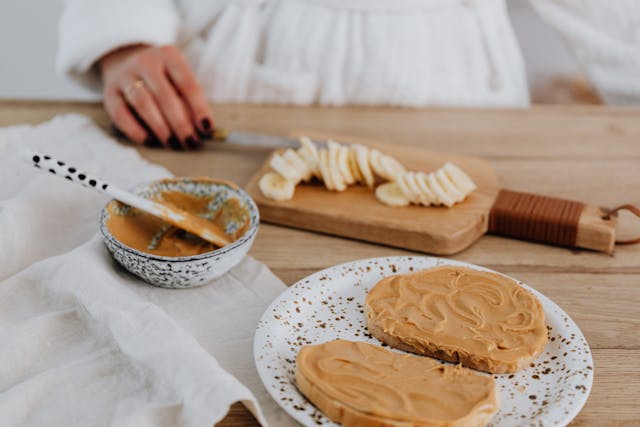
If you love almonds or peanuts, nut butters could be a good choice. They are processed but nutritionally dense when made with minimal ingredients. When you grind these nuts, they preserve healthy protein, fats, and micronutrients, and that's how basically a nut butter is formed. Some may attempt to change its texture and shelf life by adding extra salt, sugar, and hydrogenated oil. For your daily nutritional needs, the more basic nut butters can be a practical and satisfying choice.
Pasteurized Milk and Plant-Based Alternatives
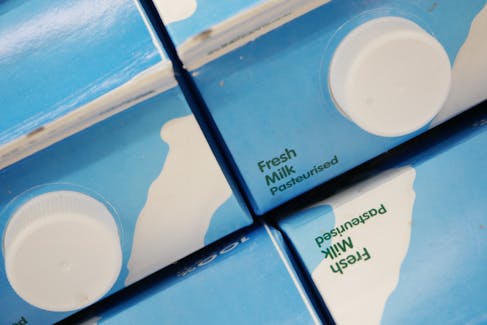
Every time you drink or consume a processed dairy product, you must thank Louis Pasteur, who came up with the concept of pasteurization.With pasteurization, food safety is maintained without reducing the nutritional value of the product. Despite being processed, milk, soy milk, and fortified plant-based substitutes all supply protein, calcium, and essential vitamins. The main distinction is whether you choose sugar-filled or unsweetened versions. Although flavored milk may taste better, it has no nutritional value. The purpose of pasteurization is to make fresh dairy and plant products available everywhere, where access is limited.
Dark Chocolate

Dark chocolates are not your regular chocolates, which are rich in sugar, calories, and fats, which may lead to weight gain, diabetes, and heart issues. Instead, dark chocolates contain antioxidants which boost your cardiovascular health.The high cocoa content and limited sugar offer better nutritional value than your everyday candy-style chocolate. However, wild consumption of dark chocolate can also be harmful to your health. Here, portion control matters a lot. The moderate consumption can fit into your regular diet without affecting it much.
The Difference that Matters for real!
In fast-moving lives, you can not wholly ignore processed foods. While eating organic and fresh food would always be recommended, not every food can reach everywhere instantly. That is the gap which processing fills. The core problem is not processing but over-processing. In ultra-processed foods, you will lose adequate nutrition, which would help you gain nothing except extra calories.
Eating healthy foods will always win in the long run, but most of us are not sages who can compromise with our taste buds. You can't avoid all processed food. It is neither practical nor necessary. Instead, a more effective approach is to limit such products while using minimally processed foods to balance health and convenience. Informed eating habits will always win over extreme choices.