
Every year, we start with new commitments—the commitments related to health, relationships, career, and whatnot. While everything has its significance, nothing can beat a healthy mind. As a result, mental health has become a recurring investment. Many young professionals are investing early in mental health, physical health, and quality sleep as part of long-term, sustainable career goals. In the UK, 83% of Gen Z frontline workers report burnout symptoms, compared to 66% of older cohorts, indicating that younger workers experience the sharpest increase in fatigue, says a Meditopia Wellness report.
They are willing to spend money on the prevention of burnout. Wellness has shifted from an aspiration to infrastructure. It's not only about hour-long therapy sessions, once in a while. Regular counseling, coaching, and digital mental health or well-being subscriptions are now a routine expense. The stress is not only because of odd working hours or more demanding jobs. Still, it is primarily driven by economic uncertainty and constant connectivity. Many young professionals are actively investing in weekly therapy check-ins, mindfulness sessions, and structured emotional tracking to understand what matters most in their lives.
Digital Platforms are essential entry points.
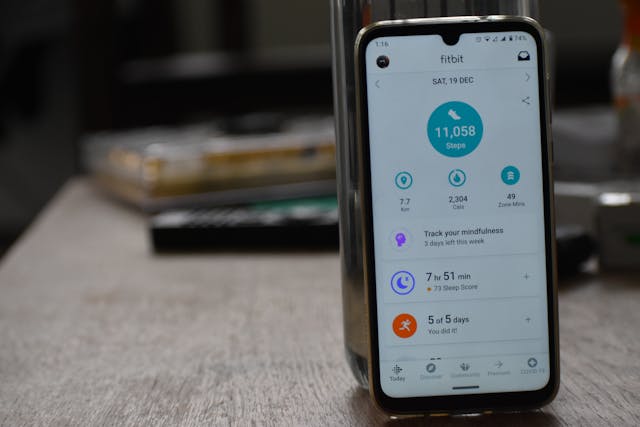
If you are a beginner, you can start caring about your mental health by adding a digital tool from the Play Store or App Store. Young professionals between the ages of 22 and 40 rely a lot on guided meditation tools, AI-supported coaching, and app-based therapy for their mental wellness. Many new employers are also increasing coverage by adding subsidized online therapy sessions and mental health days in benefit packages. It happens because no good company wants increased attrition and decreased productivity. All these digital platforms offer young workers affordability, flexibility, and privacy, which matter the most in a sustainable career.
Mental clarity is the north star.
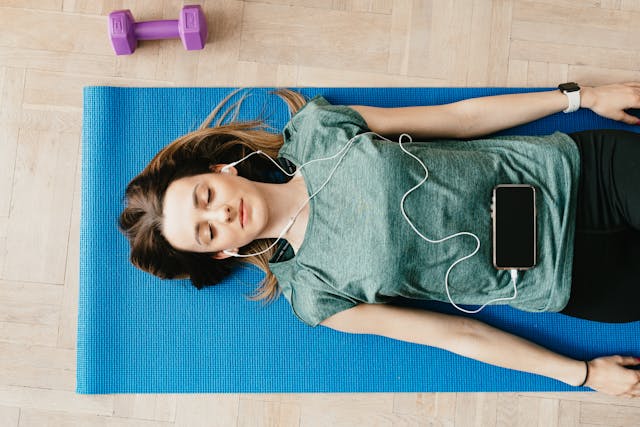
A healthy mind is home to thousands of creative ideas, and the 21st century values creativity over routine work. Young workers are focusing more on energy management and mental clarity over appearance-driven business objectives or goals. Many people attend the gym and do regular exercise not only for physique, but to manage stress relief, emotional regulation, and sustained focus. Thus, mental health benefits have become a primary reason for regular workout sessions. However, this is possible mainly for companies with a good work-life balance, where you can integrate workouts into work days.
Many young workers are adopting consistent, lower-intensity fitness habits over extreme health routines. Whether they are performing yoga, strength training, or walking 10,000 steps daily, their primary goal is staying consistent rather than following strict health regimens. That is one of the reasons why wearables and fitness apps are being sold heavily in the market. With efficient apps and gadgets, you can track whether you're working out with your full potential or not.
Nothing can beat a good night's sleep.

A good night's sleep was always a priority, and will always emerge as the best-protected wellness pillar. Young professionals have recognized that chronic sleep deprivation affects mood, focus, immune health, and career performance. According to the Life Time 2026 Wellness Survey, 69% of professionals prefer 8 hours of sleep over snacks, with 43% rating their sleep "good". With an 8.5% CAGR, the sleep economy (wearables and apps) is projected to reach $1 trillion by 2033.
The wearables allow you to track not only hours, but the quality of sleep you are getting. Thus, giving you more actionable insights. When you have enough data, you can correlate where you are going wrong and why your concentration is shaky. And why are you behaving differently? The data-driven approach to sleep can help many people recover from their bad sleeping habits and chronic sleep deprivation.
Wellness spending is not a luxury anymore.

Lately, a lot of young professionals are prioritizing their health and wellness over what you might call traditional expenses. Things like gym memberships, wellness apps, or therapy sessions are now seen as essential expenses—just like rent and daily commute costs. This change really shows how values, experiences, and habits are evolving when it comes to long-term health. More and more, young folks view spending on wellness as a wise investment in their future earning potential, not just something extra.
Data makes wellness sustainable.
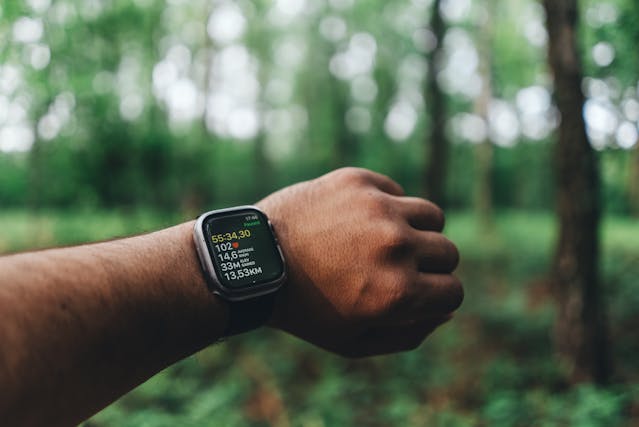
With heavy reliance on AI and data analytics, wellness routines have evolved. A data-driven approach helps you personalize wellness platforms based on your needs. They combine your sleep data, mood tracking, work patterns, and activity levels to enhance your app experience. When you have enough data, you eliminate the guesswork and adjust your lives as you evolve. There is no one-size-fits-all advice; users receive insights that are customized to their unique bodies, schedules, and stress levels. And, when you have this level of personalization, not only does it boost adherence to the regimen but also makes your wellness routine more sustainable in the long run.