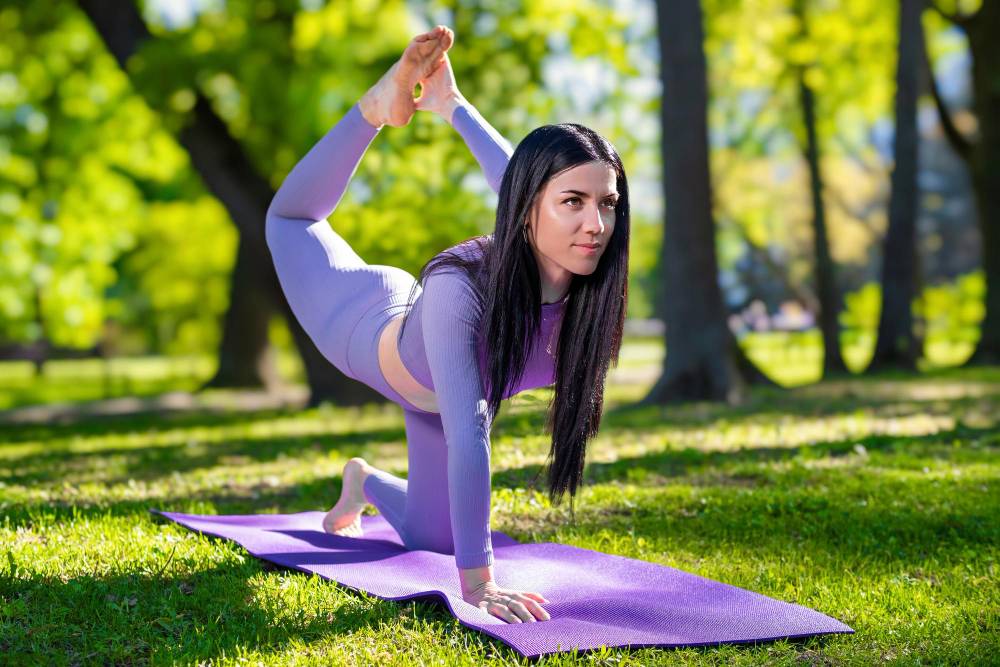
The Core Shift: From Muscle To Nerve
Traditional yoga practices focused on stretching the muscles. Somatic yoga (Yoga 2.0) focuses on ‘re-educating’ the nervous system. Instead of forcing a limb into a position, practitioners uses slow and micro-movements to listen to the body’s internal signals.
• The Goal: To move the body out of a chronic “Fight or Flight” (Sympathetic) state and into a “Rest and Digest” (Parasympathetic) state.

• The Science: The vagus nerve is the ‘superhighway’ of the nervous system and Yoga 2.0 uses specific physical and respiratory triggers to activate it.
The Mechanics Of “Nervous System Yoga”
If you step into a Yoga 2.0 class today, the ‘vibe’ is noticeably different. It is less about the heat and the music and more about the “Internal Architecture Of The Body.”
Yoga 2.0 is “Coherent Breathing”
The Method: Inhaling and exhaling for an exactly equal count (usually 5.5 to 6 seconds each).
The Impact: This specific rhythm creates “cardiovascular coherence,” where your heart rate, blood pressure and brain waves sync up into a single, unified frequency. It is the fastest way to signal ‘safety’ to the brain.
Somatic shaking and pandiculation:
Instead of static holds, you will see ‘Pandiculation,’ the natural way through which animals stretch themselves up.
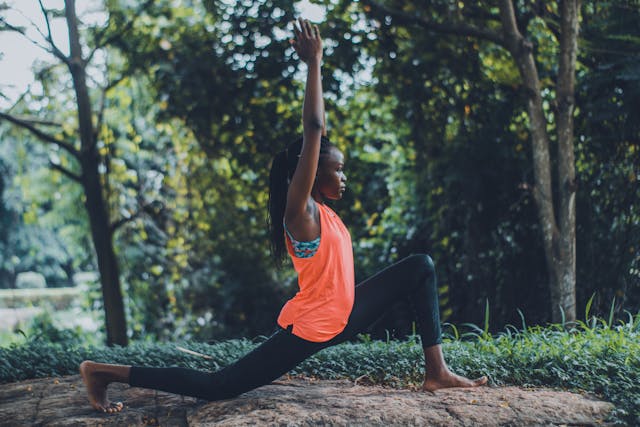
Somatic Shaking: Drawing from trauma release techniques, shaking helps to discharge the physical energy of stored stress that lingers in the fascia and muscles.
Why It's The Key To Sustainable Health
Higher Adherence: When you feel that yoga feels like a ‘reset’ rather than a ‘chore,’ you will be willing to do it more often. It will not feel like some sort of a punishment, it can be practiced on a daily basis, even during the moments when you are highly stressed.
Emotional Resilience: By training the nervous system to return to a “calm baseline” after a stressor, practitioners find they are less reactive to daily life pressures.
Chronic Pain Relief: Much of the modern chronic pain is “neurogenic” caused by a nervous system that is stuck in a guarded state. Somatic movements ‘unlocks’ these guarded patterns from the brain and helps it to function smoothly.
Practicing “Yoga 2.0” Today
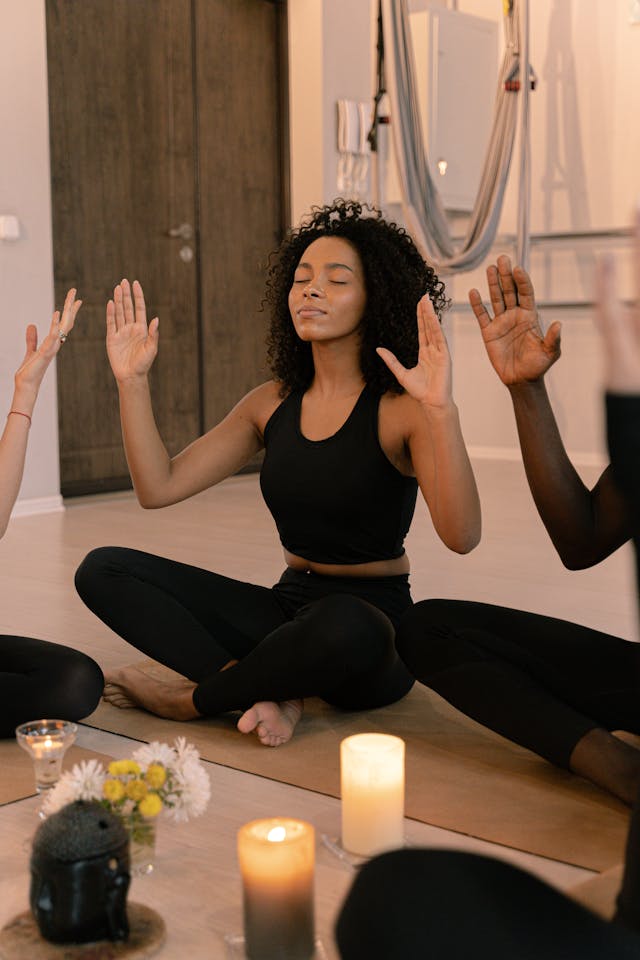
It is definitely not required to do a strenuous 90 minute class of yoga to keep your nervous system regulating. Integrating these wellness rituals into your daily routine can help you like nothing else:
• The Physiological Sigh: Do two quick inhales through the nose followed by a long, slow exhale through the mouth. You can do this yoga thrice a day to instantly bring your heart rate to a normal level. Extremely beneficial for patients who are suffering from any kind of cardiovascular health ailment.
• The 6-6 Breath: You can use a timer to breathe in for 6 seconds and out for another 6 seconds for just two minutes, before attending a meeting or any other important event which makes you feel nervous or anxious.
• Floor Grounding: Lie flat on your back with your legs up the wall. This position of the yoga, combined with slow breathing is the ultimate “vagus nerve back.”