In 2026, as our digital environments become increasingly fragmented, bilateral audio has emerged as a science-backed tool for improving our focus, providing anxiety relief and balancing emotional regulation. But have you ever wondered what exactly is happening between your ears?
What Is Bilateral Sound Therapy
Bilateral sound therapy involves auditory stimuli like music, clicks or tones that alternates the rhythm between the left and right ears. Unlike standard stereo sound, it creates a “pacing mechanism” for the brain. It is based on the same principles as EMDR (Eye Movement Desensitisation and Reprocessing), a gold- standard therapy for trauma that uses rhythmic left-right stimulation to help the brain process “stuck” information.
How Does It Work
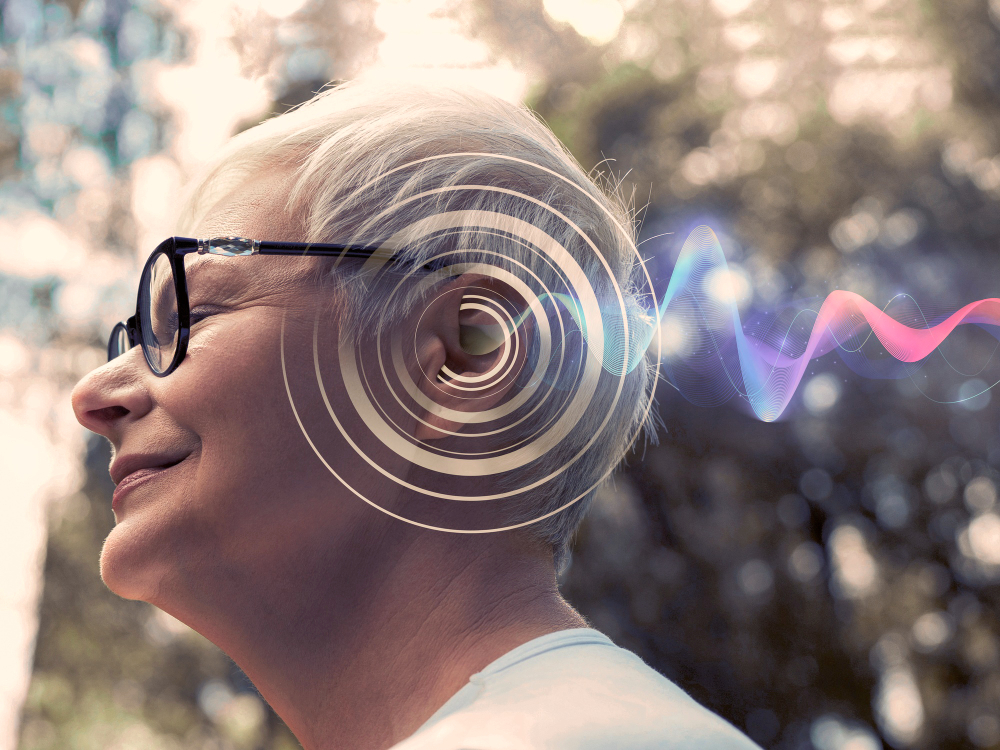
When sound shifts from one side to the other side, it forces the two hemispheres of the brain to communicate more effectively.
Inter hemisphere Communication: The alternative pulses encourage the left(logical) and right(creative) brains to synchronize.
Parasympathetic Activation: The rhythmic nature of the sound acts as a “metronome” for the nervous system, often bringing the heart rate to the normal level and reducing the “fight or flight” response.
The “Flow State” Bridge: It is capable of providing a consistent, predictable rhythmic input which makes the brain easily tune out external distractions, making it a favourite for those with ADHD or high-stress jobs.
3 Ways To Implement In Your Daily Life
For High-Stakes Productivity
If you are finding yourself under pressure due to overloading of tasks at your workplace,then try using bilateral “brown noise” or “pink noise.” The lateral movements created by these sounds provide enough sensory input to keep the “distracted" part of the brain occupied, allowing your executive function to focus on the work efficiently.
For Anxiety And Panic
During moments of high stress, bilateral tones can help “ground” the user. With a focus on the physical sensation of the sound moving from left to right, you can pull your awareness away from spiraling thoughts and back into your body.

For Emotional Processing
Many therapists recommend bilateral music as a tool for journaling. It can help in lowering down the defensive barriers of your mind, which allows you to access and express your inner feelings more fluidly.
Getting Started
For experiencing these benefits, you don't need expensive equipment, but you do need “headphones.” As the therapy depends largely on the isolation of the left and right channels, it is not going to ensure good results through a standard laptop or phone speakers.
Look for: “8D Audio,” “Bilateral Stimulation,” or “EMDR Music” on your favourite streaming platform.
Start from Low: The volume at which you hear the sound should feel comfortable and not overpowering.
Be Cautious: If you have experienced severe trauma or complex PTSD, it is best to use bilateral therapy under the guidance of a licensed professional.

Finally
Bilateral sound therapy is not all magic, rather it is a biological hacking. By simply changing the way sound enters our ears, we can change the way our brain processes the information it receives.