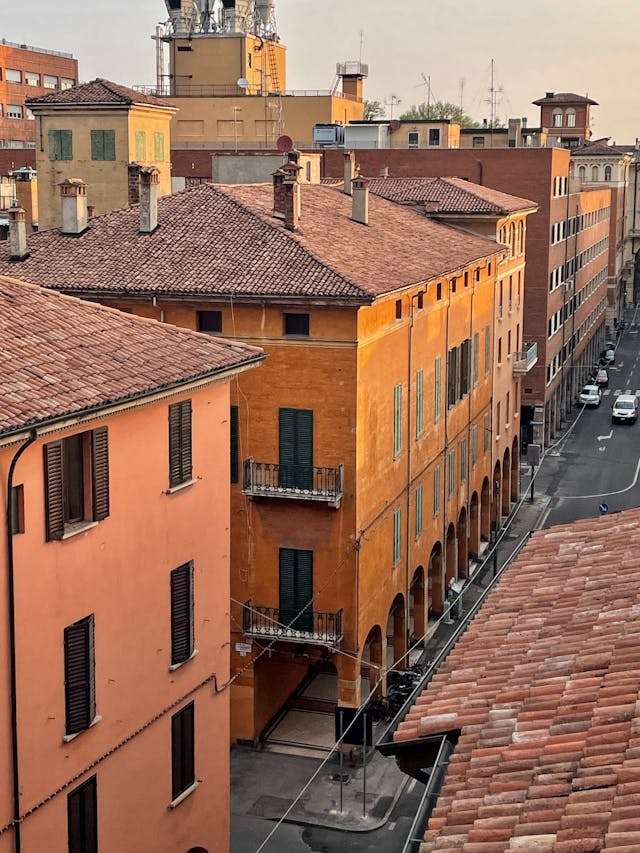
Earthy Tech In A Digital Age:
At present, the skyscraper is undergoing is going through what is known as ‘metamorphosis.’ For decades together, the concept of transparency was the base feature of architectural currency, however, as global temperatures has soar high, our dependence on glass has become a liability.
Why Terracotta, Why Now?
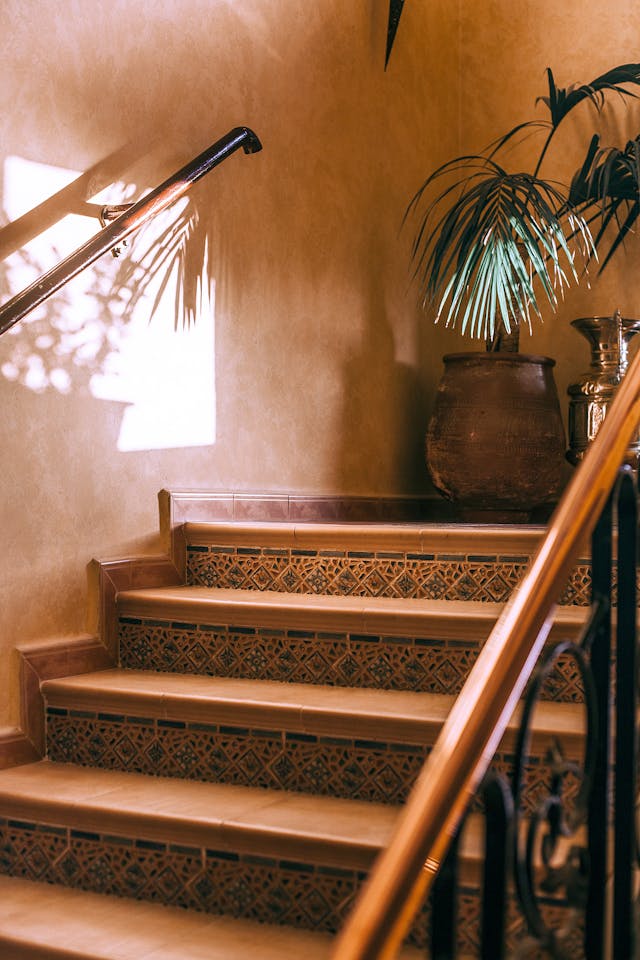
In literary sense, the term terracotta means ‘baked earth’ is one of the most sustainable materials in an architect's toolkit. Unlike concrete glass or glass, that requires extreme temperatures and hugh carbon output to manufacture, terracotta is a abundant, recyclable, and possesses unique ‘thermal inertia.’ This means that it absorbs heat during the day and releases gradually at night, naturally regulating a building's internal temperature.
The ‘Tech’ In Earthy Tech
The main factor behind making this concept ‘hot’ for the year 2026, is the integration of ‘computational design.’ Architects are now seen using algorithms to 3D print terracotta components with precision geometries that were previously impossible.

Aerodynamic Shading: Fins and fluted panels are intentionally designed so as to create micro shades across the building’s surface,
Passive Cooking Channels: Hollow Terracotta extrusions allows air to circulate within the ‘skin’ of the building, acting as a natural Sir conditioner.
Biophilic Integration: New porous ceramic blocks are currently being engineered to hold moisture and support the growth of vertical moss and lichen, turning skyscrapers into living ‘lungs.’
The Global Shift:
Starting from the luxury lofts of New York to the ‘home that breathes,’ in Vietnam, the rich, sun baked palette of burnt orange and deep sienna is replacing the cold gray shades of 2010s. It shows a sign towards ‘neuro architecture,’ a design that prioritises the human need for basic things like warmth, texture and a connection to the natural world.