The Rise Of The Dark Store Networks
At the center of this revolution, lies the massive expansion of dark stores, the micro fulfillment centers located in high density urban areas that are closed to the public and optimised purely for picking and packing for delivery to the customers.
Hyper-Local Proximity: By 2026, these micro warehouses will be tripled in numbers in the leading markets, delivering products to the customers in no time.
Efficient By Design: Unlike traditional warehouses, the dark stores are built in such a way to ensure speed, with picking and packing cycles reduced to just 2-3 minutes per order.
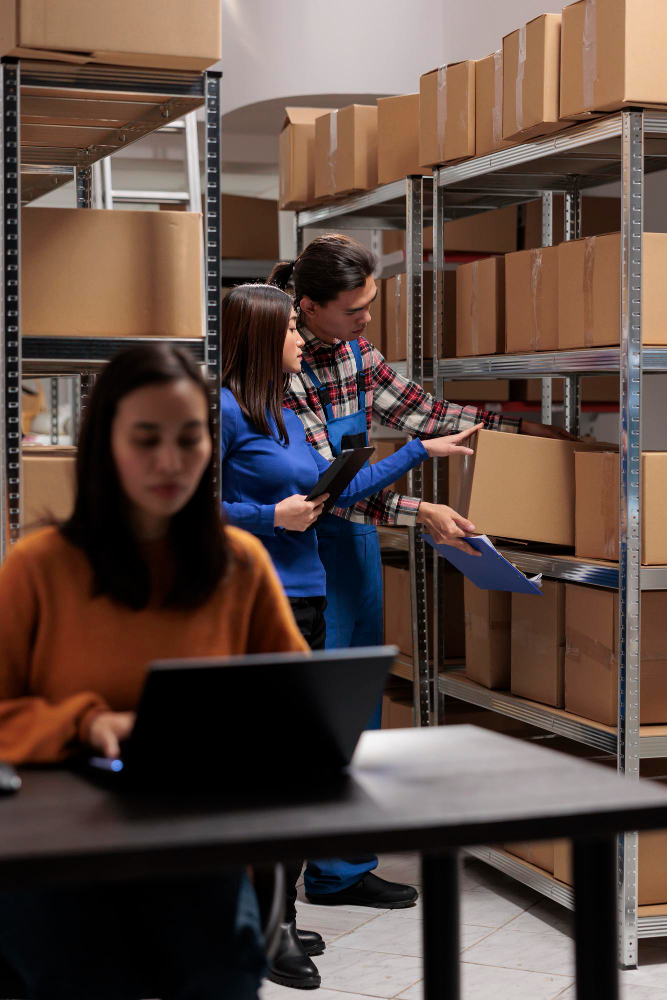
Predictive Stocking Of Items: By utilising the AI driven demand forecasting, these hubs pre stock high velocity items based on real time regional trends, ensuring the products are 3-5 miles away from the customer's place before an order is even placed.
The Last Mile Game Changer: while dark stores are solving the storage problem, autonomous delivery robotics are taking the initiative to solve any issue arising from cost estimation and congestion issues of the final mile.
Sidewalk And Road Robots: companies such as ‘starship technologies’ and ‘nuro,’ have deployed thousands of robots. Sidewalk robots now handle a significant portion of dense urban last mile deliveries, offering up to 50%+ per delivery savings by operating 24/7 without driver costs.
Drone Delivery: To ensure fastest delivery to a customer who is in critical need of some items, the facility of drove delivery is also there. Leading providers have logged over 100 million commercial autonomous miles, providing ‘minute level' delivery for medical supplies and lightweight essentials.
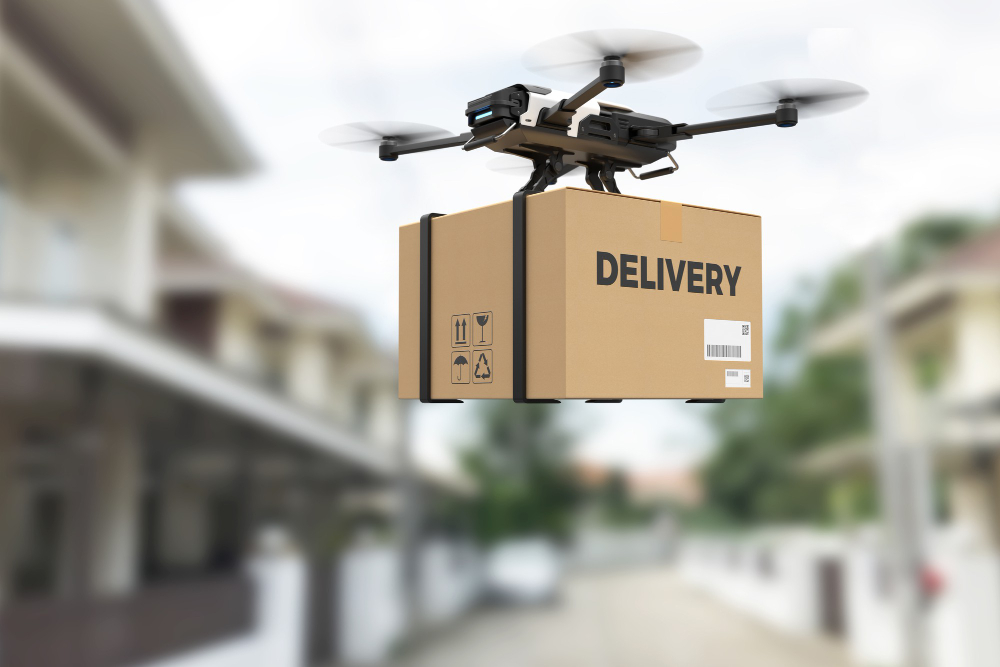
Sustainability Gains: Autonomous robots can reduce greenhouse emissions by up to 84% compared to traditional delivery trucks.
Why Is ‘Minute Level' Delivery Mandatory
For businesses, the shift to ultrafast fulfillment is not just about convenience, it is more about critical growth lever.
Consumer Ultimatum: Approximately 80% of the customers now expect same day delivery as an option and nearly 28% will abandon their cart if the delivery timeframe does not meet their immediate urgency.
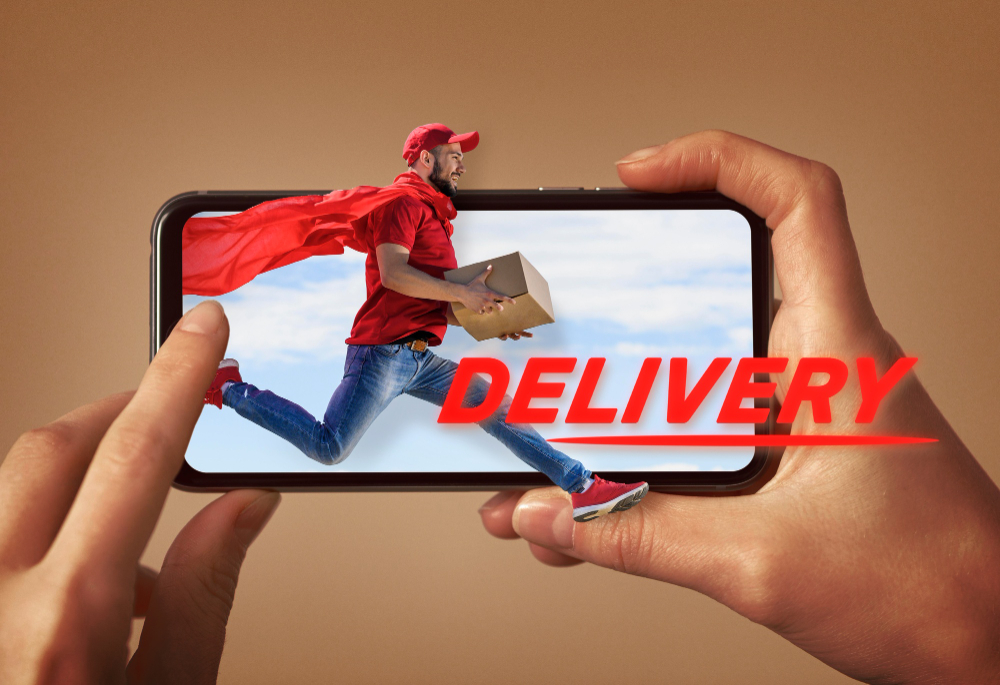
Conversion Catalyst: Items that are offering faster delivery windows consistently record higher conversion rates, proving that speed is now a primary purchase trigger for impulsive categories that includes fashion, beauty and electronics.
Operational Resilience: Presently, the brands dominating the market are those that have replaced the static routing with AI powered orchestration that can adjust delivery plans in real time on the basis of traffic, weather conditions and dynamic order drops.
As we progress through 2026, the challenge for retailers lies no longer in deciding whether or not to adopt these technologies, but how quickly they are able to integrate them in enhancing their services.