Understanding The Three Tier System
For decades, the American childhood immunization schedule has followed a ‘universal recommendation’ model approach that grew to include protection against 17-18 different diseases. However, as of January 5, 2026, the Department of Health and Human Services (HHS) and the CDC have fundamentally restructured this system.
The 2026 overhaul categorizes vaccines based on international consensus and individual risk profiles. The goal, according to HHS Secretary Robert F. Kennedy Jr., is to align the U.S with the medical standards of peer nations like Denmark and Sweden while rebuilding public trust through transparency.
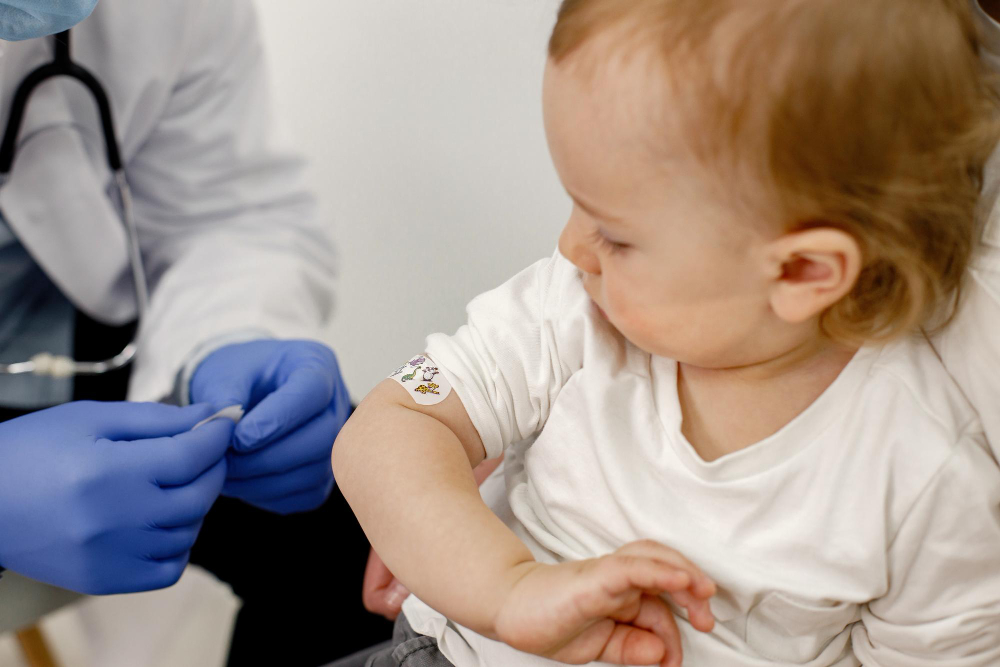
Tier 1: Universal Recommendation
These are the vaccines the CDC still recommends for all children irrespective of any kind of health vulnerability they have. These shield them from diseases with high transmissibility or severe outcomes where a global consensus exists.
Diseases List: Measles, Mumps, Rubella(MMR), Polio, DTaP(Diphtheria, Tetanus, Pertussis), Hub, Pneumococcal disease, Varicella(Chickenpox) and a newly streamlined single-dose HPV vaccine.
What's Changed: The schedule for universal shots has been tightened to improve ‘immunological efficiency,’ reducing the total ‘needle burden’ on infants.
Tier 2: High- Risk Patients Only
These vaccines are no longer recommended for the general population but remain highly advisable for children who are suffering from certain health ailments (e.g., asthma, heart conditions, or living in outbreak-prone areas).
Diseases List: RSV, Dengue and certain Meningococcal strains.
Tier 3: Shared Clinical Making
This is the most significant change in the health sector. For several widely used vaccines, the CDC has removed the ‘universal’ label. Instead, these shots have now changed into the matter of informed consent between the parent and the doctor.
Diseases List: Influenza(Flu), COVID-19, Rotavirus, Hepatitis A and Hepatitis B.
The Logic: Officials state that while these vaccines offer the patients with benefits, their risk-benefit profile varies by child. Parents can now ‘opt-in’ based on local disease activity and their child’s specific medical history.
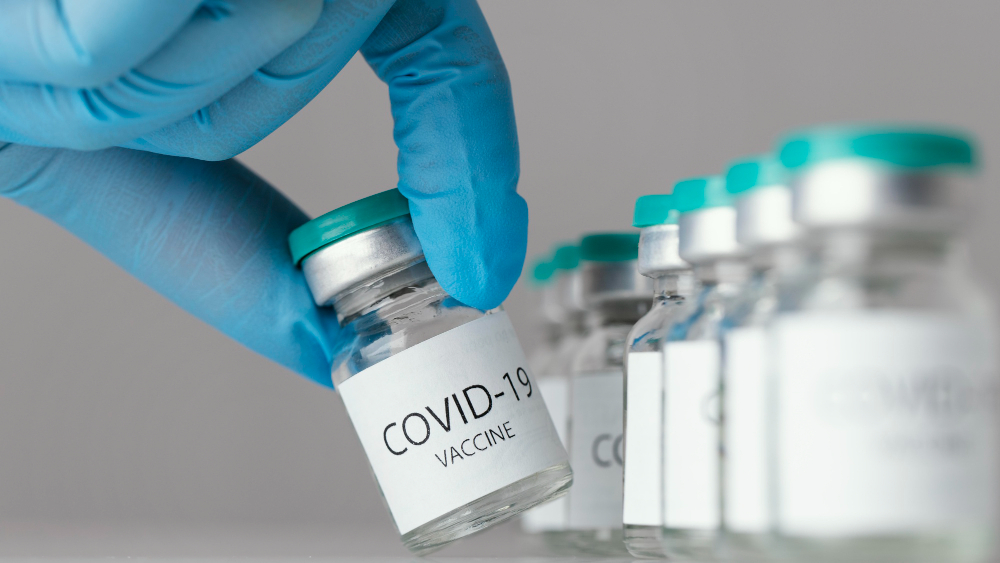
The Rise Of Medical Personalization
The 2026 trend in public health is moving away from broad mandates towards ‘precision medicine.’ This “shared decision making” model acknowledges that a healthy five year olds in a rural area may have different immunological needs than a medically fragile child in an urban city.
Classic Factors In Shared Decision Making
Community Outbreak Data: “Is the Flu or Rotavirus currently spiking in your zip code?”
Family History: “Do you have a family history of specific immune responses or allergies?”
Child Wellness Status: “Is your child’s baseline health robust, or do they have any underlying health issue?”
“ By moving towards a shared decision model, we are restoring the doctor-patient relationship,” says the 2026 HHS Factor Sheet. “It allows for more flexibility and choice, with less federal coercion.”
Practical Implications For Parents
Insurance Coverage: Despite the reclassification, the federal government has confirmed that all vaccines previously in the schedule including those now in the ‘shared’ category will remain fully covered by federal insurance programs and most private insurers without cost-sharing.
School Mandates: Though the CDC sets the recommendations, individual states still set mandates for school entry. Parents should check their specific state’s health department website, as a ‘shared decision's vaccine at the federal level might still be required for school in certain states.
Pediatrician Visits: Expect longer sessions of consultations. Your child visits will now involve a deeper dialogue about which ‘Tier 3’ vaccines your child actually needs.

Rebuilding Trust Through Choice
The 2026 vaccines schedule update is a landmark moment in the history of American public health. While some medical societies express their concern towards the fewer shots that it can lead to localized outbreaks. With better understanding of the tiers and engagement in shared clinical decision-making, parents can now draft a health plan that feels safe, scientific and personal.