The Decline Of The Universal “Signature”
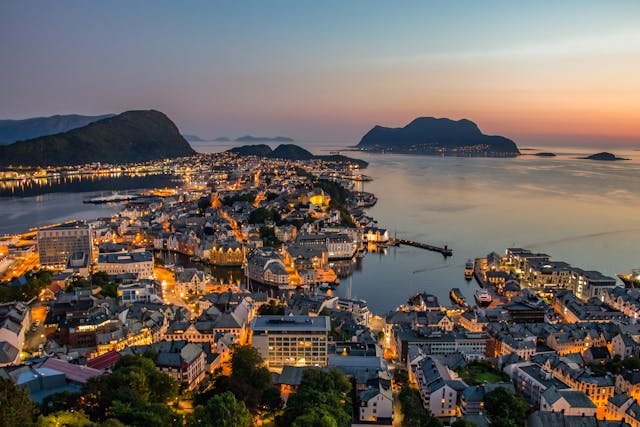
For decades, cities used the term “starchitecture” as a tool for branding, which often prioritized a famous architect’s singular vision over functional or cultural relevance. However, with the starting of the year 2026, this model is viewed as an outdated concept for several critical reasons.
Many starchitect projects are currently being criticised for ignoring climatic differences and community needs in favor of a “monumental break” from the environment. Industry experts have noticed that high profile designs often sacrifice practicality and sustainability for giving better visual impacts, leading to higher maintenance costs and low adaptable spaces.
The New Vanguard: Contextual Modernism
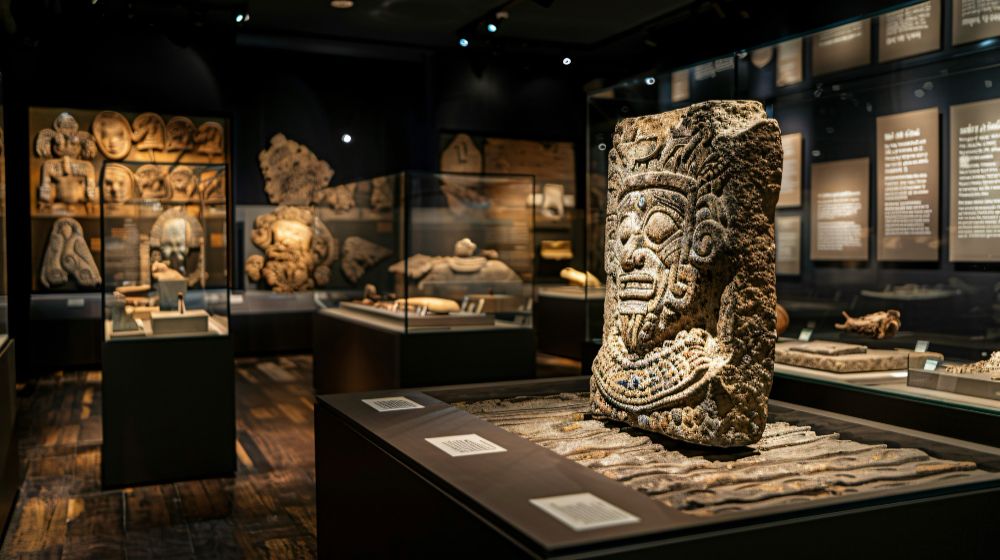
In 2026, the modern trend is “Contextual modernism.” Modern firms are seen applying this new emerging concept as a narrative shaped by the rhythms and past history associated with the site. The contextual studios prioritise the usage of vernacular techniques and local materials such as reclaimed stone or mud based structures to create buildings that “belong” to their landscape.
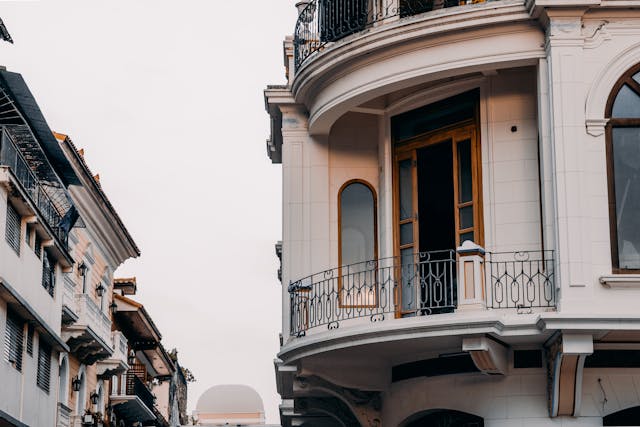
One of the leading chains of hotels, exemplifies this, using classical vocabularies and arches to respond to a city’s specific architectural legacy.
2026 Trends Defining The Shift Towards Contexturality
The year 2026 is basically defined by tactility and comfort, the feeling of natural linen or a handcrafted chair, rather than the usage of glitzy chandeliers.
The hotel lobbies are no longer the transactional waiting areas; they have now turned as “social pubs,” connecting the hotel to its surrounding urban fabric.
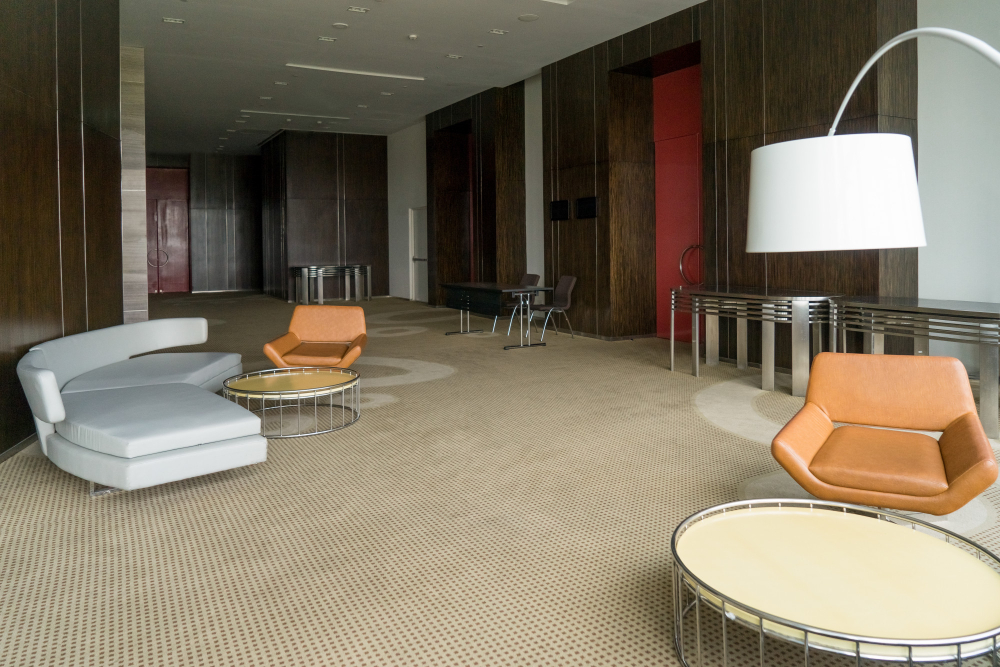
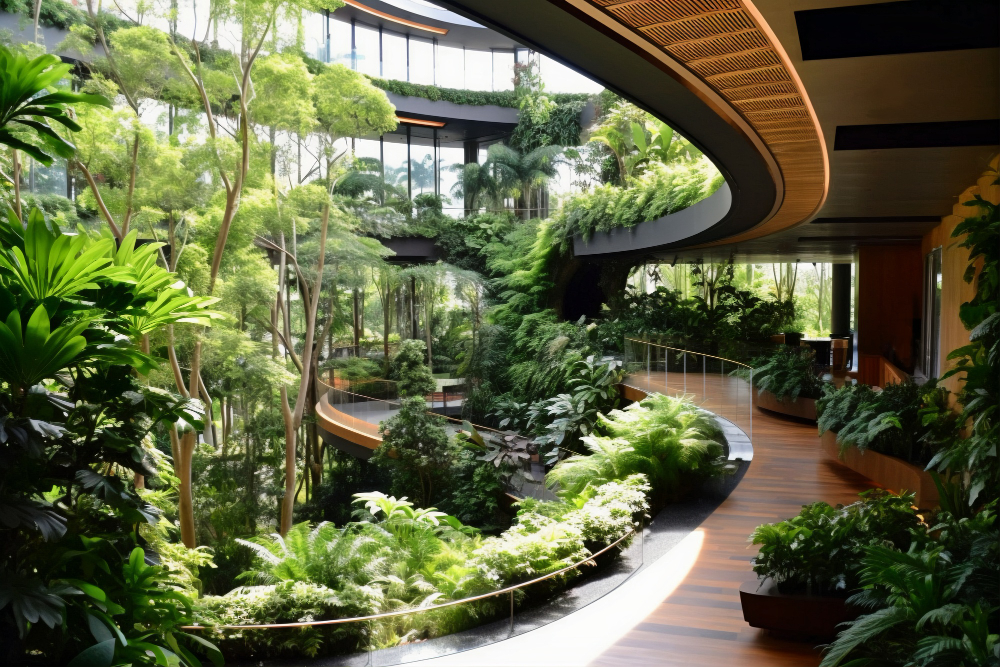
Only those designs are being used which “regulate the nervous system,” with soft daylight and a set of quiet details which are intended to calm guests instantly upon their arrival. These studios are also aiming to move from basic sustainability to implementing designs that actually brings an improvement to the local ecosystem, such as restoring habitat corridors or integrating native plantings.
Why Contextual Wins: The Commercial Case
Modern travellers prioritise experiences that reflect their identity; the sense of loyalty is now transitioning from “favourite dishes” to “favourite feelings.” Thoughtful and contextual anchored spaces encourage longer stays and higher guest satisfaction by ensuring visitors feel “at home.”
Lastly but not the least, hotels that functions as community anchors rather than isolated enclaves enjoy stabilized cash flow from local residents, especially in sectors like food and beverage.