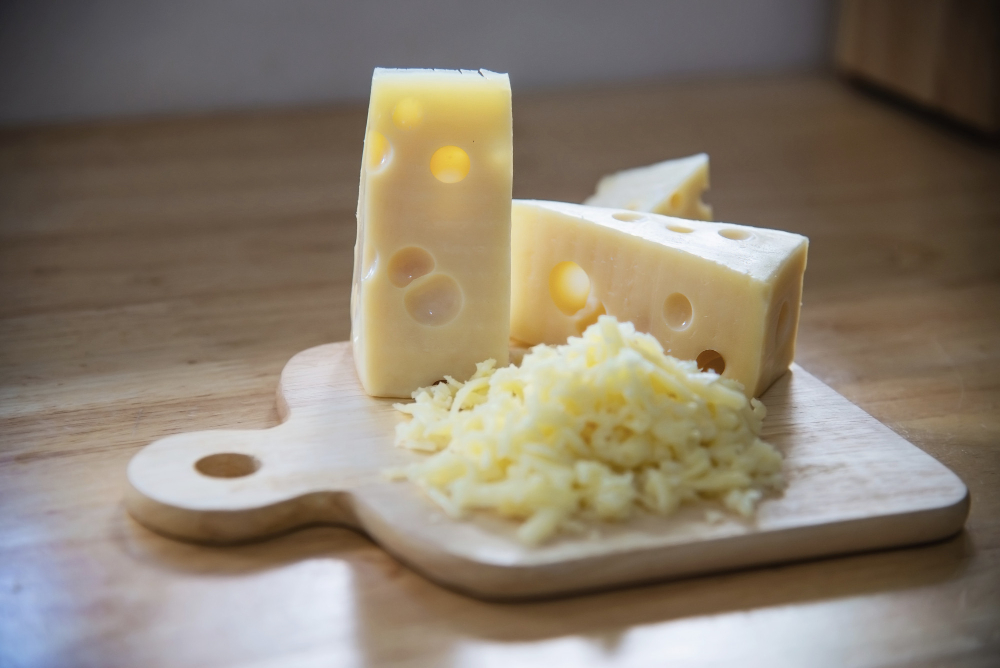
Cheese is a beloved staple in kitchens worldwide, but as it is a biological product, it is suspected to various kinds of contamination. Whether you are a person who consumes cheese, a cheesemaker or a food service professional, then understanding the risks associated with "cheese" and taking precautions is essential for preventing foodborne illness.
The Current Recall Landscape (2025-2026)
The last few months of 2025 have been record- breaking for dairy safety alerts. The two major incidents that came under the attention of health officials were:
The Listeria Outbreak (Jan 2026): The Ambriola Company and Boar's Head recently issued massive recalls for special varieties of cheese like Pecorino Romano and Cheddar due to Listeria detection.
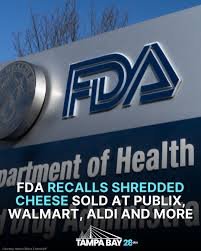
The Shredded Metal Crisis: Over 250,000 cases of shredded cheese across 31 states were recalled in late months of the year 2025 after mechanical failures at a processing plant introduced tiny metal fragments into the product stream.
Top Biological Threats:Listeria and Salmonella
Unlike many other bacteria, “listeria monocytogenes” is “psychotropic,” meaning it can grow at refrigerator temperatures.
Important Note: Pregnant women are 10 times more likely to get a Listeria infection, which can lead to complications like miscarriage or stillbirth even if the mother feels only mild flu-like symptoms.
Physical Contaminants:The “Hidden” Hazard
Physical contamination, such as the recent metal fragments issues, usually occurs during the “shredding” and “packaging” phase.
Source: Worn- out blades, loose bolts or broken conveyor parts.
Risks: Chipped teeth, cuts to the mouth/throat and in rare cases, internal bleeding are also seen in few people.
Prevention: Manufacturers are now being encouraged to implement advanced “physical AI” sensors and X-ray scanners to detect microscopic foreign objects before they leave the plant. This way it will help to assure safety.
High-Risk vs. Low-Risk Cheese
Not all varieties of cheese carry the same level of risk.
High Risk (Soft/Unpasteurised): Varieties like Brie, Camembert, Queso Fresco and Feta. Due to the high moisture content in these varieties, the bacteria gets an opportunity to spread quickly.
Moderate Risk (Shredded/Processed): This variety of cheese is shown to have moderate risk due to the high surface area and mechanical processing.
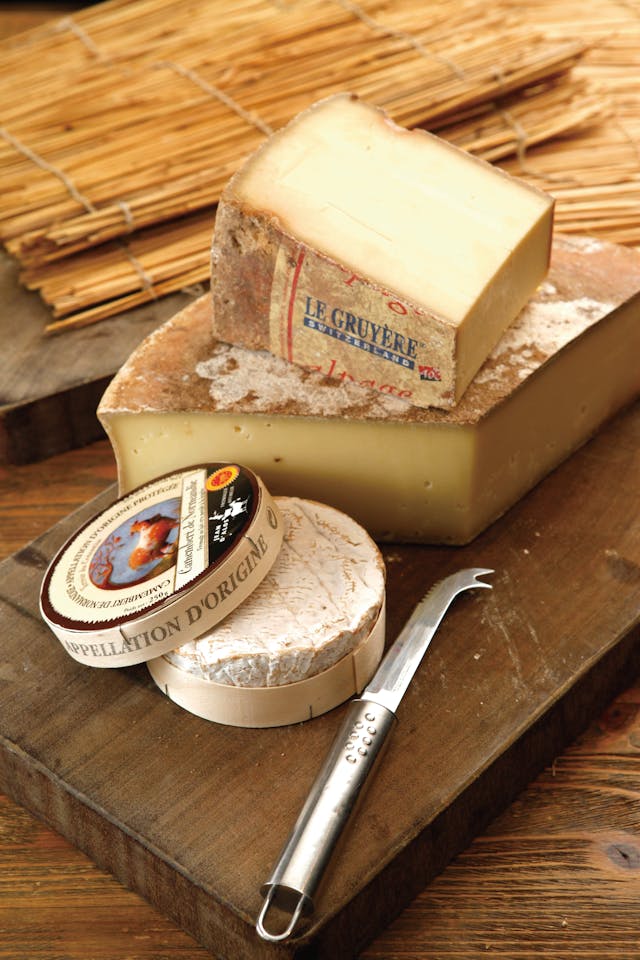
Low Risk ( Hard/Aged): Varieties like Parmesan, Gruyere and aged Cheddar. Due to low moisture and high salt content in these varieties, it creates a hostile environment for most pathogens.
Safety Checklist For 2026
To stay safe during this period of frequent recalls:
The “2-Hour Rule”: Never leave soft cheese at room temperature for more than 2 hours.
Check The Label: Make sure to ensure that “pasteurised milk” is listed. Avoid “street-sold” or unlabelled Queso Fresco.
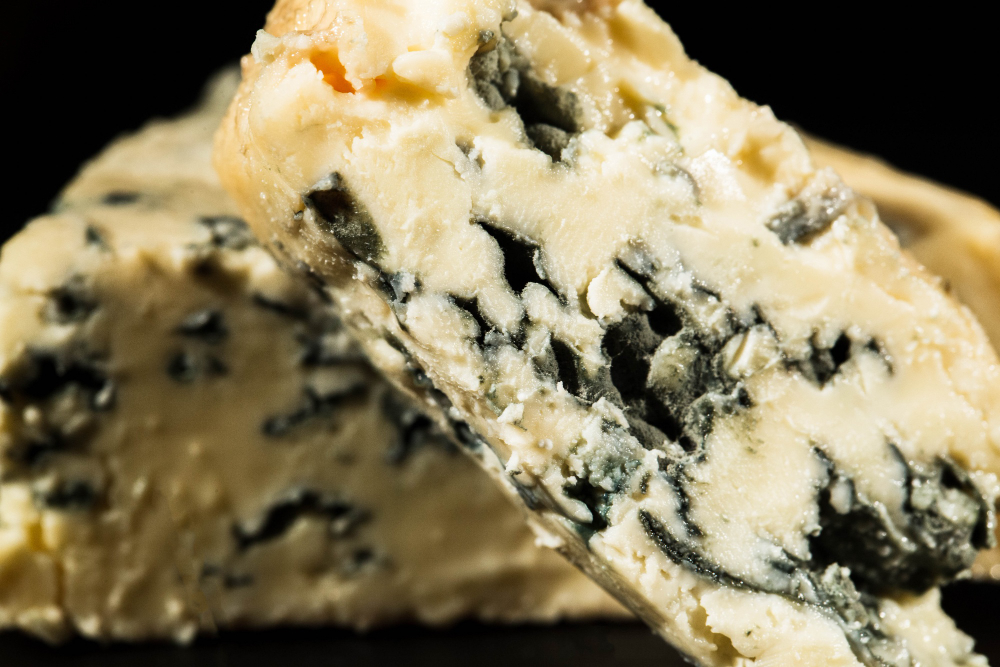
The 1- Inch Rule: If you see a mold around the hard cheese, you can cut 1 inch around it before consuming. For small cheese, if you see even a small mold, throw away the entire container.
Verify Batch Numbers: Use the FDA Recalls Database to check your fridge against the 2026 “Ambriola” or “Great Lakes” lot numbers.
Vigilance Is Key
The 2026 cheese contamination incidents serve as a reminder for consumers that what reads as ‘safe’ staples, requires careful handling. By staying updated on the latest recalls and also side by side maintaining strict cold-chain habits at home, you can enjoy your favourite dairy product without having to face consequences later on.