How Gamification Is A Change To Your Health
In a world which does not let you off the screen, staying committed to your health and fitness can often feel like an “uphill task.” A new trend has emerged and is turning the tables, literally. With most addictive and rewarding elements present in the video games, “Health Gamification” is changing those boring sessions of fitness into an engaging and enjoyable means of adventure.
From Drudgery To Daily Quests
The primary psychological change in health gamification is the transformation of “tasks” into “quests.” Instead of viewing a 30 minute walk as a task to be fulfilled, gamified apps make you see it as a mission to upgrade your level or earn virtual currencies. This way, the user remains engaged as this shift triggers our brain’s dopamine system, providing a sense of accomplishment every time we finish a task. By breaking down daunting tasks into small and rewarding milestones, users find it much easier to maintain consistency without feeling much overwhelmed.
The Power of Competition And Community
It is the human tendency to be social and competitive. Leaderboard, group challenges and team based fitness goals transform individuals into community events. Even if you are competing with co-workers to see who can take the most steps in a week or joining a global “virtual marathon,” the pressure to be at the pinnacle in the community provides a powerful nudge. This aspect of community ensures you that when your internal motivational shakes or dips, the collective energy of the group helps you to move ahead.
Constant Feedback And Visual Journey
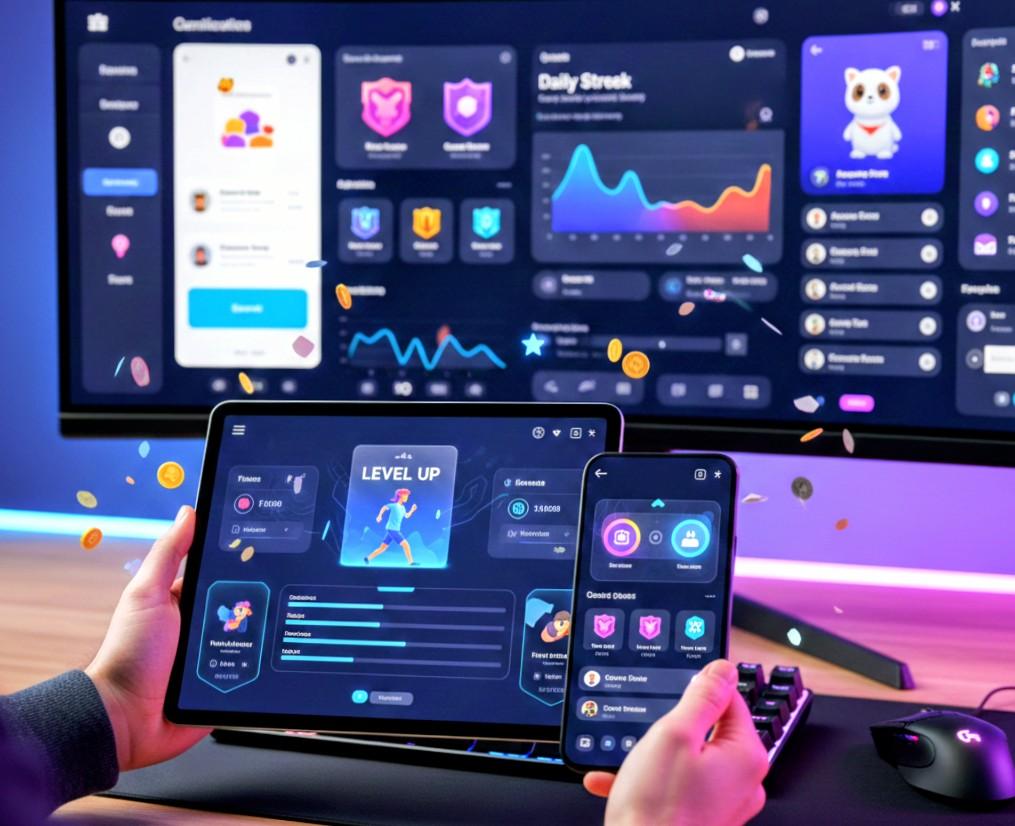
The hardest part of traditional health improvement is delay in obtaining results; you don't see muscle growth or weight loss just after a single workout. Through gamification, you can instantly solve this problem by getting instant and visual feedback. Progressive bars, experience points(X P), and digital badges offer immediate recognition for effort. By seeing just a 7 day streak fire icon or by watching a virtual avatar growing stronger in real time provides you the visual satisfaction that our bodies often take weeks or months together to manifest physically.
Top Health Gamified Apps
Be ready to shift your fitness journey into an engaging game. Here is the list of some of the most popular and effective gamified health apps available today.
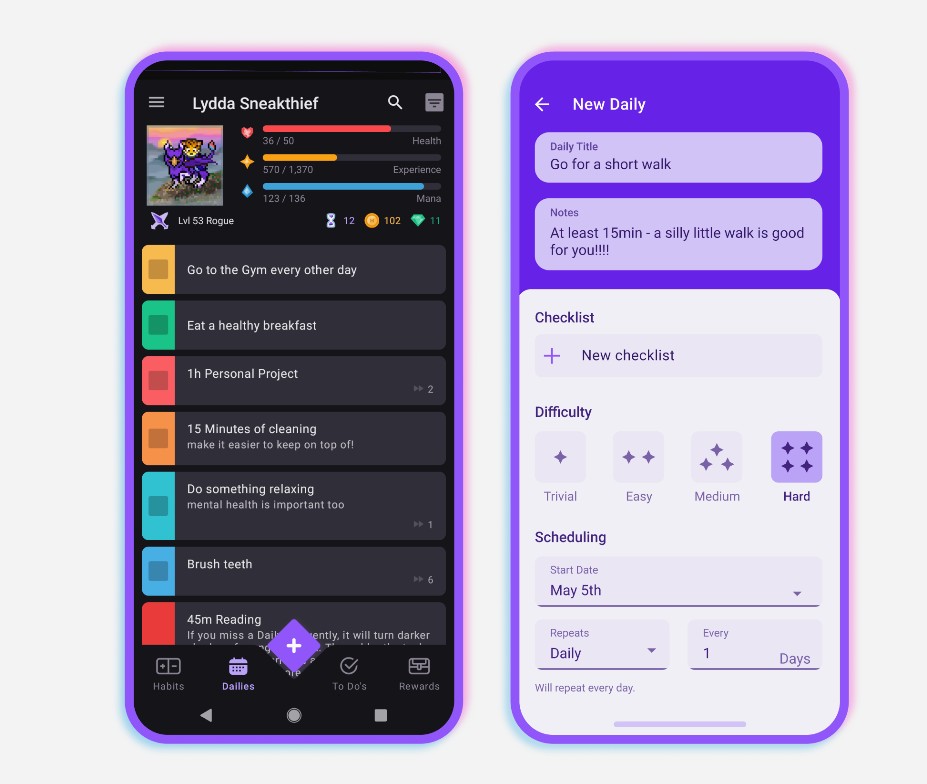
Habitica: This app helps to transform your daily habits and to-do lists into an old school role playing game. When you finish your pending tasks, you earn a gold badge, leveling up your avatar and unlocking cool gear. But once you miss a habit, your avatar starts losing its health.
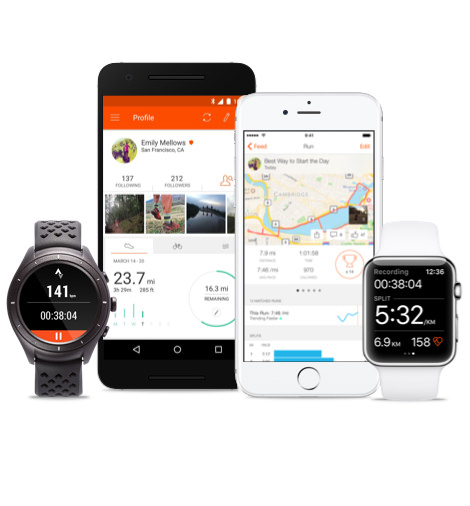
Strava: This app is designed for the users who are social competitors. You can track your runs, rides and swims, with that you can compete those scores with your friends and stranger’s scores. By scoring high in any of the fitness sessions you fulfill, you can earn “king/queen of the mountain” titles or “local legend” badges, fostering friendly rivalry and motivation.
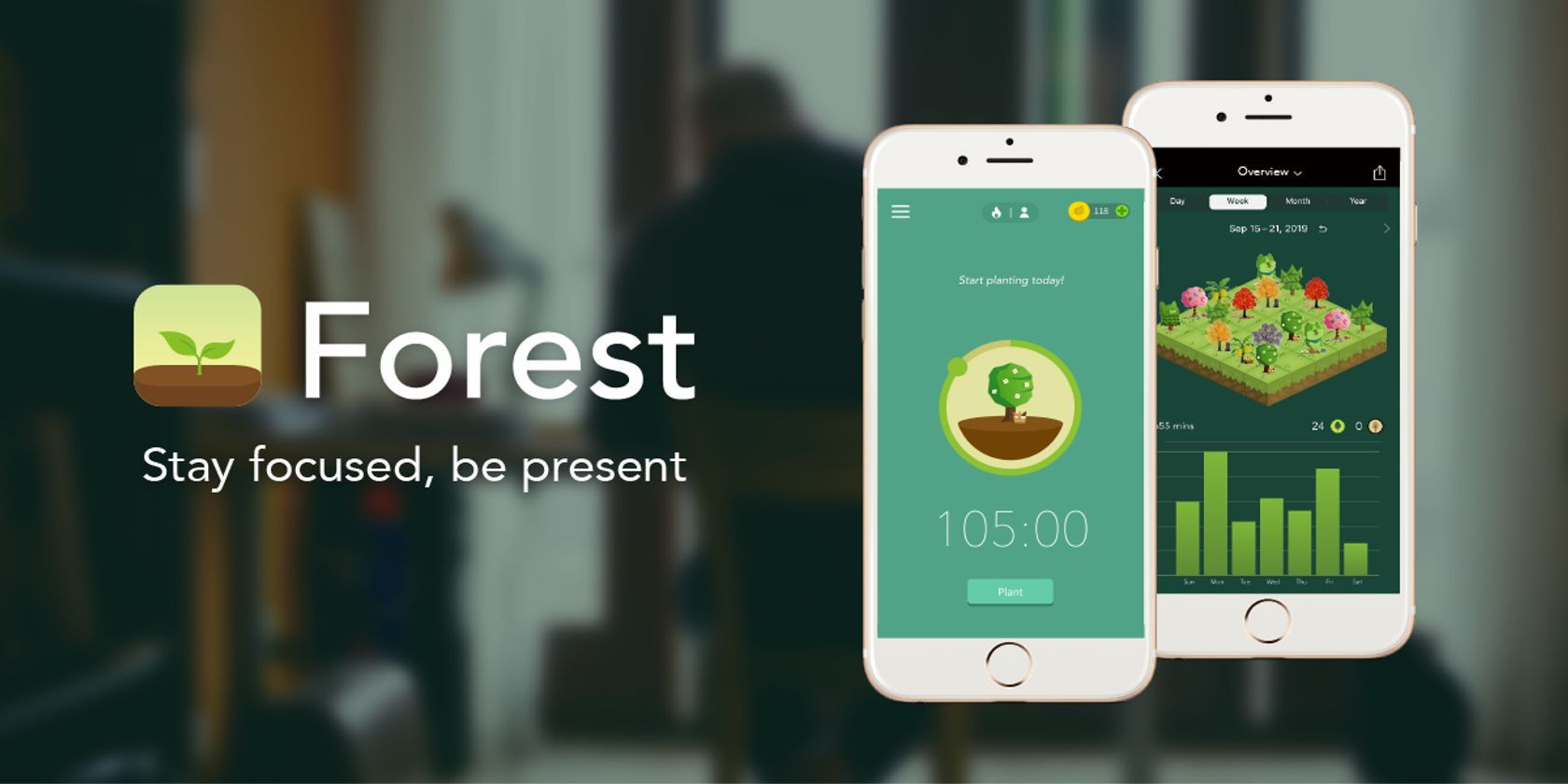
Forest: For enhancing mental focus and reduced screen time. This unique all helps you to stay off your phone and focus. Then, plant a virtual tree; if you leave the app, your tree withers. However, if you successfully focus, and your tree grows well from a seed, then you should pay yourself as you have contributed in creating a lush virtual forest of your concentration.
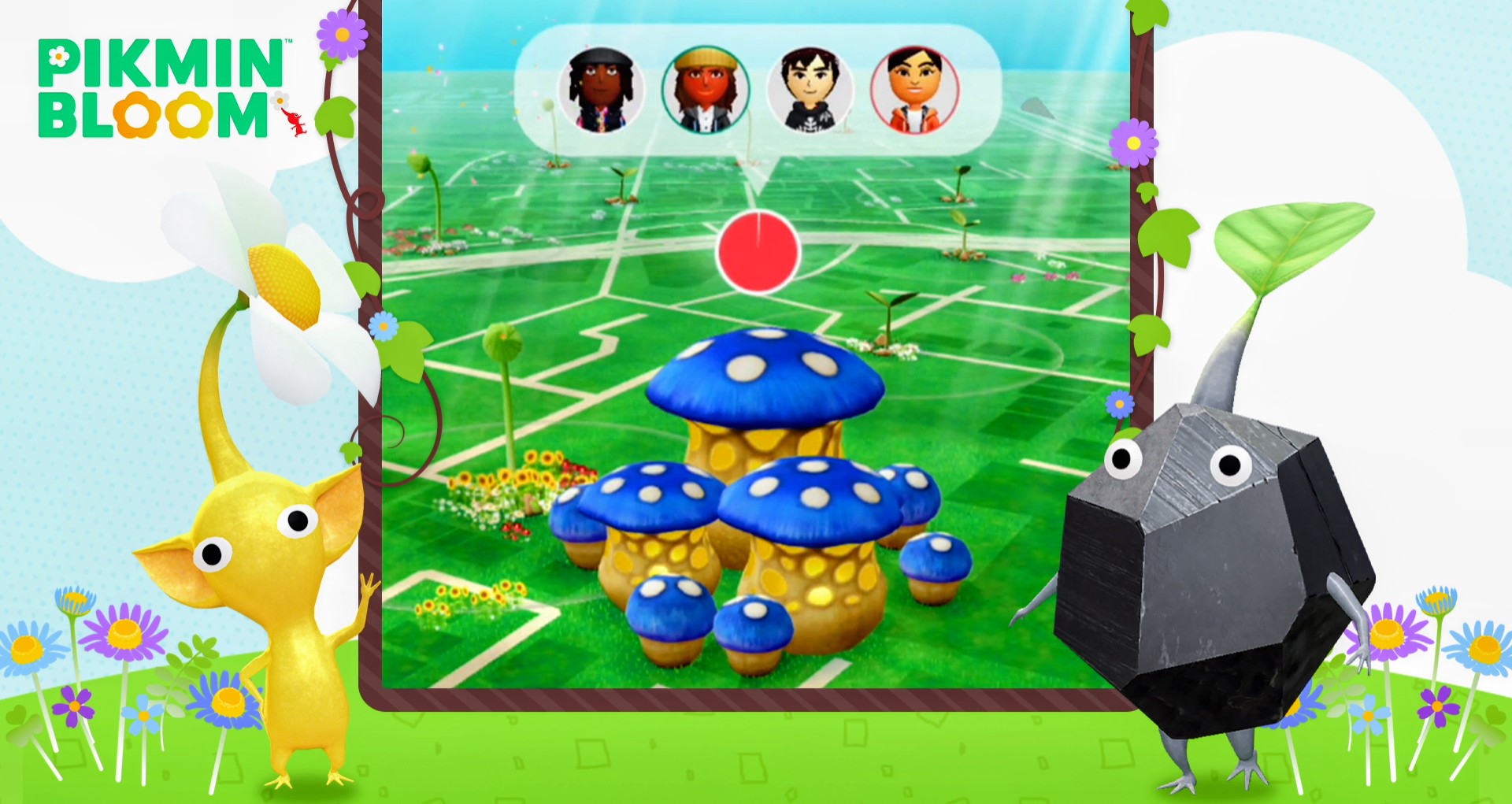
Pikmin Bloom: For users who are casual walkers and collectors, this app encourages you to walk so that it makes Pikmin creatures grow. With every step, you make flowers bloom on your map, adding a delightful visual reward to your daily strolls.
Moving Forward
As we move forward in 2026, the gamification process is expanding beyond simple fitness apps and into clinical care. It has been seen that patients who are managing chronic conditions, like diabetes or hypertension, are using gamified platforms to track the medication record and monitor glucose levels in exchange for insurance premium discounts or any real world rewards. By turning the boring sessions of healthcare routine into a winnable game, healthcare providers are seeing higher engagement rates and better long term outcomes, proving that sometimes, a little bit of play is the best medicine.