How Much Coffee Is Too Much Coffee
For many healthy adults, the general consensus from health organizations like the Mayo Clinic is that up to 400 milligrams(mg) of caffeine intake per day is considered within the safe zone. Here's an approximate breakdown of caffeine content in common beverages:
Standard Brewed Coffee: Around 95-165 mg,
Espresso: 63mg,
Latte/Cappuccino: 63-126 mg,
Black Tea: 25-48 mg,
Green Tea: 25-29 mg,
Caffeinated Soda: 30-40mg,
Energy Drink: 70-200mg.
The above data suggests that roughly four cups of regular brewed coffee would place you at the upper end of the recommended daily limit.
Benefits Of Moderate Consumption:
With that 400 mg limit, your coffee drink can offer you an impressive array of health perks. It is quite famous among people for boosting alertness and focus by acting as a stimulant for cognitive function. Many sportsmen, athletes, etc. use caffeine to improve their powder of endurance and also helps in reducing exertion during their physical activity.
Apart from this energy boost, coffee beans are packed with antioxidants that combats free radicals. Studies have revealed that moderate consumption of coffee may be linked to a reduced risk of Type 2 diabetes, Parkinson’s disease and certain liver related health ailments.
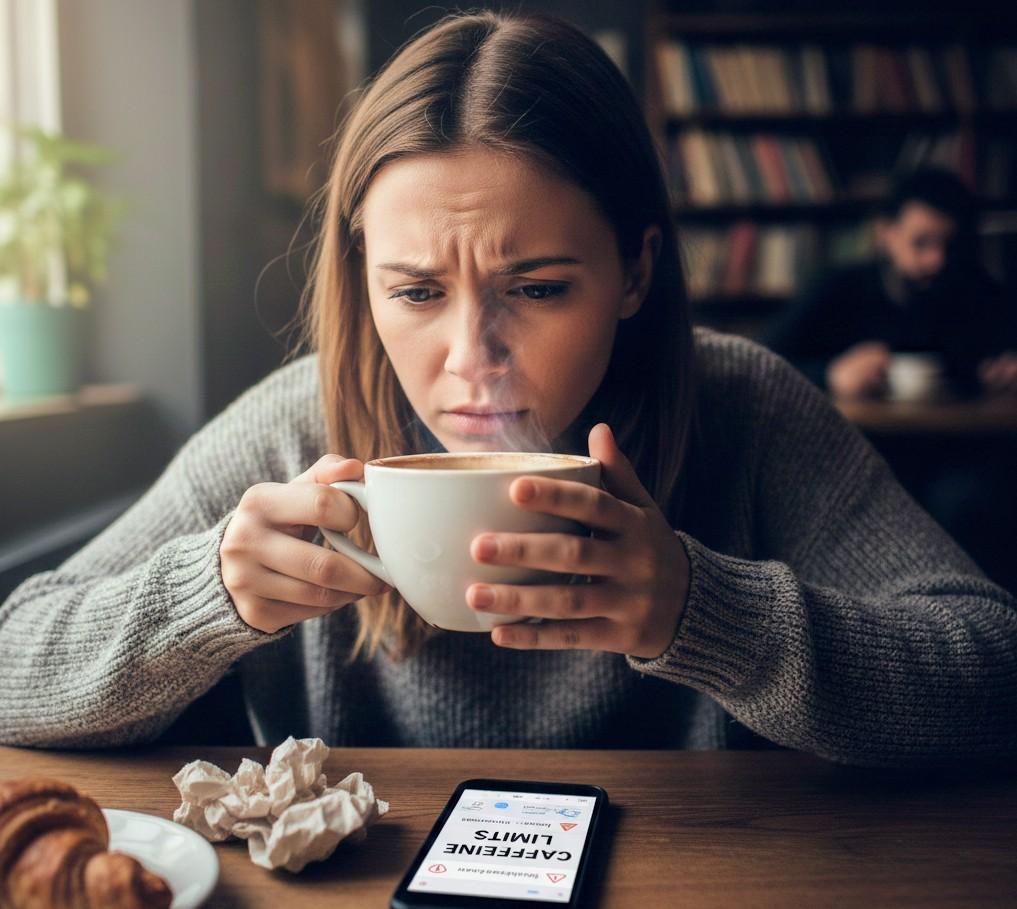
Also, even if you are consuming 400 mg of coffee, the individual tolerance can vary greatly from someone else's tolerance capacity. Factors such as genetics, body weight, medications and even liver function play a substantial role in how rapidly your body metabolizes the substance. You need to remain cautious regarding the signs and symptoms your body gives you when you have crossed your personal threshold. These symptoms include restlessness, jitters, an increased heart rate, or complaints of insomnia. Some people have also addressed issues of heightened anxiety, digestive issues like heartburn or muscle tremors when they consume more than their system can accommodate and handle.
Who Should Stay Cautious
As advised, certain groups such as pregnant or breastfeeding women have to remain alert and a bit more cautious while consuming caffeine. These people are often advised to limit their caffeine intake to 200 mg or less. Additionally, individuals who are suffering from anxiety disorders or heart related ailments should keep track of their consumption, as caffeine can exacerbate the symptoms or adversely affect the heart rhythm. It is also worth noting that caffeine can have interactions with certain medications, such as antidepressants, so it will always be wise that you must always be ready for health consultation to avoid any unforeseen events.
The Signs Of Over-Caffeination
Many people have complained of drinking too many cups of coffee and have decided to step back so for them, there are few expert suggested strategies which will be beneficial for them to overcome their habit of being a caffeine addict. You can start by tracking your consumption from all the sources such as sodas or energy drinks. Gradually, you can shift from decaf to “half-caf” blends to lessen the chemical dependency without losing the grip. You can also start drinking water and keep yourself well hydrated, often thirst is mistaken as caffeine craving by the people. Lastly, you can try to set a “caffeine cutoff" at least 5-6 hours before you go to your bed to ensure that your sleep quality is not at all compromised.

Nevertheless, coffee can really be a wonderful part of a healthy and flourishing lifestyle when you consume it in a moderate amount. The key to balance is to pay attention to your body's signals and also understand your personal tolerance level and capacity. Also, it is absolutely safe for many people to make their caffeine consumption within 400 mg on a daily basis. However, if you notice that something is “off,” then it's a good time that you re-evaluated your consumption amount and perhaps dial back the brew.