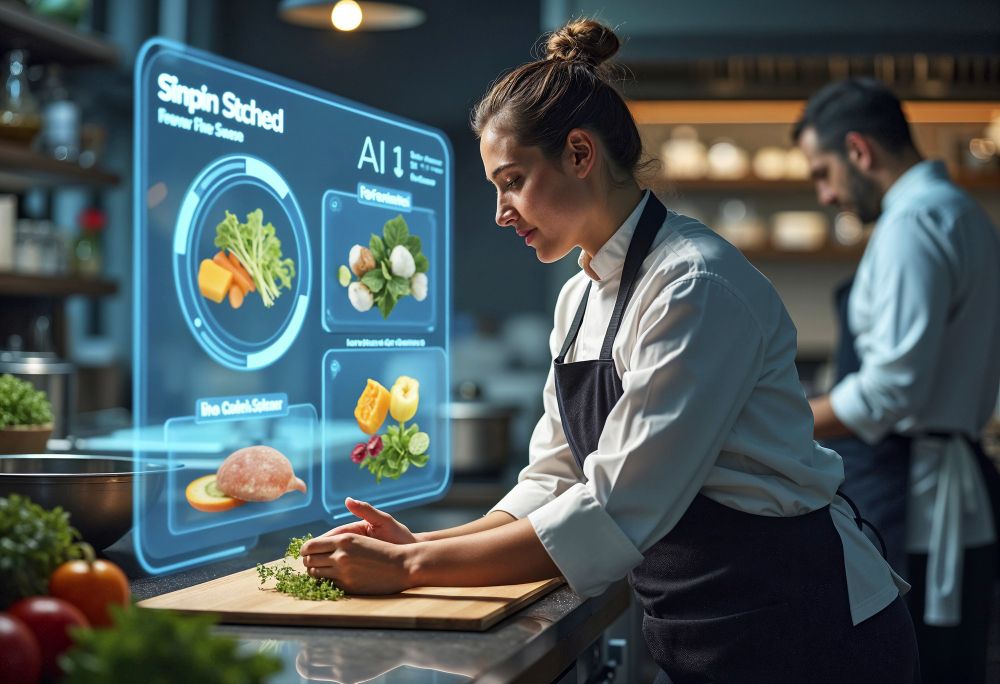
Staring at a beautifully plated dish, phone in hand, trying to capture the perfect shot for the “gram.” However in 2026, the tables have turned. The photo does much more than just a digital collection of likes. It's becoming a powerful tool for health, retail and even professional kitchens.

How Does It Actually Work
At its base, AI food recognition relies on "computer vision" and "deep learning." Think of it as teaching a computer to recognise a slice of pizza the same way a child does, by looking at thousands of examples.
By Image Acquisition: Taking a photo or capturing a video of the food you want the AI to understand.
Preprocessing: The AI cleans up the image, then adjusts it according to lighting and angles.
Object Detection & Segmentation: The system identifies where the food is on the plate and separates other individual items(for instance, distinguishing the steak from the mashed potatoes).
The Process Of Classification: With the usage of Convolutional Neural Networks (CNNs), the AI compares the visual features like texture, color and shape against a massive database of millions of images to label the food.
Analysis Of The Food Item: Advanced models of AI go a step further by estimating portion sizes and calculating macronutrients, such as proteins, carbs, fats and calories.
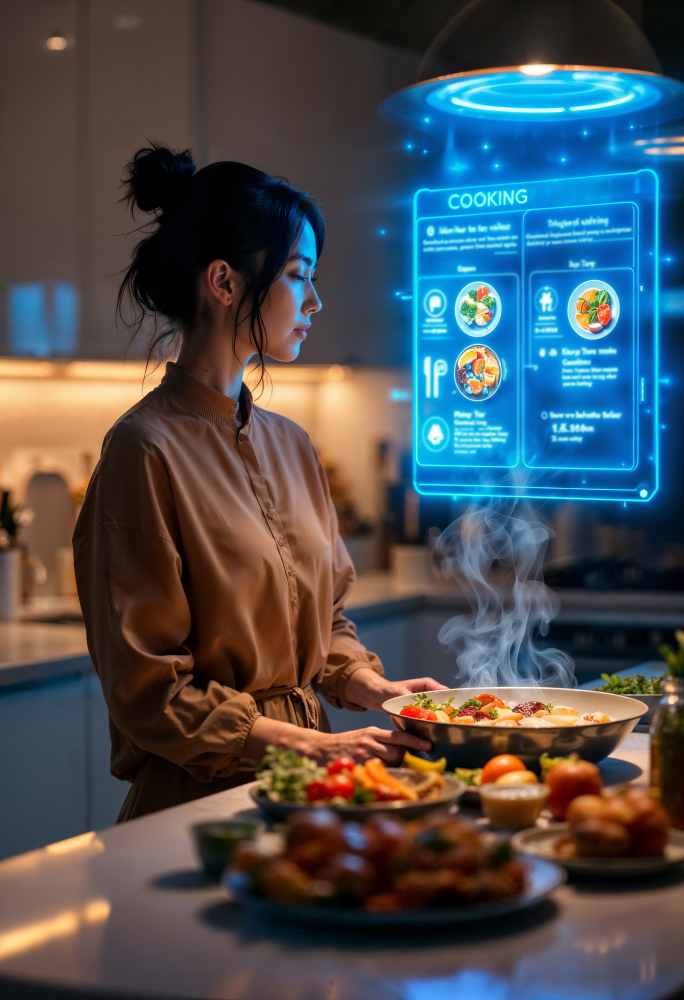
Why It Matters:Real-World Applications
This technology isn't just for hobbyists. It's solving major challenges across several industries:
Personalized Health & Nutrition
The days of manual calorie counting are numbered. Apps now use AI to provide instant nutritional feedback. For people who are managing conditions like diabetes, this real time carbohydrate estimation can be life changing.
Smart Retail & Grocery
imagine yourself walking into a grocery store, placing your produce on a scale and having the camera automatically recognizing it without typing any code. Retailers are also using this track inventory and reducing food waste by identifying items nearing their expiration.

Professional Kitchens & Food Safety
In high volume restaurants, AI cameras monitor assembly lines to ensure every dish meets quality standards. They can even detect foreign objects or contaminants, significantly boosting food safety protocols.
Fun fact: Some “Smart Fridges” can now look at your leftovers and suggest recipes based on what it recognises inside, helping you to cut down on household waste.
The Challenges
While the tech has come a long way, it still has some issues to face, the “foodie hurdles.”
Hidden Ingredients: AI struggles to see the butter in your sauce or the oil you are using for cooking the food.
The “Messy Plate” Problem: Highly mixed dishes, like steps or complex salads can confuse even the best models.
Lighting And Angles: Shadows or visual differences or poor lighting can make a delicious brownie look like something else.
The Future Of Food Recognition
As we dive deeper into 2026, we are seeing a shift towards “Multi-Modal AI.” This refers to combining visual data with other sensors like microphones that hear the crunch of a bite or wearable sensors that track jaw movement to create a 360 degree view of our eating habits.