In early 2026, the tech world has officially moved far ahead of the “screen-only” phase of the AI revolution. While 2024 and 2025 were dominated by chatbots and digital copilots, the current research studies confirm that 2028 will be the official year of "physical AI." It is the intelligence that is embodied in machines that can see, reason and act in the real world.
The Top Industries Adopting Physical AI in 2028:
Manufacturing: The ‘Humanoid’ Assembly Revolution
Manufacturing remains the undisputed leader in physical AI adoption. While industrial robots have existed for quite a few decades, they were previously ‘blind’ and fixed to a single task. In 2026, "general purpose robots" will be introduced which are currently changing the dynamics of the manufacturing factory.
The Trend: Integration of humanoid robots that work alongside humans in "safe-collaboration" zones.
The Impact: AI- powered robots have improved cycle times by 20-30% and lowered error rates by 25%.
Key Advantage: Instead of using complex coding, human operators can now teach a robot about a new assembly task by simply showing it the movements once.

Logistics and Supply Chain: Autonomous Fulfillment
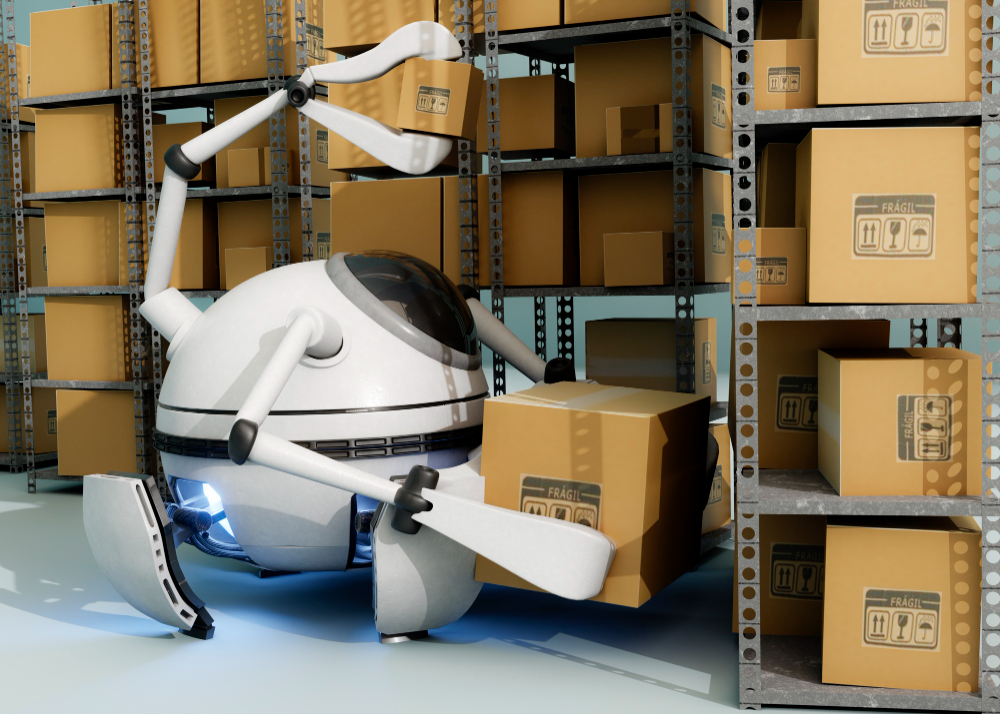
Driven by the mechanism of "instant delivery" expectations of 2028, logistics companies have rebuilt their operations around physical AI.
The Hub: Micro-fulfillment centers managed by Deep fleet AI, which coordinates thousands of mobile robots to minimize the travel time and maximize the output.
The Delivery: The rise of autonomous "last-mile" bots and drone delivery fleets that dynamically reroute based on real time traffic and weather data.
Performance Metric: Trials have shown warehouse output to traditional automated systems.
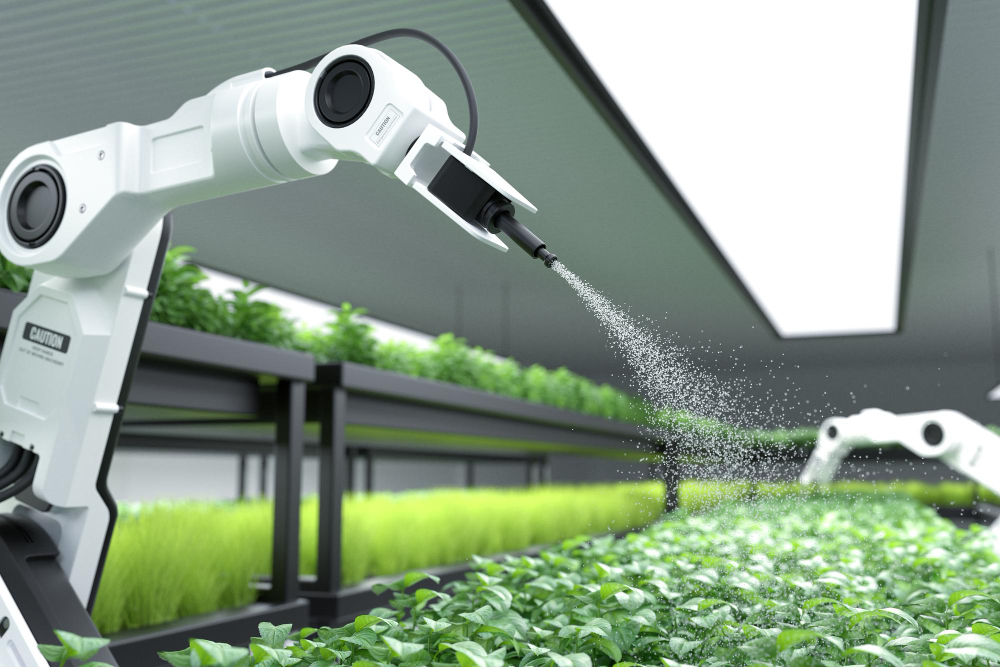
Precision Agriculture: Data Harvesting
Agriculture is undergoing a radical shift as Physical AI bridges the gap between machinery and the environment. Companies like "John Deere" have shifted their focus to "operation centers" that synthesize vast amounts of physical data.
Autonomous Tractors: These machines no longer just follow the path of GPS; they use vision-language models to see crop health and soil quality in real time.
Smart Spraying: AI driven tractors detects foliage and pests, applying fertilizers or pesticides only where needed, this results in reducing chemical waste by up to 40%.
Yield Prediction: Synthesising sunlight, soil moisture and nutrient data to propose the most beautiful efficient harvesting strategies per acre.
Healthcare: Robot Assisted Surgery and Mobility
In 2028, the healthcare AI market is projected to hit $56 billion, with physical applications leading the charge.
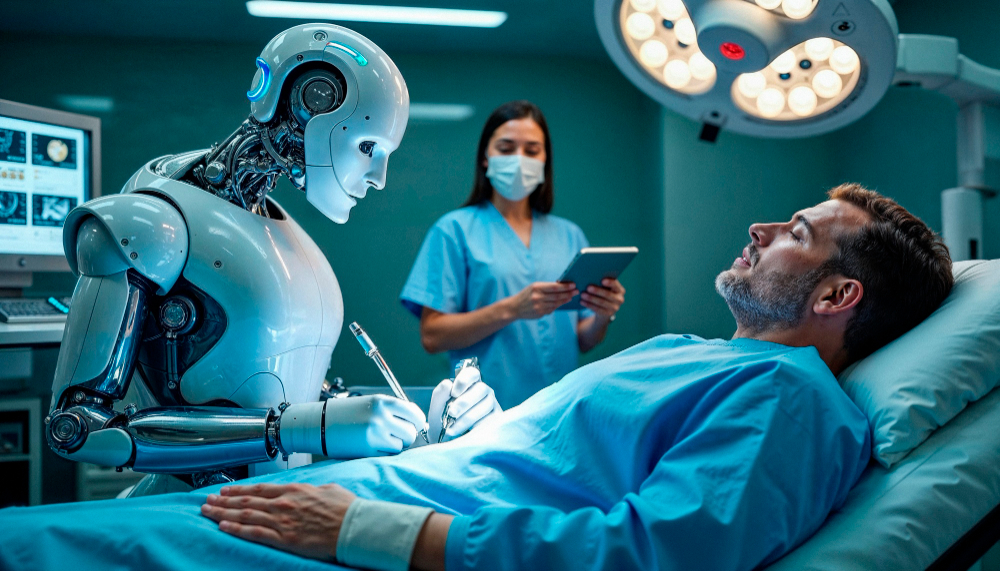
Surgical Precision: Robot Assisted Surgery has captured the largest market share, driven by a demand for minimally invasive procedures that offer faster recovery.
Assisted Tech: Physical AI is providing greater independence for disabled individuals through "smart prosthetics" and exoskeletons that adapt to a user’s gait in real time.
Hospitable Logistics: Autonomous nurse assist robots are handling the transport of linens, waste and medications, freeing up the medical staff for taking care of the patients.
Construction: The ‘Smart Site’
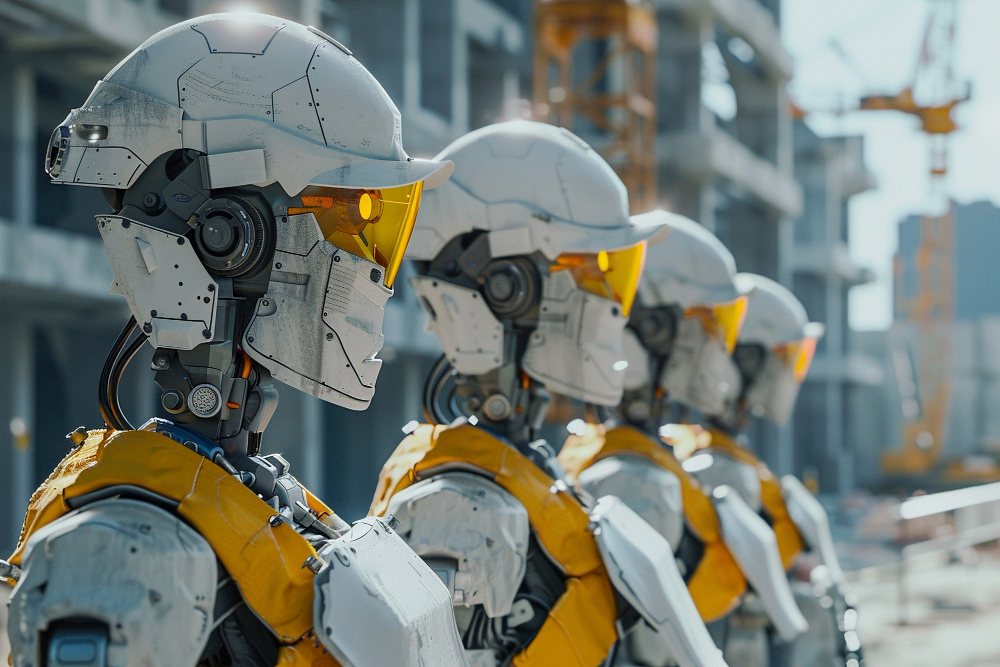
Traditionally, construction has been one of the least digitized industries, but physical AI is rapidly closing that gap by 2028.
Safety Monitoring: Edge AI camera onsite now detects safety hazards (such as missing PPE or structural shifts) in milliseconds.
Autonomous Mobile Robots: Heavy duty AMRs are now capable of navigating complex, shifting construction sites to deliver materials or even perform tasks like 3D printing tasks on site.
Resource Efficiency: AI driven site management is reported to reduce material waste by 20-40%.