Desserts were sweet, dinners were savoury and heat was a challenge to be endured rather than a flavour to be balanced. But as we move through 2026, those boundaries have completely dissolved. So, enter the era of the two most influential flavour profiles of the decades.
What is "Fricy?" The New Fruit-Forward Heat
The term “Fricy,” a portmanteau of fruity and spicy, describes the mixing of vibrant and acidic fruit notes with the sharp kick of chillies. While the concept has existed in tropical regions for centuries together, it has recently undergone a gourmet makeover.
The Icon:Mango-Chili
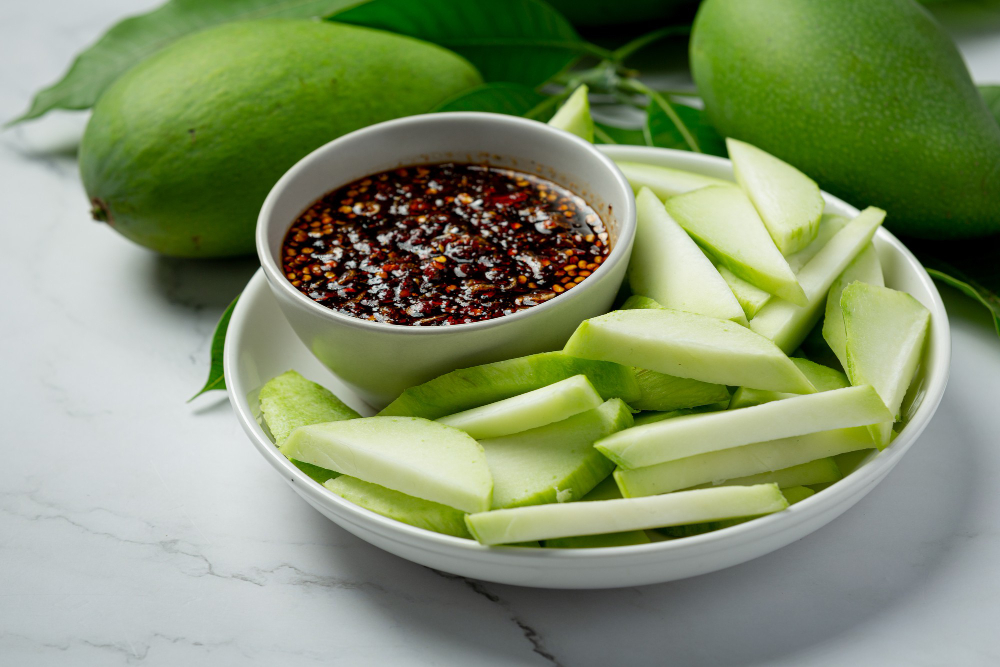
The most recognisable fricy pairing remains the mango-chili combination. Based on the Mexican tradition of Tajin on fresh fruit and the Thai love for spicy green mango salads, this profile has migrated into the mainstream course. In 2026, we see this evolving into high-end applications.
• Habanero-Infused Mango Leathers: A popular healthy snack for adults.
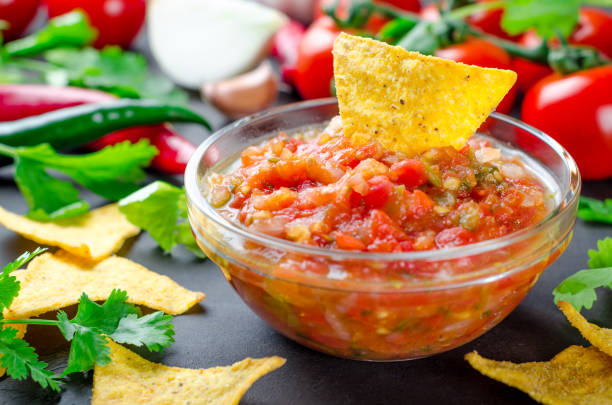
• Grilled Peach and Serrano Salsas: A staple for summer barbecued.
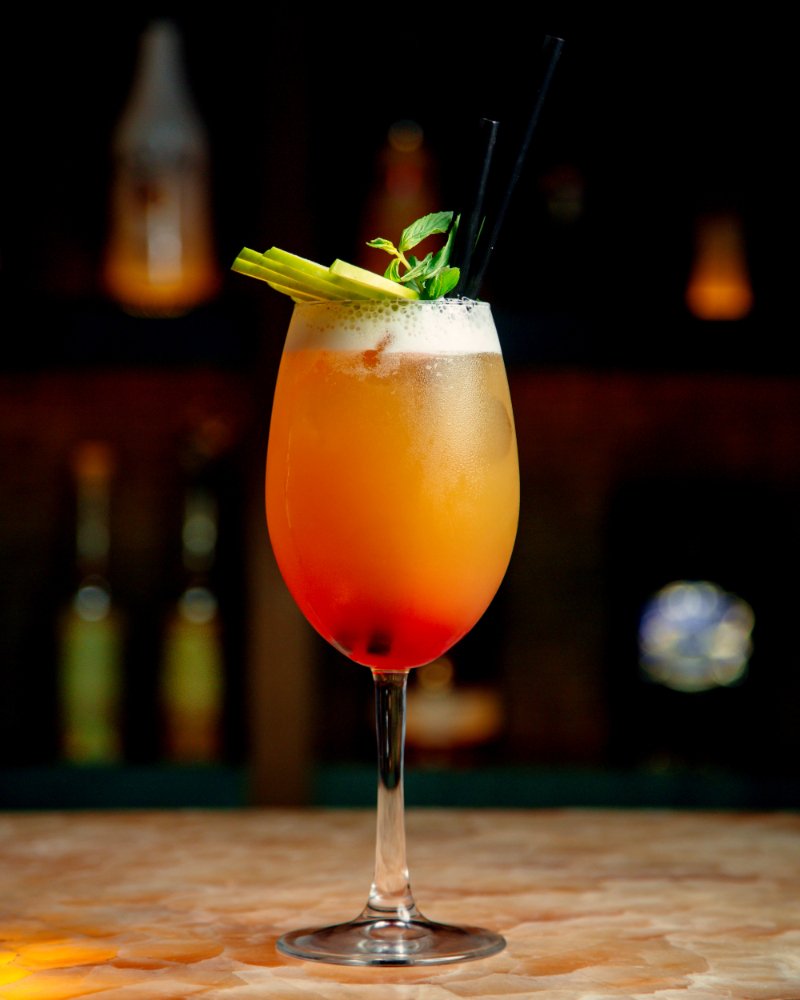
• Spicy Citrus Cocktails: Where grapefruit and yuzu are paired with ghost pepper salts.
The "Swicy" Phenomenon:The Science Of Addictive Flavours
If fricy is about freshness, swicy is about decadence. Its taste profiles rely on viscous, sugary based like honey, maple syrup or shave to carry a smoky or fermented heat.
Why we crave Swicy
There is a scientific reason behind the swicy dishes being so addictive. Capsaicin, the compound that makes chillies hot, triggers a “pain” signal in the brain. In response to that, the brain releases endorphins to soothe the sensation. When you add sugar to the experience, the brain receives a double hit of dopamine. This “hedonic reversal” creates a flavor-loop sweetness that makes it nearly impossible to stop eating.
Global Influences:Where These Trends Come From
As chefs worldwide are continuing to experiment, we are moving forward towards hyper-regionality. This integration between different kitchen ingredients is no longer seen as a "fusion" but as the natural evolution of a modern, interconnected culinary language.
• Korea’s Gochujang Influence: The global obsession with Gochujang, a kind of fermented chilli paste, taught western palates to love heat that comes with a built-in fermented sweetness.
• Mexico’s Chamoy Culture: The widespread popularity of Chamoy, a sauce made from pickled fruit, chillies and lime, has opened the door for complex fruit-heat profiles in snacks and beverages.
• Southeast Asian Sambals: From Southeast Asian countries like Indonesia to Malaysia, spicy- sweet Sambals have influenced how the modern chefs have approached condiments, moving away from “plain” heat towards layered complexity.
Where do we go next
As we look forward, the fricy and swicy trends are becoming even more specialized. We are starting to see “bitter-spicy” and “umami-spicy.”
However the core of the revolution has remained the same: We want our food to be an adventure. We want the thrill of the best and the comfort of the sweet, all in one bite. The rise of fricy and swicy is not just a passing fad; it is a permanent expansion of the human flavor palette.