Flavor Profile: ‘Fruity Purity’
Black currant is celebrated worldwide for giving a complex and multi- layered profile that balances intensity with refinement. This includes:
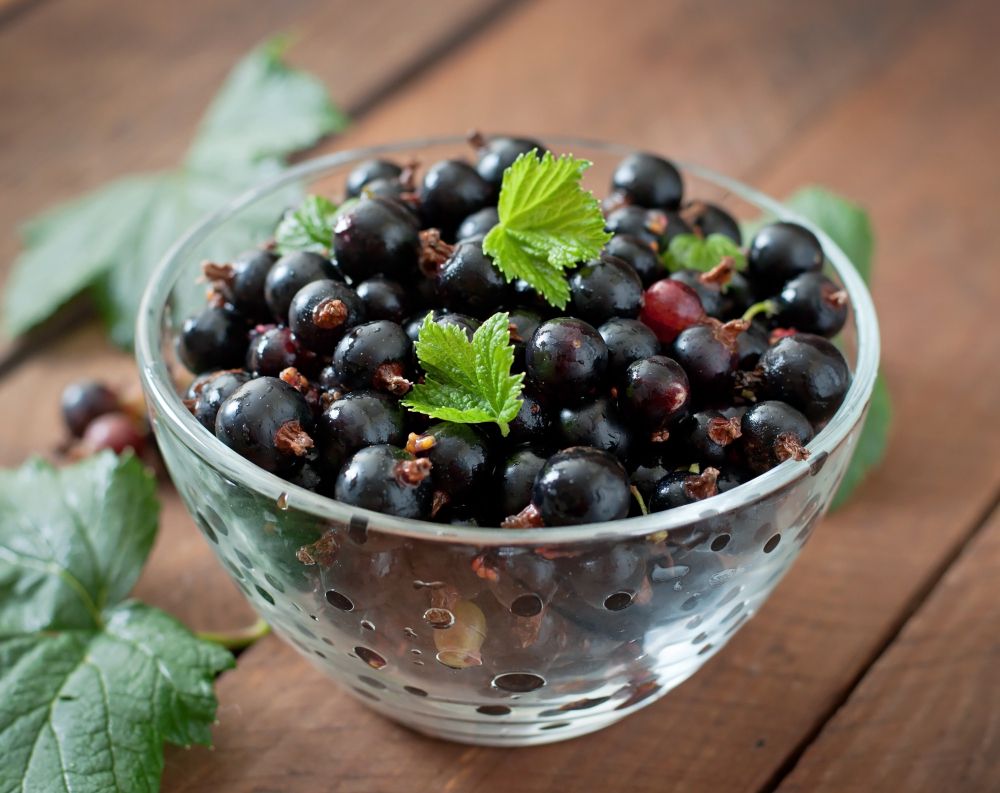
Taste: An extraordinary mixture of sweet and tangy taste with minimal amount of sweetness, which is often compared to a combination of dark grapes and raspberries.
Undertones: It features deep earthy, floral essence(rose and violet) and herbal notes that adds to your ‘mood and attitudes’ 'to dishes.
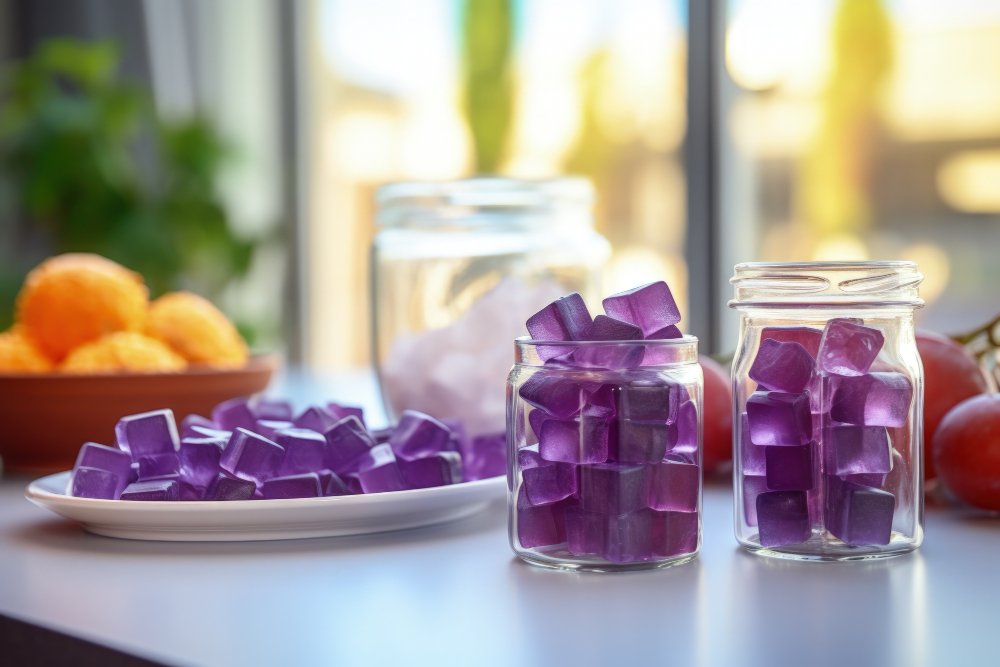
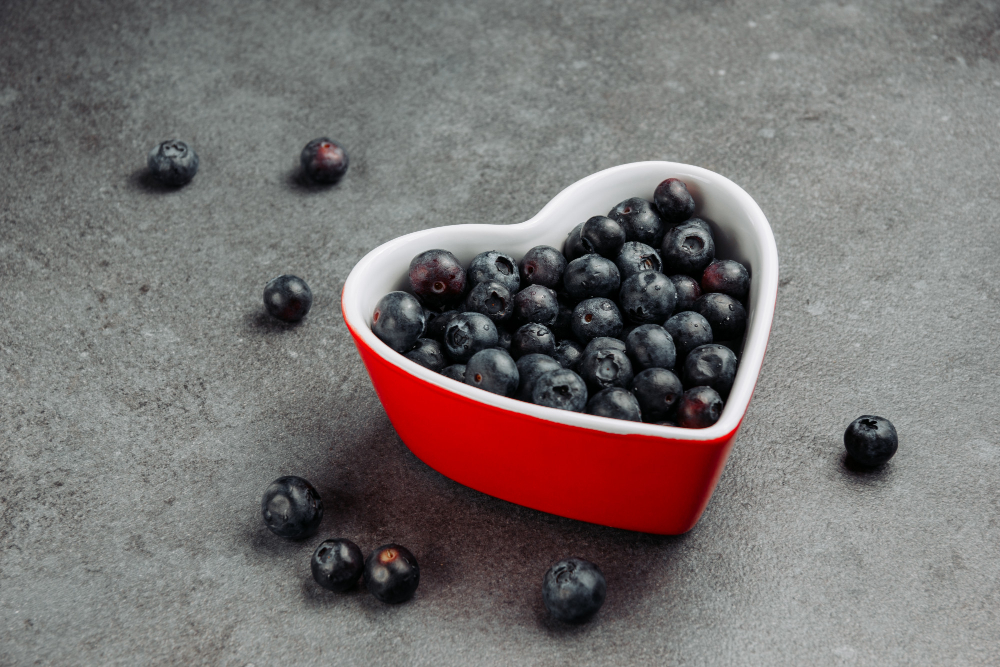
Visual Appearance: Vibrant, deep purple hue is highly prized for making food and beverages ‘social media worthy.’
2026 Culinary Utilisation
As of current trends, usage of black currant is more than just traditional jams and syrups:
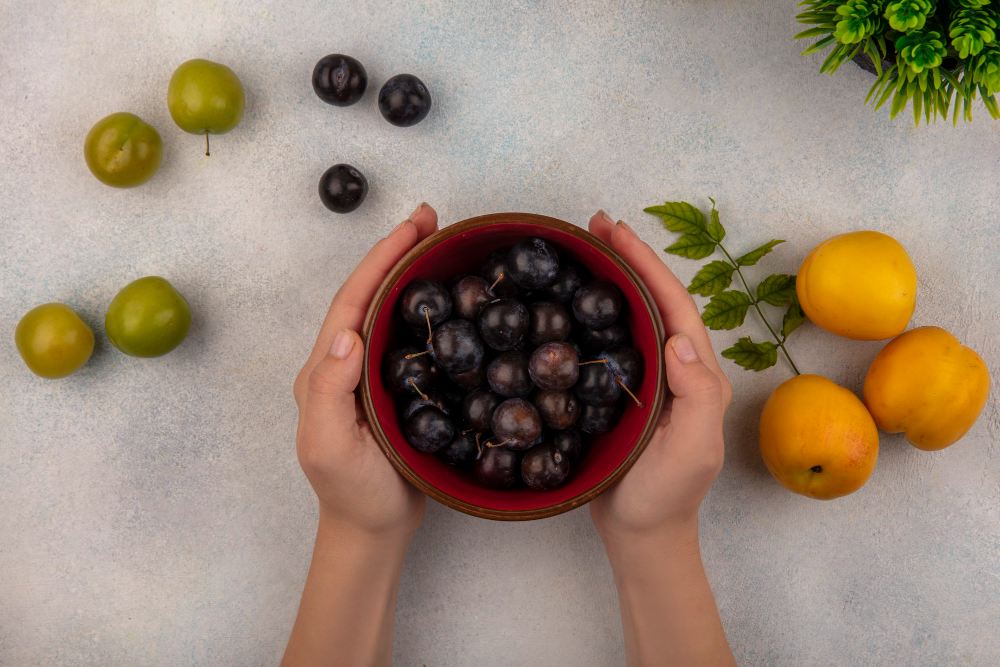
Innovation Of Taste: Nowadays, modern chefs are using it in savory reductions and make gamey meats like duck, pork, etc, look translucent in appearance where its acidity cuts through richness.
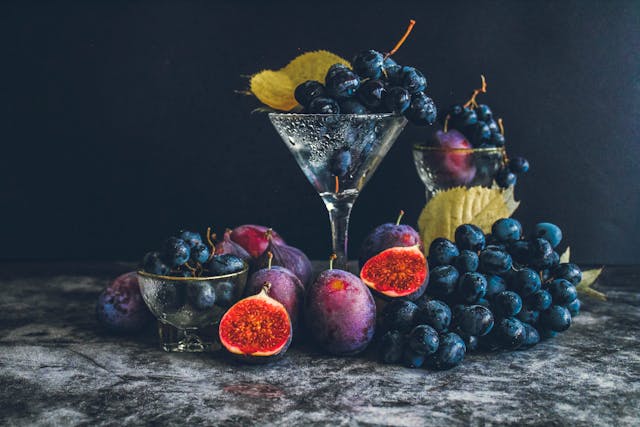
Modern Mixology: One of the leading ingredients in the making of artisanal cocktails and non alcoholic beverages, which provides a ‘bold oomph,’ of tanginess. Examples include: black currant infused gins and ‘spicy/sweet’ sodas.
Wellness Benefits:
Black currant is known to be a ‘superfruit’ in 2026 due to its high nutritional value:
Immunity and Skin: Contains nearly four times the amount of vitamin-C in oranges, supporting the production of collagen and immunity defense.
Anti Inflammatory: Rich in gamma linolenic acid, research studies have suggested that it can help the patients of ortho-related issues to alleviate pain, stiffness and muscle fatigue.
Eye & Brain Health: Contains high levels of anthocyanins i.e., antioxidants, which are considered extremely beneficial for patients of cardiovascular issues and also helps in significant brain improvement, as well as relief from any kind of dry eye symptoms for those who have high screen time.
Market Revival
While historically banned in the United States until the early months of 2000s due to timber industry troubles, black currant is finally now being seen as a domestic resurgence. It currently appears on only 1% of U.S menus, it's mentions have surged by 34% in the past years, thereby signalling a major leap into the mainstream American kitchen.