
When you start interacting with people who are from different life stages and technical fluencies, your brain has to increase its working hours to bridge the gap, helping in strengthening the neural pathways.
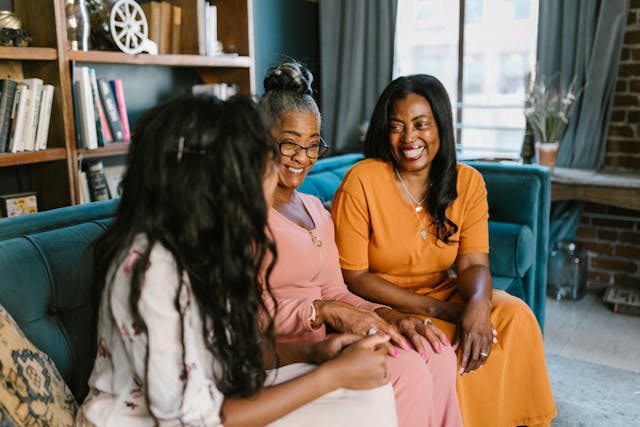
The Novelty Effect And Neuroplasticity
Our brains thrive in novelty. Spending time with peers often leads to ‘echo chamber’ conversations where references and suggestions are shared between each other.
Young people introduce ‘stimuli.’ Moving forward with current trends like modern slang or cultural references forces our brain to encode a new vocabulary. Older people can learn by navigating a new app or understanding a digital trend from the young people, which will act as a form of cognitive cross training.
Cognitive ‘code-switching’
A positive interaction between people of different age groups requires active mental processing. You are constantly on a mission to translate your experiences into a context they understand and shift your perspective to see the world through their lens. This ‘mental gymnastics,’ exercises executive functions like inhibitory control and cognitive flexibility, which are essential components of a healthy brain.
Emotional Vitality And Stress Reduction
Sharing wisdom acquired from past experiences to the people of the younger generation helps in building a sense of ‘generativity.’ It is a feeling that you are sharing something useful to the next generation, helping to boost self-esteem and in releasing dopamine.

Since episodes of chronic stress is a major drain on cognitive health, the joy and laughter found in these interactions physically protects your neurons.
The Dynamic Of Mutual Learning
In inter-generational friendships the roles of a ‘student’ and ‘teacher’ often flip. When you are teaching a younger person a skill, you are required to retrieve and organize deep seated memories, strengthening long term memory.
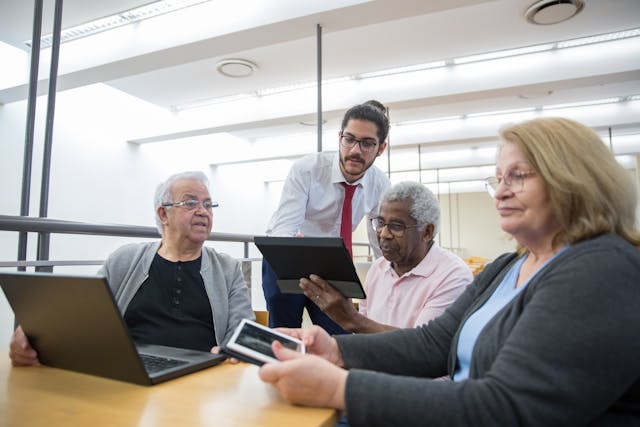
On the other hand, learning from them about modern tools or trends forces you to build entirely new synaptic connections. Peers provide a sense of comfort and shared history, younger friends provide the ‘challenge’ and ‘cognitive resistance' needed to keep the brain sharp.