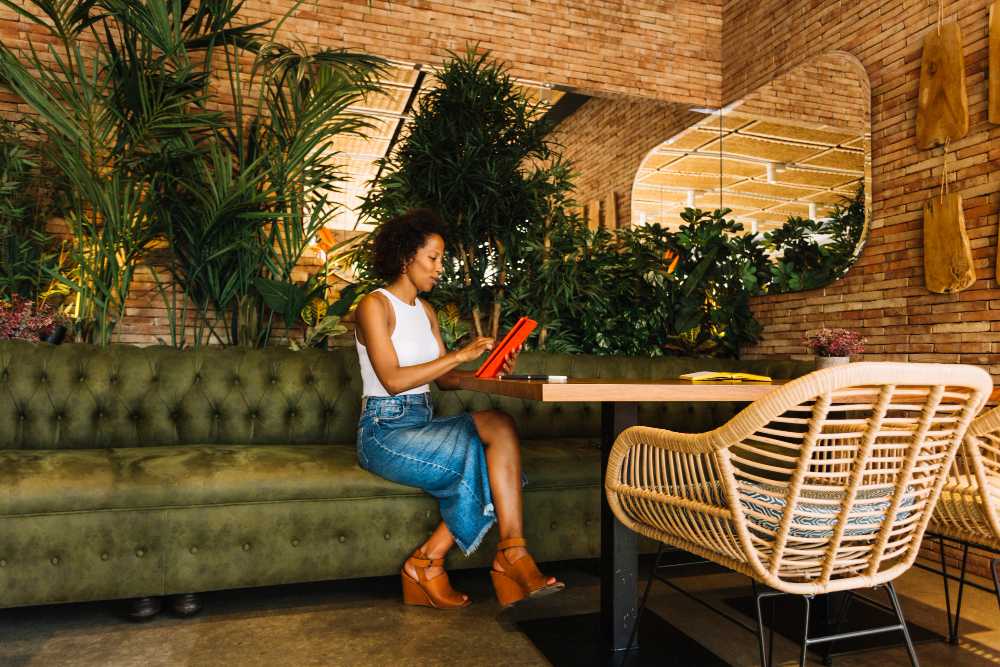
Evolution Of Biophilic Design in 2026
The current landscape of design focuses on immersive ecosystems rather than isolated natural elements. The so-called “plant-heavy” trends of the last year's have matured into spaces that prioritize a user's emotional as well as biological responses in the correct way.
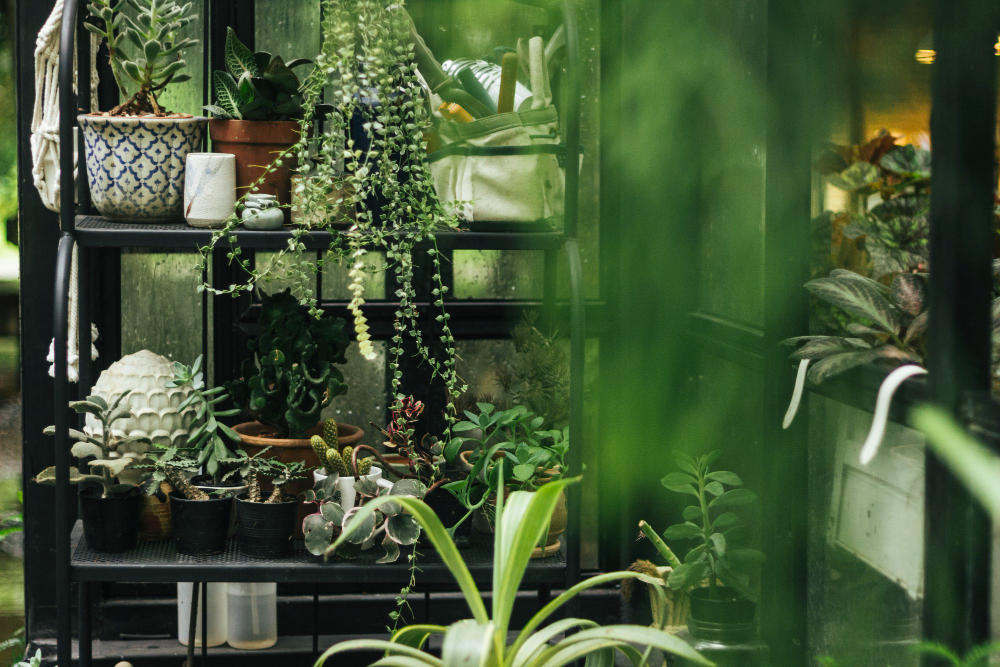
From Buildings To Organisms
In 2026, buildings are deliberately designed to function as living organisms. Modern building structures, such as those found in countries like the USA, incorporate a “Central Forest Courtyard” that allows 80% of floor plates to receive natural sunlight. Also, the innovation has reached the interior scale of “Blooming tables” and 3D- printed sculptures that acts as active air purifiers, merging functionality with bioscience.
Boosting Productivity Alongwith Talent Retention
For business houses, biophilic design is a strategic investment. Research studies conducted during the last years of 2025 continue to demonstrate measurable ROI for various corporations across the globe. Workers have been exposed to natural elements which has shown immense improvements in their creative skills by upto 15% and also general productivity by 6%.
The Modern offices increasingly prioritise the employee's health, which significantly enhances corporates image and smoothes recruitment process. Presently, designers are also mapping the way textures and spatial geometry patterns influence human emotions, utilising “soft fascination” to help direct attention recovering from recurrent digital fatigue.

Emerging 2026 Design Trends
This year's aesthetic trend is grounded in “Neo Naturalism” and earthly authenticity. Shades such as stark whites and cool grays have been replaced by warm, “sun warmed” tones like muted terracotta, olive green, clay beige and ochre. Architects are in use of tactile materials like linen, wool and hand finished lime plaster, as it favours creating sensory comfort.
Implementing Biophilia In 2026
Whether you have a small office or staying in a large residence, biophilic principles can be integrated at any scale. Smart lighting systems can be used because it mimics natural sunlight patterns to help regulate sleep wake cycles.
The sound of water, even from a tabletop fountain, provides a multisensory anchor that reduces cortisol levels in your body. You can incorporate modular green walls and “moss art” as it offers low maintenance greenery and is considered best particularly for implementation in the urban environments.
Lastly, you can even keep “natural purifiers” like peace lilies or 3D printed bio sculptures to remove VOCs and toxins from the surroundings.