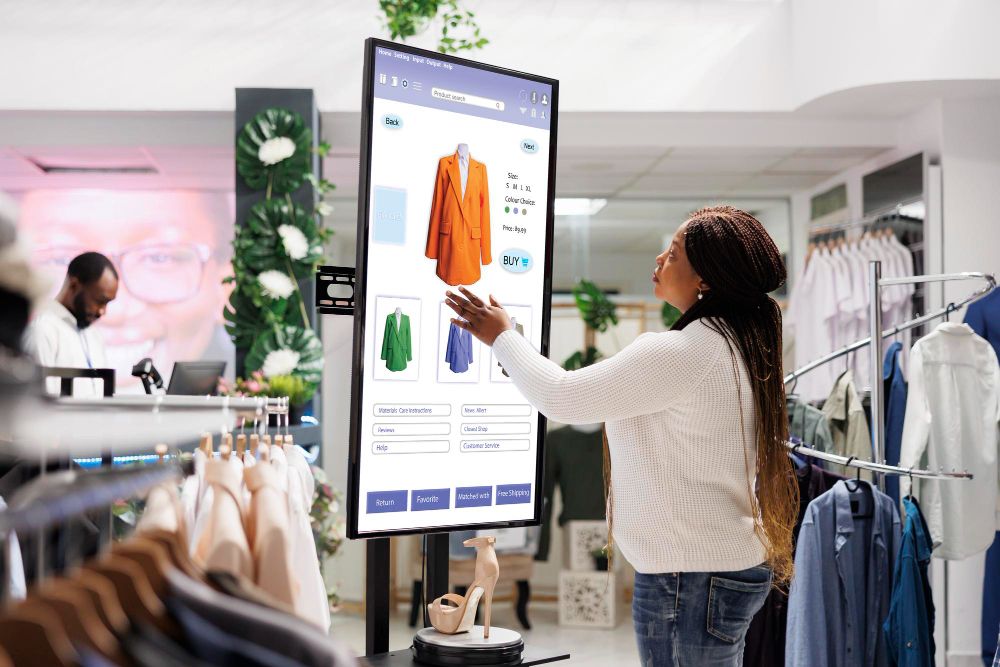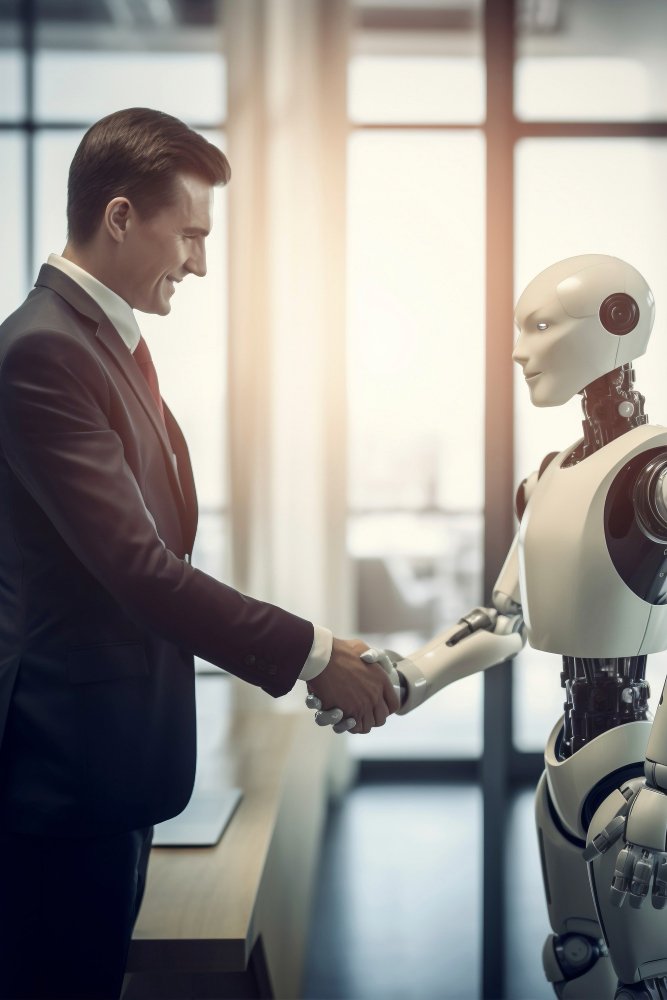
As we approach 2028, the “screen bound” AI era of the mid 2020s is being replaced by physical AI, the intelligence that lives in robots, vehicles and infrastructure. Unlike previous automation waves that replaced muscles, physical AI is designed to replace uncertainty in physical environments.
From “Executing Tasks” to “Managing Outcomes”
The most significant shift that will take place in the job market by 2028 is that humans are moving away from repetitive physical labor and towards system oversight.
The Requirement: Instead of being a ‘warehouse picker,’ the role becomes a ‘fleet orchestrator.’
The Skill: You will need the ability to monitor multiple autonomous agents(robots) and intervene only when the AI encounters an “edge case” (a situation it hasn't seen before).
The Shift: Job descriptions will make a transition from “ability to lift 50 lbs” to “ability to troubleshoot autonomous logistics workflows.”
The Rise Of “Hybrid Tech Manual” Skills
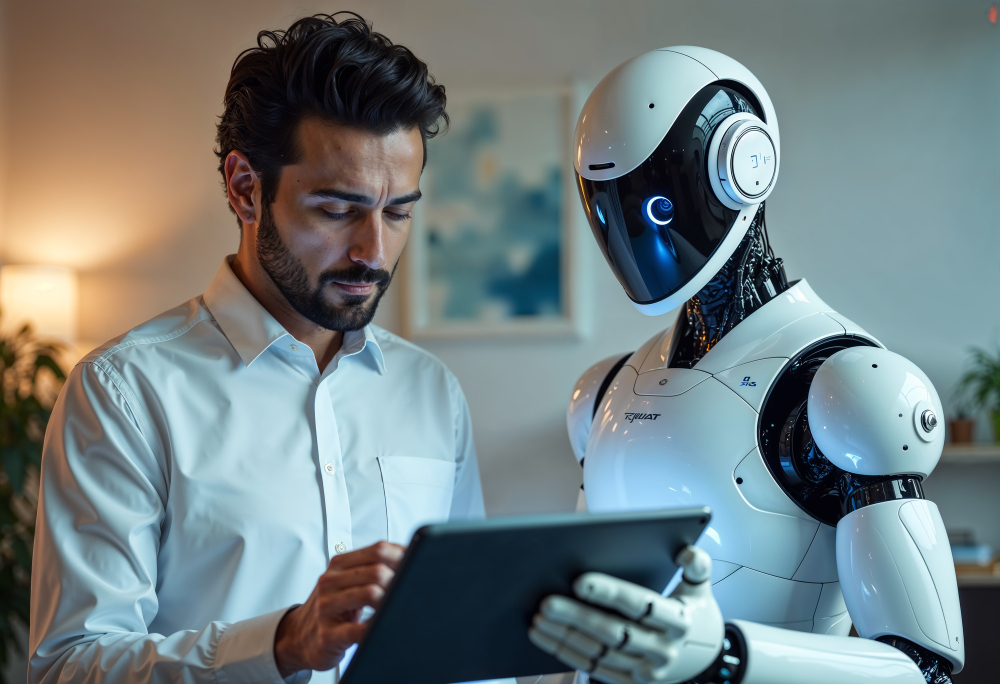
A new class of “new collar” jobs is emerging that demands both physical dexterity and digital literacy.
Robotics Technicians: Maintenance won't just remain simply about mechanical parts; it will involve “sensory calibration” and “model patching.”
Physical Prompting: Just as we prompt texts to AI for giving us the desired results, workers in the coming years will use “spatial promoting,” using voice or gestures to teach a robot about a new physical path or task in real time.
Edge Computing Literacy: Knowing and understanding how the data is processed locally on a machine (the “edge”) vs. the "cloud" will be a basic requirement for field technicians.

The “Human In The Loop Competency"
Physical AI is powerful but definitely not ‘perfect.’ By 2028, companies will prioritise “cognitive resilience,” which refers to the ability to remain alert and take over a physical system in milliseconds if the mechanism of AI fails anytime.
Critical Thinking: Assessing if an AI’s physical decision (for example, a surgical robot's path or an autonomous crane’s lift) is ethically and safely sound.
Efficient-Monitoring: Workers on the ground will be responsible for ensuring that physical AI systems are operating without being biased, such as “a security robot not unfairly profiling individuals in a public space.”

In A Nutshell
By 2028, physical AI will be the muscle, but humans will remain the ‘mind.’ As uncertainty in physical environments is replaced by algorithmic precision, the most valuable asset will be “human in the loop competency.”