
Tattoos are no longer rare or limited to certain cultures. Across the world, millions of people choose tattoos as a form of personal expression, art, or identity. While tattoos are generally considered safe when done professionally, scientific research shows that tattooing is not just a cosmetic process. It triggers a biological response inside the body, particularly involving the immune system.
The immune system’s job is to protect the body from harm, including infections, foreign substances, and injuries. Tattooing directly interacts with this system. Recent studies suggest that tattoo ink can cause both short-term and long-term immune reactions, some of which scientists are still working to fully understand.
What Happens Inside the Body During Tattooing
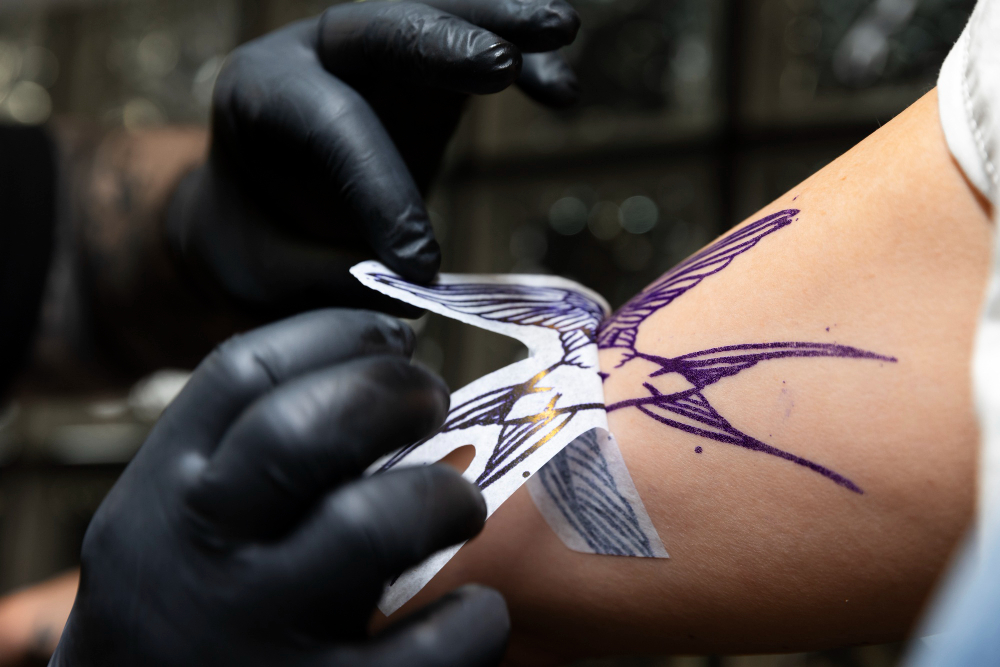
A tattoo is created by repeatedly puncturing the skin with fine needles. These needles inject ink into the dermis, which is the deeper layer of skin beneath the outer surface. The dermis is rich in blood vessels, nerve endings, and immune cells.
As soon as the needle penetrates the skin, the body treats the process as an injury. This triggers an immediate immune response. White blood cells rush to the area to repair tissue damage and deal with the foreign ink particles.
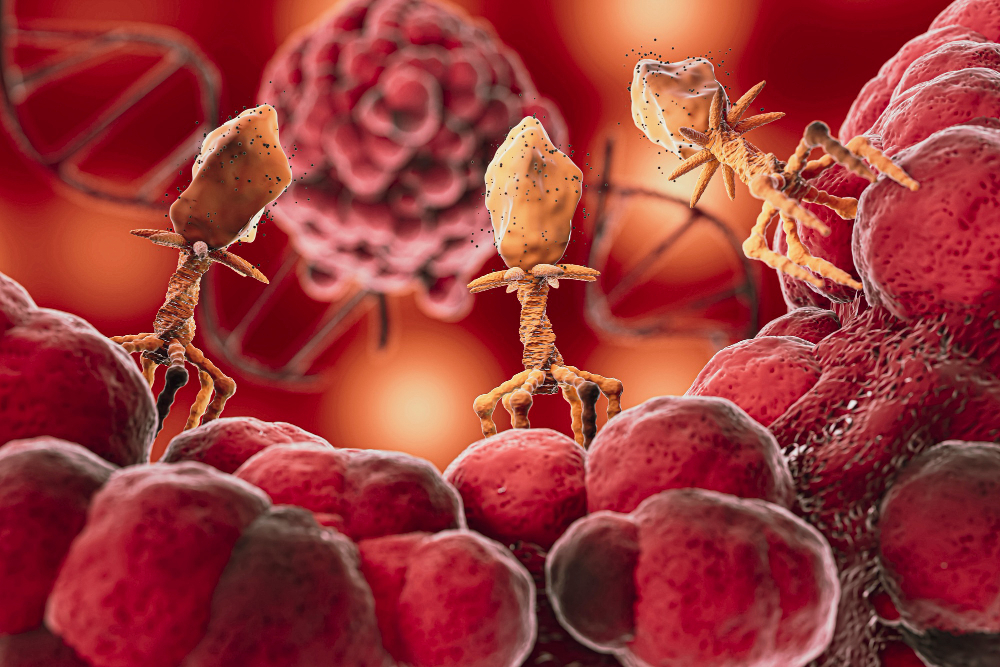
Special immune cells called macrophages play a key role. Their job is to engulf and remove foreign substances. However, tattoo ink particles are too large and chemically stable for these cells to fully break down. As a result, the ink becomes trapped in the skin. This is why tattoos remain visible for many years, often for life.
How Tattoo Ink Moves Through the Body
Tattoo ink does not stay only at the tattoo site. Research has shown that tiny ink particles can move away from the skin over time. These particles enter the lymphatic system, a network of vessels and lymph nodes that is essential for immune defense.
Lymph nodes act as filters, trapping harmful substances and activating immune cells. When tattoo ink reaches nearby lymph nodes, macrophages again try to break it down. Since they cannot destroy the ink, the pigment can build up inside the nodes.
This causes stress to immune cells and leads to inflammation. In some cases, immune cells die and are replaced by new ones, which then also absorb ink. This cycle can continue for years.
Inflammation and Long-Term Immune Activation
Inflammation is a normal immune response. After getting a tattoo, inflammation is strongest in the first few days. This causes redness, swelling, pain, and warmth at the tattoo site.
However, because tattoo ink remains in the body permanently, low-level inflammation can persist for a long time. This ongoing immune activity means the body continues to recognize tattoo ink as a foreign substance even after the skin has healed.
Chronic inflammation does not always cause symptoms, but over time, it may place stress on tissues and immune cells. Scientists believe this long-term immune stimulation could have health implications in certain individuals.
Allergic Reactions and Skin Problems
Some people experience allergic reactions to tattoo ink. These reactions can occur immediately or even years after getting a tattoo.
Bright colors such as red, yellow, and orange are most commonly linked to allergies. Symptoms may include itching, swelling, rashes, or raised skin.
In some cases, the immune system forms granulomas, which are small lumps of immune cells that surround ink particles the body cannot remove. These lumps are the body’s attempt to isolate the foreign material.
Effects on the Immune System and Vaccines
Recent studies suggest that tattoo ink inside lymph nodes may affect how the immune system responds to vaccines.
In animal studies, researchers found that tattoo ink accumulation reduced antibody responses to certain vaccines, especially when the vaccine was injected near a tattooed area. This effect was seen with mRNA vaccines, such as those used for COVID-19.
In other cases, different vaccines appeared to trigger stronger immune responses in the presence of tattoo-related inflammation. Scientists believe ink-filled immune cells may not function normally, making immune responses less predictable.
More human research is needed, but these findings suggest tattoos may influence immune behavior in specific parts of the body.
Tattoo Ink Ingredients and Health Concerns
Tattoo inks are complex mixtures. They may contain carbon-based pigments, heavy metals like nickel or chromium, and chemical dyes.
Some of these substances can be toxic under certain conditions. Laboratory studies have shown that ink particles can travel beyond lymph nodes and reach organs such as the liver and spleen, at least in animal models.
These findings have raised concerns about long-term exposure and potential health risks. As a result, experts are calling for stricter regulation of tattoo ink ingredients and better safety testing.
Possible Links to Cancer and Immune-Related Diseases
Some large studies have found a possible association between tattoos and certain cancers, including lymphoma and skin cancer. The risk appears higher in people with large tattoos.
Scientists stress that these studies show association, not proof. The exact cause is still unclear. However, chronic immune activation and long-term inflammation caused by tattoo ink are considered possible contributing factors.
More long-term human studies are needed before firm conclusions can be made.

What This Means for People Considering Tattoos
Tattoos are generally safe when done by trained professionals using clean equipment. Immediate risks such as infection and irritation can be reduced with proper hygiene and aftercare.
However, tattoos are not biologically inactive. Tattoo ink can remain in the body for decades, interact with immune cells, and cause long-lasting immune responses.
Experts do not say people should avoid tattoos entirely. Instead, they recommend awareness. Understanding how tattoos interact with the immune system allows people to make informed decisions about their health.