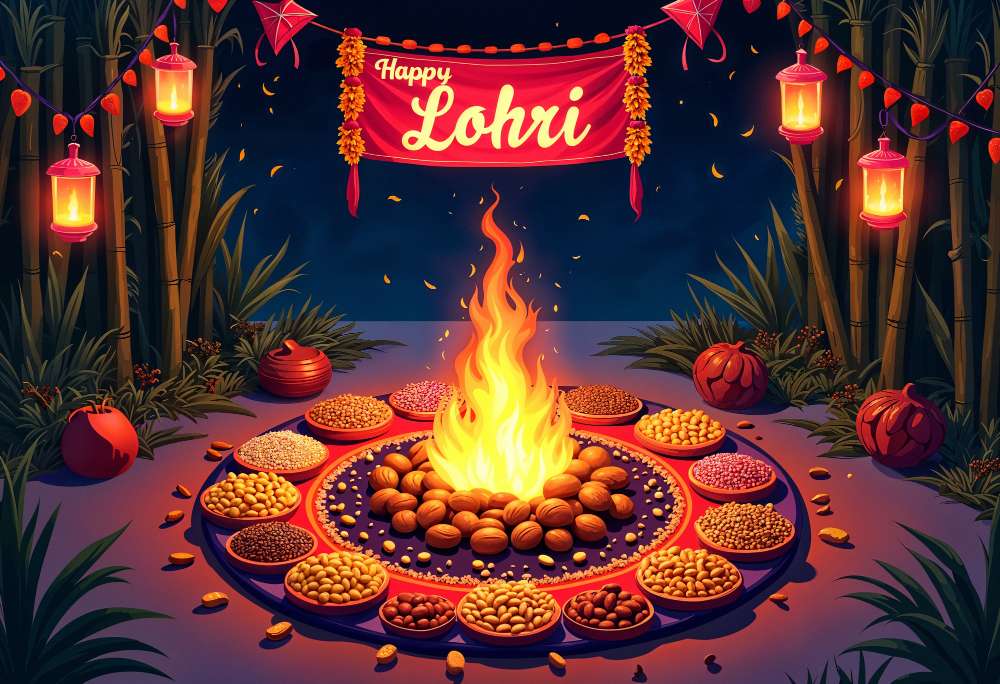
Lohri is one of the most joyful and culturally rich festivals celebrated mainly in Punjab and many parts of North India. It is observed every year in mid-January, usually when winter is at its peak and cold nights begin to soften. Lohri is more than just a festival of music, dance, and food. It is a celebration of warmth, togetherness, gratitude, and hope.
Families and neighbours gather to light a bonfire, sing folk songs, perform bhangra and giddha, and share traditional treats such as peanuts, popcorn, rewri, and gajak. In many homes, Lohri is also considered a special occasion to celebrate newborns and newlywed couples, as the festival symbolizes prosperity and new beginnings.
Lohri is celebrated mostly on 13 January every year. In some years, depending on the traditional calendar, it may also be observed on 14 January, but for most regions and communities, 13 January is the commonly celebrated Lohri date.
In today’s fast lifestyle, Lohri can still be celebrated in a way that protects health without losing its traditions. With a few mindful habits related to food, safety, and the environment, this festival can become even more meaningful and enjoyable.
Why Lohri Is Celebrated: Meaning and Importance
Lohri is closely connected to seasonal change and harvest traditions. It is celebrated around the time when the sun begins its northward journey and the days start getting longer. This seasonal shift is seen as a symbol of hope, renewal, and better days ahead. For farming communities, Lohri represents gratitude for the harvest and prayers for a prosperous year. For families, it becomes a warm moment of togetherness, blessings, and celebration.
Lohri also holds special value for homes welcoming new beginnings. The birth of a child or the first Lohri after marriage is often celebrated with extra happiness because the festival symbolizes growth, prosperity, and positivity. The shared rituals, songs, and festive gatherings make Lohri an emotional celebration, not only a cultural one.
Lohri Story and History: The Legend of Dulla Bhatti
Lohri is not only about fire, food, and dance. It also carries powerful folk stories passed down through generations. The most famous story linked with Lohri is the legend of Dulla Bhatti, a Punjabi hero known for bravery and kindness. According to folklore, he lived during the Mughal period and stood against injustice. He helped the poor, protected the weak, and challenged cruelty, which is why he is often compared to Robin Hood.
One of the most popular tales says that he saved orphan girls from being sold into slavery and helped arrange their marriages with respect and dignity, acting as a guardian. Two girls named Sundri and Mundri are often mentioned in Lohri songs. Even today, people sing lines praising Dulla Bhatti while gathering around the bonfire. This tradition adds depth to the festival, reminding everyone that celebration should include courage, compassion, and respect for humanity.
Healthy and Safe Lohri Bonfire Tips
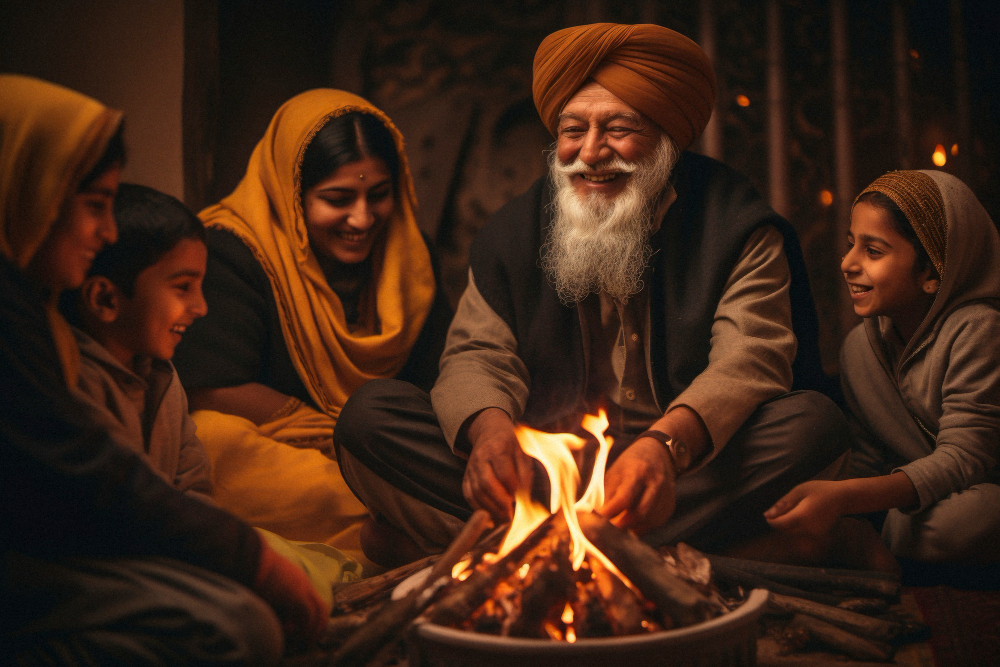
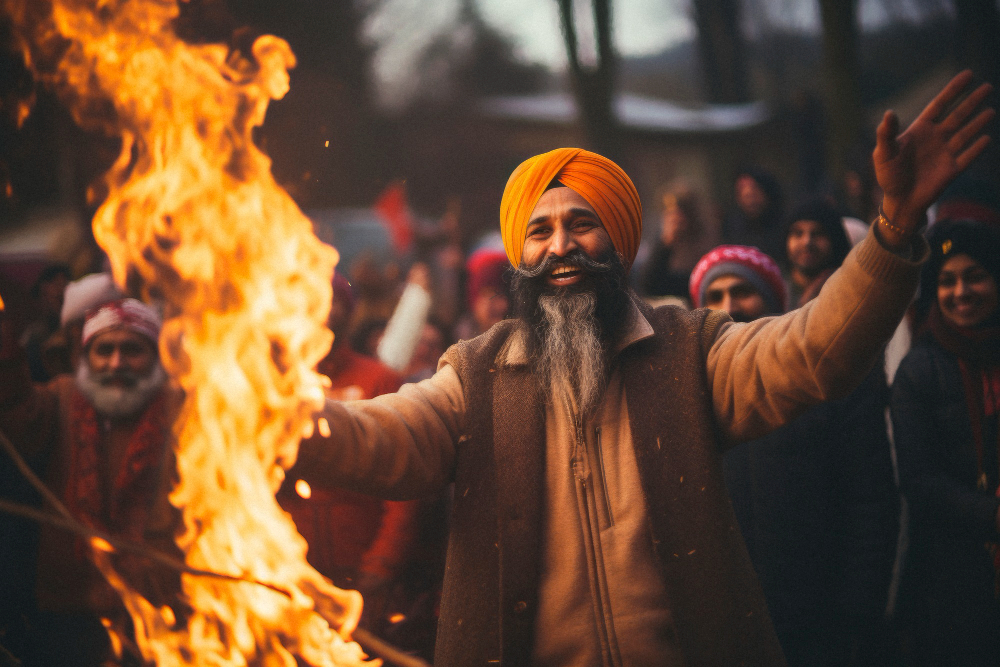
The bonfire is the heart of Lohri. It represents warmth in winter, the victory of light over darkness, and the unity created when everyone gathers around the flames. However, the quality of the bonfire plays an important role in keeping the celebration healthy. Burning plastic, rubber, or waste materials releases toxic fumes that can harm the lungs and trigger breathing problems. Children, elders, and people with asthma often suffer the most from polluted air and heavy smoke.
A healthier celebration focuses on keeping the bonfire clean and controlled. Dry wood and natural materials are safer for both health and the environment. It is also important that the bonfire is lit in a well-ventilated open space so the smoke does not remain trapped. When safety is taken seriously and the fire is kept at a safe distance, the celebration feels more comfortable, peaceful, and enjoyable.
Healthy Lohri Food: Eat Traditional Sweets in Moderation
Lohri foods are naturally suited to winter and have been part of tradition for generations. Peanuts, sesame seeds, jaggery, and popcorn are warming foods that provide energy during cold weather. Sesame seeds contain healthy fats, calcium, and minerals, while jaggery is often preferred over refined sugar because it contains small amounts of iron and nutrients.
At the same time, popular sweets like rewri and gajak can be heavy if eaten in large amounts because they contain a lot of sugar and calories. Overeating sweets may cause acidity, indigestion, tiredness, or discomfort at night. The healthiest approach is simple: enjoy traditional sweets, but keep the portion small. This way, you can celebrate the taste of Lohri while also keeping your body light and active.
Homemade Lohri Snacks: Healthier Alternatives to Packaged Sweets
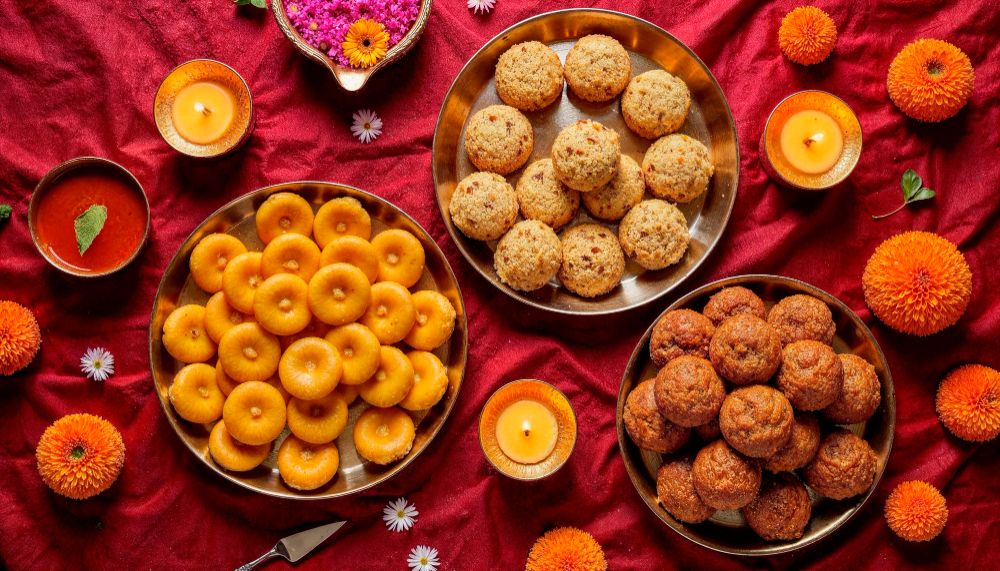
One of the easiest ways to celebrate Lohri in a healthier way is to prefer homemade snacks. Packaged sweets and fried items often contain extra sugar, unhealthy fats, and preservatives. Homemade treats, on the other hand, can be made fresh with cleaner ingredients. Til laddoos, peanut chikki, roasted peanuts, and simple popcorn prepared at home can bring the same festive joy with better nutrition.
Adding winter fruits also improves the food table. Oranges, guava, apples, and seasonal fruits bring fibre, vitamins, and freshness. These small changes keep the festival food delicious while reducing unnecessary heaviness and junk.
Eat a Proper Lohri Meal for Better Digestion
Many people snack continuously during Lohri celebrations and forget to eat a proper meal. This habit can confuse the digestive system and cause discomfort, especially at night. A balanced meal helps keep energy steady and prevents the sudden heaviness that comes from eating only sweets and snacks.
Traditional Lohri meals already offer healthy and comforting options. Sarson da saag, makki di roti, salad, and curd or chaach provide nourishment and support digestion in winter. When a proper meal is eaten first, festive sweets can be enjoyed later in a smaller and healthier way. This keeps the celebration more energetic and less tiring.
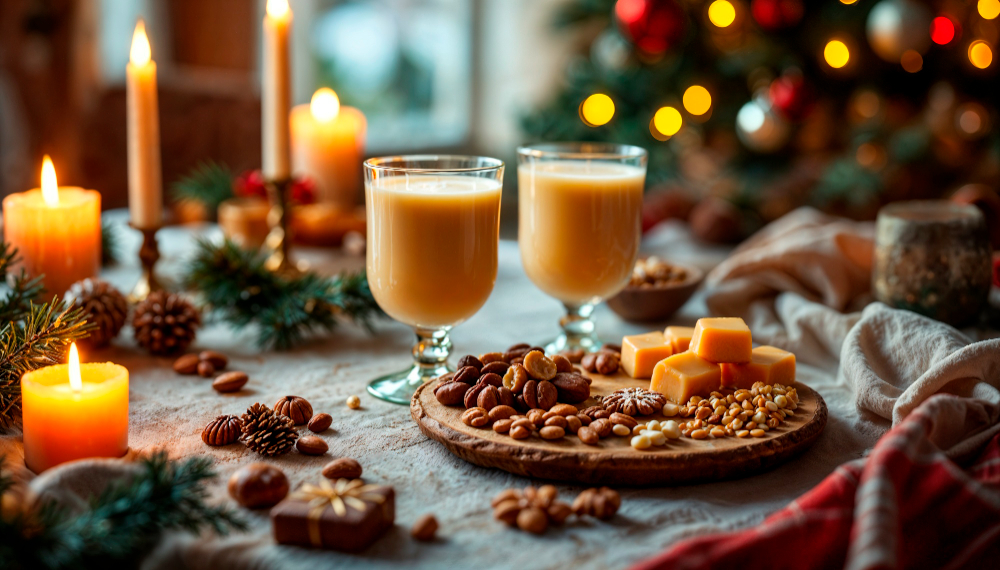
Healthy Winter Drinks for Lohri Celebration Night
Warm beverages are a big part of winter gatherings, but sugary tea, cold drinks, and soft drinks can feel heavy after festive eating. Healthier drinks keep the body warm and support digestion. Ginger tea, tulsi tea, warm lemon water, and turmeric milk with minimal sugar are great choices for winter nights.
These drinks not only help with digestion but also support immunity in the cold season. When people choose lighter and healthier beverages, they feel fresher and more active throughout the celebration.
Lohri Dance Benefits: Bhangra and Giddha for Fitness
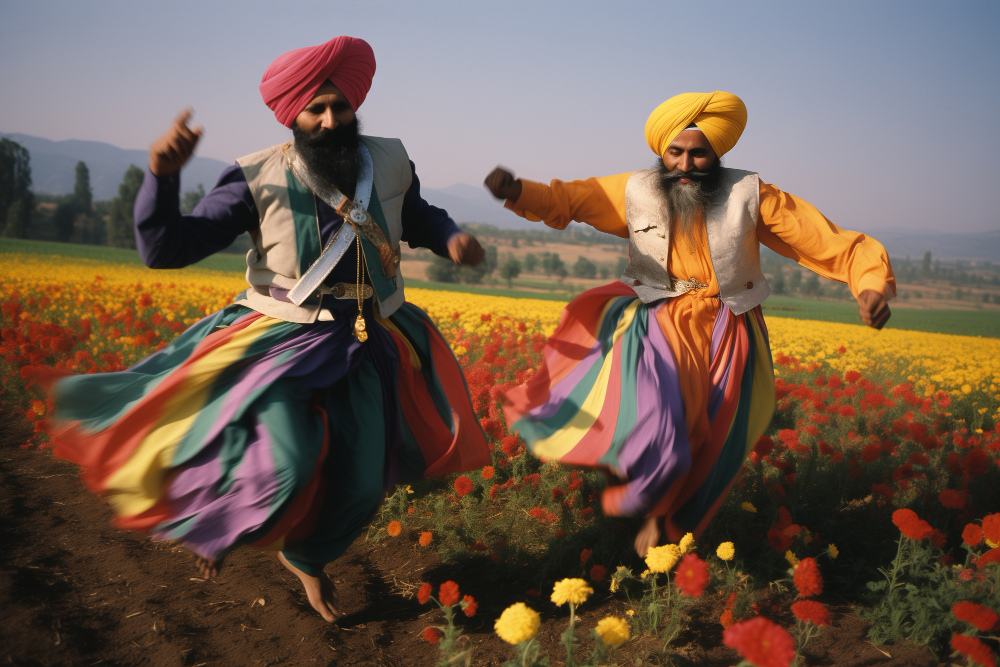
Lohri is naturally a festival of movement. Bhangra and giddha are not only cultural expressions but also powerful exercises. Dancing increases heart rate, improves stamina, and makes the body active after food. It also boosts mood instantly and creates a sense of happiness and connection.
Instead of sitting for long hours after eating, dancing keeps the body light and supports digestion. It turns the celebration into a joyful workout without anyone even realizing it. This is one of the healthiest parts of Lohri and also one of the most fun.
Eco-Friendly Lohri Celebration Tips for a Cleaner Environment
A truly healthy Lohri should also be safe for the environment. Excessive smoke, firecrackers, and plastic waste harm nature and affect the community. Firecrackers increase air and noise pollution and can also disturb animals and birds. The festival becomes more peaceful and responsible when people focus more on traditional singing, dancing, and storytelling rather than loud crackers.
Eco-friendly habits such as avoiding plastic, using reusable utensils, and cleaning the celebration area after the event keep the environment cleaner. When Lohri is celebrated responsibly, it protects both people and nature while keeping the festive spirit alive.
Lohri Festival Values: Gratitude, Sharing, and Togetherness
Lohri is a festival of gratitude. It teaches people to appreciate harvest, warmth, and the joy of being together. The celebration becomes even more meaningful when it includes kindness and sharing. Helping others during winter, sharing food with those in need, and donating warm clothes or blankets adds a deeper purpose to the festival.
Celebrating Lohri with love, family bonding, and respect for traditions makes it emotionally fulfilling. The festival is not only about enjoying food but also about spreading warmth in every sense.
Conclusion: Celebrate Lohri in a Healthy Way
Lohri can be celebrated in a healthy way without losing its beauty or traditions. When people keep the bonfire clean and safe, enjoy sweets in moderation, prefer homemade and nutritious snacks, stay active through dancing, and celebrate in an eco-friendly way, Lohri becomes a festival that supports both health and happiness.
Remembering cultural stories such as the legend of Dulla Bhatti adds pride and meaning to the celebration. It reminds everyone that Lohri is not only a night of food and fun, but also a festival of courage, gratitude, and togetherness.