Today, many homes are filled with furniture that is designed to be replaced quickly. Cheap materials and fast-changing trends encourage people to buy new items often, even when the old ones still work. This fast furniture culture creates a large amount of waste and leaves homes looking similar and impersonal.
Every year, millions of tonnes of furniture are thrown away, much of it ending up in landfill. Like fast fashion, fast furniture prioritises speed and low cost over quality and durability. The result is environmental damage and interiors that lack character.
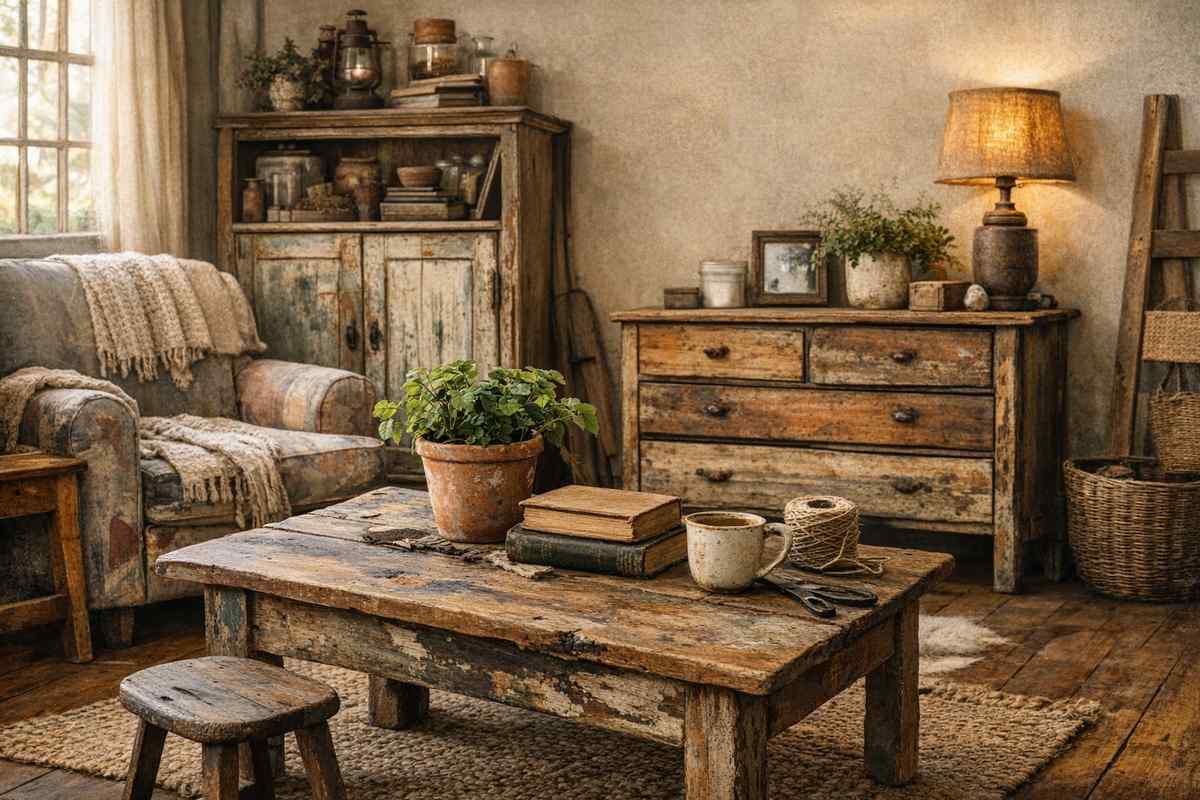
An alternative approach is growing in popularity, reusing, repairing, and repurposing existing furniture and materials. This way of decorating not only reduces waste but also helps create homes that feel warmer, more personal, and more meaningful. By accepting signs of age and wear, we can design spaces that feel lived in rather than perfect.
Why Old Furniture Matters
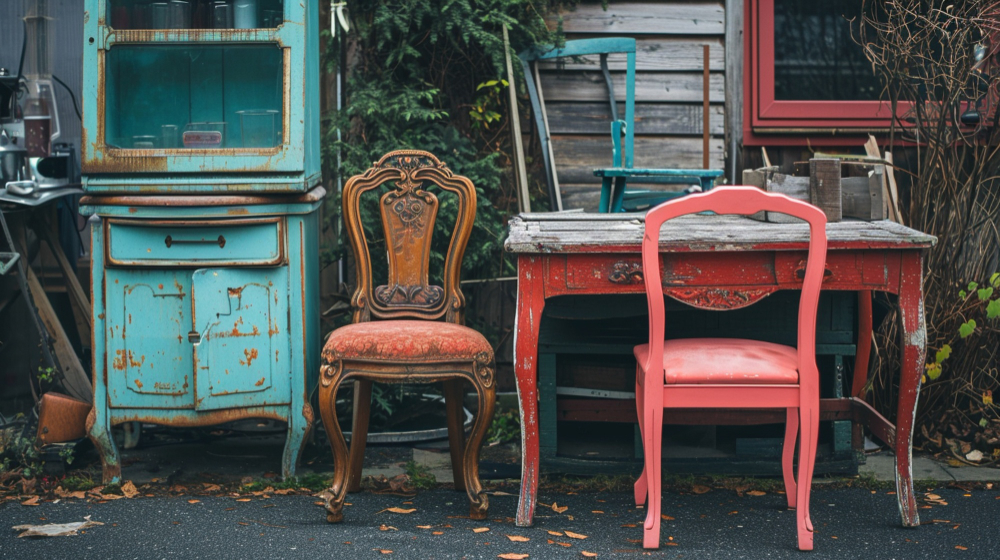
Antique and vintage furniture bring history into a home. Scratches, marks, and faded surfaces show that an item has been used and valued over time. These details often make furniture more interesting, not less.
Mid-century furniture is especially versatile. Its simple shapes and practical design work well in both modern and traditional homes. Older pieces can also be used in new ways, such as turning an old bench into hallway seating or a shop counter into a kitchen island. When mixed with modern furniture, vintage items stand out and give a room depth.
Refreshing Furniture With Paint
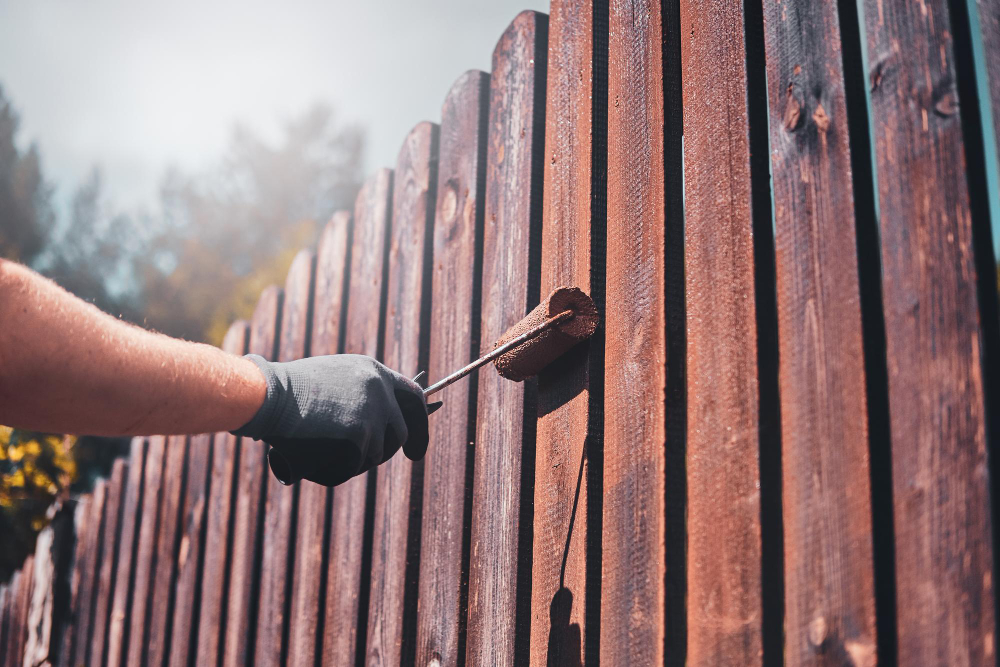
Painting is one of the easiest ways to change the look of old furniture. Soft colours can make a space feel calm, while bold shades add energy and personality.
If a piece is made from good-quality wood, it is often best left natural. If not, paint allows it to be reused instead of replaced. Painting only part of a piece, such as drawers or legs, can add interest while keeping its original character.
Using Textiles to Add Warmth
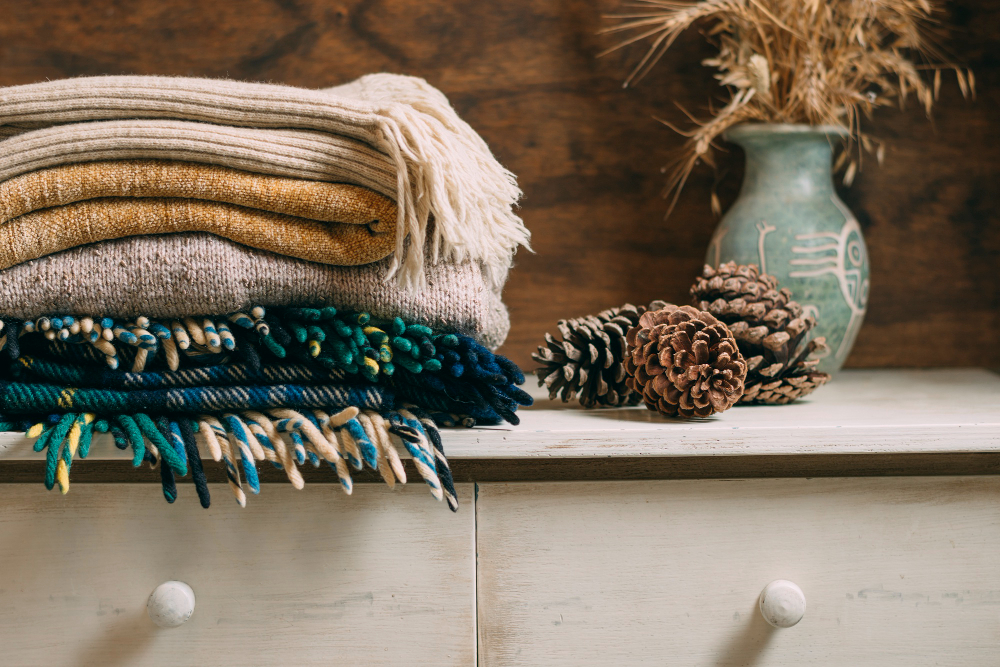
Textiles play an important role in how a room feels, yet many good-quality fabrics are thrown away. Vintage and surplus textiles can be reused in many ways, from cushions and curtains to wall hangings and bed canopies.
Fabric adds colour, softness, and comfort. It is also easy to change, making it a flexible way to update a space without major work or waste.
Adding Detail With Reclaimed Metal
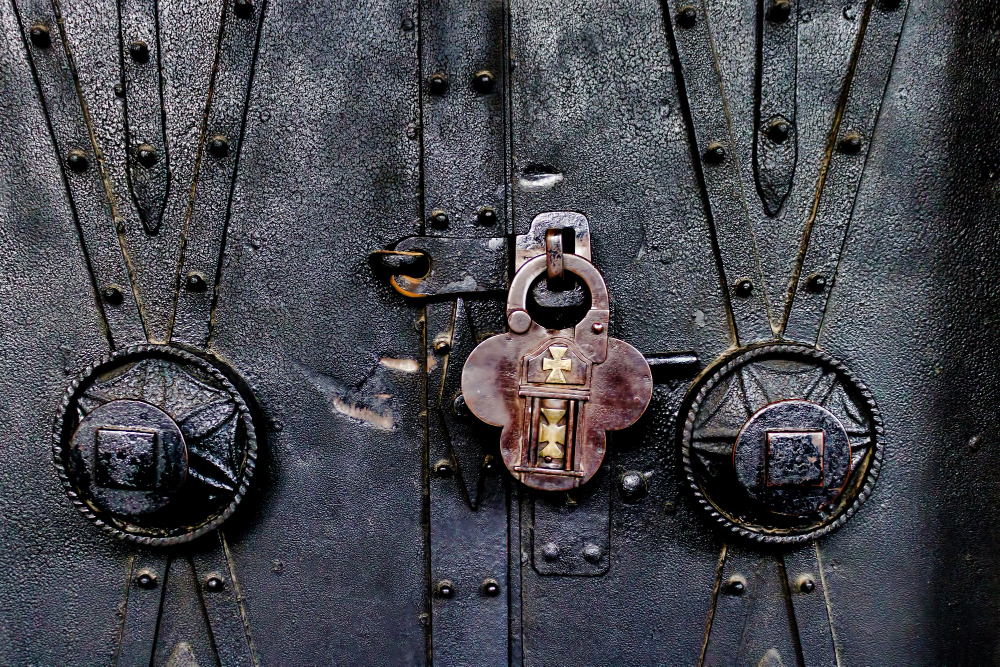
Small details can make a big difference. Old metal items such as door handles, hooks, and taps add texture and a sense of age. Their worn surfaces bring warmth and contrast, especially when combined with modern materials.
Household metal objects can also be reused creatively. Enamel bowls or tubs can become planters, while reclaimed sinks or metal panels can turn into strong design features. Walls can be used to display everyday objects, turning practical items into decoration.
Rethinking Lighting
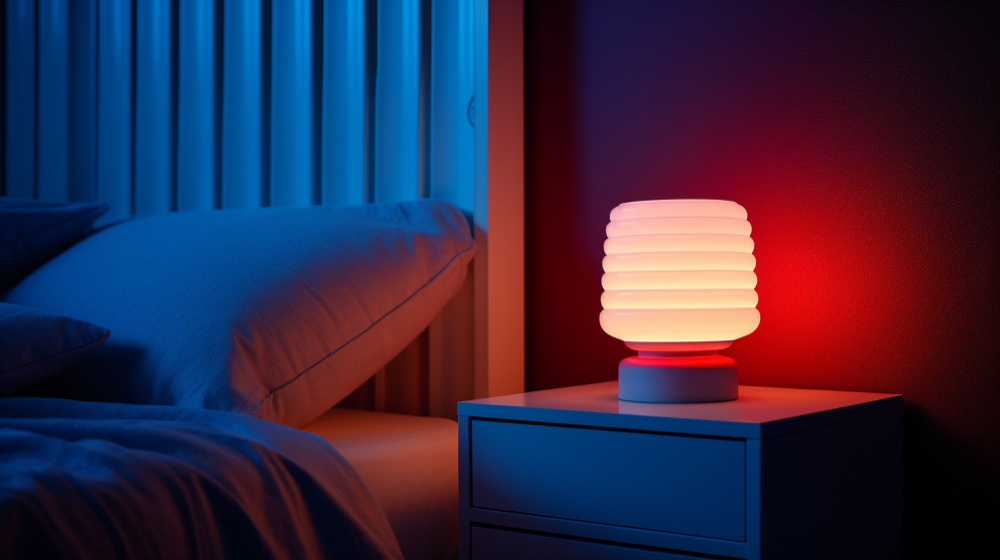
Lighting has a strong effect on the mood of a room. Instead of buying new fittings, vintage or salvaged lights can be reused and adapted. With proper rewiring, old pendants, chandeliers, and industrial lights can work safely in modern homes.
Updating shades or repainting bases gives these pieces a fresh look. Combined with energy-efficient bulbs, reused lighting becomes both practical and stylish.
Reusing Tiles and Stone
Salvaged tiles bring colour and pattern into kitchens and bathrooms. They can be used on splashbacks, worktops, or small feature areas.
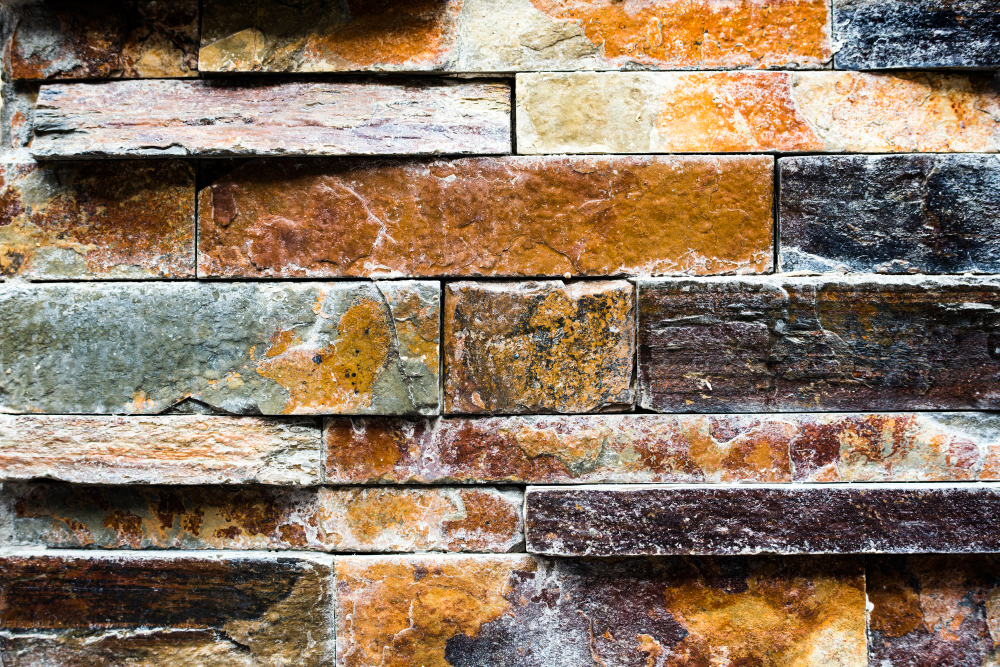
Stone and marble offcuts are often discarded, but they are durable and visually striking. When reused, their natural marks and uneven edges add character and show the beauty of natural materials.
Creating Interest With Frames and Art
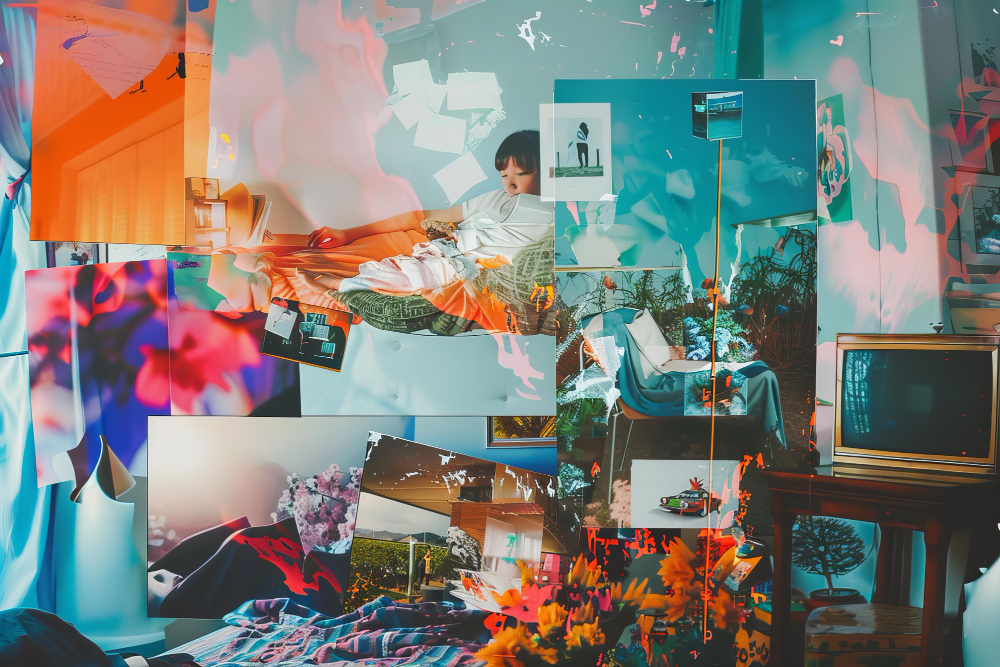
Old frames add depth and charm to walls. Their detailed designs work well with both modern and traditional artwork.
Mixing different frame styles creates a relaxed and personal look. This approach values individuality over uniform design and allows collections to grow naturally over time.
Finding New Uses for Old Objects
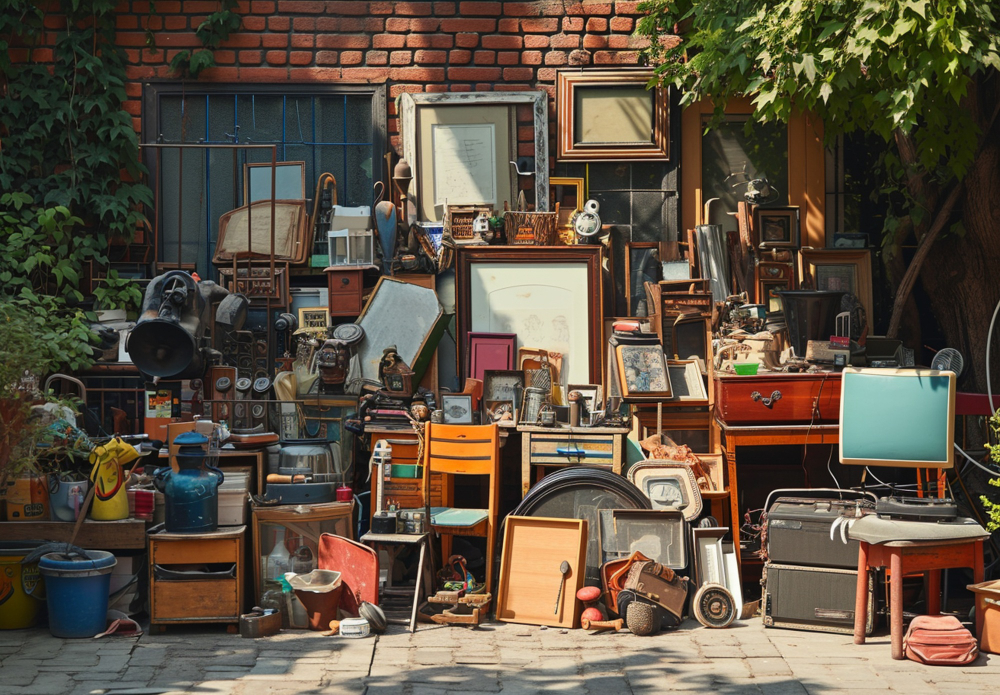
Upcycling encourages creativity. Everyday items can be given new purposes, such as turning ladders into storage, crates into shelves, or bottles into decorative pieces.
Designers increasingly use reclaimed wood and other materials to add texture to walls, cabinets, and doors. These choices reduce waste while adding warmth and uniqueness to interiors.
A More Thoughtful Way to Decorate
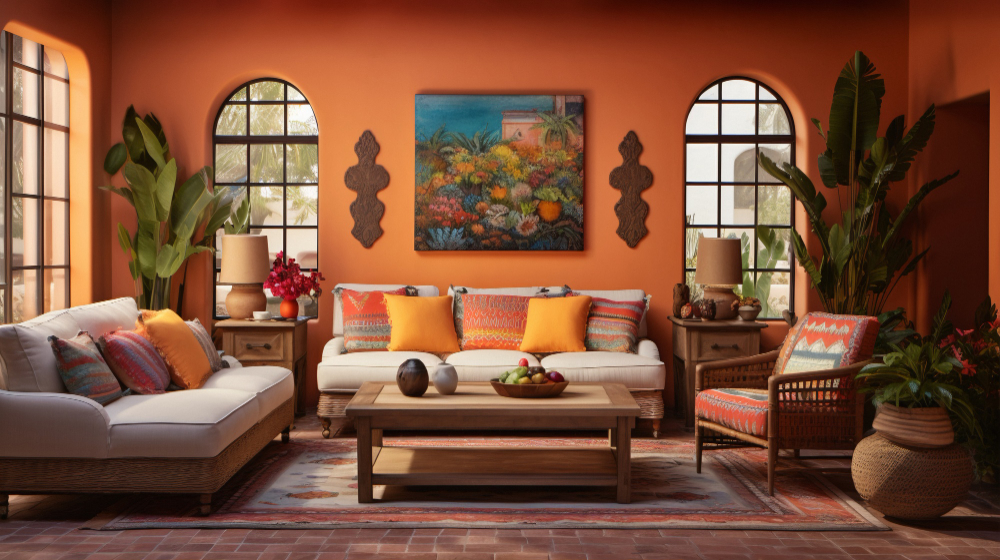
Homes created with reused and repurposed materials feel more personal and connected to the people who live in them. Instead of following short-lived trends, this approach focuses on quality, longevity, and creativity.
By choosing to repair rather than replace, and by valuing character over perfection, it is possible to create a home that is both beautiful and sustainable. Embracing imperfection allows style and responsibility to exist together, shaping spaces that are comfortable, meaningful, and long-lasting.