
Cycling and running are two of the most popular cardio exercises in the world. People choose them because they are effective, easy to include in daily life, and beneficial for both physical and mental health. Whether your goal is to improve heart health, manage weight, reduce stress, or build endurance, both activities can help you stay fit and active.
However, cycling and running are not exactly the same. Each has its own advantages and disadvantages, and one may be better than the other depending on your body, fitness level, health condition, and personal preferences. Understanding how they affect calorie burning, joints, muscles, heart health, and mental well-being can help you choose the exercise that suits you best.
Calorie Burn and Weight Management
Both cycling and running burn calories and can support weight management. However, running generally burns more calories in a shorter amount of time. This is because running uses more muscles at once and requires more effort, especially since it is a weight-bearing activity. For example, a 30-minute run usually burns more calories than a 30-minute bike ride done at a steady pace.
That said, cycling can still be very effective for weight control. When cycling is done at higher speeds, over longer distances, or on hilly terrain, calorie burn increases significantly. Interval cycling, which alternates between high and low intensity, can also burn a large number of calories.
Another advantage of cycling is that it is easier on the body, allowing many people to exercise for longer periods of time. While someone may struggle to run for an hour, they may be able to cycle comfortably for that same amount of time. This longer duration can help make up for the lower calorie burn per minute.
Impact on Joints and Injury Risk
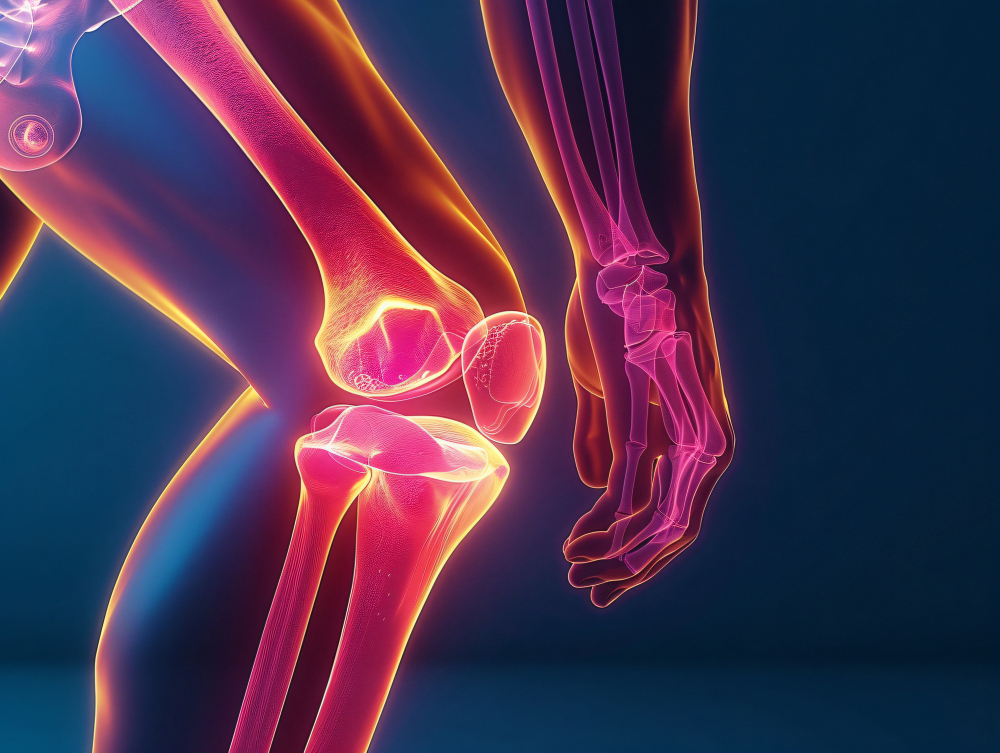
One of the biggest differences between cycling and running is how they affect the joints. Running is a high-impact, weight-bearing exercise. Each step places stress on the knees, hips, ankles, and feet. Over time, this repeated impact can lead to joint pain or overuse injuries, especially for people with existing joint issues, past injuries, or poor running form.
Cycling, on the other hand, is a low-impact exercise. Your body weight is supported by the bike, which greatly reduces stress on the joints. Because of this, cycling is often recommended for people with joint pain, arthritis, or those recovering from injuries. It is also a good option for older adults and beginners who want a gentler form of cardio exercise.
While cycling has a lower risk of joint injury, it is still important to maintain proper posture and bike setup to avoid strain on the knees, hips, or lower back.
Heart Health and Cardiovascular Fitness
Both cycling and running are excellent aerobic exercises that strengthen the heart and lungs. They increase heart rate, improve blood circulation, and help the body use oxygen more efficiently. Over time, regular aerobic exercise can lower the risk of heart disease, high blood pressure, type 2 diabetes, and other chronic health conditions.
Whether you choose cycling or running, doing it consistently can improve endurance and overall cardiovascular fitness. Both activities help increase stamina, making daily tasks feel easier and boosting overall energy levels.

Muscle Engagement and Strength
Running mainly works the muscles in the lower body, including the quadriceps, hamstrings, glutes, and calves. It also engages the core muscles, which help keep the body upright and stable. Because running is weight-bearing, it also helps strengthen bones and can reduce the risk of bone loss over time.
Cycling also targets the leg muscles, especially the quadriceps and glutes, but it places less demand on the upper body. Cycling focuses more on muscular endurance rather than impact-based strength. It allows the muscles to work continuously with less strain, which can be beneficial for people who want to build leg endurance without stressing their joints.
Accessibility, Cost, and Convenience
Running is one of the most accessible and affordable forms of exercise. It requires very little equipment, usually just a good pair of running shoes and a safe place to run. It can be done almost anywhere and at any time, making it easy to fit into a busy schedule.
Cycling requires more equipment, including a bike, proper shoes, and, for outdoor cycling, a helmet and access to safe roads or bike paths. This can make cycling more expensive and less convenient for some people.
However, many people find cycling more enjoyable for longer workouts because it is less tiring on the joints. Indoor bikes and treadmills also make both cycling and running accessible year-round, regardless of weather conditions.

Mental Health Benefits and Stress Relief
Both cycling and running provide strong mental health benefits. Exercise helps reduce stress, anxiety, and depression by releasing feel-good chemicals in the brain. These include endorphins, which reduce stress and create feelings of calm; serotonin, which helps regulate mood, sleep, and appetite; and dopamine, which supports motivation, focus, and pleasure.
Many runners experience what is often called a “runner’s high,” while cyclists may enjoy the relaxing rhythm of riding or the sense of freedom that comes with outdoor cycling. Mental benefits often depend on personal preference, environment, and enjoyment.
Enjoyment is a key factor when choosing an exercise. If you enjoy the activity, you are more likely to stay consistent and maintain it long-term. Some people prefer the simplicity and speed of running, while others enjoy the scenery, movement, and lower impact of cycling.
Choosing What’s Best for You
When deciding between cycling and running, it is important to consider your fitness goals, physical condition, lifestyle, and personal enjoyment. You do not have to choose only one. Many people combine cycling and running to get the benefits of both while reducing the risk of overuse injuries.
If you are new to exercise, start slowly and gradually increase intensity over time. Pay attention to how your body feels, and rest when needed. If you have joint pain, injuries, or other health concerns, it is a good idea to talk with a healthcare provider before starting a new exercise routine.

Conclusion
Both cycling and running are excellent cardio workouts that support heart health, muscle strength, weight management, and mental well-being. Running burns more calories in less time and helps strengthen bones, while cycling is easier on the joints and allows for longer, more comfortable workouts.
The best exercise is the one that fits your body, goals, and lifestyle, and the one you enjoy enough to do regularly. Whether you choose cycling, running, or a mix of both, staying active is the key to long-term health and fitness.