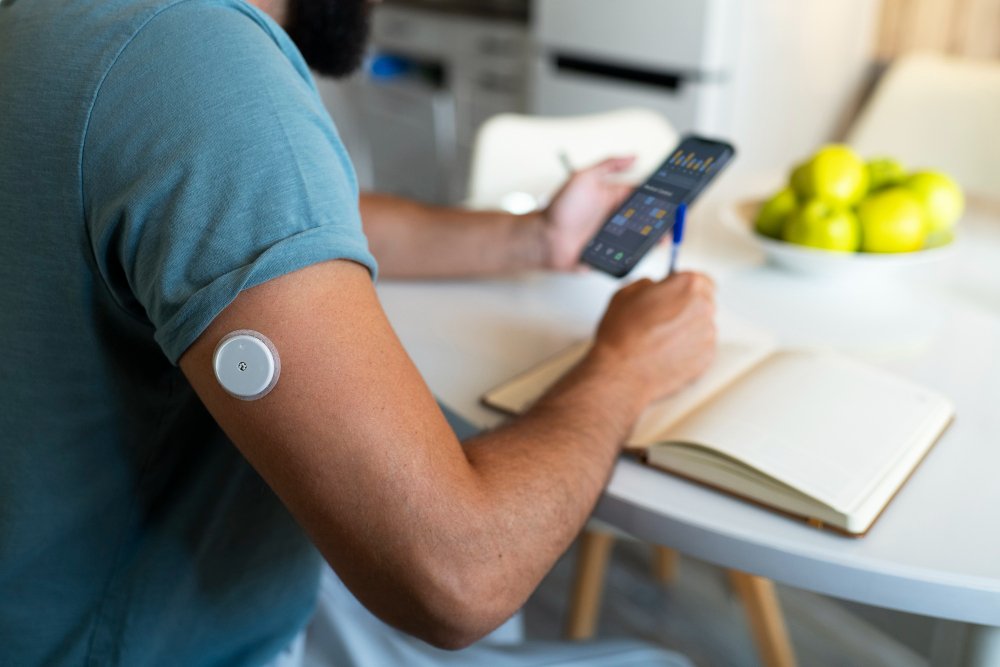
Managing blood sugar levels is a daily challenge for people living with diabetes. Over the years, technology has played a major role in making diabetes care easier and more effective. One such advancement is Continuous Glucose Monitoring (CGM). CGMs help people track their blood glucose levels continuously, giving them better control over their health and reducing the risks linked with blood sugar fluctuations.
What Is Continuous Glucose Monitoring?
Continuous Glucose Monitoring is a method of tracking blood sugar levels throughout the day and night. A CGM device automatically measures glucose levels at regular intervals, usually every few minutes. This allows people with diabetes to see their glucose levels at any time, rather than checking only a few times a day using finger-prick tests.
CGMs provide real-time information about whether blood sugar levels are rising, falling, or staying stable. Because the device collects data continuously, it also helps users understand how food, exercise, stress, medication, and sleep affect their blood sugar.
The information collected by a CGM can be shared with a healthcare provider. This helps in making better treatment decisions and improving overall diabetes management.
How Does Continuous Glucose Monitoring Work?
A CGM system works through a small sensor that is placed just under the skin, usually on the arm or abdomen. This sensor is very small and is attached using a tiny needle or an adhesive patch. Once placed, the sensor stays under the skin for several days to a couple of weeks, depending on the device.
The sensor measures glucose levels in the interstitial fluid. This is the fluid found between the body’s cells and reflects blood sugar levels closely. The sensor checks glucose every few minutes and sends the data wirelessly to a receiver, smartphone app, or insulin pump.
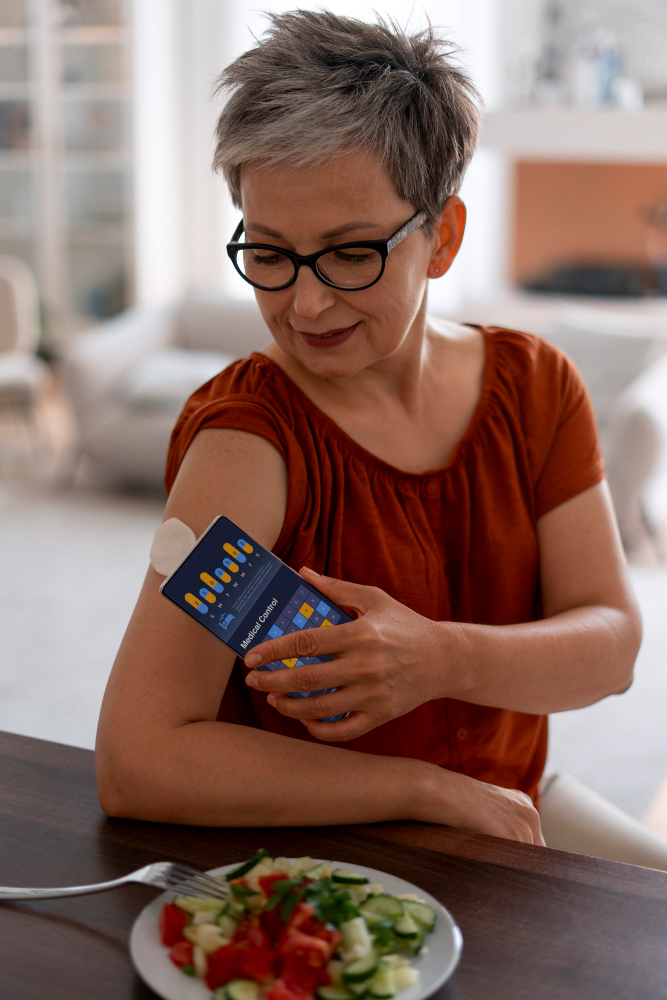
Most CGMs display real-time glucose readings, graphs, and trends. Users can see how their blood sugar changes throughout the day and night. Many CGMs also have alarms that warn users if their glucose level becomes too high or too low, or if it is changing rapidly.
Older CGM models require users to check their blood sugar with finger-prick tests once or twice a day to make sure the device is accurate. Newer CGMs have improved accuracy and usually do not require finger-prick calibration.
Who Can Use a CGM?
CGMs are most commonly used by people with type 1 diabetes, as they need frequent blood sugar monitoring and insulin adjustments. People with type 2 diabetes can also benefit from CGMs, especially those who use insulin or have a history of low blood sugar episodes.
To use a CGM, a prescription from a healthcare provider is required. The provider helps determine whether a CGM is appropriate based on the person’s medical history, treatment plan, and lifestyle needs.
Some people use a CGM for a short period, such as when starting a new medication or adjusting a diabetes care plan. Others use it long-term as part of daily diabetes management.
Benefits of Continuous Glucose Monitoring
One of the biggest advantages of CGMs is improved blood sugar control. People using CGMs often experience fewer episodes of hypoglycemia (low blood sugar) and hyperglycemia (high blood sugar).
CGMs help prevent dangerous blood sugar levels by providing alerts and alarms. Low blood sugar can cause symptoms such as sweating, shaking, dizziness, confusion, fainting, and in severe cases, coma or death. High blood sugar, if untreated, can lead to serious complications like diabetic ketoacidosis.
Another major benefit is the ability to see patterns and trends. Unlike finger-prick tests, which only show blood sugar at one moment, CGMs provide a full picture of glucose levels over time. This helps users understand how their daily habits affect blood sugar and allows better planning of meals, exercise, and medication.
CGMs also reduce the need for frequent finger-prick tests. Many modern devices eliminate finger pricks altogether, reducing pain, stress, and disruption to sleep.
Overall, better glucose control through CGM use can lower A1c levels, reduce diabetes-related emergencies, and decrease the risk of long-term complications such as nerve damage, kidney disease, and heart problems.
Limitations and Challenges of CGMs
Despite their benefits, CGMs have some limitations. The biggest challenge for many people is cost. CGM devices can be expensive, and not all insurance plans cover them. The initial cost of a CGM kit can be high, and ongoing expenses for sensors and transmitters add up over time.
Some insurance plans have specific eligibility requirements, which may limit access for some individuals. For those without coverage, paying for a CGM out of pocket can be difficult.
Some users may also experience skin irritation at the sensor site or find wearing a device uncomfortable at first. However, most people adjust over time, and newer devices are designed to be smaller and more comfortable.
When to Talk to a Healthcare Provider
Anyone living with type 1 or type 2 diabetes should consider discussing CGMs with their healthcare provider. A CGM may be especially helpful for people who have difficulty managing blood sugar levels, experience frequent low blood sugar episodes, or have trouble recognizing symptoms of hypoglycemia.
A healthcare provider can help determine if a CGM is medically necessary, choose the right device, and assist with insurance approval. They can also help interpret CGM data and make changes to treatment plans based on the results.
Conclusion
Continuous Glucose Monitoring has transformed the way diabetes is managed. By providing real-time blood sugar data, trend analysis, and alerts, CGMs empower people with diabetes to take better control of their health. While cost and access remain challenges, the benefits of improved glucose control, fewer complications, and better quality of life make CGMs a valuable tool in modern diabetes care.
For many people, CGMs are not just a device, but a key part of living safely and confidently with diabetes.