
Seafood is one of the healthiest foods you can eat. It is rich in protein and important nutrients like vitamin B12, vitamin D, zinc, and selenium. Seafood is also the best food source of omega-3 fats. These healthy fats help your brain work better, protect your heart, and reduce inflammation in the body.
Many studies show that people who eat seafood often have a lower risk of heart disease, stroke, and memory problems. Eating different types of seafood can help improve overall health and fill common nutrition gaps.
Below are 15 seafood choices that are especially good for your heart and brain.
Sardines
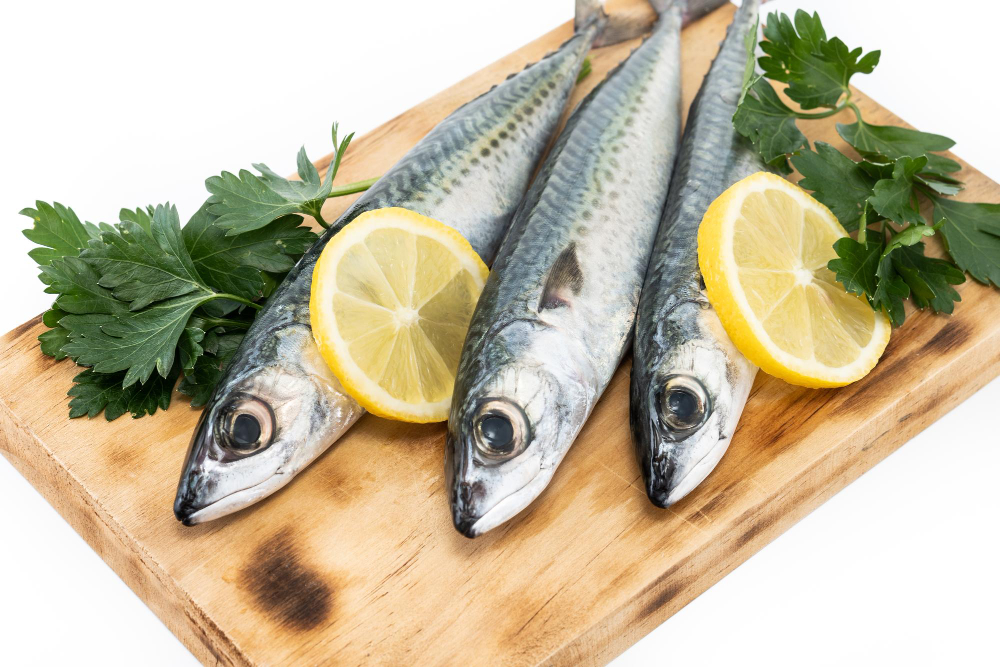
Sardines are small fish, but they are very nutritious. They contain protein, iron, vitamin E, selenium, vitamin B12, and calcium. Because sardines are eaten whole, their soft bones provide extra calcium.
One small can of sardines gives very high amounts of vitamin B12 and selenium. Sardines are also rich in omega-3 fats, which support heart and brain health. Eating sardines regularly may reduce the need for omega-3 supplements.
They also contain minerals like magnesium and potassium that help keep the heart healthy. Sardines are affordable, easy to find, and low in mercury, making them a great everyday choice.
Mackerel
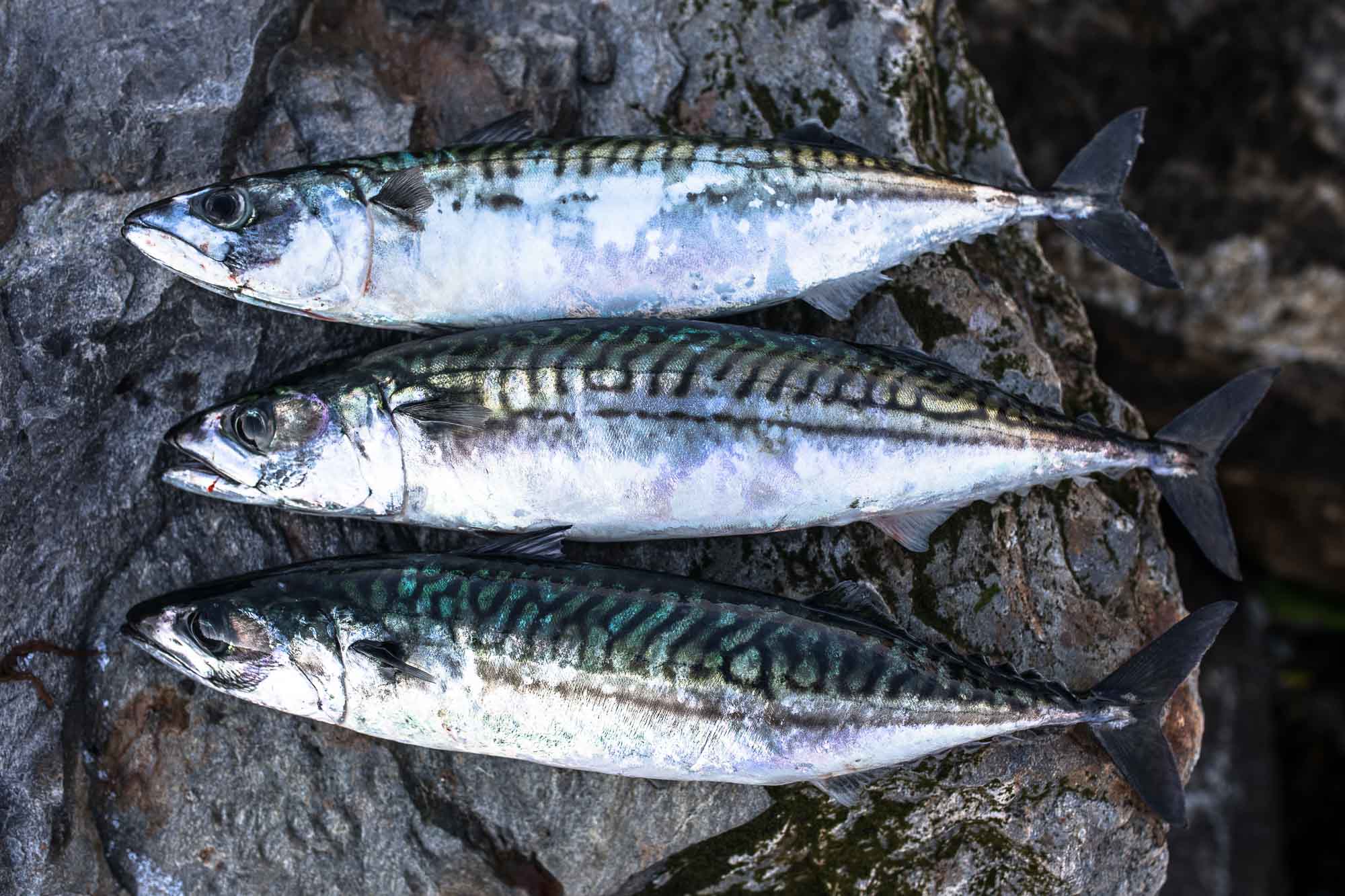
Mackerel is a fatty fish that is full of healthy nutrients. It contains vitamin B12, which helps with energy, brain function, and red blood cells. It also provides selenium, which helps protect the body from damage and supports the immune system.
Mackerel contains magnesium, which helps control blood pressure, blood sugar, nerve function, and bone health. Compared to larger fish, mackerel usually has lower mercury levels, making it safer to eat more often.
Herring
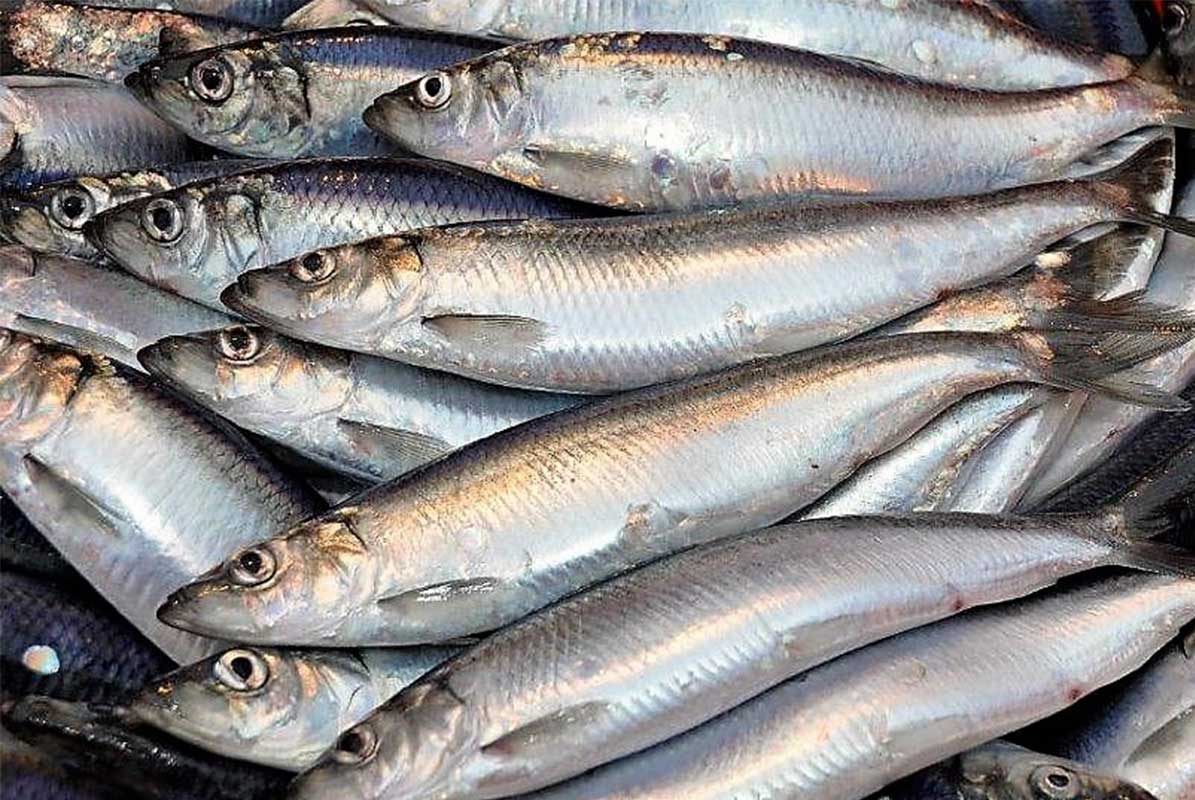
Herring is another oily fish rich in omega-3 fats. It provides vitamins D, E, and B12, along with minerals like calcium, iron, iodine, and selenium. Herring is low in harmful metals like mercury, making it a safe and healthy seafood option for regular meals.
Clams
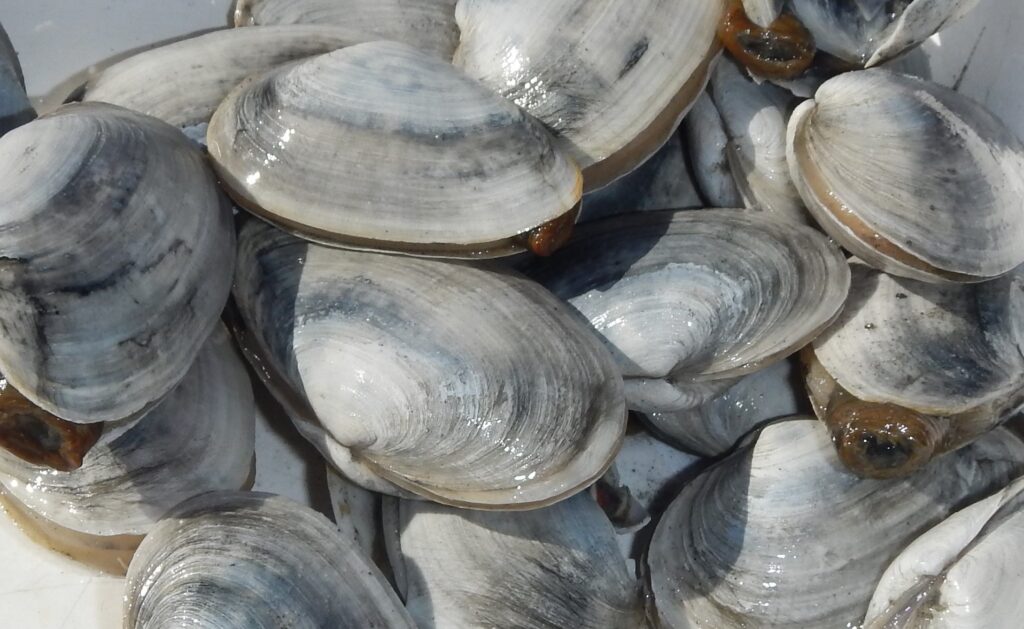
Clams are one of the best food sources of vitamin B12. A small serving gives more than enough B12 for the entire day. This vitamin is important for nerves, brain health, and making red blood cells. Clams also contain zinc and selenium, which help keep the immune system strong. They are low in mercury and are one of the most environmentally friendly seafood choices. Clams are affordable and can be bought fresh, frozen, or canned.
Trout
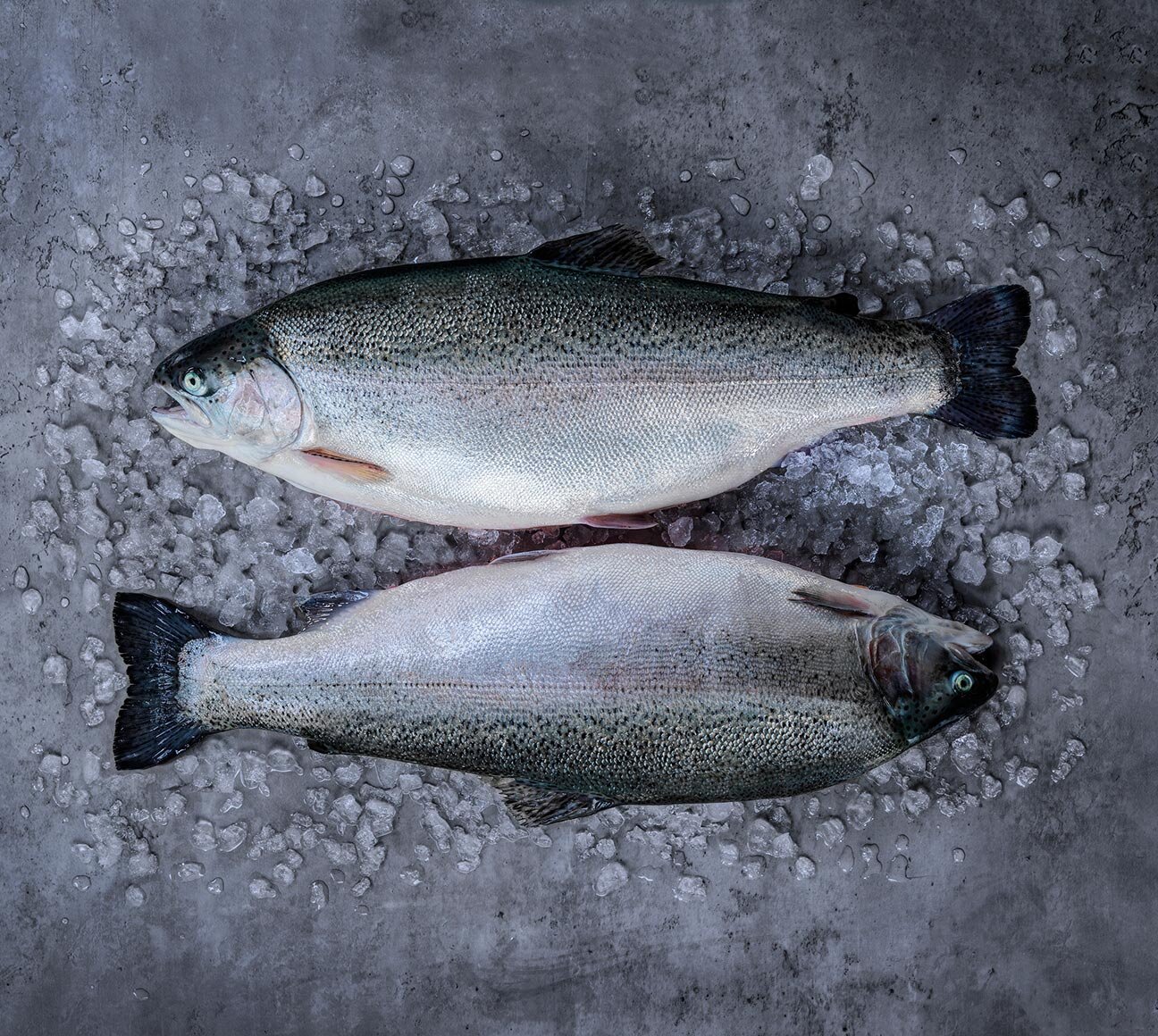
Trout is a fatty fish rich in omega-3 fats and vitamin D. Vitamin D helps the body absorb calcium, keeps bones strong, and supports immune health. Trout is also high in protein, vitamin B12, selenium, and zinc. It is a healthy and filling option that supports both heart and brain health.
Oysters
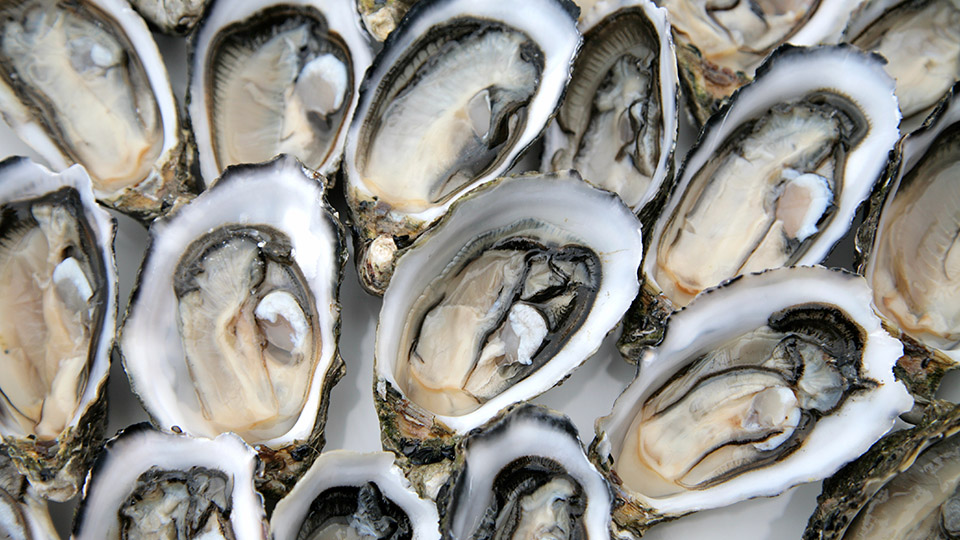
Oysters are very nutritious, even though they are low in calories. They provide protein, omega-3 fats, vitamin B12, zinc, selenium, copper, and iron. A small serving gives more than enough vitamin B12 and zinc for the day. Oysters are especially helpful for people who need more iron. Their high protein content helps you feel full and supports a healthy body weight.
Salmon
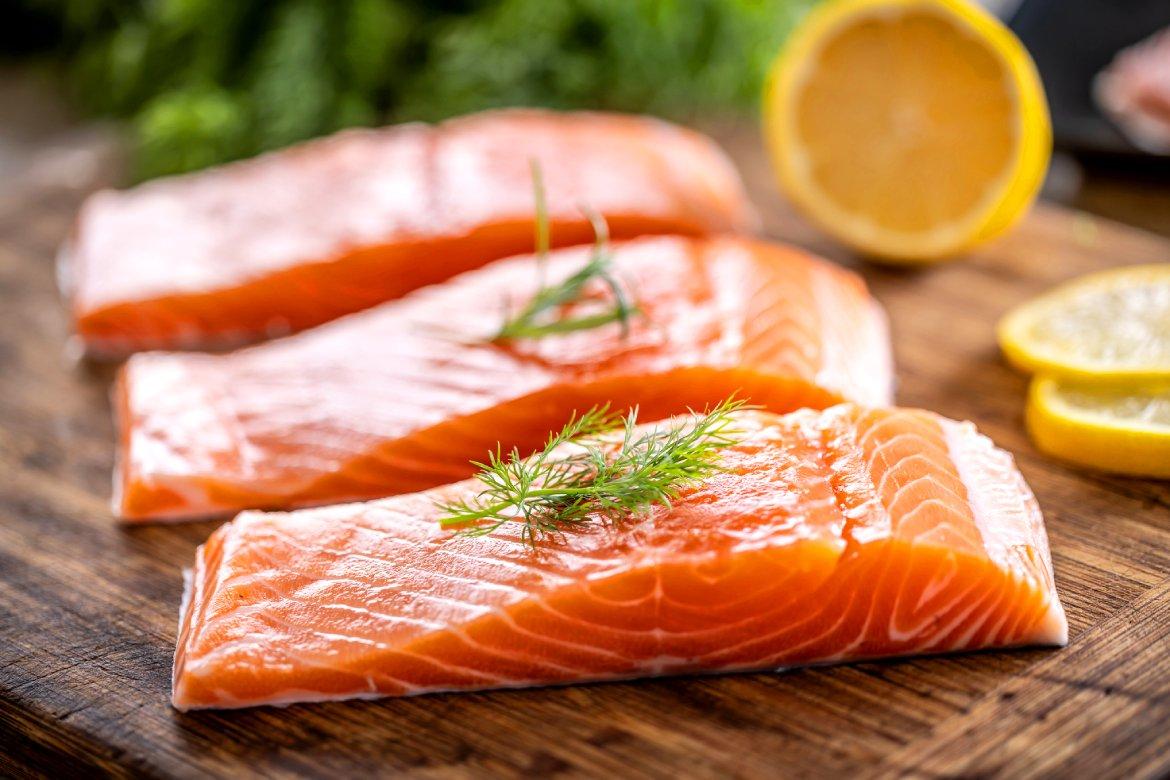
Salmon is one of the most popular seafood choices. It is rich in protein, potassium, vitamin B6, selenium, and vitamin B12. Salmon is also high in omega-3 fats and a natural antioxidant that gives it a pink colour. This antioxidant helps protect cells and may support brain health and memory as we age.
Shrimp
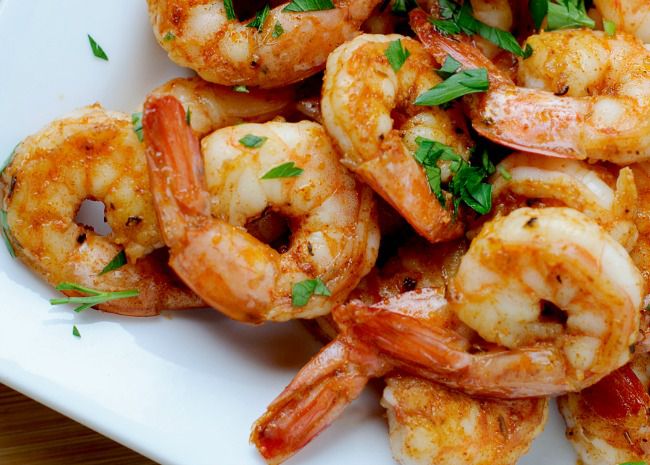
Shrimp is low in calories but high in protein. It contains vitamin B12, selenium, zinc, and antioxidants that protect the body from damage. Shrimp is easy to cook and works well in many meals, such as salads, rice dishes, and pasta.
Crab
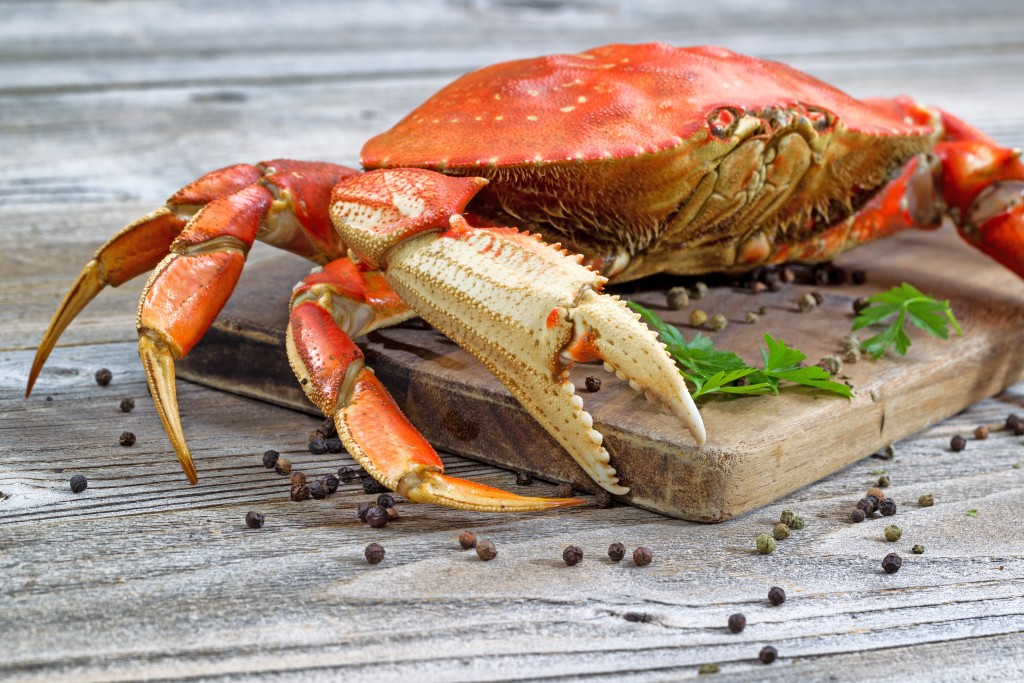
Crab meat provides B vitamins, zinc, and selenium. Zinc is important for immune health, healing, and cell growth. Crab also contains omega-3 fats that help protect the heart and reduce inflammation.
Lobster
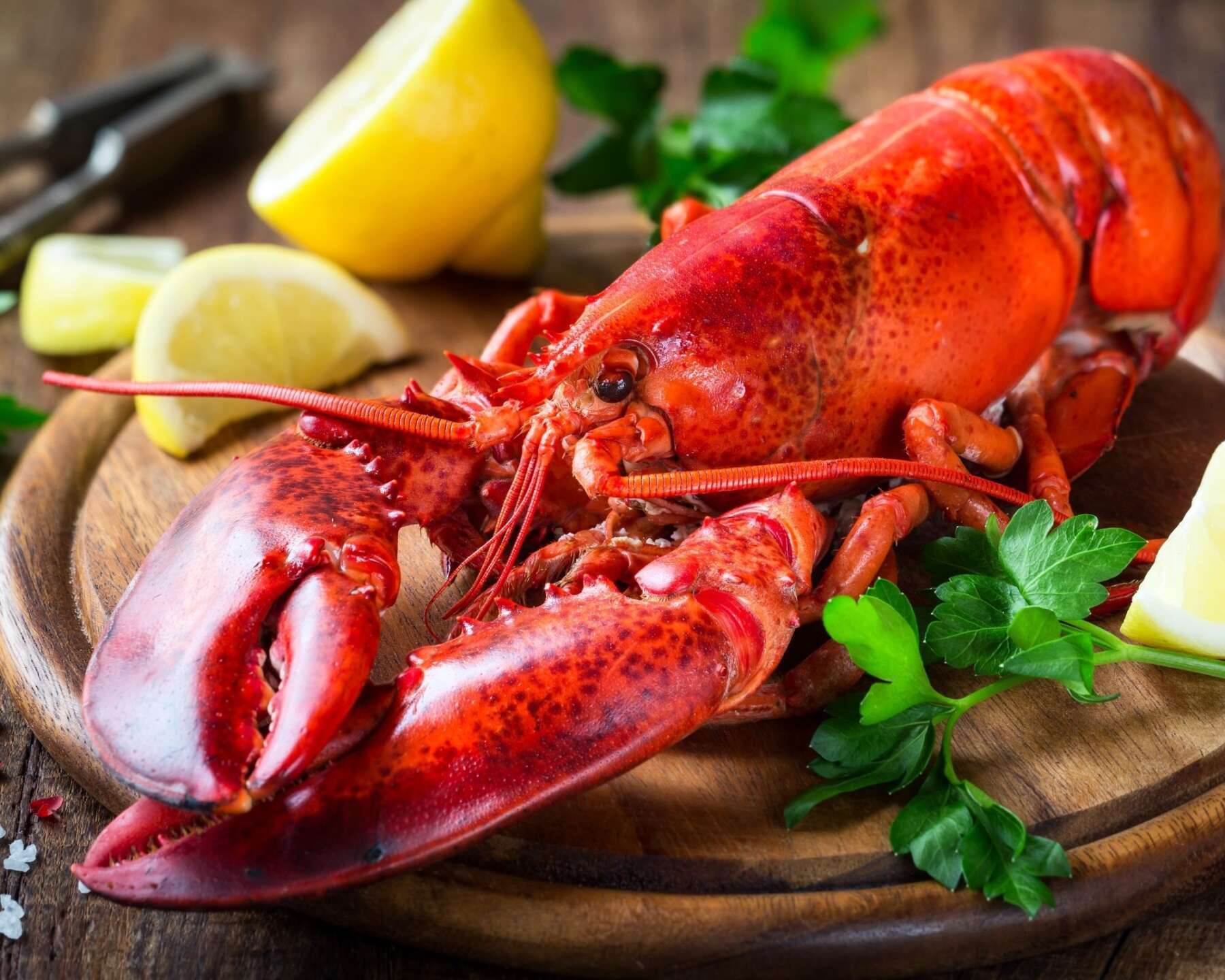
Lobster is both tasty and nutritious. It provides protein, vitamin B12, zinc, selenium, and copper. Copper helps the body make red blood cells. Although lobster tastes rich, it is actually low in fat when prepared simply, making it a healthy seafood choice.
Cod
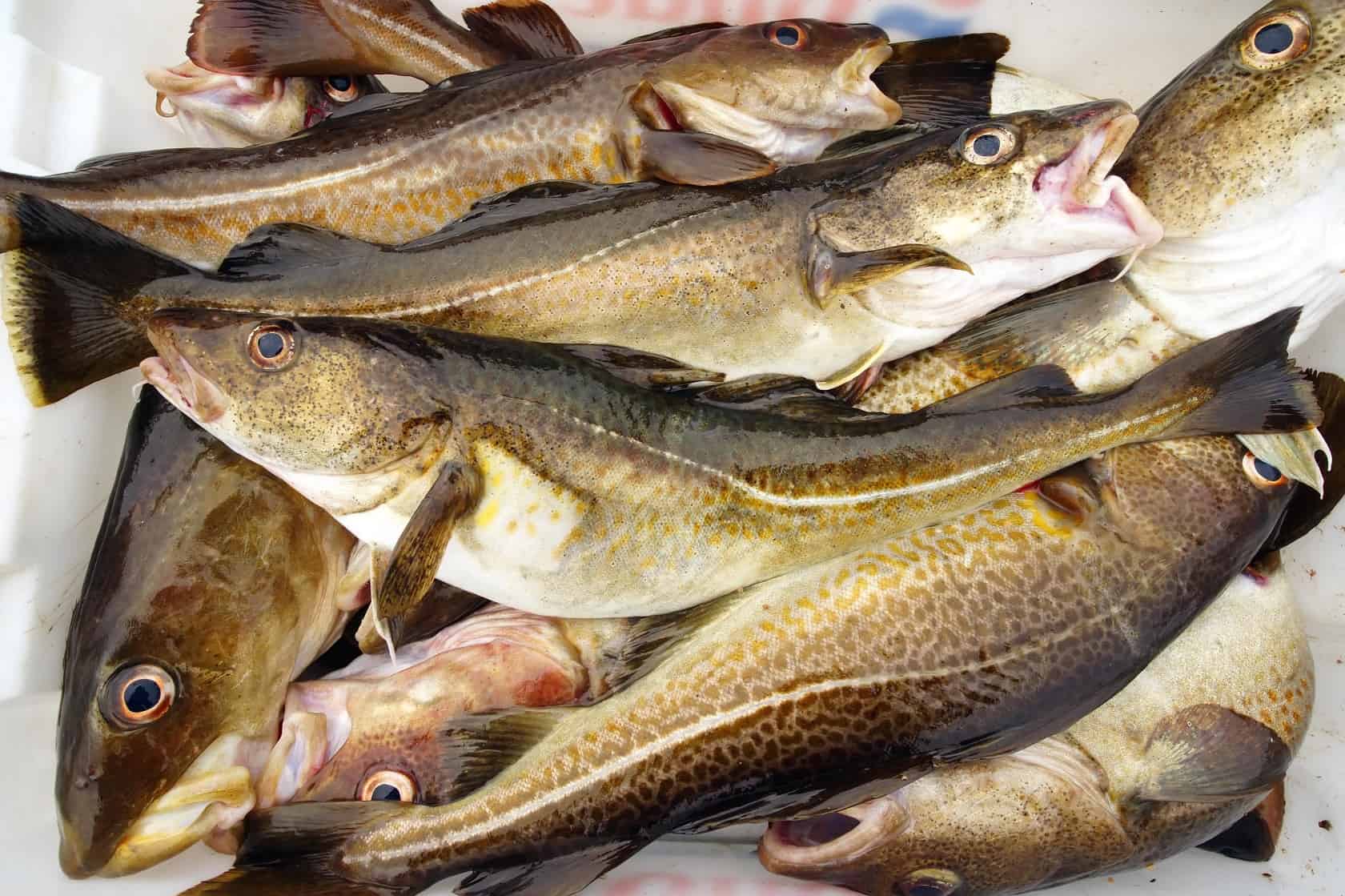
Cod is a mild-flavoured white fish that is very high in protein and low in calories. One fillet can provide over 40 grams of protein. High-protein foods like cod help control hunger, support muscle health, and maintain a healthy weight. Cod is a good option for people who do not like strong fish flavours.
Tuna
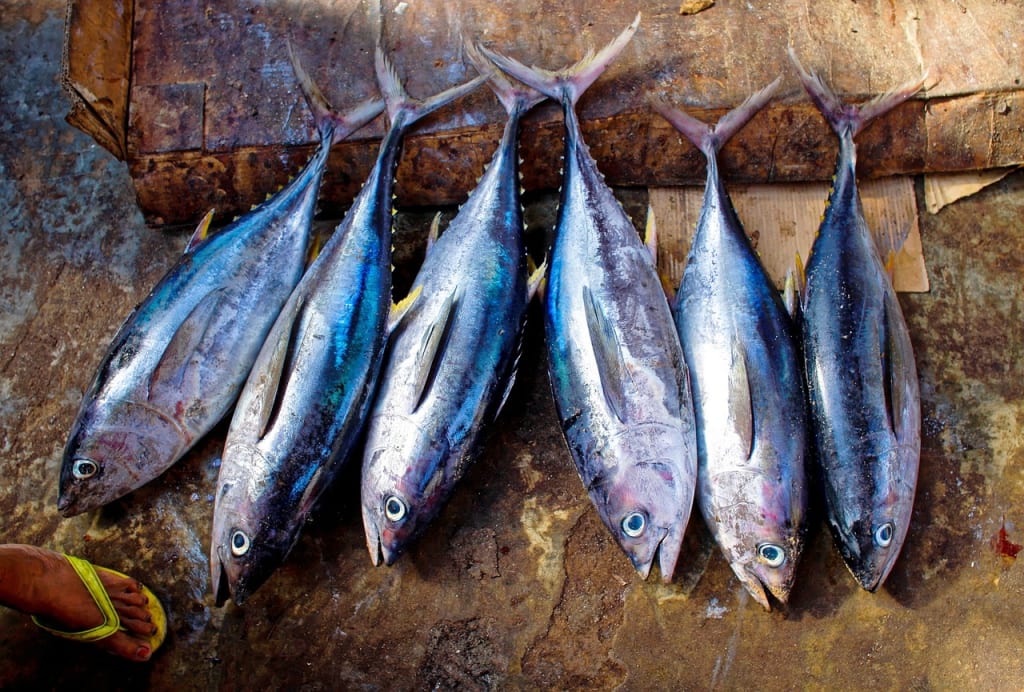
Tuna is affordable and easy to find. Canned tuna is convenient and does not need refrigeration. Tuna provides omega-3 fats, vitamin B12, vitamin D, iron, and selenium. However, some types of tuna contain high levels of mercury. Light canned tuna is lower in mercury and can be eaten a few times per week.
Mussels
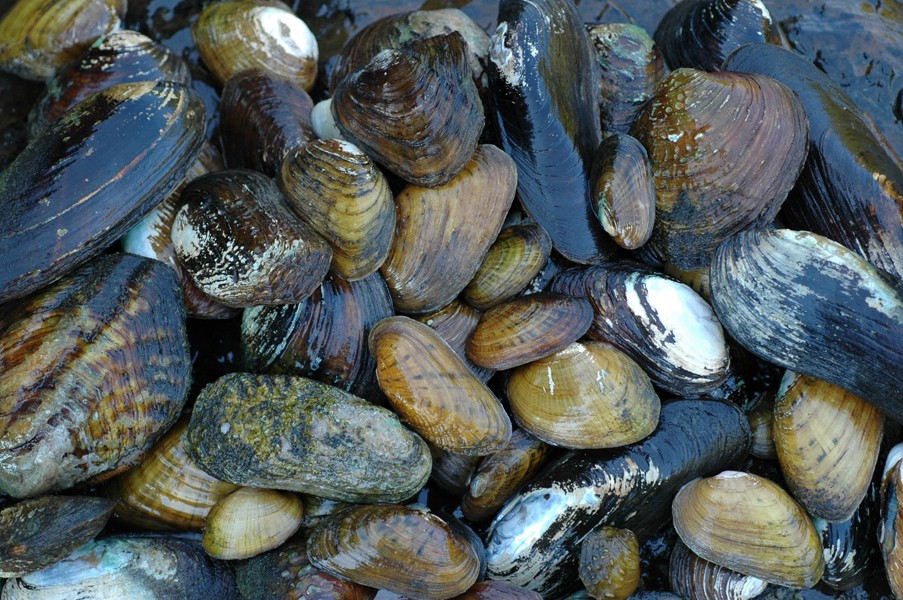
Mussels, especially farmed mussels, are better for the environment than many other animal foods. They produce less pollution than beef. Mussels are rich in protein and contain vitamin B12 and iron. They are both nutritious and environmentally friendly.
Scallops
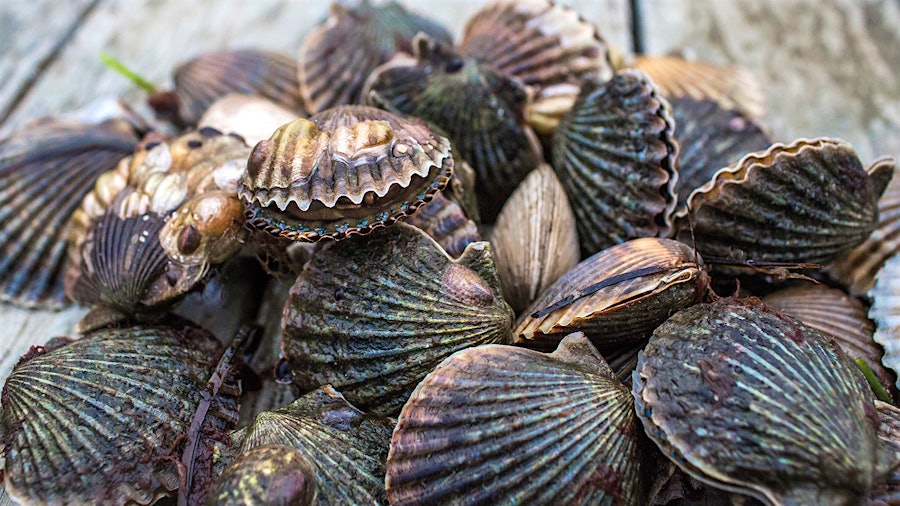
Scallops are a lean source of protein. They contain natural compounds that may help protect blood vessels and lower the risk of heart disease. Scallops are low in mercury and provide vitamin B12, zinc, and selenium.
Halibut
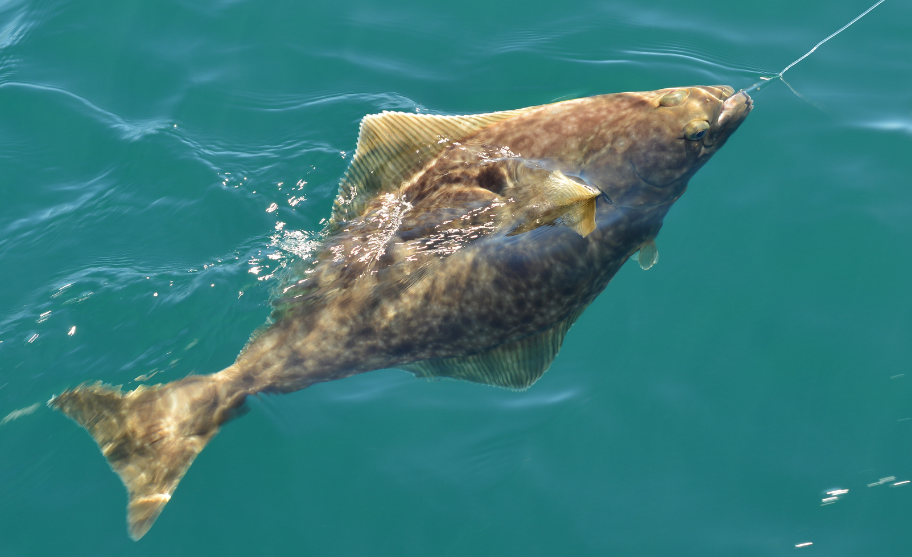
Halibut is a mild white fish that provides protein, vitamin B12, selenium, and vitamin B6. While it is healthy, it contains more mercury than many other fish. Because of this, halibut should be eaten only once per week.
Risks of Eating Seafood
Seafood is healthy, but there are some risks to keep in mind. Fish and shellfish can contain bacteria or harmful substances if not handled or cooked properly. Seafood should always be cooked fully.
Some fish contain mercury, which can build up in the body and cause health problems if eaten too often. Choosing low-mercury fish helps reduce this risk.
Seafood can also contain tiny plastic particles from ocean pollution. Scientists are still studying how these affect human health.
Environmental damage from overfishing is another concern. Choosing seafood that is caught or farmed responsibly helps protect oceans.
Tips for Adding Seafood to Your Diet
Choose seafood that is responsibly sourced to help protect ocean life and support sustainable fishing practices.
Eat fried seafood less often, as frying adds unhealthy fats and reduces the nutritional value of fish. Opt for cooking methods like baking, grilling, steaming, or sautéing instead.
Choose fish that are low in mercury to reduce health risks. Safer options include salmon, sardines, trout, herring, clams, and oysters.
Eat seafood as part of a balanced diet that also includes fruits, vegetables, beans, nuts, and seeds to ensure your body gets a wide range of essential nutrients.
Key Takeaways
Seafood is one of the best foods for heart and brain health. By choosing healthy types of seafood and eating them in safe amounts, you can enjoy strong health benefits while protecting the environment. When included as part of a balanced diet, seafood can support long-term health and well-being.