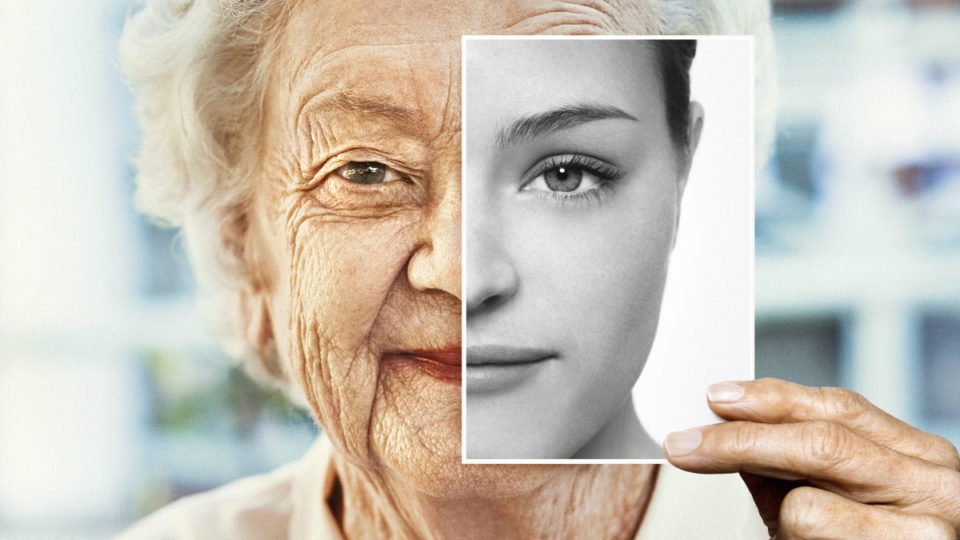
Aging is often blamed on genetics, but research shows that genes account for only a small part of how long and how well we live. The bigger influence comes from everyday lifestyle habits such as how we sleep, eat, manage stress, move our bodies, and care for our minds. Many common behaviors seem harmless on the surface, yet over time, they quietly speed up the aging process.
Here are 13 surprising habits that may be making you age faster and what you can do about them.
Never Taking a Day Off
Constantly working without breaks keeps the body in a continuous state of stress. When you work overtime day after day, your sympathetic nervous system remains activated, which can lead to burnout, anxiety, mood disorders, and a weakened immune system.
Building small moments of rest into your day can help. Even 15 minutes of unstructured time in the afternoon, without screens or tasks, allows the mind to reset. Doing nothing is not unproductive; it helps restore mental and physical balance.
Being Chronically Dehydrated
Many people live in a long-term state of mild dehydration without realizing it. Not drinking enough water affects brain function, detoxification, joint lubrication, and overall energy levels.
Over time, dehydration contributes to fatigue, dull and aging skin, kidney problems, and reduced ability to cope with stress. Drinking a large glass of water when you wake up and sipping water consistently throughout the day can significantly improve how your body functions and ages.
Wearing AirPods and Headphones Too Much
Headphones are helpful for focus and noise reduction, especially in busy environments. However, wearing them for long periods can negatively affect posture, nerve health, and circulation.
Extended use may compress nerves, reduce blood flow to the brain, and affect breathing patterns. These issues can lead to brain fog, neck tension, and long-term spinal problems. Taking regular breaks and staying mindful of posture can reduce these risks.
Skipping Strength Training
Muscle mass is one of the most important indicators of healthy aging. As we age, muscle naturally declines, but inactivity speeds up this process.
Losing muscle slows metabolism, increases fat storage, and lowers insulin sensitivity, raising the risk of conditions like diabetes. Strength training does not have to be complex. Short, consistent bodyweight routines can preserve muscle, improve balance, and support long-term health.
Leading a High-Stress Life
Chronic stress takes a serious toll on the body. It has been linked to heart disease, digestive issues, hormonal imbalance, and weakened immunity.
Simple practices like mindfulness, meditation, and deep breathing can calm the nervous system. Even spending 5 to 10 minutes a day focusing on slow, intentional breathing helps reduce stress and improve overall well-being.
Skimping on Oral Hygiene
Oral health is closely connected to overall health. Brushing your teeth before bed is especially important, as bacteria multiply overnight.
Poor oral hygiene can lead to gum disease, tooth loss, and inflammation that affects the heart and other organs. Maintaining good oral care habits is strongly linked to better long-term health.
Sleeping in Your Makeup
Sleeping with makeup on prevents the skin from repairing itself properly during the night. This habit can clog pores, cause breakouts, and accelerate skin aging.
Removing makeup before bed allows the skin to breathe and regenerate. Gentle methods, such as using natural oils and a warm cloth, can turn skincare into a calming nighttime ritual.
Being Tethered to Your Devices
Constant exposure to screens, notifications, and endless to-do lists keeps the nervous system in a permanent state of alertness. Over time, this wears down mental resilience and increases stress-related aging.
Taking daily breaks from devices allows the brain to rest and reset. True rest is not laziness. It is essential for recovery, focus, and long-term health.
Letting Negativity Consume You
A consistently negative outlook can damage mental health, strain relationships, and reduce life satisfaction. Chronic negativity also increases stress hormones, which accelerate aging at a cellular level.
Practices like journaling positive experiences, expressing gratitude, and reframing negative thoughts can help shift the mindset. Limiting exposure to toxic media and surrounding yourself with positive people also makes a difference.
Failing to Make Plans
Living without goals or a sense of purpose can negatively affect both mental and physical health. Purpose provides structure, motivation, and emotional stability.
Setting short-term and long-term goals, such as learning a new skill, planning travel, improving fitness, or working on creative projects, helps keep life meaningful and engaging.
Not Challenging Your Brain
The brain needs regular stimulation to stay adaptable. When learning stops, cognitive flexibility decreases, increasing the risk of memory problems later in life.
Reading, solving puzzles, learning new languages, or trying unfamiliar hobbies keeps the brain active. Activities that push you slightly outside your comfort zone are especially beneficial.
Lacking a Social Life
Social isolation quietly affects both mental and physical health. Humans are social beings, and long-term loneliness sends stress signals to the body.
This ongoing stress can harm memory, mood, immune function, and overall longevity. Maintaining friendships, spending time with family, or engaging in social activities helps protect both mind and body.
Sitting All Day
Spending most of the day sitting slows metabolism, weakens muscles, and reduces circulation. Over time, this contributes to weight gain, stiffness, and early aging.
Standing regularly, walking after meals, and aiming for 30 to 45 minutes of daily movement helps keep the body strong and youthful. Consistent, natural movement is essential for long-term health.

Other Ways to Boost Longevity
In addition to avoiding these habits, you can support healthy aging by:
-
Getting 7 to 9 hours of sleep each night
-
Eating nutritious foods most of the time
-
Limiting alcohol and avoiding smoking
-
Focusing on preventive care and regular checkups
-
Making time for hobbies you enjoy
-
Prioritizing mental and emotional well-being
Aging is inevitable, but aging well is largely within your control. Small daily changes, practiced consistently, can slow the aging process and greatly improve your quality of life.