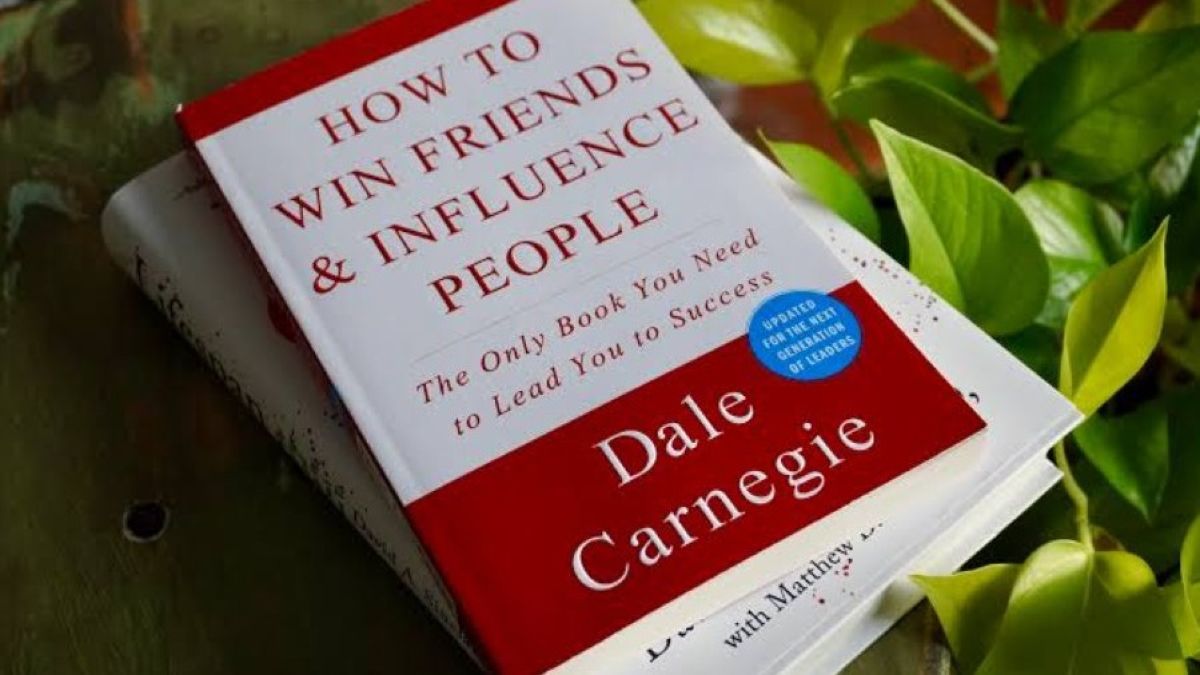
In an era defined by artificial intelligence and digital noise, the most valuable currency an individual can own isn't data; it's the genuine human connection. Dale Carnegie’s “How To Win Friends And Influence People,” is often mistaken for a book on manipulation; its truly about giving a profound message to its valued audiences: “Success is a by-product of how you make others feel.” To accomplish a goal in 2026, you must stop trying to be “interesting” and start being “interested.”
The Transition From Ego To Empathy
If you are in a room full of people, you will find that the most loudest person present is rarely the most influential one. Carnegie's core philosophy challenges our natural instinct to lead with our own ego. It's a human tendency that we spend most of our lives in projecting our achievements and correcting others to feel superior in the eyes of other people. Here, Carnegie suggests a radical reversal: “The path to influence people is paved with humility.”
Once you decide not to criticize, codemn or complain, you aren't just being polite to others but also preserving the dignity of the person infront of you. Influencing someone doesn't have to about winning an argument; it's about creating a bridge where the other person wants to cross over to your side. The most significant message you can draw from here: “People will forget what you said, but they will never forget how you made them feel.”
The Power Of Recognition In A Lonely World
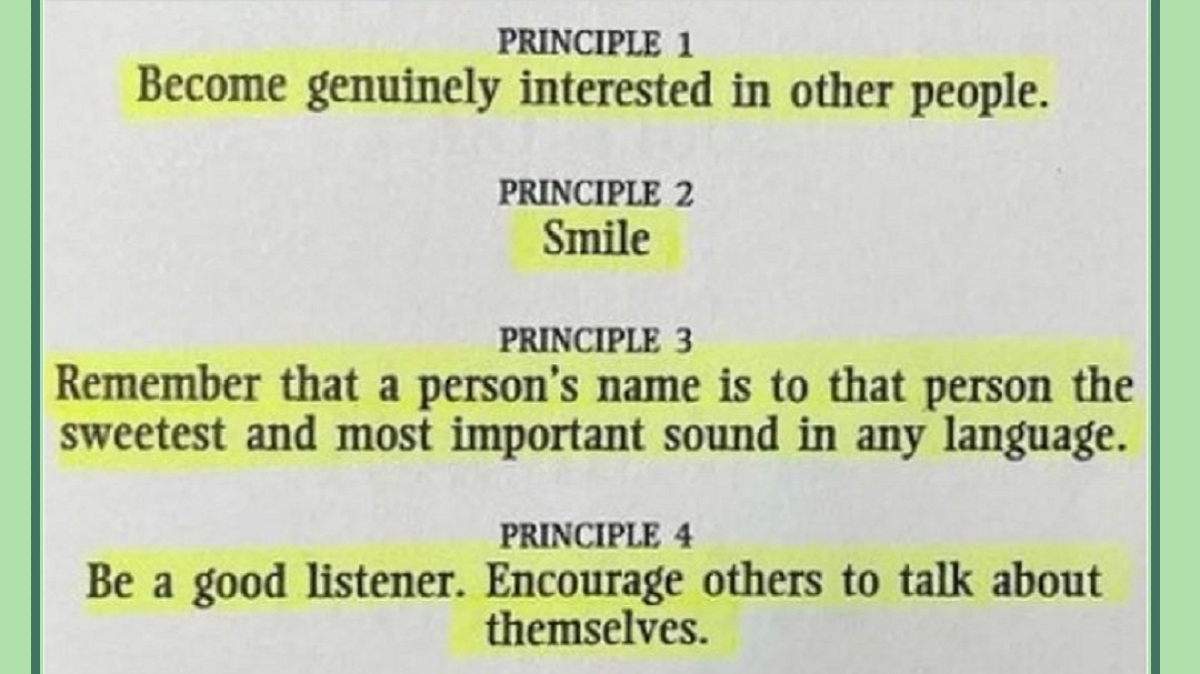
We live in a world starving for appreciation. We are constantly surrounded by “likes” and “follows,” that has made face-to-face validation rarer than ever. Carneige’s principle of giving “honest and sincere appreciation” is a superpower because it addresses the deepest hunger of the human heart: “The desire to be important in the eyes of the people.”
When you remember a name, listen carefully, or, talk in terms of the other person's interest, you are performing an “act of service.” You are signalling to them that amidst the crowd of people “they” matter to you. This isn't a trick to get what you desire; it is a kind of way you can implement in your daily life that transforms every interaction into an opportunity to lift someone up. Leadership, at it's best, is the art of giving people a reputation to live upto.
Mastering The “Yes” Momentum
You must know that conflict is inevitable, but resentment is always optional. One of the most significant lesson Carnegie teaches us is that you cannot argue with a person who's not interested in changing their mind. It's true to an extent that “logic rarely wins over emotion.” So, to influence people, you must try to find a common ground: “Yes, yes” momentum.
Once you admit your mistakes quickly and ask questions instead of giving orders to others, you remove the “threat” from the interaction. This creates an environment of psychological safety where ideas can get a ground to flourish. True influence is the ability to lead people to understand your conclusion of a conflict while making them feel that the idea was actually theirs all along. It's the ultimate form of selfless leadership.
Legacy Of Influence

Ultimately, Dale Carnegie's work is a call to a change in the character of an individual. It asks us to be bigger than our petty grievances and become more generous than our list of insecurities. The art of winning friends and influencing people is everything about building a legacy of kindness, respect and mutual growth between people. In a world that often feels cold and transactional, become the person who listens, smiles and appreciate others. No other way is as influential as this to really win in the eyes of other people.