The 2026 economic landscape is defined by a “flight to hard assets.” As traditional fiat currencies face pressure from rising global debt and shifting alliances, gold and silver have re-emerged as the world’s most trusted forms of “physical AI” assets that hold intrinsic value regardless of digital or political instability.
Gold:The "New Reserve" Anchor
The most profound shift in the 2026 economy is the mass migration of central banks towards "physical gold." With the freezing of sovereign reserves in recent years, nations led by BRICS+ block have aggressively turned away from the dollar-dominated assets.
Central Bank Buying: In 2025, Central banks purchased over 1,000 tonnes of gold, a trend continuing into 2026 as nations like China and India diversify away from the US Dollar.
The $5,000 Milestone: Major institutions like J.P Morgan and Goldman Sachs are forecasting gold to average $5,055/oz by the end of 2026, driven by “monetary easing” and a desire for portfolio stability.
Silver:The “Digital Gold” Of The Green Revolution
With its unmatched electrical conductivity and growing role in advanced technology, silver is no longer just a barrier against inflation; it has transitioned into the physical engine driving the global shift towards a sustainable and electrified nature.
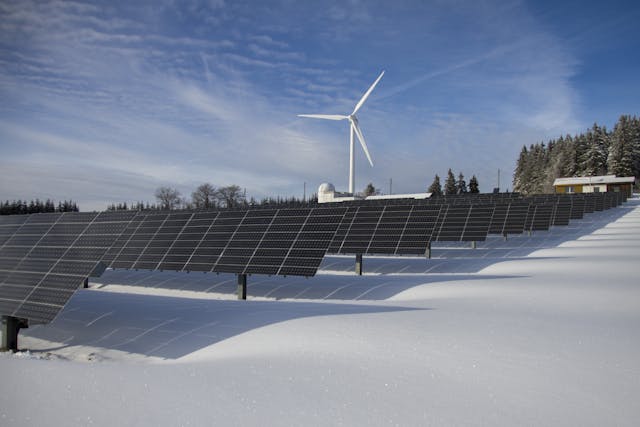
Industrial Vitality: Over 70% of silver demand is now industrial. It is the primary conductor in “Solar Panels” (Photovoltaics) and a key component in the massive expansion of AI Data Centers.
The Silver Deficit: The year 2026 marks the fifth consecutive year where silver demand has outpaced mining supply, creating a “perfect storm” for price appreciation towards the $85-$100 range.
The “Index Rebalancing” Effect
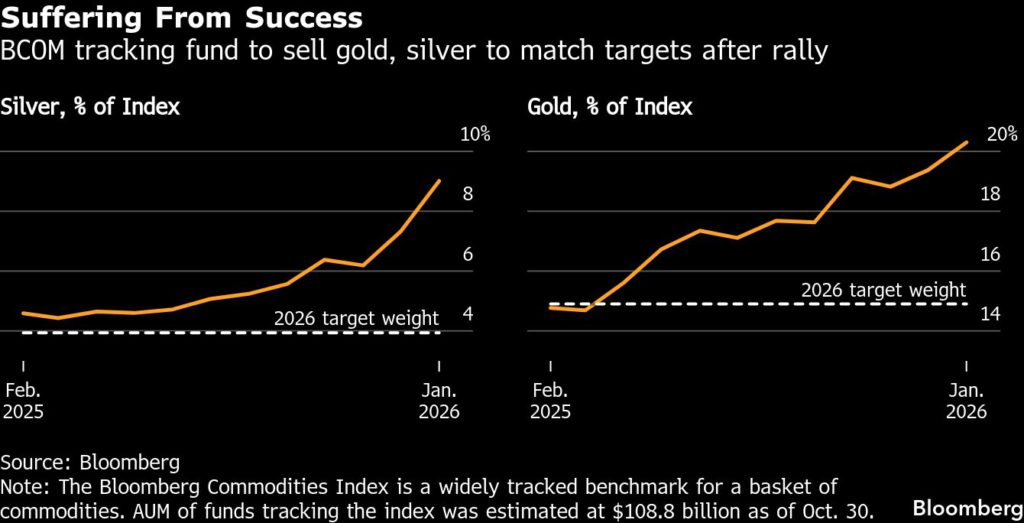
In early January 2026, we are witnessing a unique market phenomenon: “Passive Rebalancing." As gold and silver performed extremely well in the year 2025, major commodity indices(like the Bloomberg Commodity Index) are legally required to sell off portions of their holdings to maintain diversification rules ( the “15% cap”). This creates short- term “technical selling” pressure, which savvy investors are using as a “buy the dip” opportunity.
Geopolitical Fragmentation and “Safe Havens”
With rising tensions in regions like South America (Venezuela) and the Middle East, gold’s role as a “Geopolitical Hedge” is at an all-time high. Investors are using "bullion" to defend the purchasing power of their money against potential sanctions and supply chain disruptions.
To Put It Concisely
The world economy in 2026 is moving towards the path of “tangible” reality. Whether you are an institutional fund manager or a retail investor, the message is very clear: gold and silver can no longer be taken as an “optional” insurance, they are to be treated as the “core” of the 2026 financial playbook.