In 2026, urban gardening has evolved from a hobby to a high-tech, sustainable movement. The beauty of urban gardening lies in its adaptability. If you are really passionate about it, you don't need an acre of land to be a ‘farmer.’ With a correct approach to light, soil and proper space management, you can grow everything from tomatoes to fragrant jasmine right in your home itself!
What Is Urban Gardening
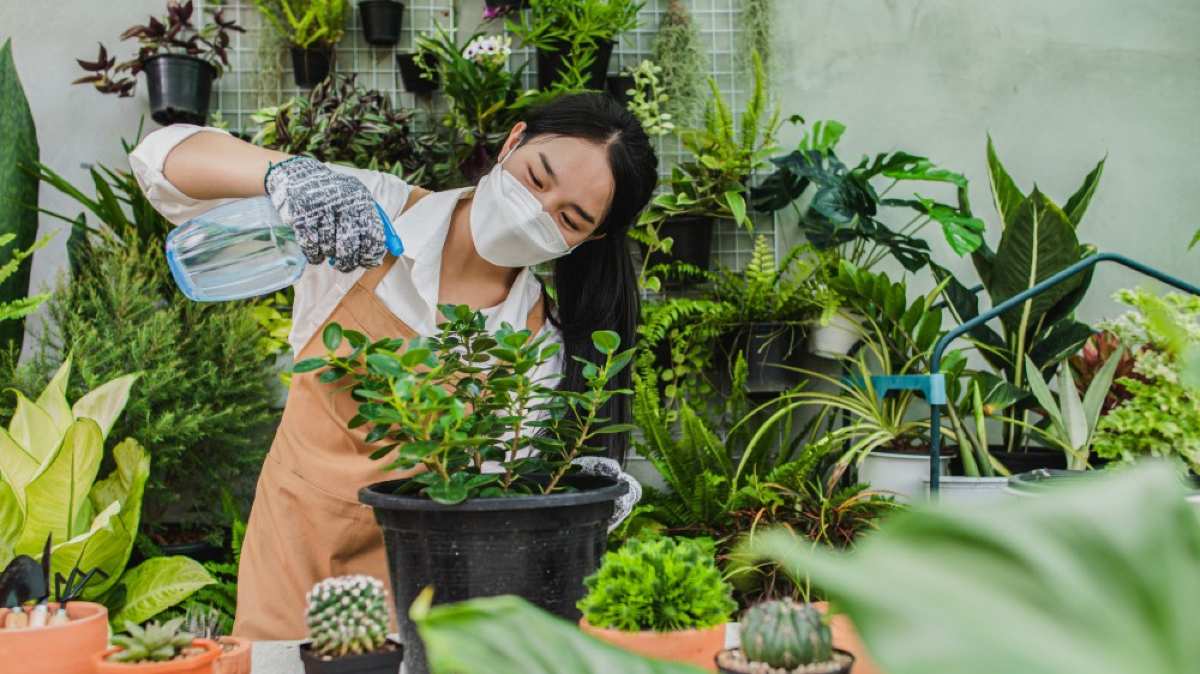
Urban gardening is the practice of growing plants in an urban environment. It is all about maximizing small and unconventional spaces. It encompasses everything from community gardens and rooftop farms to indoor herb gardens and vertical green walls.
By growing plants on balconies, fire escapes or even inside apartments using hydroponics, urban residents can enjoy fresh produce, help improve the local air quality and create a personal sanctuary away from the city's hustle and bustle.
Assessing Your Space
The first step to a successful urban gardening is a realistic assessment of the available space. Most urban gardeners start with a “balcony garden “ which offers the best access to natural sunlight and airflow.
If you don't have any outdoor space, don't worry! Indoor gardening can be an effective alternative to it. South-facing windows are the gold standard for light, but even low-light apartments can thrive with modern LED grow lights.
Smart-Tech For The Modern Gardener
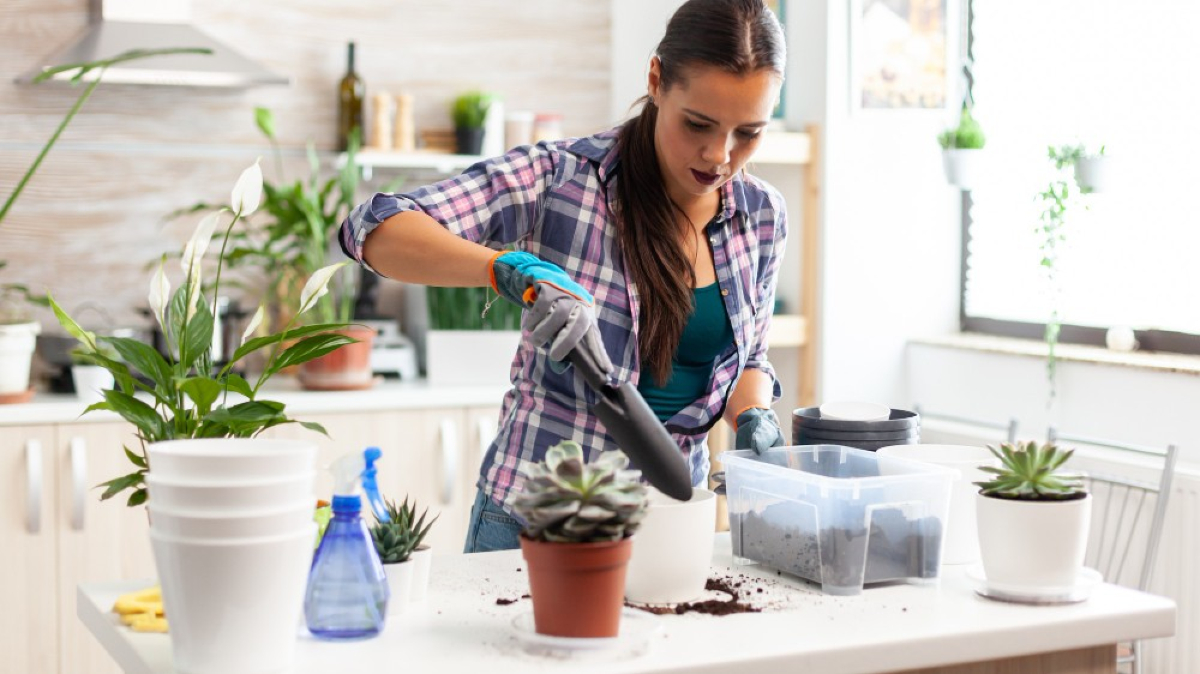
In order to be a successful urban gardener, you don't need shelves full of books; you just need a good knowledge about a few basic things. You should prioritise high-quality mix over garden soil; avoid using regular dirt as it is too heavy for containers and might contain pollutants. Fabric grow bags are an excellent urban alternative to heavy ceramic; they are lightweight, breathable and can be folded away during the harsh cold months of winter.
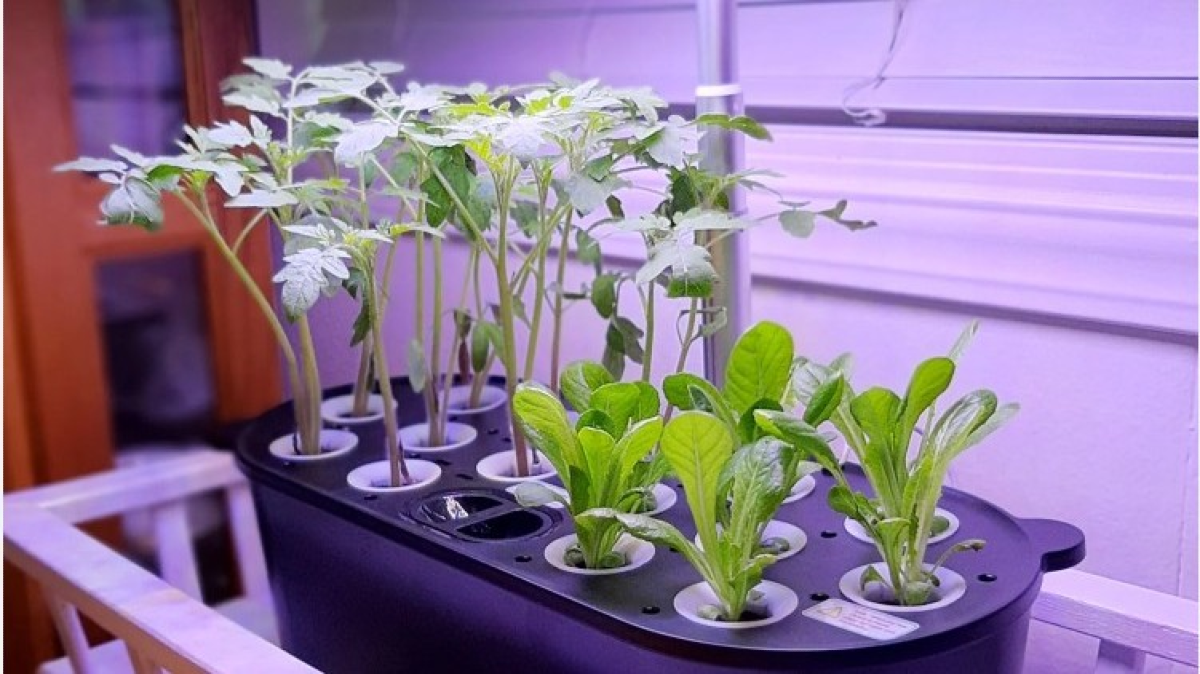
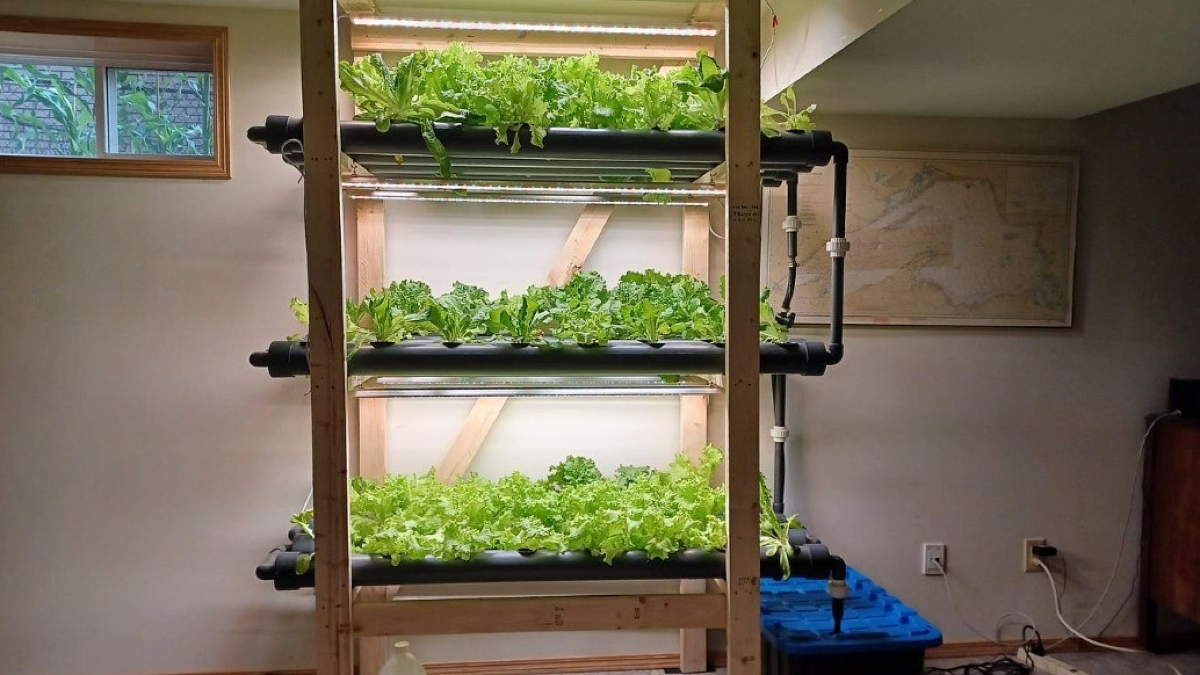
Thanks to modern technology, we no longer have to guess when a plant needs water. Soil moisture sensors and automated irrigation systems have become quite affordable and compact, allowing busy professionals to maintain gardens with zero “plant guilt.” For those people with no provision for natural light, “countertop hydroponic systems” can be an essential kitchen appliance, using nutrient rich water ways to produce a continuous supply of herbs and greens.
Best Plants For Small Spaces
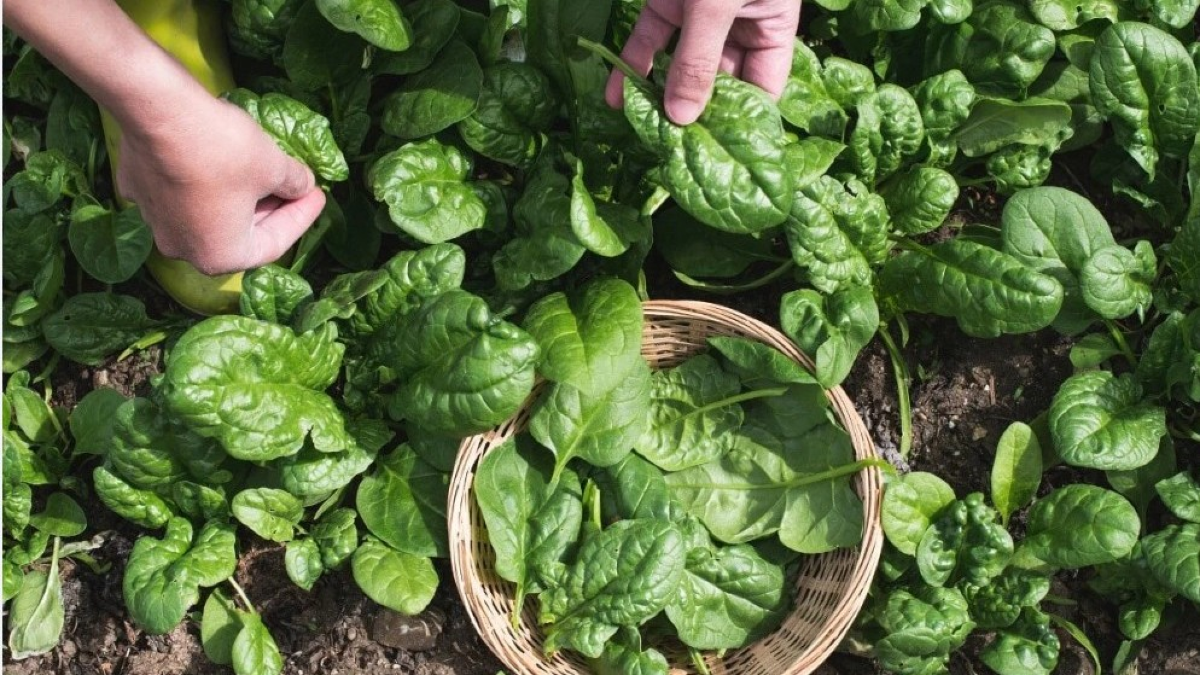
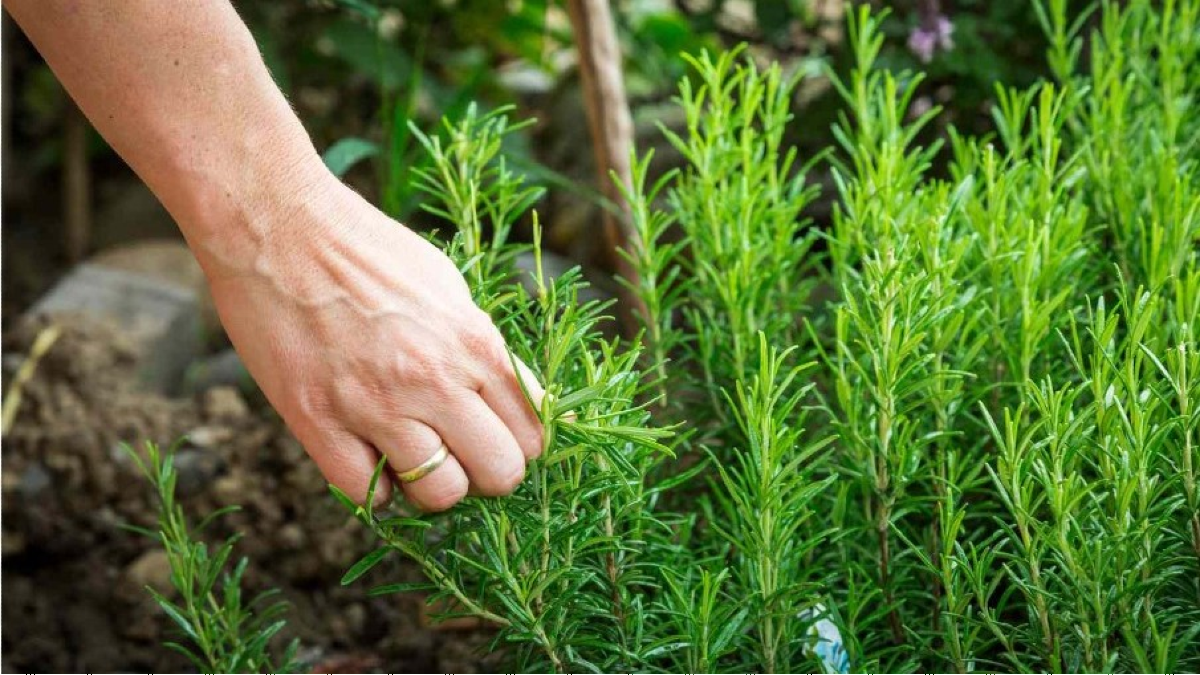
The best plants for urban gardening are “leafy greens” like spinach, kale and arugula, etc. are considered perfect because they grow quickly compared to other leafy greens. Another exceptional quality is that they can be harvested multiple times. You can even try growing herbs like rosemary, mint and chives because they occupy just a little space and also they are quite famous to add flavour to your cooking.
Modern trends of urban gardening are leaning towards “edible aesthetics.” If your space can afford six hours of sun exposure, try looking for ‘dwarf’ or ‘patio’ varieties of tomatoes and peppers, which are specifically bred to stay compact while producing a heavy yield.
Sustainable Trends
Sustainability is now a baseline for the urban gardener. Many people are choosing native species to create “pollinator pathways,” providing vital pit stops for local bees. Another growing trend is “Barkitecture” helpful in designing green spaces specifically for pets. This involves creating gardens with non-toxic, durable plants like wheatgrass, giving indoor pets a safe space.
Overcoming Challenges
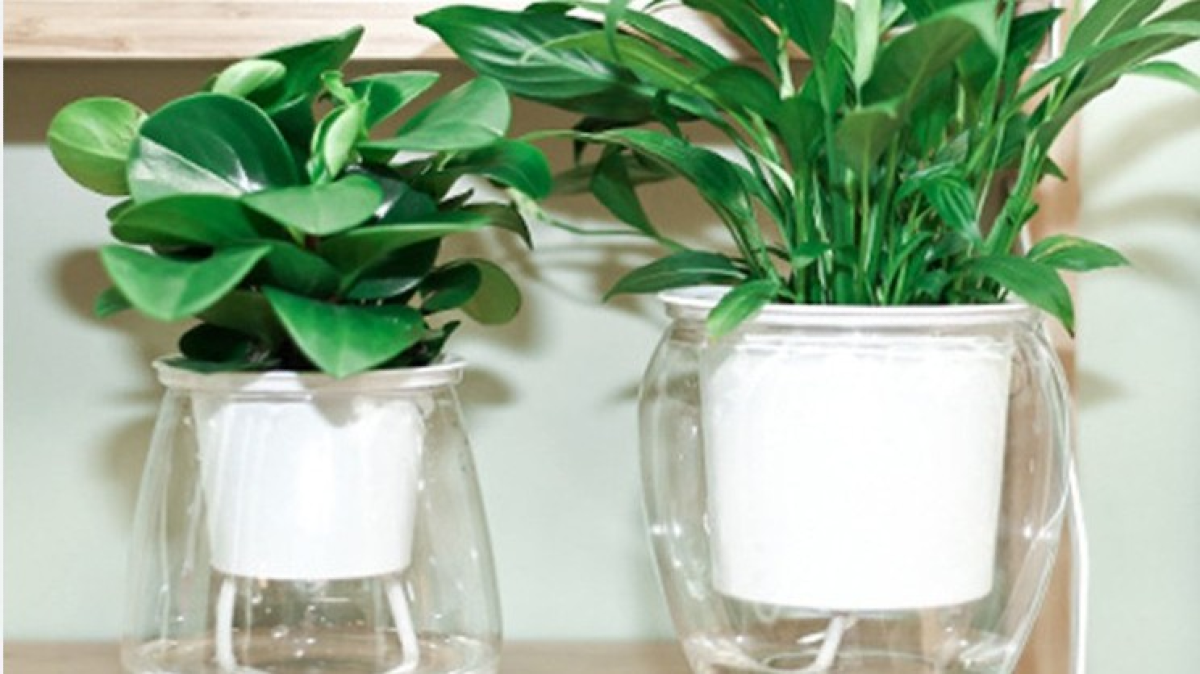
The two biggest hurdles in the city are inconsistent light and tricky watering techniques. Modern gardeners are embracing what is called “lemonading.” It is a philosophy of working with the space you already have. Instead of fighting for sun-loving roses in a shady spot, you can choose “low intervention” plants like ferns or hostas. For watering purposes, you can try “self-watering” pots which are an excellent investment as it uses a reservoir system to keep soil moist even when you stay away from it.