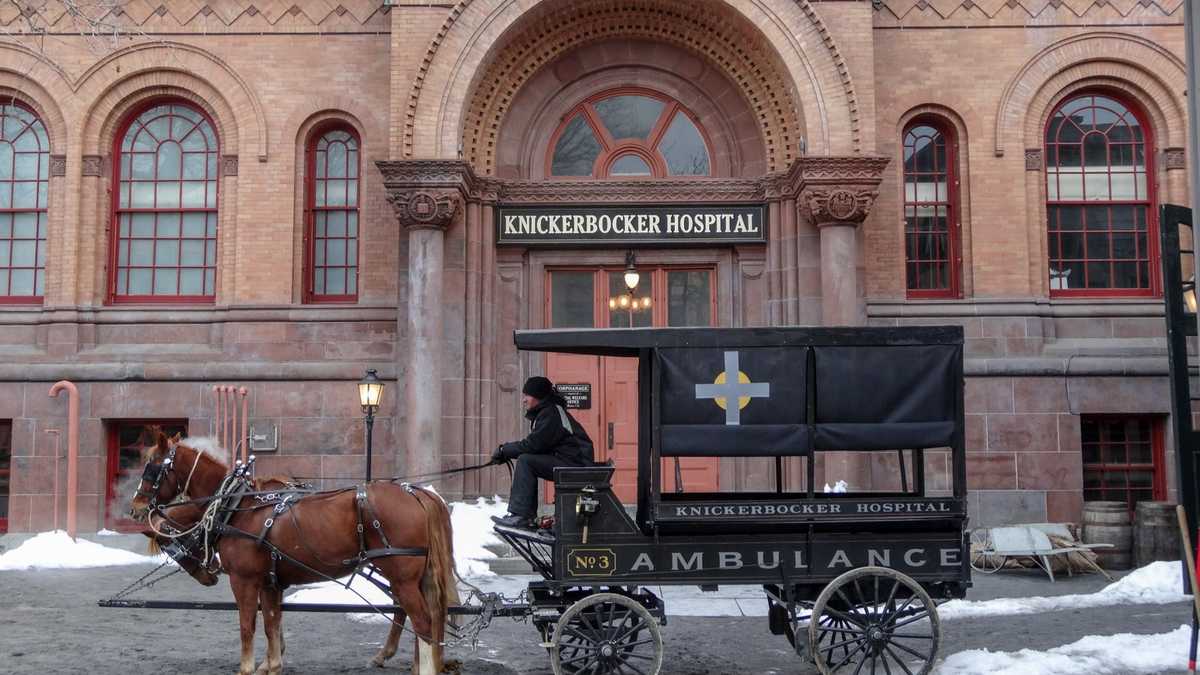
The television series “The Knick” is inspired by real medical history. The story is based on the real Knickerbocker Hospital, which once operated in New York City. The show explains how hospitals functioned around the year 1900, when modern medicine was still developing. It highlights the struggles, risks, and changes faced by doctors and patients during that time.
The Founding of Knickerbocker Hospital
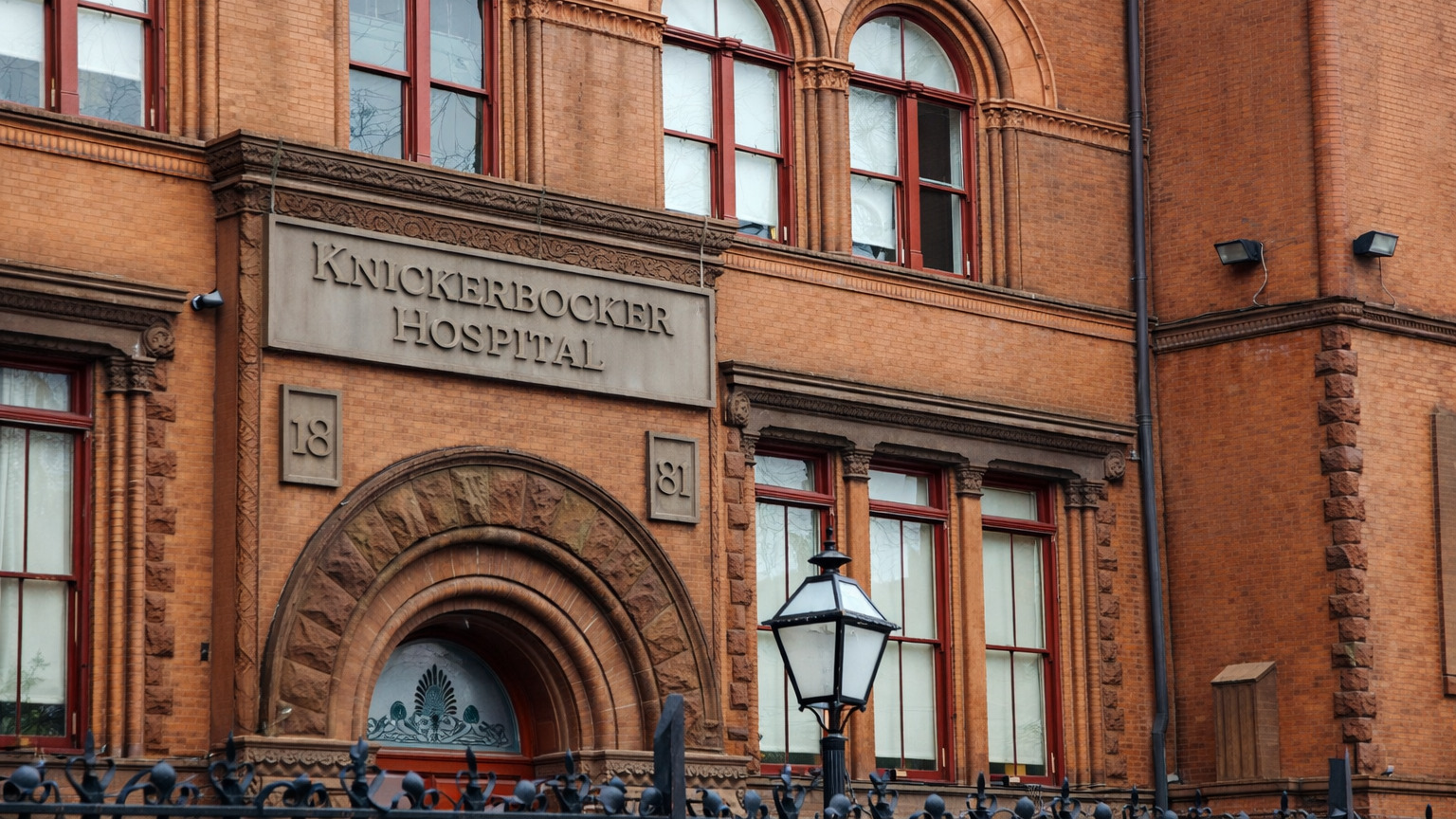
Knickerbocker Hospital was founded in 1882 and was located in Harlem, New York City. At that time, New York was growing rapidly due to immigration and industrial expansion. The hospital was created to treat poor and working-class residents. Many of its patients were immigrants who could not afford private medical care.
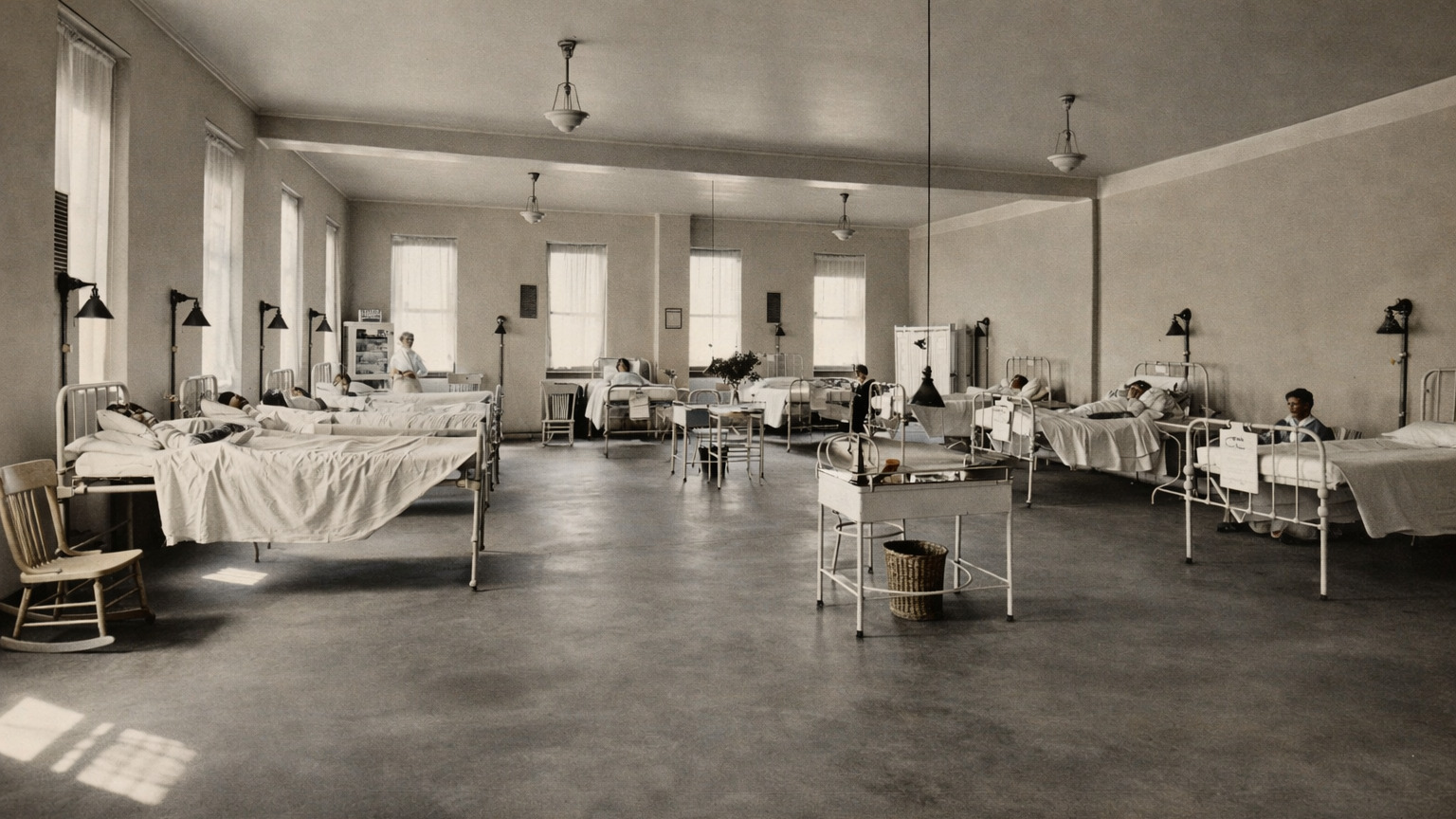
Life Inside the Hospital in the Late 1800s
In the late 19th century, hospitals were often dangerous places. Doctors were only beginning to understand germ theory, and sterilization practices were inconsistent or ignored. Medical instruments were frequently reused without proper cleaning. Antibiotics did not exist, and pain control options were very limited. As a result, many patients died from infections, especially following surgery.
Medical Changes Around 1900
By 1900, medical science had begun to improve. Doctors started using anesthesia more regularly, and handwashing and basic sterilization slowly gained acceptance. New surgical techniques were introduced, though many treatments remained experimental. Physicians often learned through trial and error, and patients continued to face serious risks.
Time Period Shown in “The Knick”
“The Knick” is set during 1900–1901, a period when Knickerbocker Hospital was actively treating patients. The series depicts crowded hospital wards and open operating theaters, where surgeries were performed in front of other doctors and medical students. Death was common, and successful outcomes were never guaranteed.
Doctors and Staff in the Series
The characters in “The Knick” are fictional but are inspired by real doctors and hospital staff of the era. Many physicians worked extremely long hours under intense pressure to develop new treatments. Failure was common, and emotional stress was high. Some doctors struggled with addiction and exhaustion. Nurses and other hospital workers also faced discrimination based on race and gender, reflecting real conditions in hospitals at the time.
Medical Accuracy in the Show
The medical procedures shown in “The Knick” are largely based on real historical practices. The series depicts early and risky blood transfusions, early cesarean surgeries, and other experimental operations that played a role in medical progress. The hospital setting, equipment, clothing, and lighting were carefully designed to match historical records and photographs from the early 1900s.
Later Years and Closure of Knickerbocker Hospital
Knickerbocker Hospital continued to operate through the early and mid-20th century. Although medical care improved over time, the hospital struggled financially as healthcare systems evolved and the building became outdated. The hospital officially closed in 1971. The structure was later demolished, but its historical significance remained.

Legacy of Knickerbocker Hospital and “The Knick”
Knickerbocker Hospital played an important role in the development of modern medicine in New York City. It represents a period when doctors took great risks in their efforts to save lives. “The Knick,” which aired from 2014 to 2015, brought this largely forgotten history to modern audiences and helped illustrate how far medical science has progressed.
Conclusion
“The Knick” is strongly inspired by the real Knickerbocker Hospital. The series presents the harsh realities of early hospitals and the slow, uncertain progress of medical science. It shows how modern healthcare developed from dangerous and experimental beginnings.