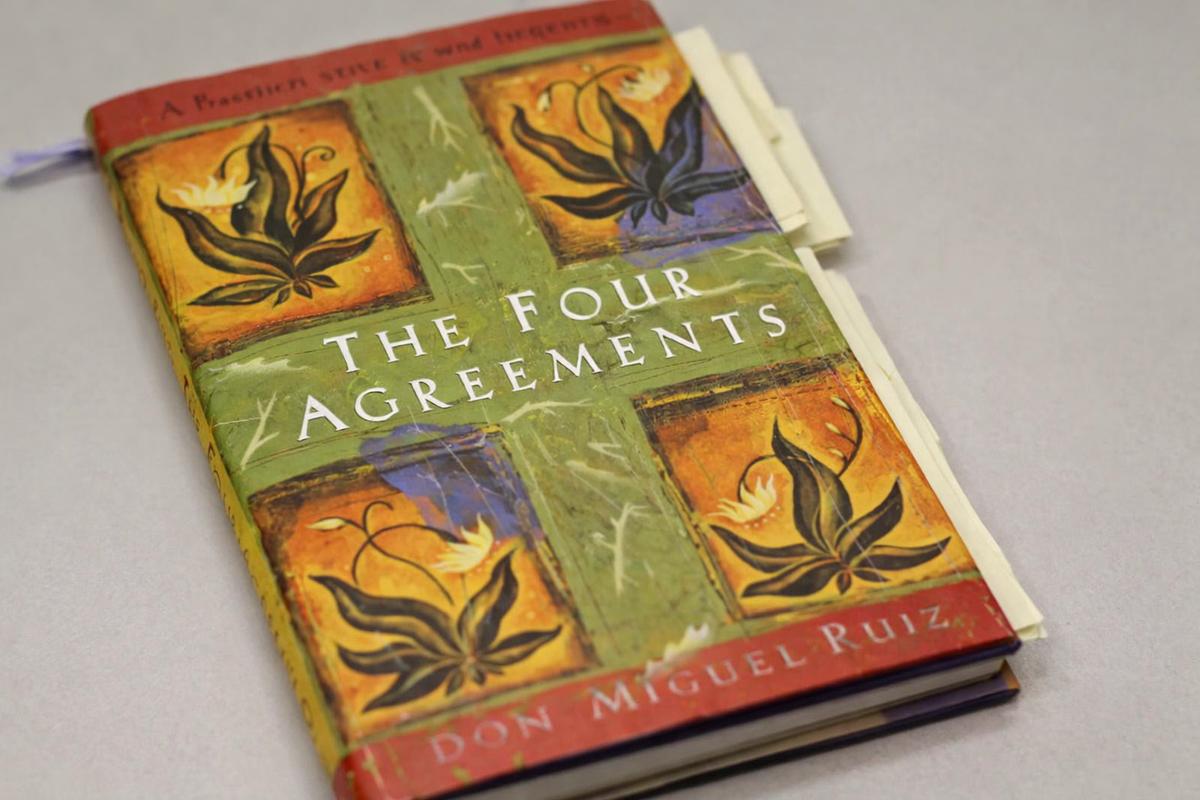
When I first read “The Four Agreements” by Don Miguel Ruiz, I did not expect it to affect me so deeply. The book was first published in 1997, but when I read it, the lessons felt fresh and personal. It is based on ancient Toltec wisdom, yet it speaks clearly to modern life.
At first, I thought it would just give “motivational advice.” But as I continued reading, I realized it was asking me to change my daily habits and my way of thinking.

Learning About the Author
Before finishing the book, I became curious about Don Miguel Ruiz. I learned that he was born on August 27, 1952, in Mexico, and first trained as a medical doctor. After a near-death experience in the 1970s, he chose a spiritual path and began teaching Toltec wisdom.
Knowing his background made the book feel more meaningful to me. It felt like the teachings came from real-life experience, not just theory.
My Experience with the Four Agreements
When I read the “Four Agreements,” they seemed simple. But when I tried to apply them in real life, I understood how powerful they truly are.
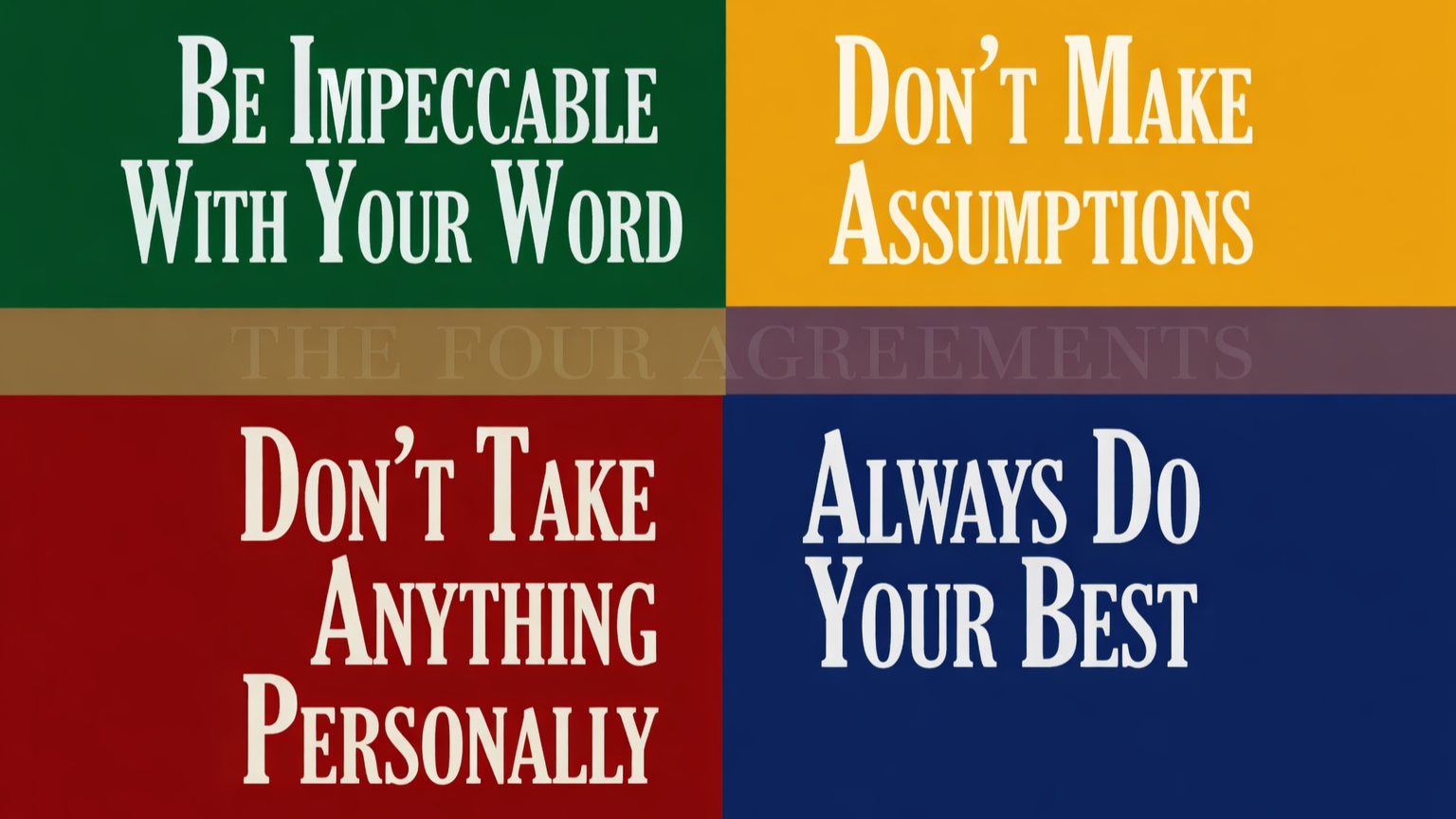
First Agreement: Be Impeccable with Your Word
At first, I thought this agreement only meant “telling the truth.” But I slowly understood that it also means speaking kindly and avoiding harmful words.
I noticed that I often complained or spoke negatively about myself. Sometimes, I said things in anger that I later regretted. After reading this agreement, I became more aware of my speech.
I started choosing my words carefully. I avoided gossip. I stopped criticizing myself harshly. Over time, my relationships improved, and I felt more confident inside.
Second Agreement: Don’t Take Anything Personally
This agreement was difficult for me. I used to take criticism very seriously. If someone disagreed with me or ignored me, I would feel hurt and think about it for a long time.
The book helped me understand that people act based on their own emotions and beliefs. Their words often reflect their own struggles, not my worth.
When I stopped taking things personally, I felt lighter. I had fewer emotional ups and downs. I became calmer in difficult situations.
Third Agreement: Don’t Make Assumptions
I realized that many problems in my life happened because I assumed things without asking questions. If someone did not reply to my message, I assumed they were upset.
After applying this agreement, I began asking clearly instead of guessing. I communicated more openly. This simple change reduced misunderstandings and improved my friendships.
Fourth Agreement: Always Do Your Best
This agreement touched me deeply. I used to compare myself with others and feel that I was “not good enough.” I wanted to be perfect in everything.
The book taught me that my best can change from day to day. Some days, I have more energy. Some days, I have less. What matters is sincere effort.
When I focused on doing my best instead of being perfect, I felt less stress and more satisfaction. I became kinder to myself.
How the Book Changed Me
Reading “The Four Agreements” was not just about learning ideas. It became a daily practice. I still make mistakes, but now I notice them faster and try to improve.
The book helped me reduce stress, communicate better, and build stronger relationships. Most importantly, it helped me feel more peaceful inside.
Conclusion
For me, “The Four Agreements” is more than a self-help book published in 1997. It is a guide for everyday living.
By being careful with my words, not taking things personally, avoiding assumptions, and always doing my best, I slowly changed my mindset and my life.
The lessons are simple, but when I practice them daily, they make a big difference.