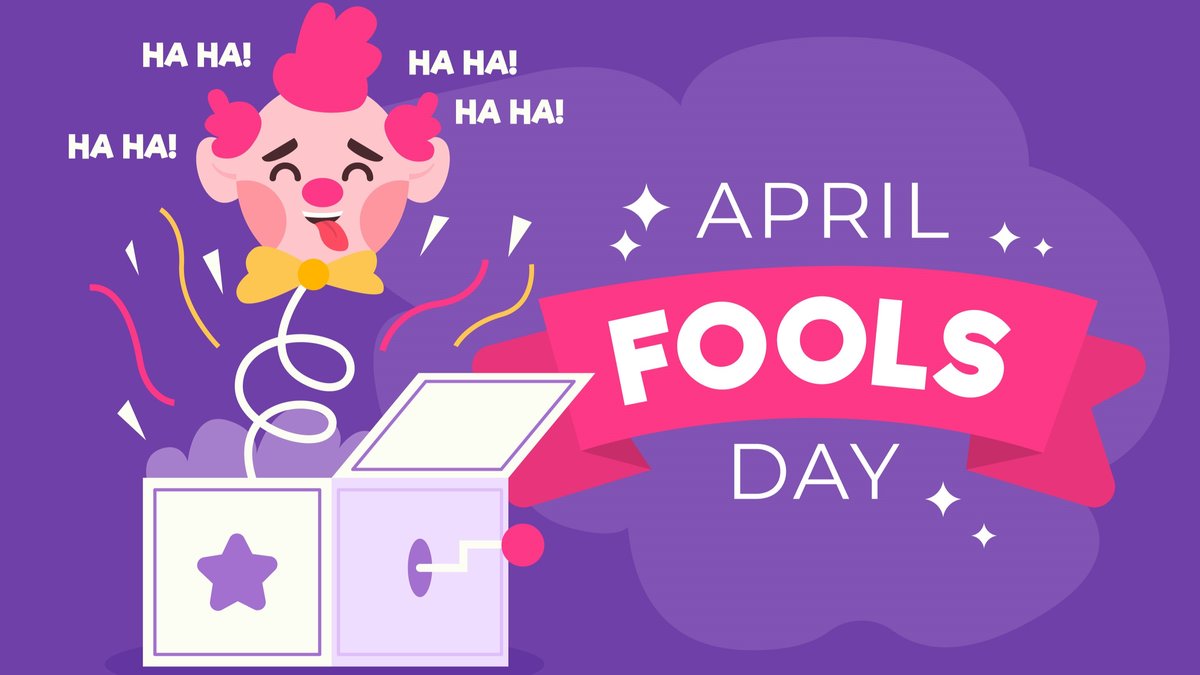
Every year on 1 April, people around the world celebrate April Fools’ Day, a day filled with laughter, tricks, and playful surprises. On this day, friends, families, companies, and even news organizations play harmless pranks on each other. After the prank is revealed, the person who played the trick usually shouts “April Fool!” to let everyone know that it was just a joke. The day is known for its cheerful spirit and humorous atmosphere. However, many people wonder how this unusual tradition began. Historians have studied the origins of April Fools’ Day for many years, but they still cannot point to a single confirmed beginning. Instead, several historical theories explain how this playful celebration may have started.
Also Read: Chuck Norris: 20 Best Memes to Honor a Legend
The Calendar Change Theory (1564–1582)
When the New Year Was Once in Spring
One of the most widely accepted explanations takes us back to 16th-century France. Before modern calendars were introduced, many countries in Europe celebrated the beginning of the new year in spring rather than winter. In several regions, the celebrations took place between 25 March and 1 April, which was close to the spring equinox, a time that symbolized renewal and the start of a new cycle. Because of this tradition, many communities considered early April to be the start of the year.
The First “April Fools”
In 1564, King Charles IX of France issued a law known as the Edict of Roussillon, which officially declared 1 January as the beginning of the new year. Later, in 1582, many European countries adopted the Gregorian calendar, replacing the older Julian calendar and reinforcing the January new year. At that time, news did not spread quickly, and many people either did not hear about the change or continued to celebrate the new year at the end of March or on 1 April. Other people began to mock them for following the old tradition. They played jokes on them, invited them to fake celebrations, or sent them on foolish errands. These people who were tricked were called “April fools.” Over time, this teasing and joking may have developed into the modern tradition of April Fools’ Day.
The Curious “April Fish” Tradition
In France, a special prank became very popular during the celebration. People secretly attached paper fish to someone’s back without the person noticing. When the prank was discovered, everyone would laugh and shout “Poisson d’Avril!”, which means “April Fish.” The fish symbolized a young fish that was easy to catch, representing someone who was easily fooled. This playful custom became an important part of French April Fools’ Day celebrations, and even today, many children in France still enjoy placing paper fish on the backs of their friends or family members on 1 April.
Early Historical Mentions of April Fooling
Historians have also found early references that suggest people were playing tricks on 1 April many centuries ago. One of the earliest known examples comes from 1561, when the Flemish poet Eduard de Dene wrote a poem about a nobleman who sends his servant on several pointless errands on 1 April. The servant keeps following the instructions, only to realize later that he has been fooled. Many historians believe this poem may describe an early April Fools’ prank. Another reference appeared in 1686, when the English writer John Aubrey described the celebration as “Fooles Holy Day.” Later, in 1698, people in London were tricked into visiting the Tower of London to watch a fake event called “the washing of the lions.” Visitors arrived expecting to see something interesting, but the event did not exist. It turned out to be a clever prank, showing that April Fools’ traditions were already becoming popular in Europe by the late 17th century.
Ancient Spring Festivals: A Possible Inspiration
The Roman Festival of Hilaria
Some historians believe that April Fools’ Day may have deeper roots connected to ancient spring festivals. One possible influence is the Roman festival called Hilaria, which was celebrated on 25 March in ancient Rome by followers of the goddess Cybele. During this festival, people dressed in disguises, joked with others, and sometimes playfully mocked public officials or friends. The word “Hilaria” comes from a Latin term meaning cheerful or joyful, which closely reflects the spirit of laughter and humor seen in April Fools’ Day today.
Festivals That Celebrate Playfulness
Spring festivals around the world often include playful activities and humorous behavior. For example, the Hindu festival Holi, celebrated in March, involves joyful gatherings where people throw colored powder and water at each other, creating a lively and playful environment. Another example is Sizdah Bedar, celebrated in Iran 13 days after the Persian New Year (Nowruz), when people spend time outdoors, enjoy nature, and sometimes play lighthearted pranks. Because many spring celebrations focus on joy, renewal, and laughter, some historians believe that April Fools’ Day may have developed from these older seasonal traditions.
Also Read: Meet Katharine Burr Blodgett: The Scientist Who Helped Cameras See More Clearly
How April Fools’ Day Spread Across Europe
Scotland
By the 17th and 18th centuries, the custom of playing pranks on 1 April had spread across many parts of Europe. In Scotland, the celebration once lasted two days. The first day was called “Hunt the Gowk.” The word “gowk” means a cuckoo bird and was also used to describe a fool. During this tradition, people sent others on pointless errands or delivered messages that led to nothing, making the person appear foolish. The second day involved placing signs or objects on people’s backs, similar to the modern “kick me” prank.
France
In France, the tradition of placing paper fish on someone’s back remained a popular April Fools’ activity. Children especially enjoy this prank, and the phrase “Poisson d’Avril!” is still shouted when someone discovers the joke. Over time, similar traditions appeared in other countries as the celebration continued to spread.
April Fools’ Day in the Modern World
Today, April Fools’ Day is celebrated in many countries around the world. People play small tricks on friends, classmates, coworkers, or family members. Some pranks involve telling funny fake stories, switching objects to confuse someone, or sending a person on a harmless but silly errand. In modern times, newspapers, television stations, and large companies sometimes join the celebration by publishing fake news stories or humorous announcements on 1 April. These stories are designed to entertain the public and are usually revealed later as jokes. With the rise of the internet and social media, April Fools’ pranks have become even more creative and widely shared.
Why April Fools’ Day Still Matters
Although April Fools’ Day began many centuries ago, its main purpose remains the same today: to bring laughter and enjoyment to people’s lives. The tradition encourages creativity, humor, and playful interaction among friends and communities. It also reminds people that laughter can bring people together and brighten everyday life.
Comments (0)
Log in to share your thoughts
No comments yet
Be the first to share your thoughts!