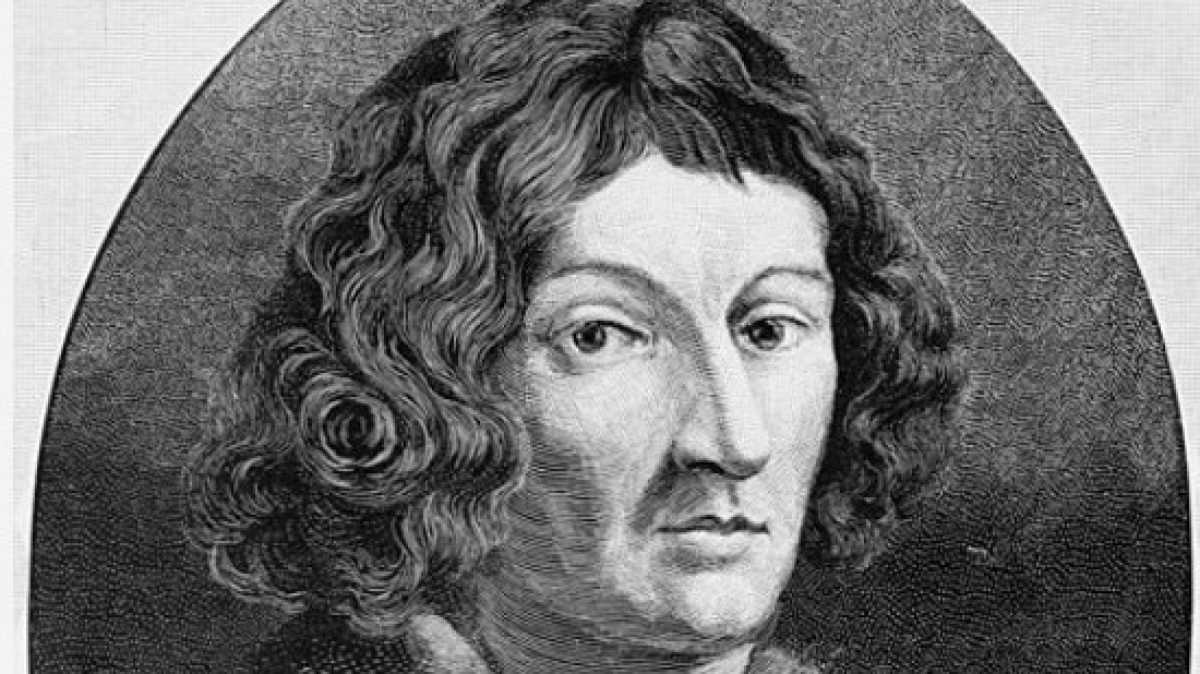
Every year on February 19, the global scientific community pauses to celebrate “Copernicus Day.” This date marks the birthday of Nicolaus Copernicus, the Renaissance polymath whose courage to “stop the sun and move the earth” fundamentally changed our understanding of the earth.
Who Was Nicolaus Copernicus
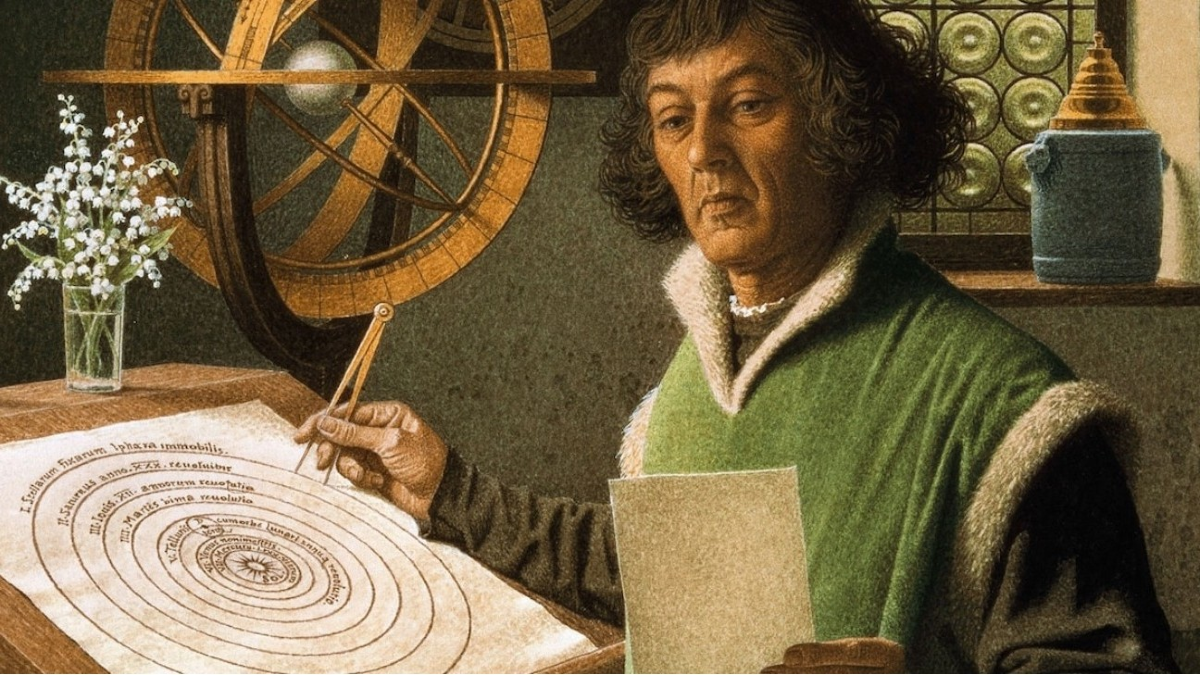
Nicolaus Copernicus was born in 1473 in Torun, Poland. He did more than just observing the stars; he triggered a scientific revolution. Best known as an astronomer, he was also a mathematician, a physician and a diplomat. His diverse career paths allowed him to approach celestial mechanics with a fresh and analytical perspective that challenged over a thousand years of established dogma.
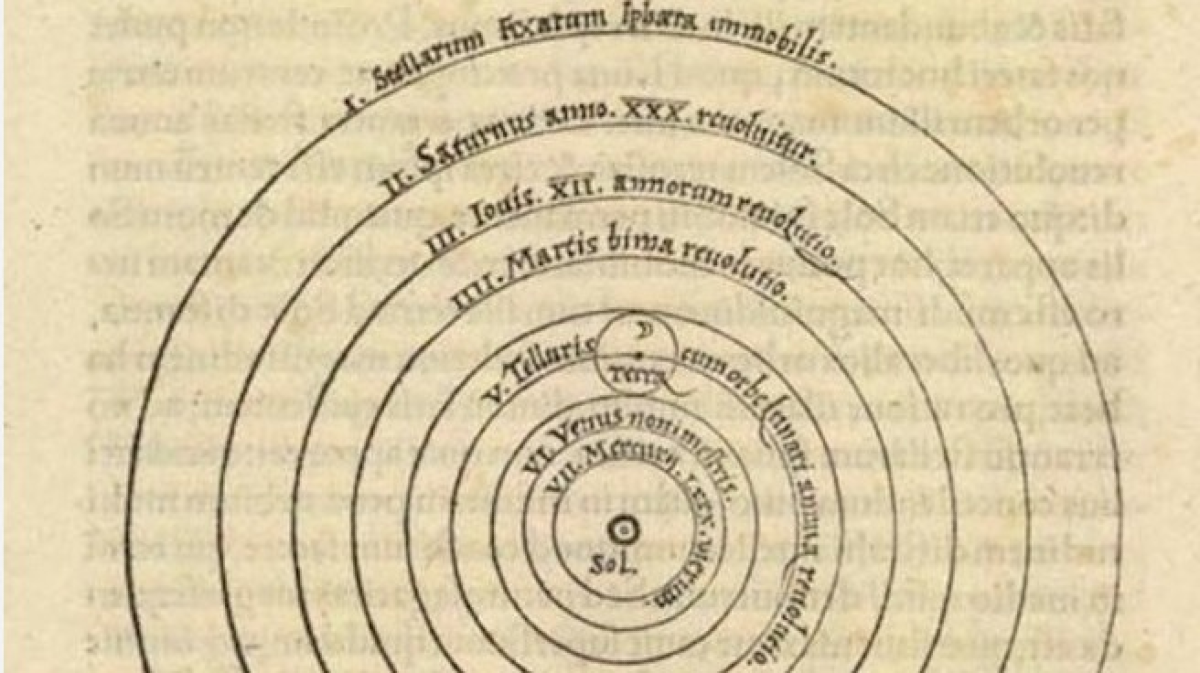
His most influential work, De revolutionibus orbium coelestium, “On the Revolutions of the Heavenly Spheres", was published just before his death in 1543. In it, he proposed the “heliocentric model,” which places the Sun at the center of the solar system. This was a radical departure from the Ptolemaic geocentric model that had been the “gold standard” of science and religion for centuries together.
The Lasting Impact Of The Copernican Revolution
With his theory proving that the Earth was not the center of the universe, Copernicus paved the way for future geniuses like Galileo Galieli, Johannes Kepler and Issac Newton.
His work introduced the idea that the laws of nature are universal and can be understood through mathematics and observation. Even the “European Union’s Flagship Earth Observation Program” is named “Copernicus” in his honor, continuing his mission of looking at our world from a broader and a more enlightened perspective.
Ways To Celebrate Copernicus Day 2026
This day is all about curiosity, skepticism of “settled” ideas and the pursuit of truth. Whether you are a student, a teacher or a space enthusiast, here are few ways to celebrate this great day:
Visit a Planetarium: Many science centers hold special screenings or lectures on February 19 to discuss the history of astronomy.
Stargazing: Take a moment at night to identify the planets. The capacity to recognize that we are moving around the Sun just like Mars or Jupiter is the essence of the Copernican spirit.
Exploring The Satellite Imagery: Check out the “Copernicus Browser” online to see the real-time data of our planet captured by the sentinel satellites.
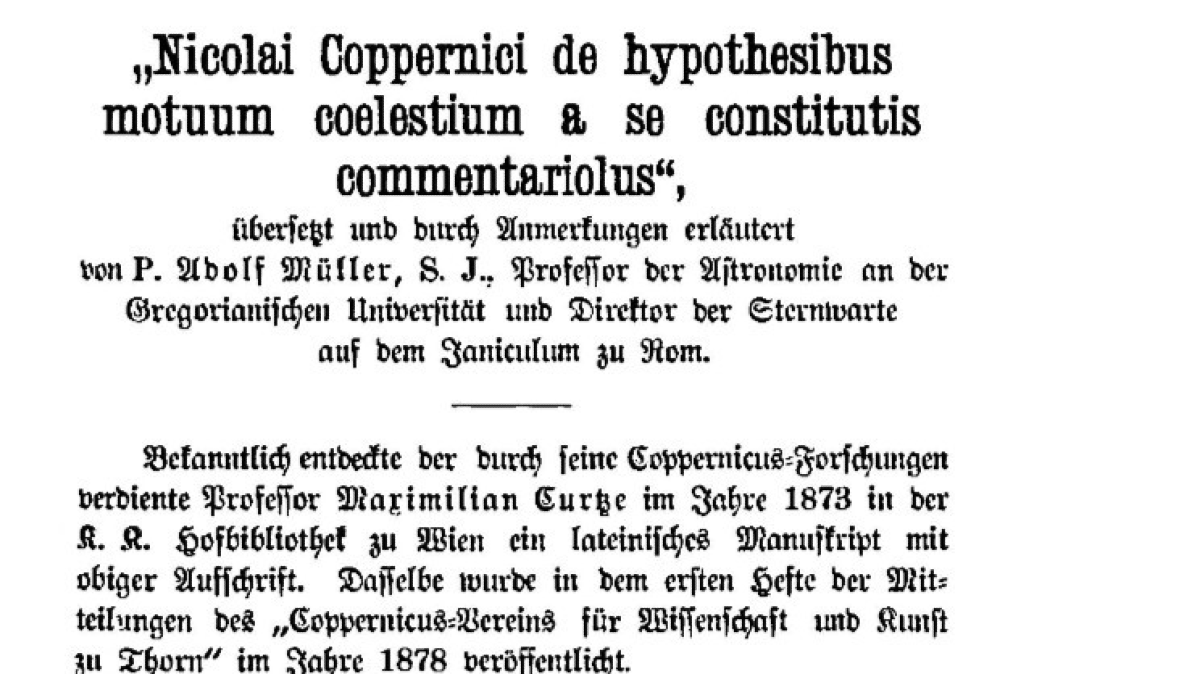
Read The Translation Of “Little Commentary”: You can also spend the day by reading the translation of “Commentariolus,” the short manuscript where Copernicus first outlined his seven main axioms of the universe.
The great soul- Nicolaus Copernicus, reminds us that the truth is often hidden in plain sight, waiting for someone who is brave enough to look at the data with “both the eyes open.”