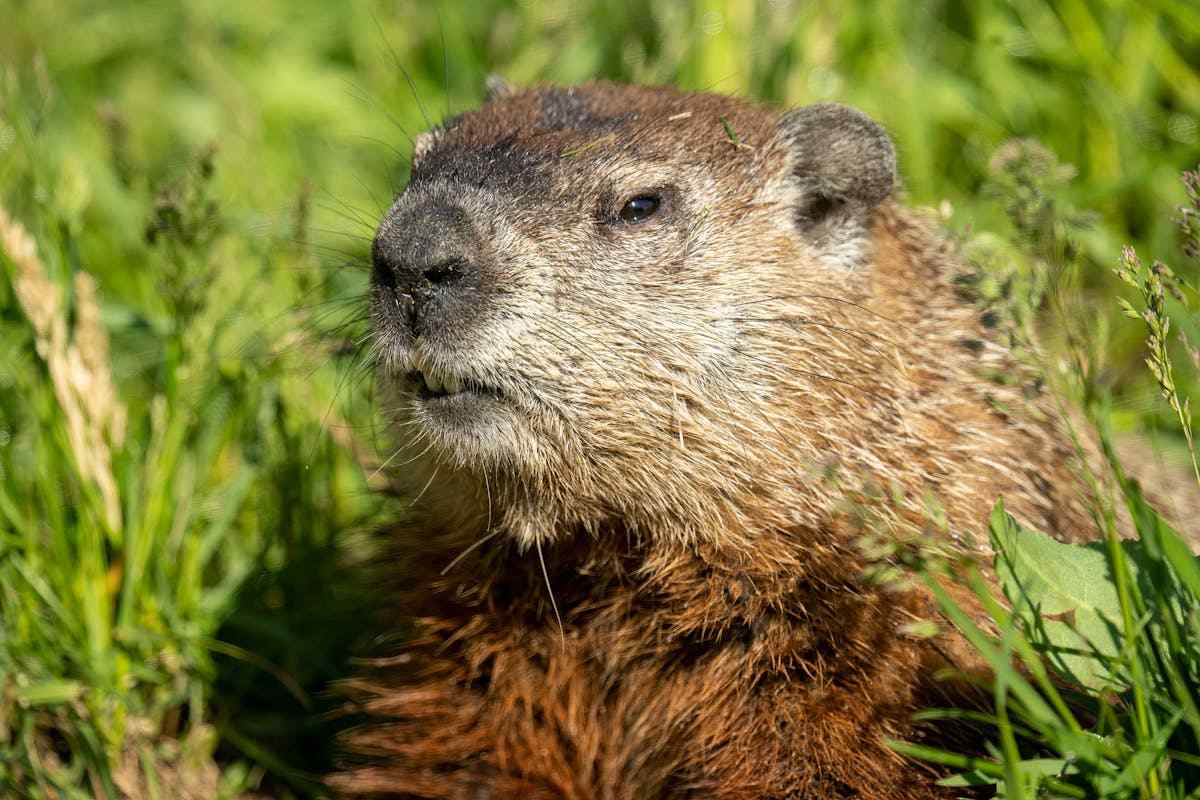
Do you believe in superstitions? Do you really think a 3.5 kg rodent family animal can predict the rest of the winter? February 2nd is celebrated across the United States and Canada as Groundhog Day. On this day, it is believed that a Groundhog, also known as Woodchuck, comes out of its burrow early in the morning to predict the longevity of the winter.
In this tradition, if the groundhog sees its shadow there will be six more weeks of winter. If it doesn’t see its shadow, people expect an early spring. However, all these things appear dogmatic and superstitious in times when even the official weather forecast is unreliable.
Let's talk about the most famous groundhog is Punxsutawney Phil, who comes out at a place called Gobbler’s Knob, Pennsylvania. Just like every year, people are waiting for Phil’s prediction after the sunrise. Visitors might gather to watch him, and many more would love to watch him on TV or stream online. This event has roots tied to older European weather traditions.
Although it is a funny tradition, scientists don't believe in it. They believe groundhogs do not truly predict the weather. We are living in a data-driven world. Modern weather forecasts use data, computers, and patterns to predict the weather, not shadows. However, millions of Americans, Canadians and Europeans enjoy Groundhog Day because it is a hopeful and funny event in the extreme cold time of the year.
Groundhog Day in 2026: Predictions and Weather
Phil's prediction is symbolic. If he sees his shadow on a clear and sunny morning, that usually means six more weeks of chilly weather. If the sky is cloudy or snowy, and he doesn’t see a shadow, people hope for an early spring. Interestingly, other groundhogs in the United States will also make predictions. For instance, Georgian groundhogs come out at their own events and forecast winter or spring for their regions.
Also read || The 10 Best Cities in the World to Visit in 2026
It is crucial to know that science doesn't believe in groundhogs forecasting real weather (obviously). Predictions come from satellites, radar and computer models that study winds, pressure, temperature and storms. However, Groundhog Day is a fun way to think about changes in weather patterns and seasons.
Fun Facts and Global Traditions

The Groundhog tradition began long before groundhogs were a trendy thing. It originated from an older European festival called Candlemas. On Candlemas, Germans used to watch badgers to guess weather changes. When they arrived in America, they chose a local groundhog since badgers were unavailable.
Even though these predictions are for entertainment, they connect people to nature and to old traditional and cultural stories that have been passed through generations. This is how young students, families and communities gather to celebrate and learn about seasons, weathers and folklores.
The most funny thing about these traditions is that people start comparing different animal forecasters to see who is most accurate. While some groundhogs can be accurate, nothing can replace modern weather science. As long as you're having some cultural fun, Groundhog Day can be a delightful event that allows people to talk about something during these extreme cold winters.