If you are an American, you know how rising product prices are hurting your wallet. According to the US Bureau of Labor Statistics, the food CPI index rose about 3% year-over-year as of December 2025 and remains elevated relative to pre-pandemic levels. Will it ever stabilize? We don't know. Despite having a slight relief in broader inflation after 2022, food inflation remains stubbornly evident in daily life, mainly due to higher transportation costs, climate-induced supply disruptions, labour shortages, and global commodity volatility.
In the past six years, inflation peaked at 9.1% in June 2022 and bottomed at 0.1% monthly changes around mid-2020. While the current inflation rate is 2.7%, we can clearly see that it is much better under control, despite being above the 2% federal limit. Unlike discretionary expenses, you cannot postpone eating, and the cost can destabilize you emotionally. If we compare, the prices of staples such as meat, dairy, eggs and fresh produce are higher than pre-pandemic levels, with food-at-home up about 25% since 2020. Households not only have to think about how they spend, but also how they eat.
Also read || Why subscription fatigue is real and how to get rid of it?
Smarter Grocery Shopping Is the New Normal
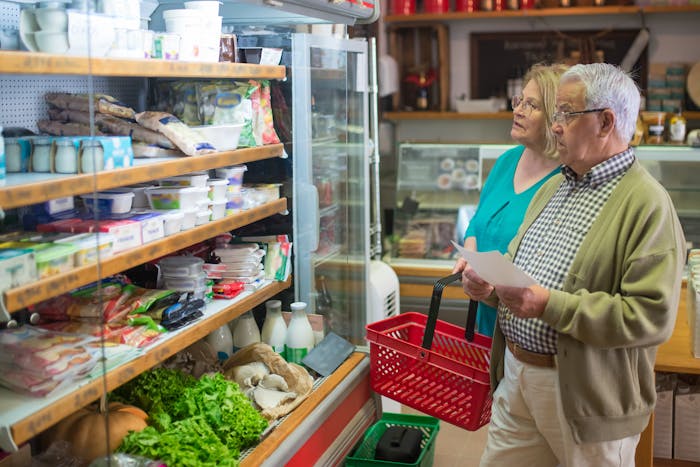
Food inflation has transformed from a macroeconomic issue to a lifestyle one. It has changed how Americans shop for groceries. People are price-sensitive, and buyers closely compare unit prices, picking store brands over national labels, and buying products that fit their planned budgets. Grocery chains that offer better discounts and private-label products are usually more successful in capturing the market share, as consumers prefer value over brand loyalty.
To get the best value for your carts, you have to pick frozen foods, shelf-stable items, and buy them in bulk to feed your family. In this way, you can plan weekly meals, save money and reduce impulse buying. Shoppers nowadays are concerned about wasting money on excess food. This is a behavioural shift that has created new opportunities for retailers, food brands, and content platforms to become more inflation-aware and smart.
Also read || 15 Basic Table Manners Everyone Should Follow
Are Home Cooking Habits Actually Good?

Some people are deluded enough to believe they can save money by eating out. However, restaurant prices rise faster than grocery prices, with food away from home up 4.1% year-over-year versus 2.4% for food at home as of December 2025, leaving home cooking as the most viable option. The only thing they need to do is strategize what they want to cook. If they are cooking simpler recipes such as rice, pasta, beans, and seasonal vegetables, those are easier to make and cost much less than expected. You can replace expensive natural proteins (beef, steak, whey powder, etc.) with eggs, legumes, soy chunks, and dairy products like cottage cheese and yogurt.
Leftover food is not waste, but can be a planning tool. Soups, stir-fries and casseroles dominate weeknight cooking to maximize value and flexibility. The social media and content industry has amplified the trend of budget-focused cooking and gained massive engagement. It implies that users not only want good taste but also respect recipes that save time and money without ruining the taste.
Also read || 5 Ways To Identify Fake Matcha
What would happen if the food costs keep rising?
Food inflation is not only an economic concern but also emotionally and culturally impactful. More than just wallets, it influences emotions, traditions and social habits. Families report increased tension around meal planning, hosting, and special occasions, where food costs can go out of control in no time. If food prices keep going up, portions will be reduced, menus will get simpler, and social gatherings will be cut back. Thus, it impacts the culture around food and hospitality.
Simultaneously, cooking is how we cope with economic uncertainty. When you prepare a meal from scratch, you get predictability, cost savings, and emotional comfort in an uncertain economy. When the burden is not evenly shared, it becomes a challenge for low and middle-income households. These disparities show why food inflation transcends beyond the economy and social norms, and is not merely a pricing problem.
A permanent shift in the American Kitchen
It is a new phase for American households, where intentional cooking and conscious consumption decide their recipes. Prices may go up and down, but if you adopt smarter shopping habits, strategic meal planning, reduce waste, and cook at home, you can not only save money but also live without anxiety. The new age values efficiency and adaptability over taste.
This shift presents clear opportunities for companies, creators and publishers. Audience values those who provide them trustworthy content, affordable recipes, and help them stretch food budgets without sacrificing quality. To stay relevant in the food market, it's those who understand how inflation reshapes everyday life.