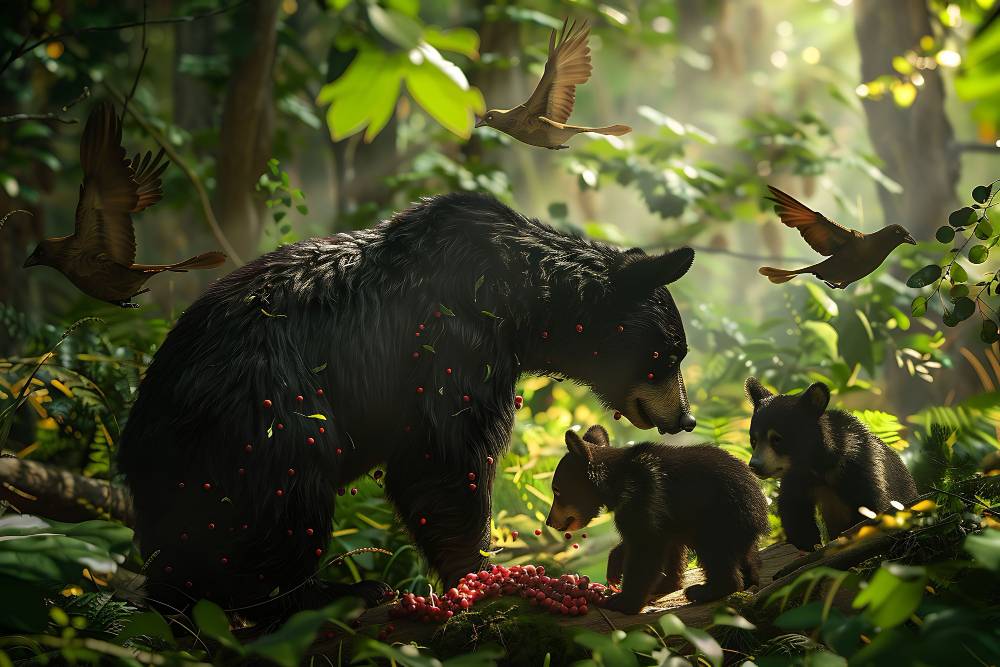
Animals have senses that are far more powerful than those of humans. One of the most interesting abilities many animals have is their capacity to detect fear. The idea that animals can smell fear is not a myth or an exaggeration. It is based on real biological changes that happen inside the body when fear appears. Animals do not understand fear as an emotion as humans do, but they can sense the physical signals that fear creates and react to them.
How Fear Changes the Human Body
Fear begins as a reaction in the brain, but it quickly affects the entire body. When a person becomes afraid, the brain activates the fight-or-flight response. This response prepares the body to deal with danger. The heart beats faster, breathing becomes quicker, and stress hormones such as adrenaline and cortisol are released. These hormones affect sweat glands and change the chemical makeup of sweat and skin oils. This stress-related sweat has a stronger and different smell than normal sweat. Humans rarely notice this change, but animals can detect it easily.

Why Animals Can Smell Fear
Animals rely on their senses to survive. Smell is especially important for animals that must detect predators, find food, or protect themselves. Over millions of years, animals evolved to recognize small changes in scent that signal danger or stress. For animals, fear is not an emotion but information. The smell of fear tells them that something unusual or risky may be happening nearby.

Dogs and Their Strong Sense of Smell
Dogs are one of the best-known animals that can smell fear. Their sense of smell is far stronger than that of humans. Dogs can detect tiny chemical changes in sweat and breath caused by fear. When a dog smells fear, it may become more alert, protective, nervous, or attentive. This is why dogs often react to their owners’ anxiety even before a word is spoken.

Horses and Sensitivity to Stress
Horses are prey animals, which means they must always be aware of danger. They can smell stress hormones released by humans and also sense changes in body tension. When a rider is afraid, the horse may become restless or uneasy. The horse interprets these fear signals as a sign that something may be wrong in the environment.
Cats and Subtle Fear Detection
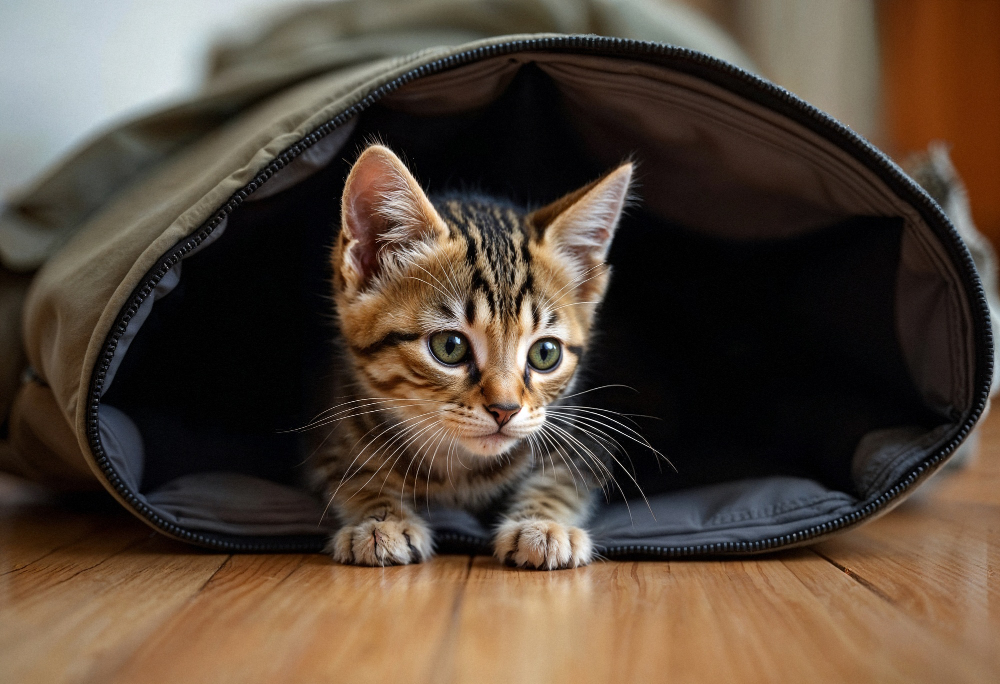
Cats may seem independent and calm, but they are very observant. They can detect changes in scent and behavior caused by fear. Some cats respond by staying close to comfort their owners, while others prefer to move away. Their reaction depends on their personality, but they do notice when fear is present.

Sharks and Chemical Signals in Water
Sharks do not smell fear in the same way land animals do, but they are extremely sensitive to chemicals released in water. When animals are stressed or injured, they release substances that sharks can detect. Sudden movements combined with these chemical signals may attract a shark’s attention.
Snakes and Chemical Awareness
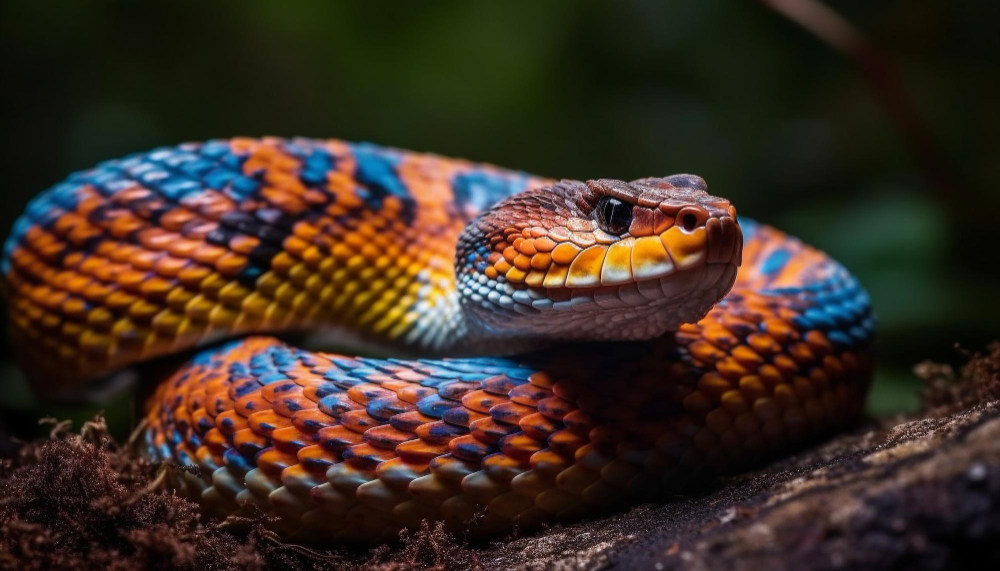
Snakes use their tongues to collect scent particles from the air. These particles are analyzed using a special sensory organ. Fear-related smells and sudden movements make snakes more alert. In most cases, snakes prefer to avoid danger and use these signals to decide whether to retreat or stay defensive.
Elephants and Emotional Awareness
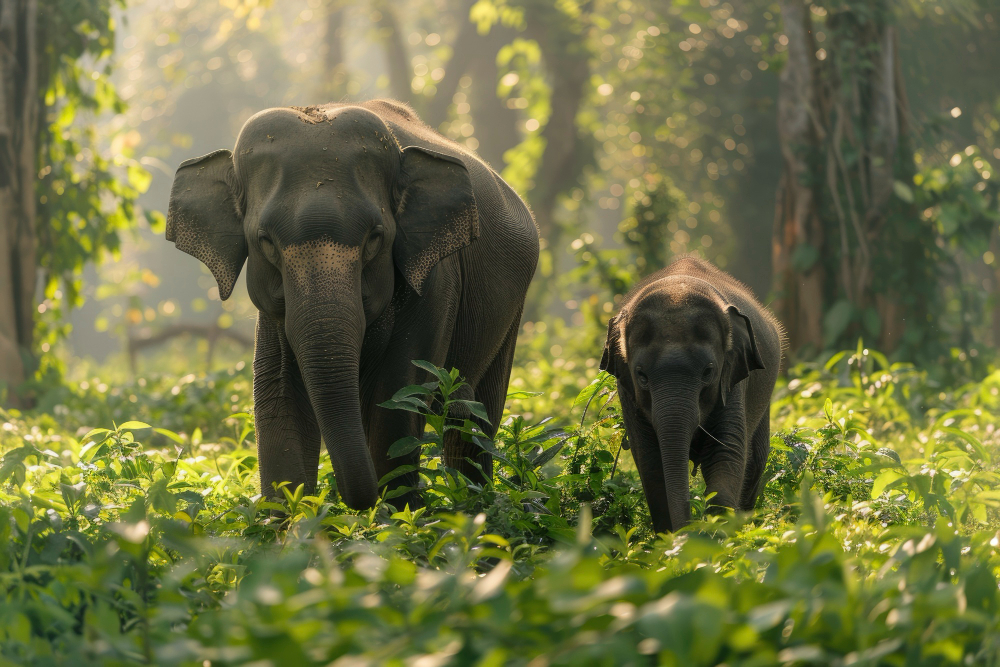
Elephants have a powerful sense of smell and a strong awareness of emotional changes. They are social animals and pay attention to the behavior of others. When elephants sense fear, they often become cautious and stay close to their group. This helps protect the herd from possible threats.
Bees and Reactions to Stress
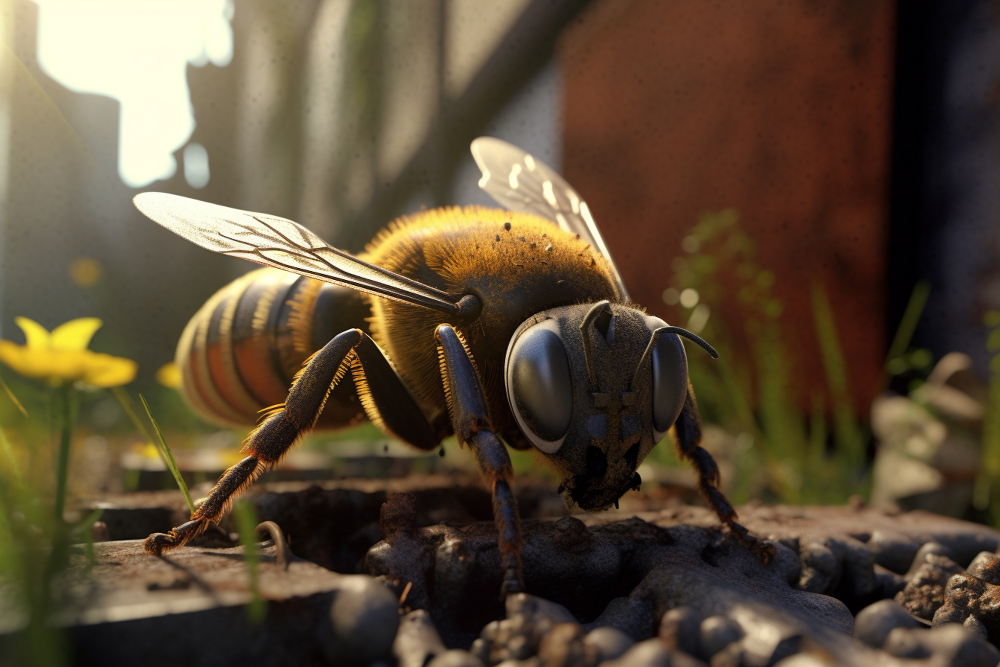
Bees are sensitive to stress-related scents and fast movements. Fear can cause people to move suddenly and sweat more, releasing smells that bees associate with danger. This can trigger defensive behavior from a hive. Calm and slow movements usually prevent this reaction.
Rats and Mice as Fear Detectors
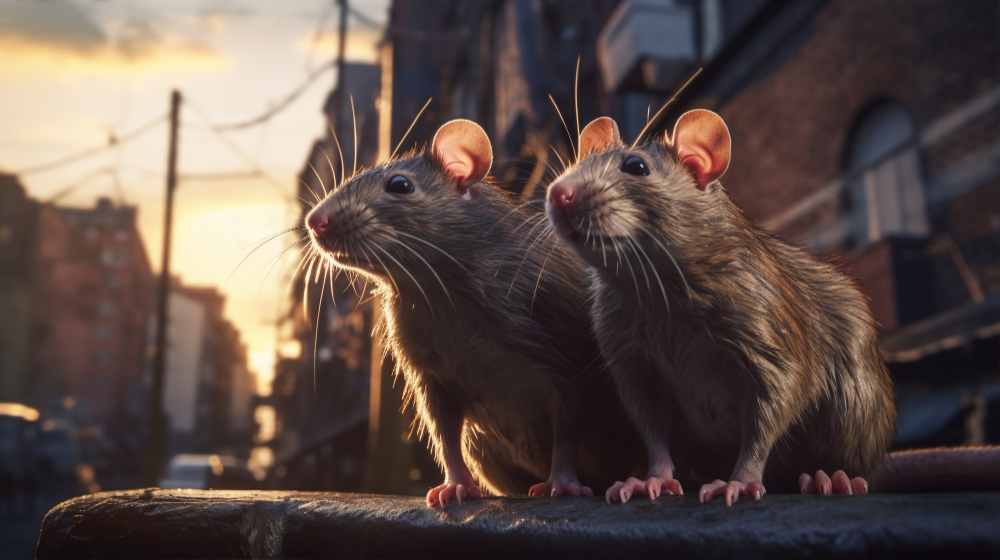
Small animals such as rats and mice depend heavily on smell for survival. When they detect fear-related chemicals, they interpret them as warning signs. Their usual response is to freeze, hide, or escape, which helps them avoid danger.
Deer and Alertness to Fear Scents
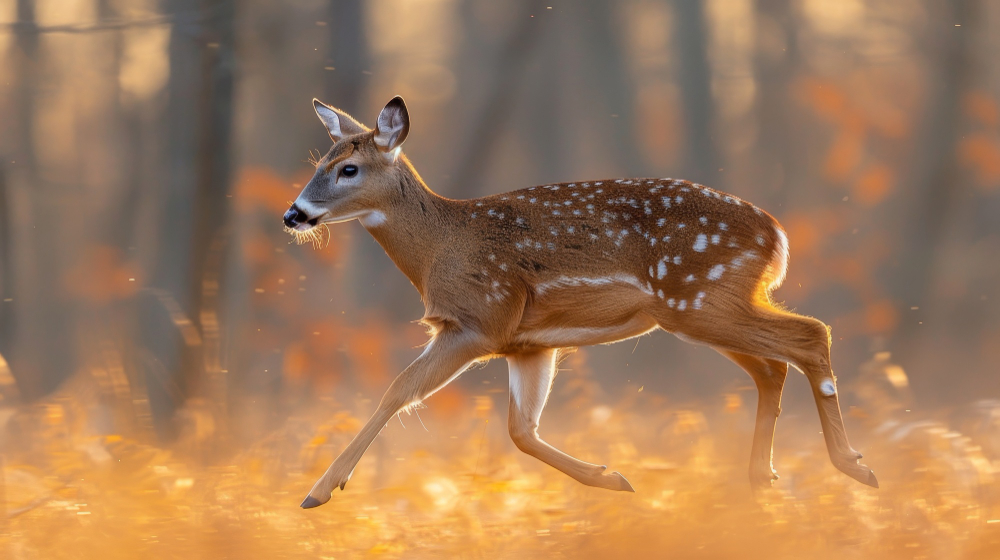
Deer have an excellent sense of smell that allows them to detect humans from far away. Fear can make a human scent stronger and easier to notice. When deer sense this, they become alert and often flee quickly to stay safe.

Wolves and Coyotes Reading Risk
Wolves and coyotes use scent to judge their surroundings. Fear-related smells can signal danger or weakness. These animals usually respond by watching carefully and keeping a distance rather than acting immediately.
Pigs and Strong Emotional Sensing
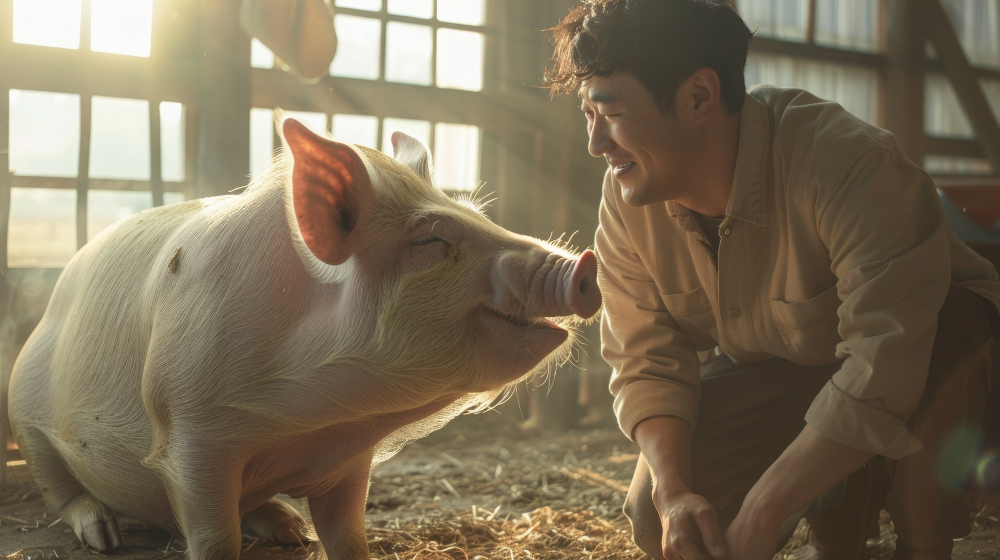
Pigs have one of the strongest senses of smell among animals. They can easily detect stress and fear. When pigs sense fear, they may become restless or vocal. Calm environments help keep them relaxed.
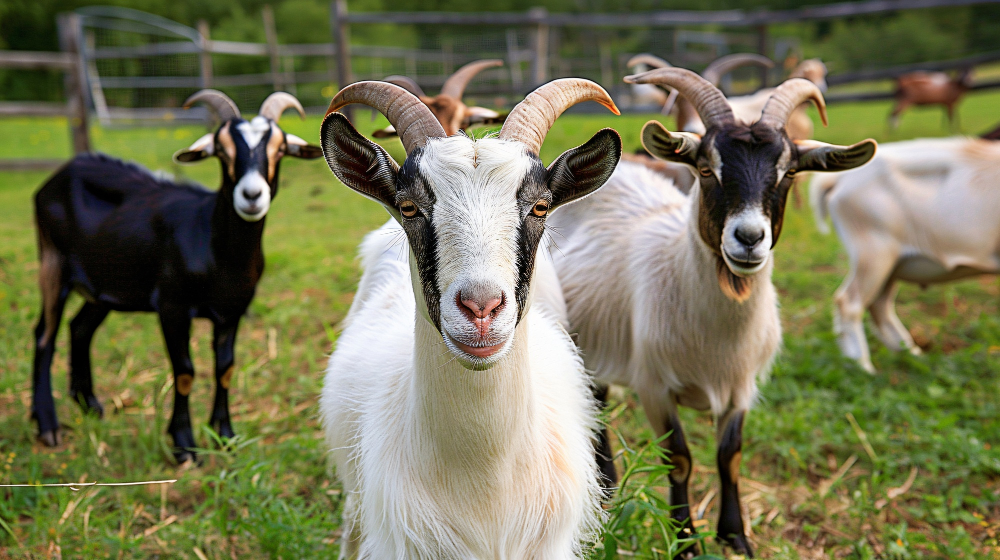
Goats and Awareness of Tension
Goats can sense fear through smell, body posture, and changes in voice. When they detect fear, they become more alert and cautious in their behavior.
Why Smelling Fear Helps Animals Survive
The ability to smell fear helps animals detect danger early, avoid predators, protect their groups, and make quick decisions. This skill has developed through evolution and plays an important role in survival.
What Humans Can Learn from This Ability
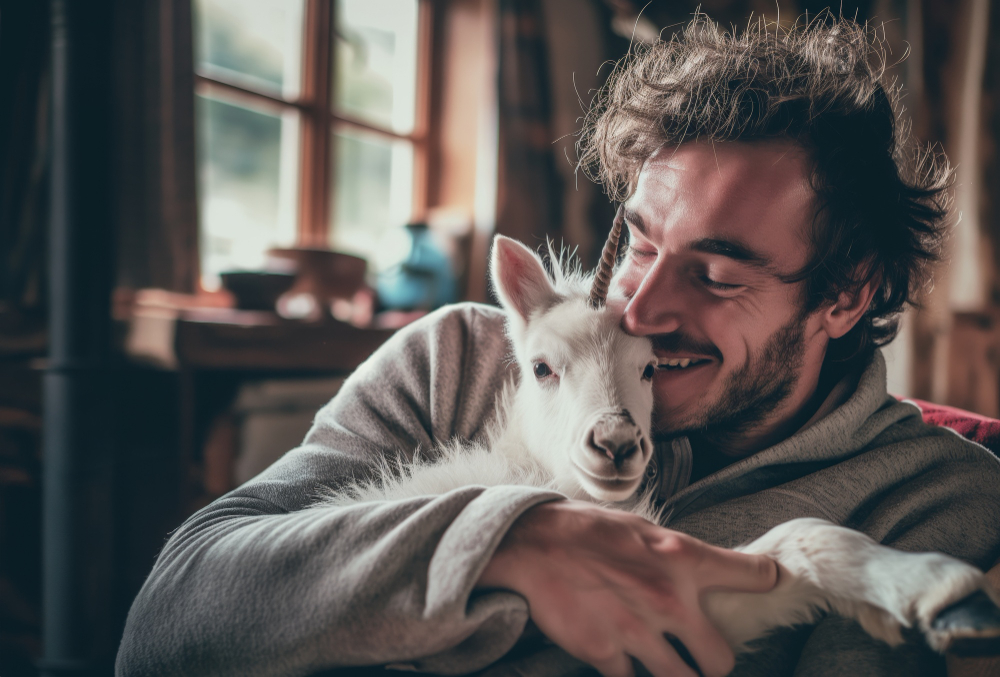
Animals often react to how humans feel inside, not just to what they do. Staying calm around animals can reduce fear signals and help prevent negative reactions. Calm behavior helps animals feel safer.
Conclusion
Animals may not understand fear the way humans do, but they can smell it. Fear creates chemical changes that animals are highly skilled at detecting. When animals react to fear, it is not imagination or coincidence. It is biology, instinct, and nature working together.