2026 As The Year Of Matcha Audit
As the “Matchatini” and “Cloud Matcha” trends explodes in the year 2026, the market has been flooded with imitations that too of low-quality. “Fake” matcha is often just grounded up green tea scraps with none of L-theanine benifits.
Knowing these 5 ways of spotting fake green matcha can really save your morning from ruining:
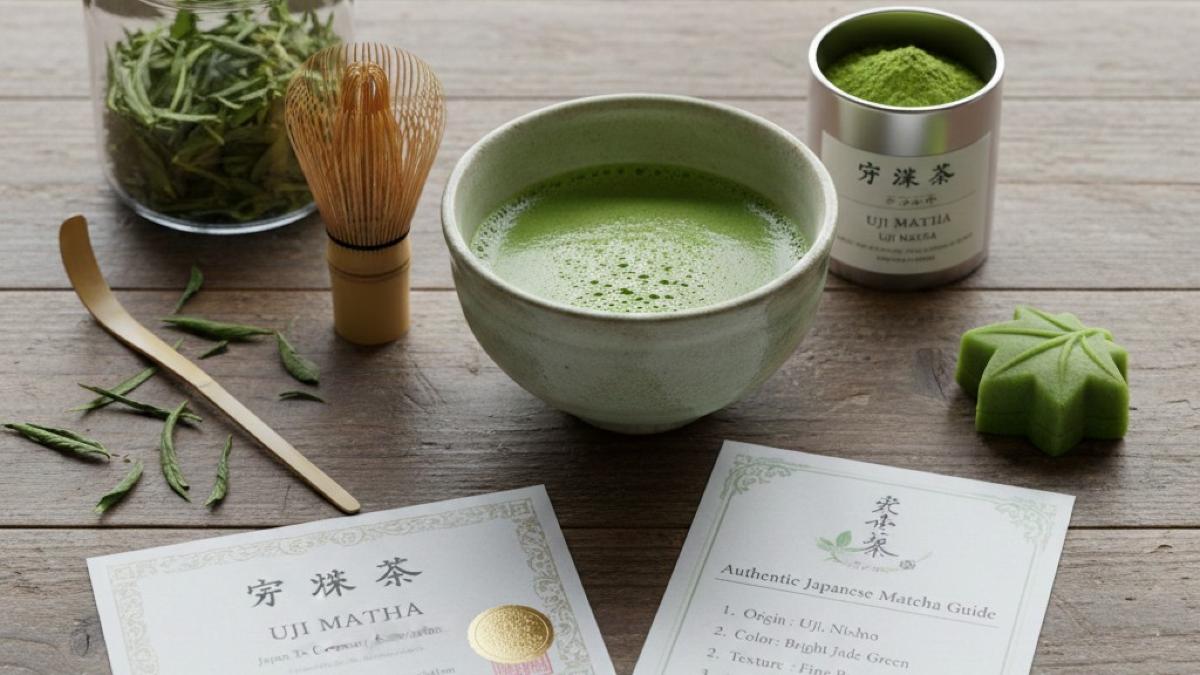
The “Origin” Trap: When buying a product, transparency is everything. So, an authentic matcha must always be a product of Japan. When buying, look for “big three” three regions, Uji(Kyoto), Shizuoka, or Nishio.
Also, keep in mind to check for the JAS (Japanese Agriculture Standard) seal to ensure it meets strict pesticides and quality regulations.
The “Neon” Eye Test: The authentic green matcha will always have a vibrant, electric emerald green. This is because of the presence of high chlorophyll content from the 20-day shading process in Japan.
The fake ones will always bear the dull, yellowish or olive-brown colour. This is indicative of the leaves not shared or they might be old and oxidised.
The “Stroke Test”: You can try out stroke test to check whether the green matcha you bought is authentic or not. For testing, you can put a pinch of powder on white paper and smear it with your finger.
If your matcha is of original quality, the leaves will leave a long, silky, “marker-like stroke.” On the other hand, if your matcha is fake, it will feel like fine sand and the line will be either scratch or broken.
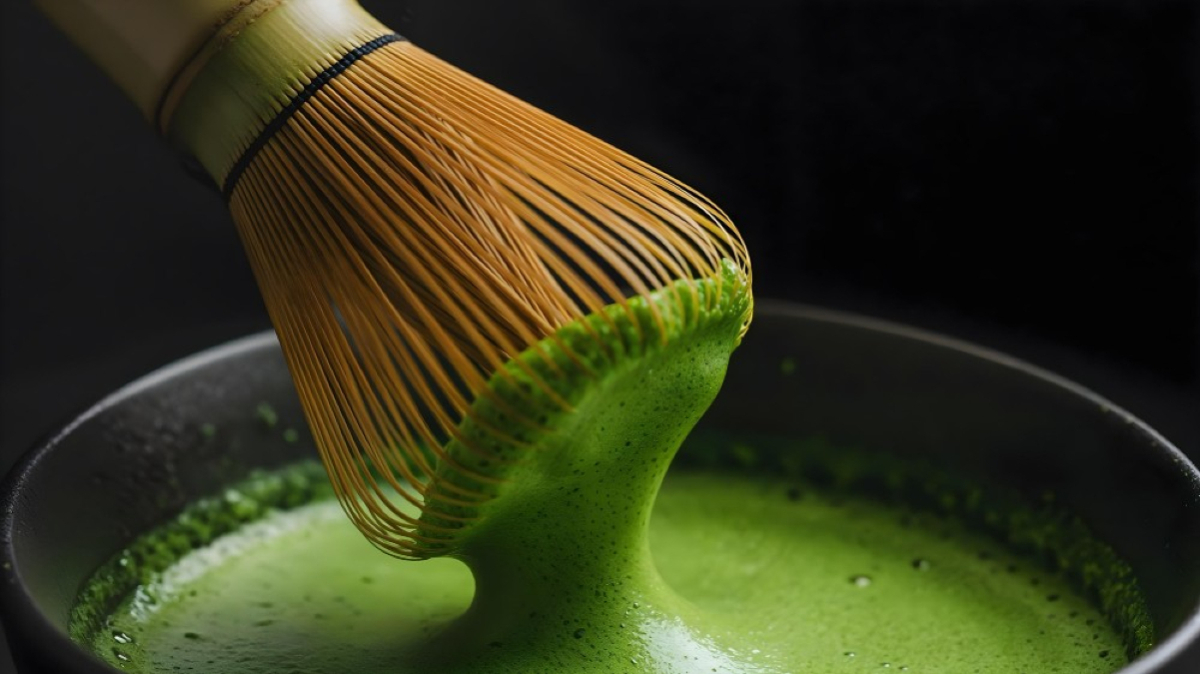
The “Froth Test” : While you whisk the Japanese matcha with a Chasen ( A bamboo whisk), the surface should resemble to that of the latte.
If your matcha is genuine and authentic, they will produce high quality amino acids, creating stable micro-foam. However, If you notice that your matcha has large, soapy bubbles that disappears in just a span of few seconds, it is a sign of low-grade powder or “green dust fillers.”
The “Umami” Flavor Profile
The authentic matcha should taste “umami,” rich, savory and creamy with a naturally sweet finish. If you notice that your matcha tastes bitter, it's most probably a lower grade imitation meant for baking and not meant for drinking purposes.
Quality Is A Choice
There is a valid reason behind thinking to buy Japanese matcha, it is about the L- theanine and EGCG antioxidants that shields your brain. An authentic Japanese matcha may cost a few bucks more but it will give you the focus you need to make the day fully yours!